A visit to North Norfolk
3-5th April 2024
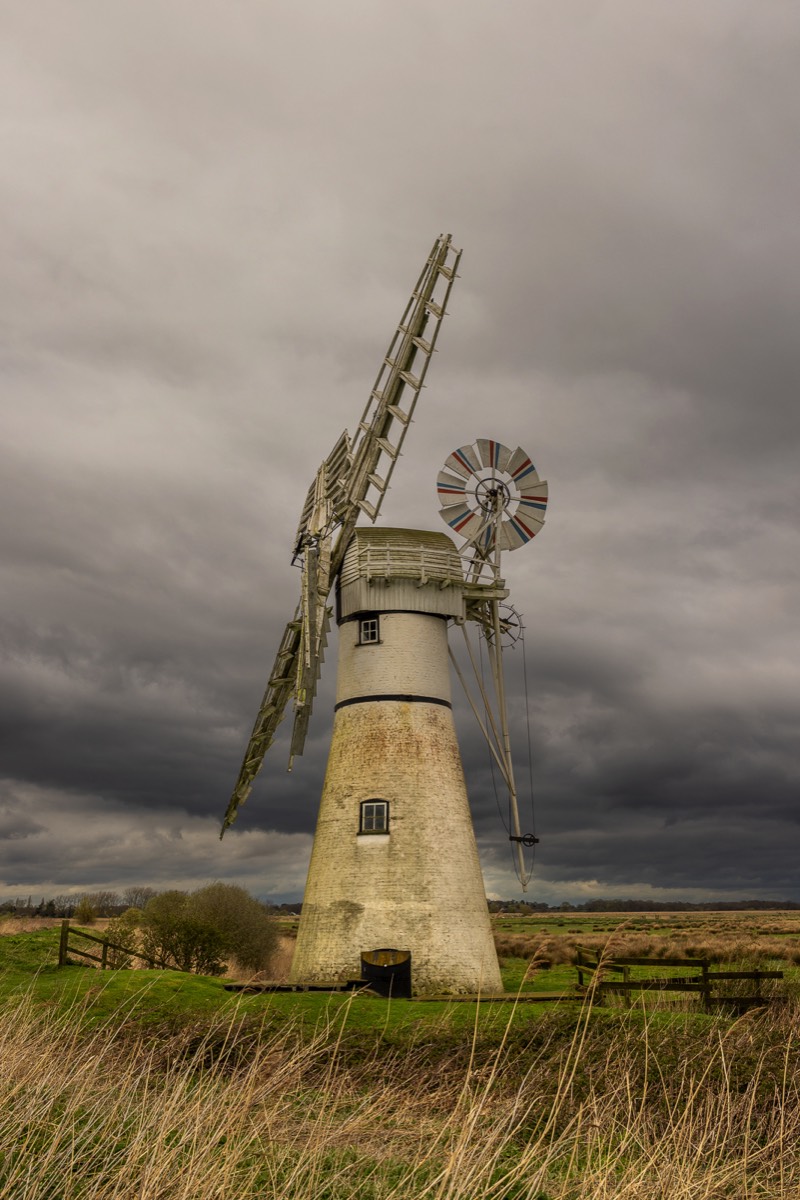
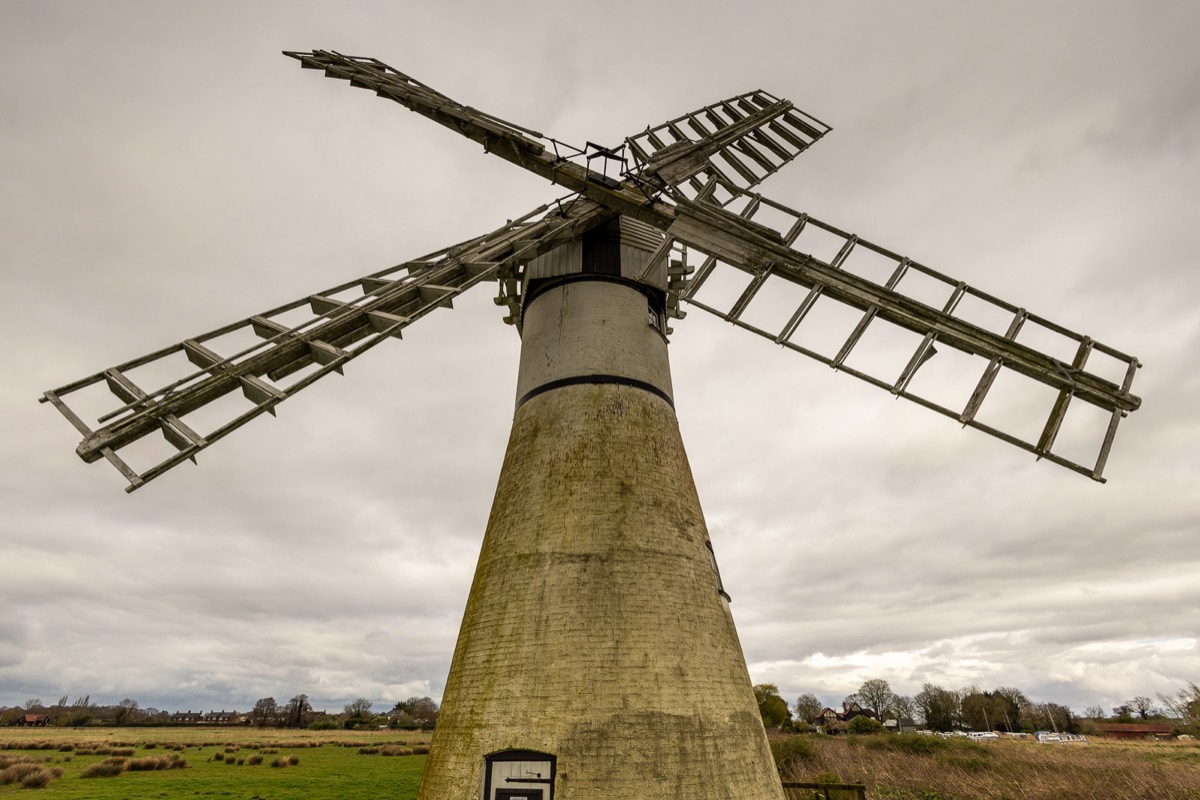
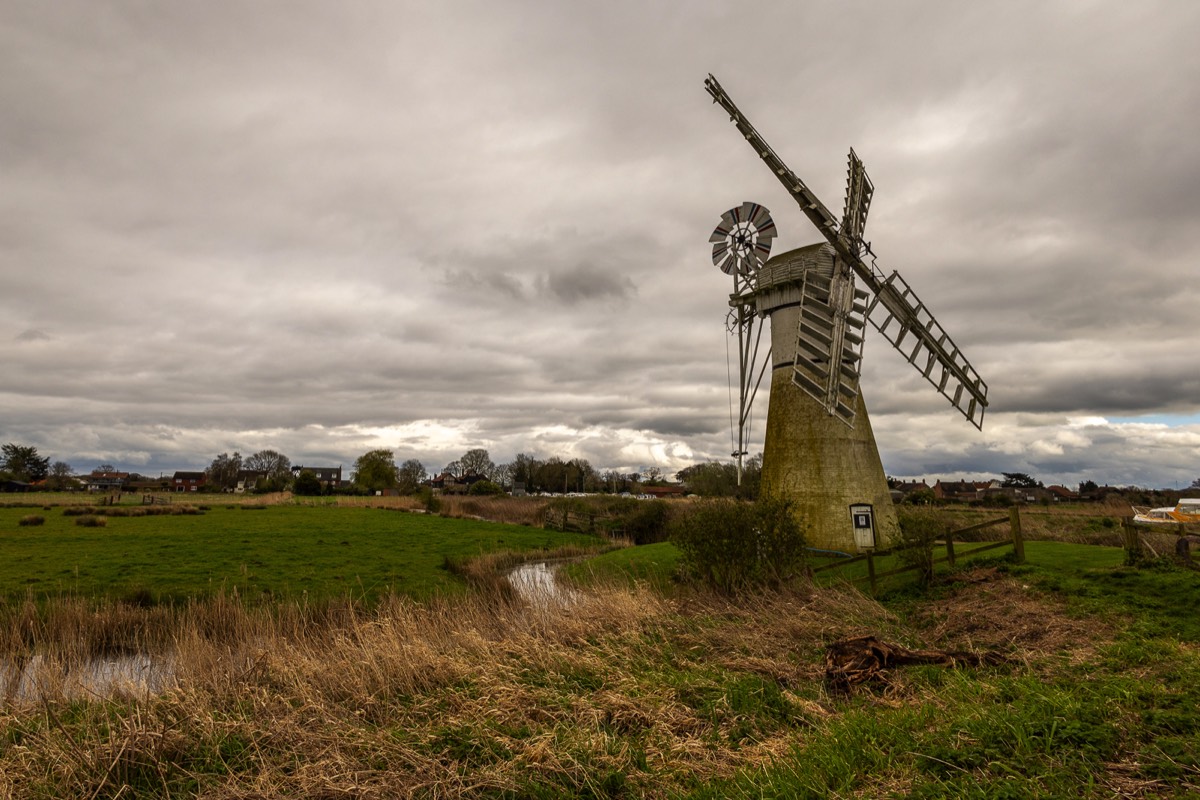
Norfolk is probably best known for its waterways, known as the Norfolk Broads; a man-made set of navigable waterways on which one can holiday on a boat. Dotted around this flat landscape are windmills and wind pumps, the latter designed to move water around rather than to grind wheat etc. The wind pump shown here is in the small village of Thurne, and like many others in the area, it is no longer functional.
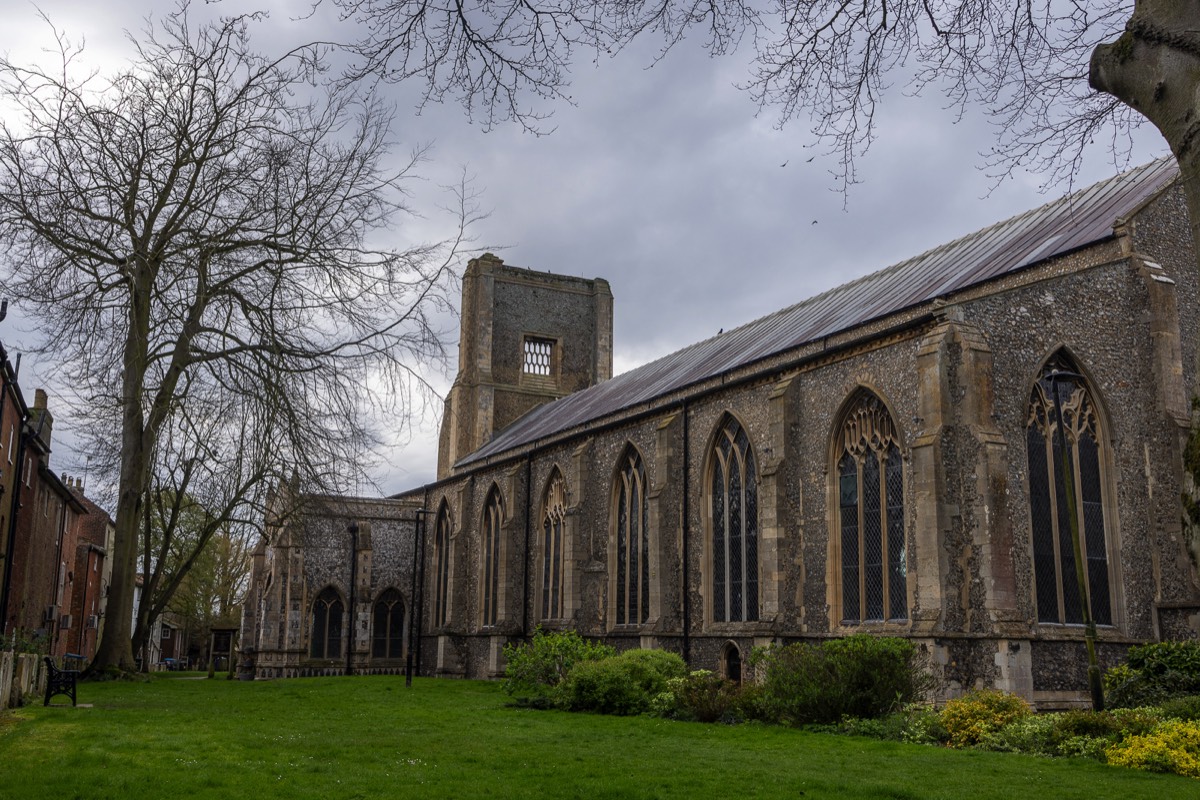
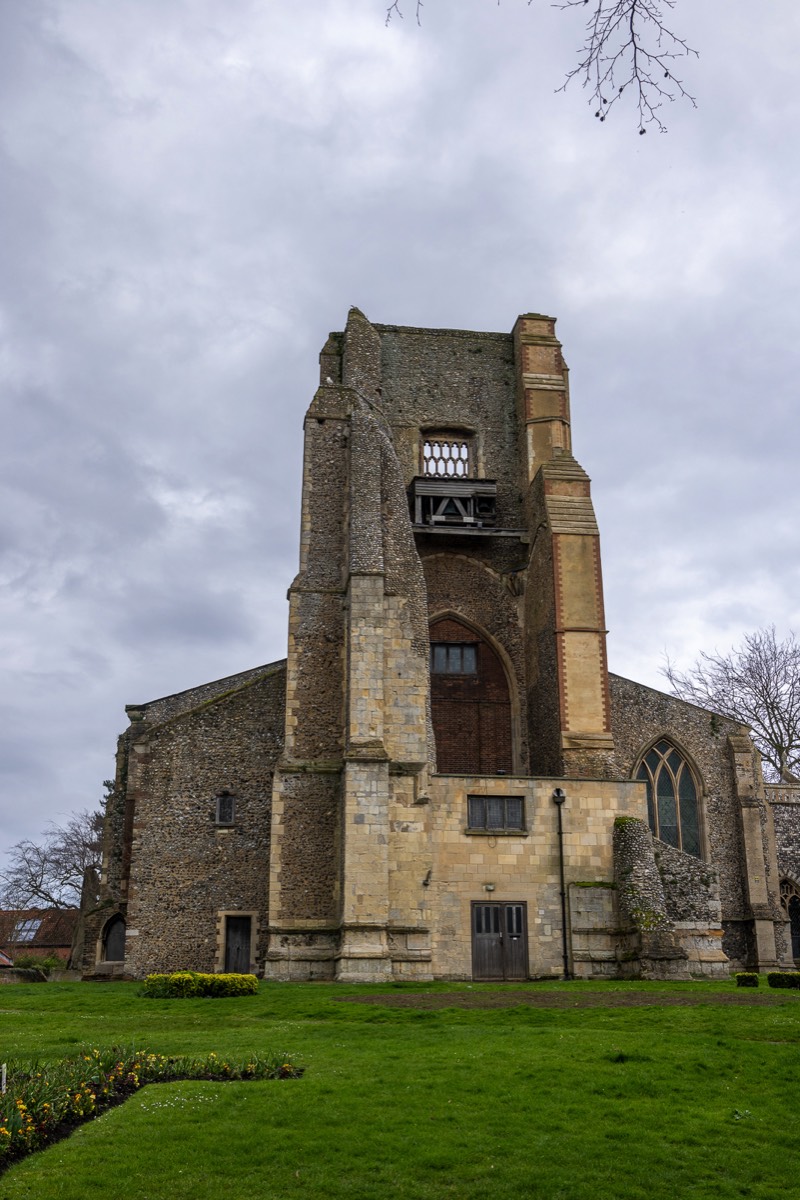
We were staying in the small town of North Walsham, the heartland of the Paston family. The church of St. Nicholas which we see today is one of Britain's largest parish churches, reflecting the power of the Pastons. At one time it had a huge steeple and tower but these collapsed in 1724. It is said that the great height of the spire was to out do the tower at Cromer, and this rivalry between great families is seen in the churches and farm barns in Norfolk. The church ruins were further damaged by a storm in 1836, but even so, it remains a remarkable structure in a less remarkable town. There are statues surrounding the main door which, unusually, are highly decorated. There are some unusual artifacts inside the church, but it was closed when we were there.
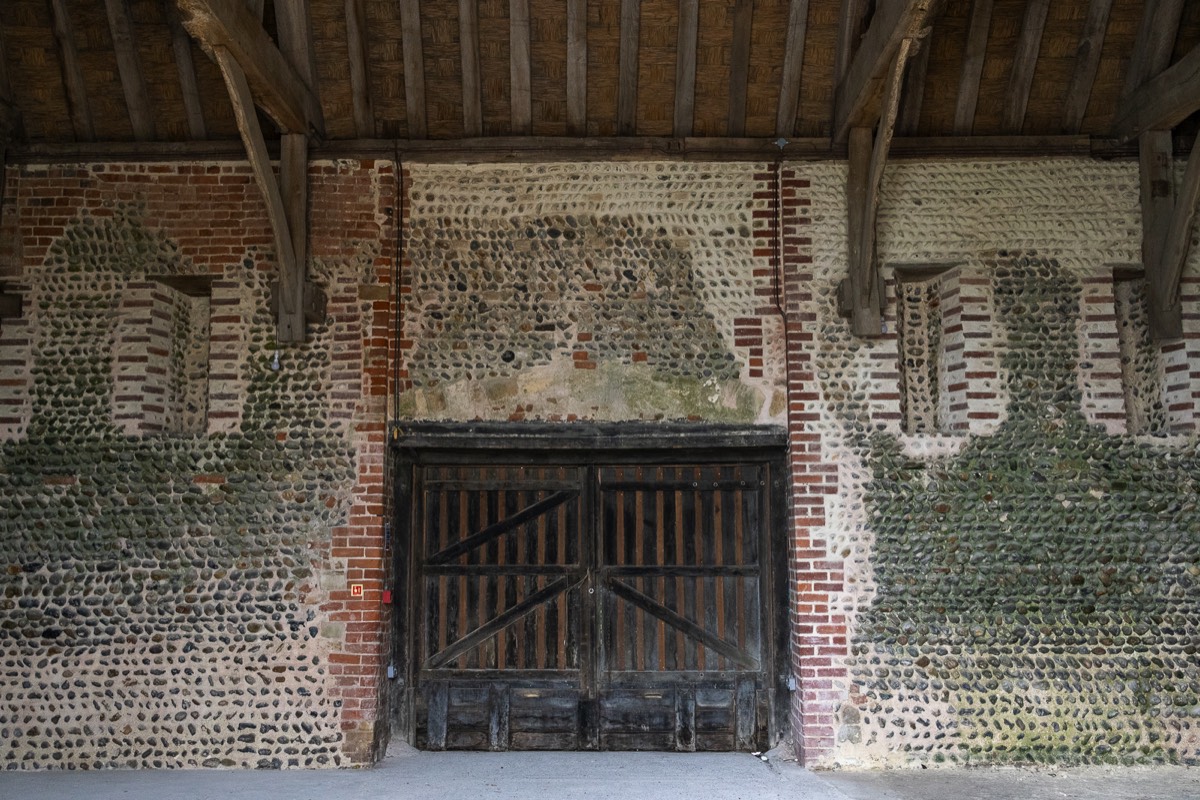
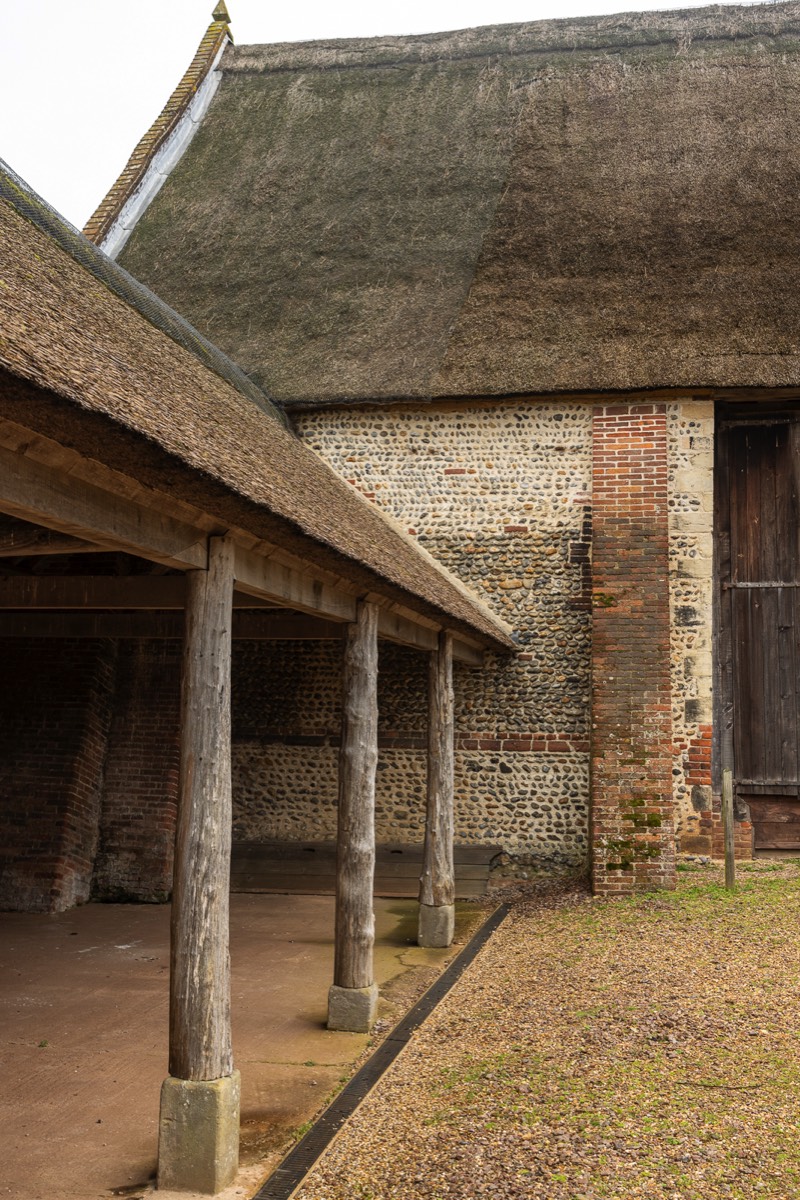
This need to be bigger than the neighbours was seen in the Waxham Great Barn which is the longest thatched barn in the county. It is a Tudor building dating to 1583, built by the Woodhouse family to out do the rival Paston family.
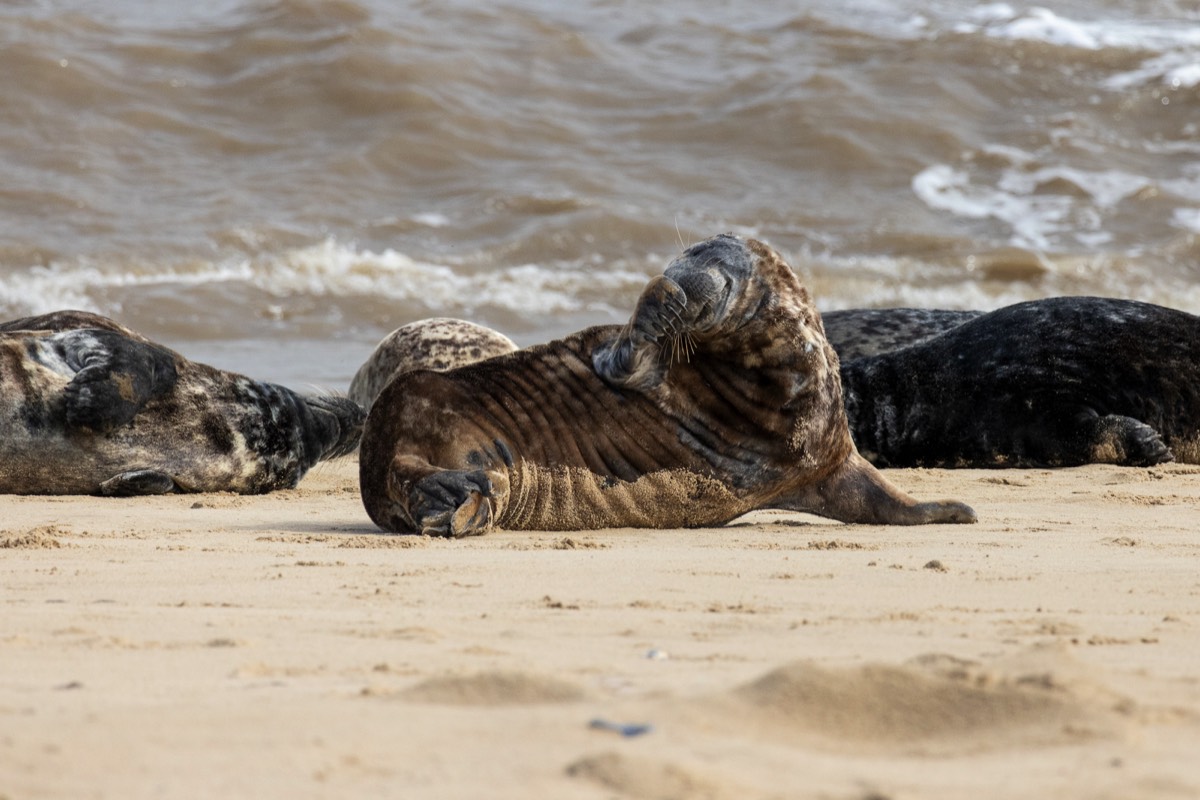
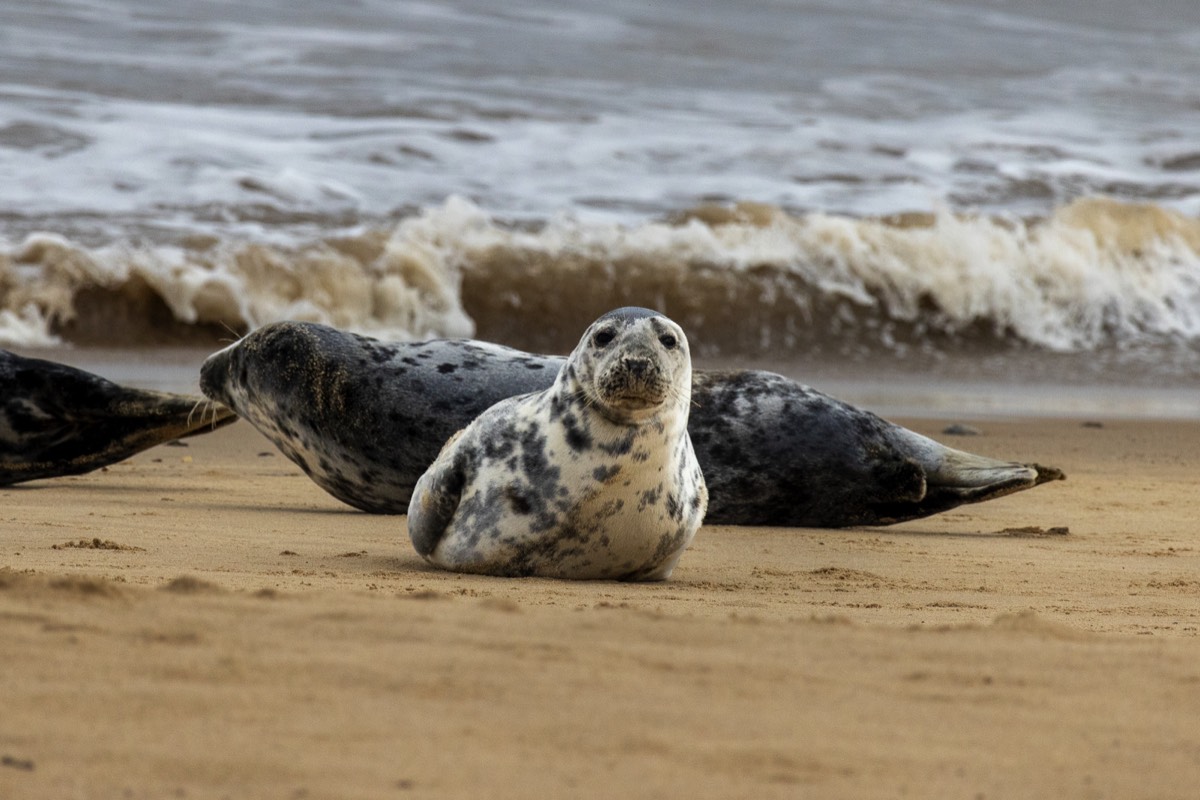
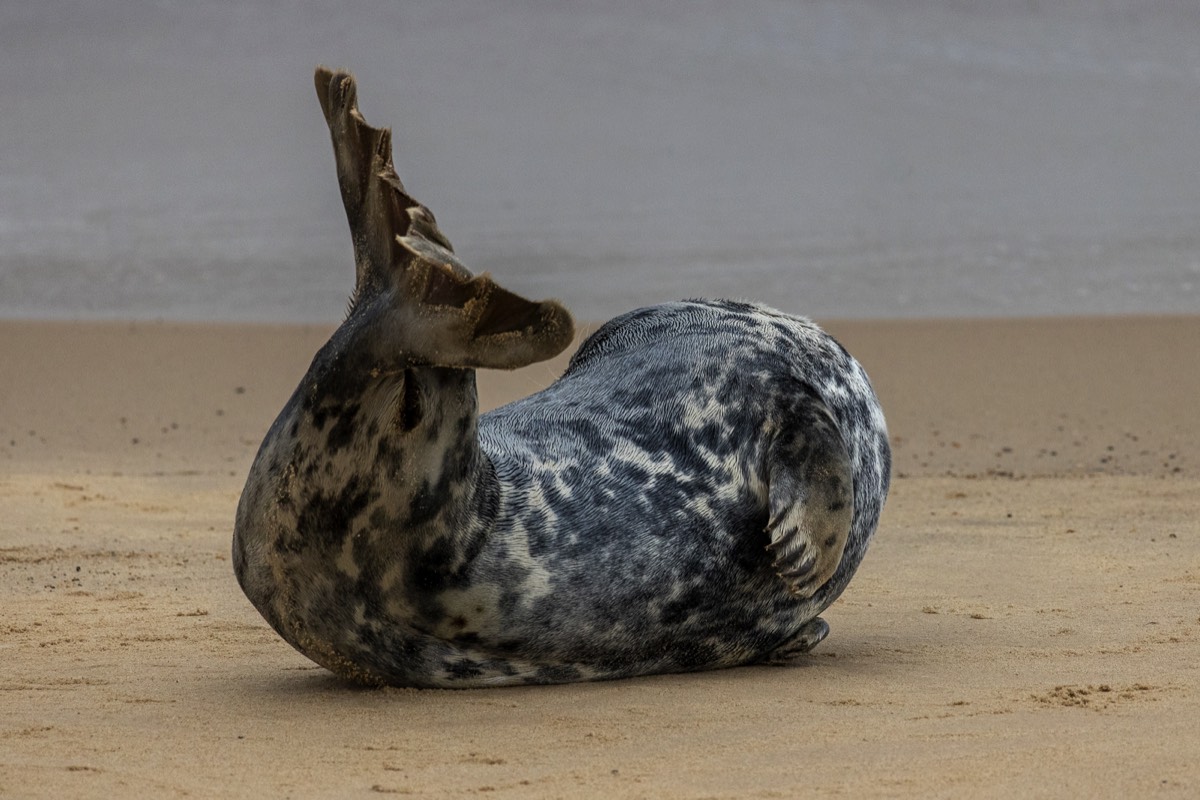
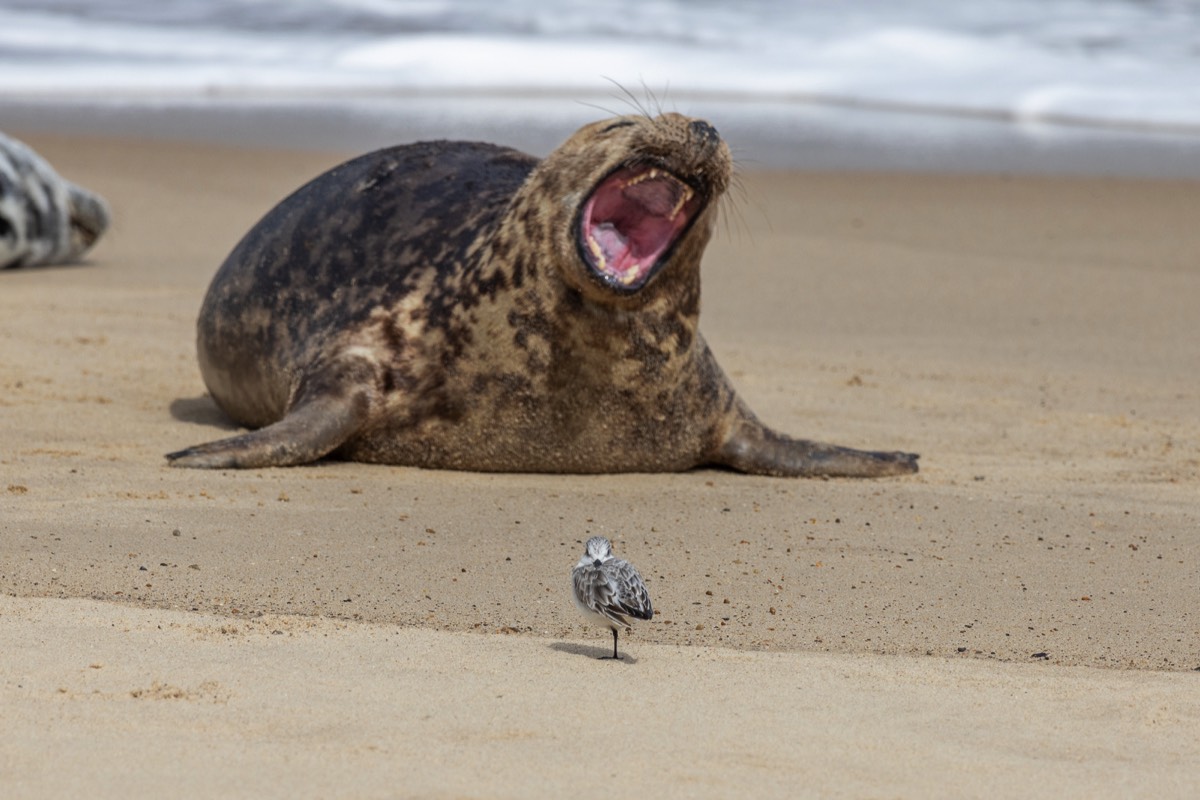
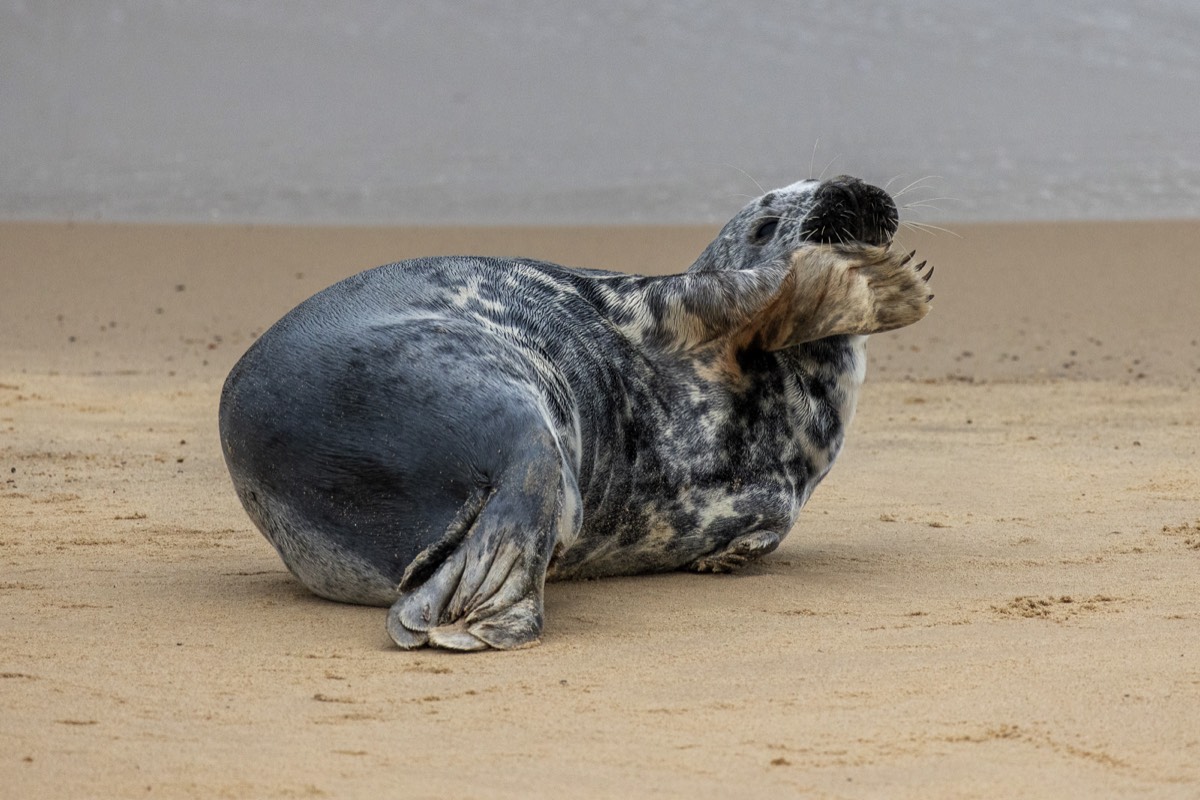
Waxham is just inland from a major destination along the coast which is Horsey Gap. Here the beach is home to a huge number of grey seals, and on our visit they were huddled together for warmth while they spend time moulting and replacing their fur coats. In January this beach is closed to visitors for the birthing season, and even today there were wardens spaced out along the concrete pathway to stop visitors wandering onto the sand and disturbing the animals. The seals do not return to the sea until they have moulted and have their new shiny black coat again.
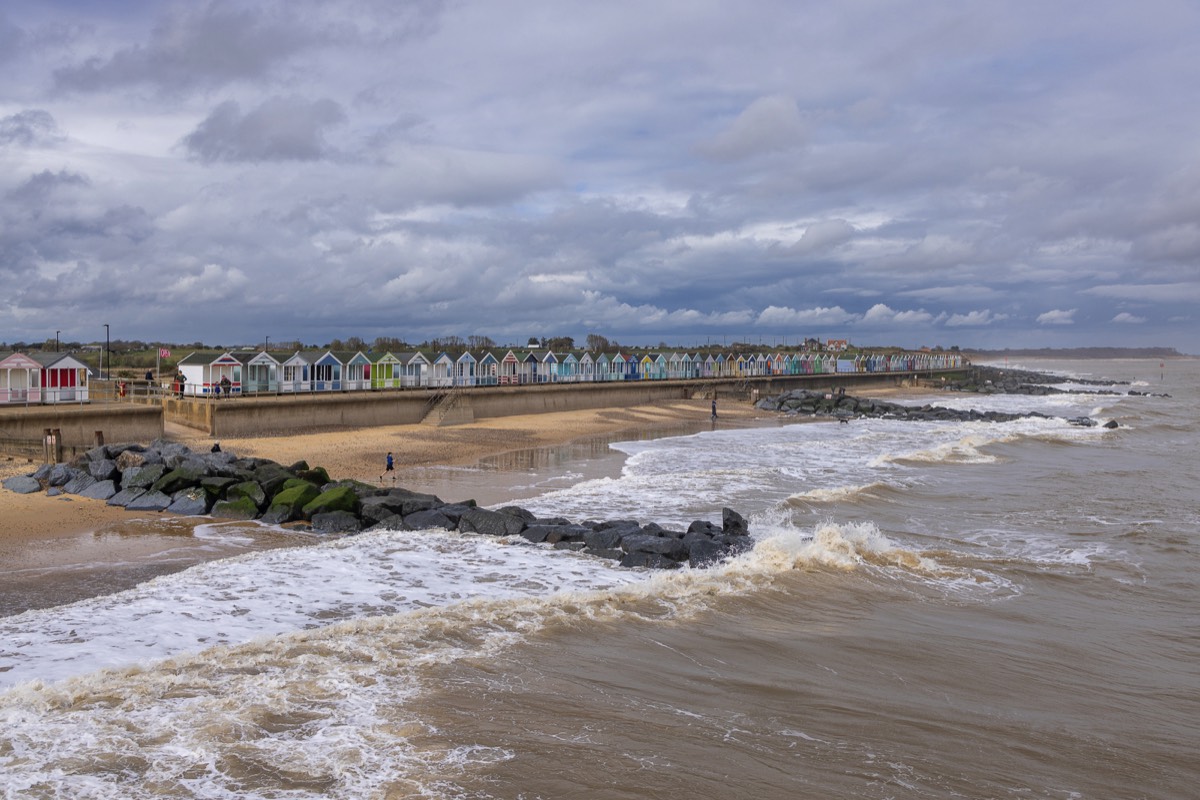
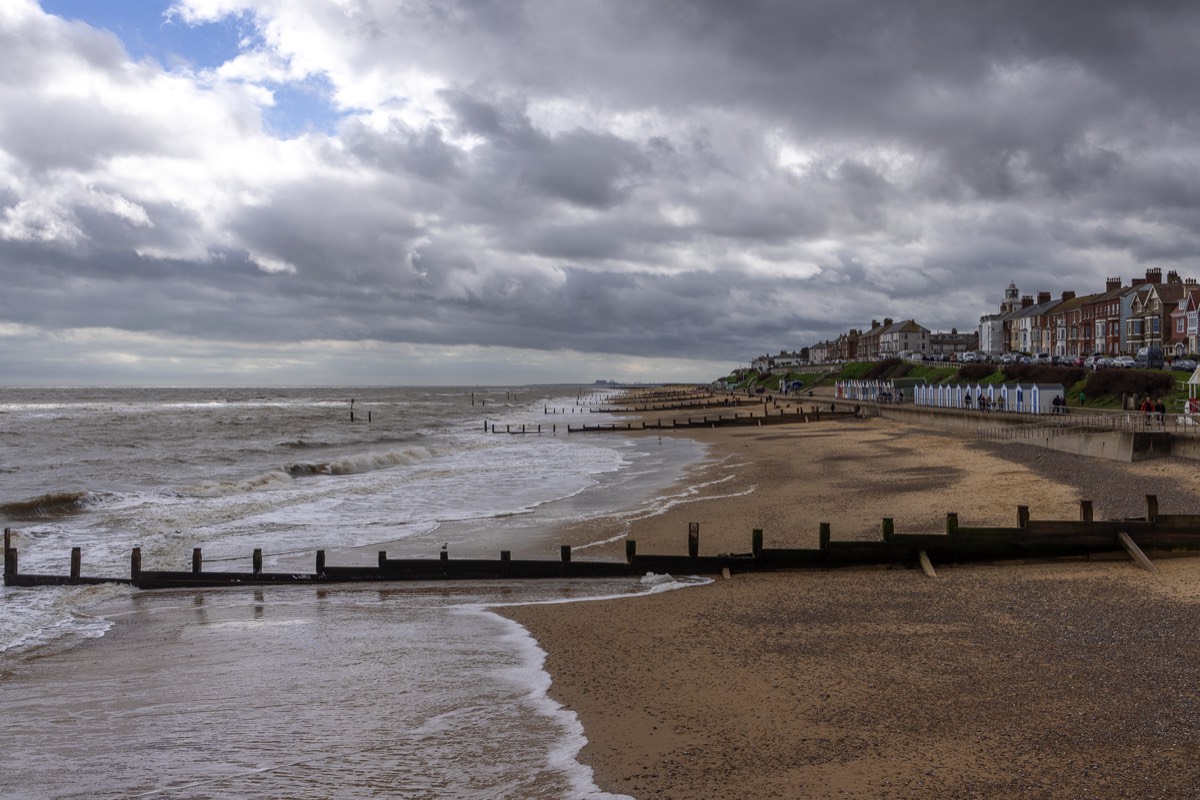
Norfolk has an extensive coast line, and a popular resort beach area is at Southwold. We stopped here for lunch on the pier and it was a blustery and cold experience! Like most UK seaside resorts, it really helps to have a little sunshine!
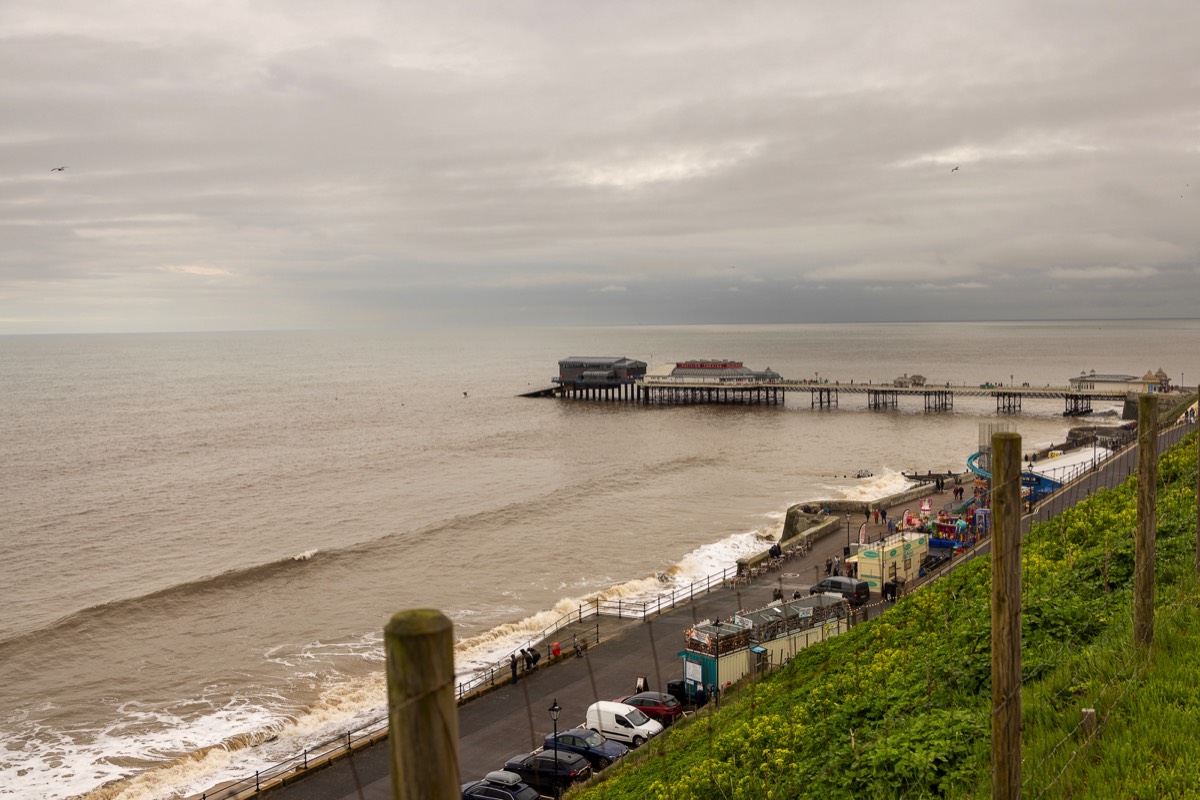
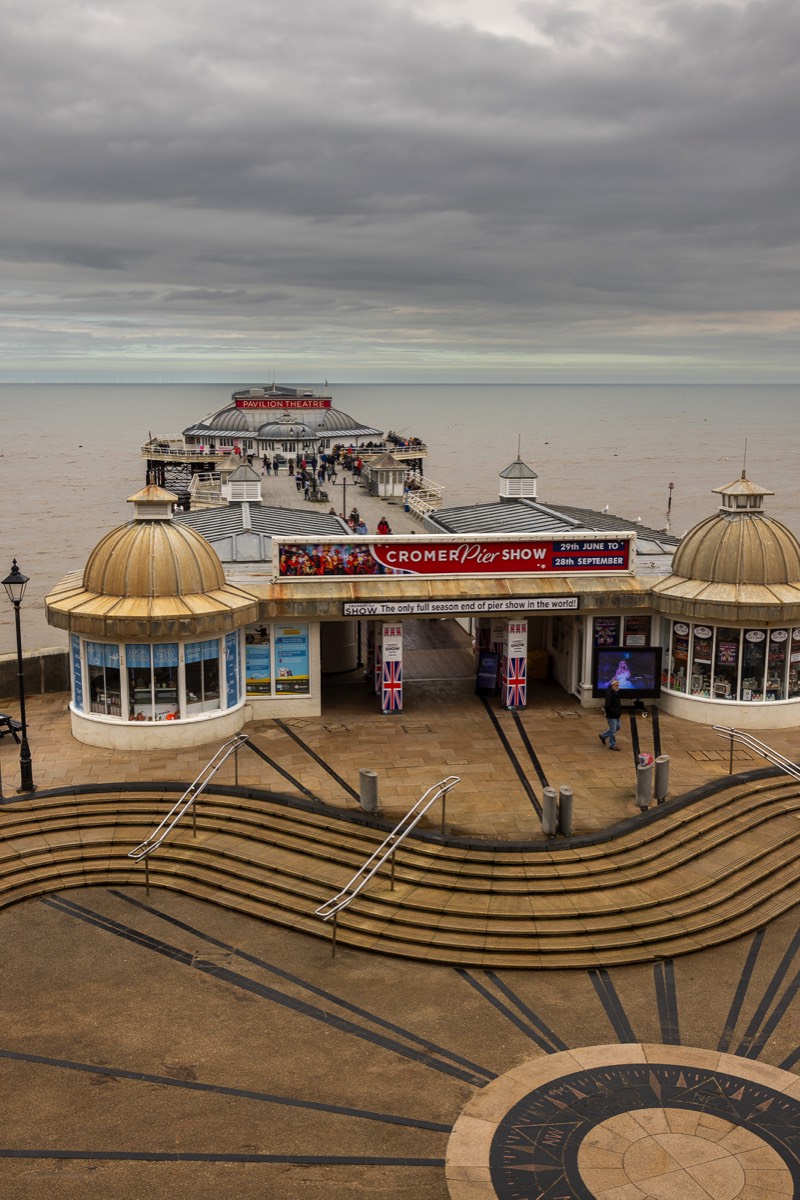
We also visited Cromer, known for its crabs. Today the wind was stirring up the sea to a brown foam and the town looked rather gloomy. But we found the Buttercups cafe and warmed up with a delicious crab sandwich. And Cromer too has an outsized parish church which looked quite out of place in its surroundings.
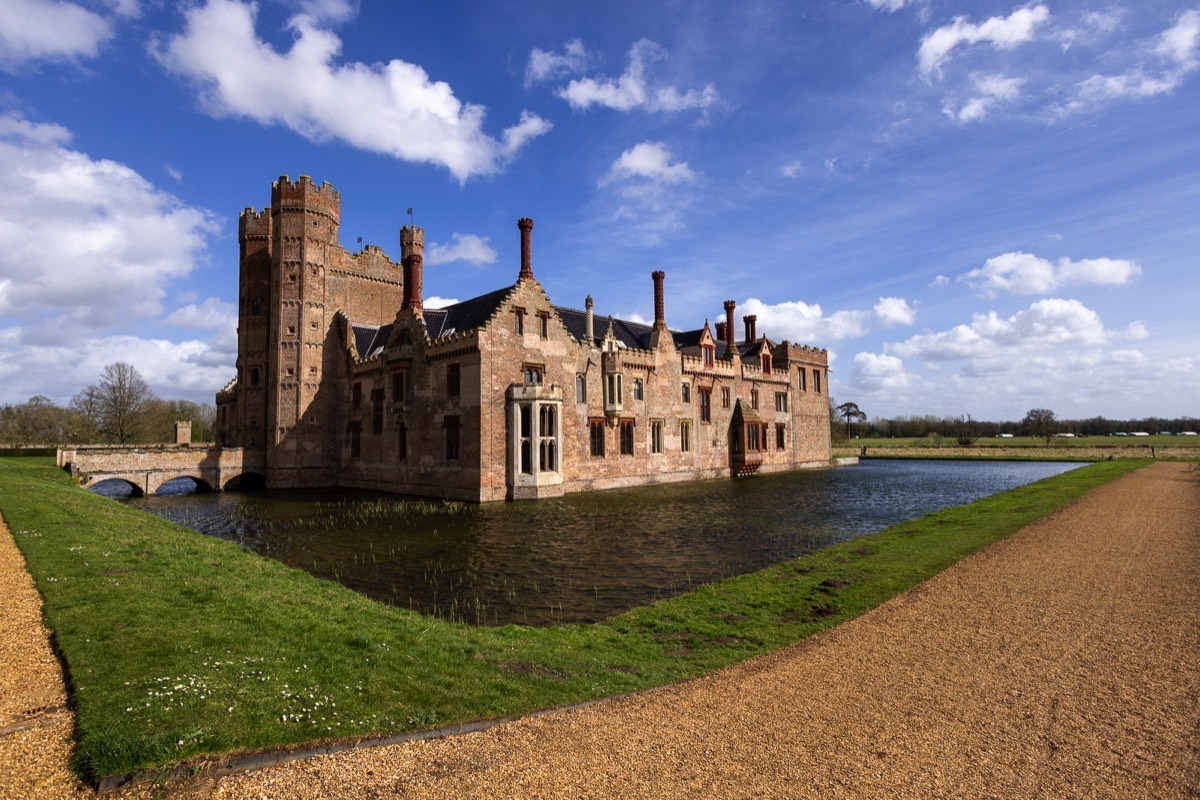
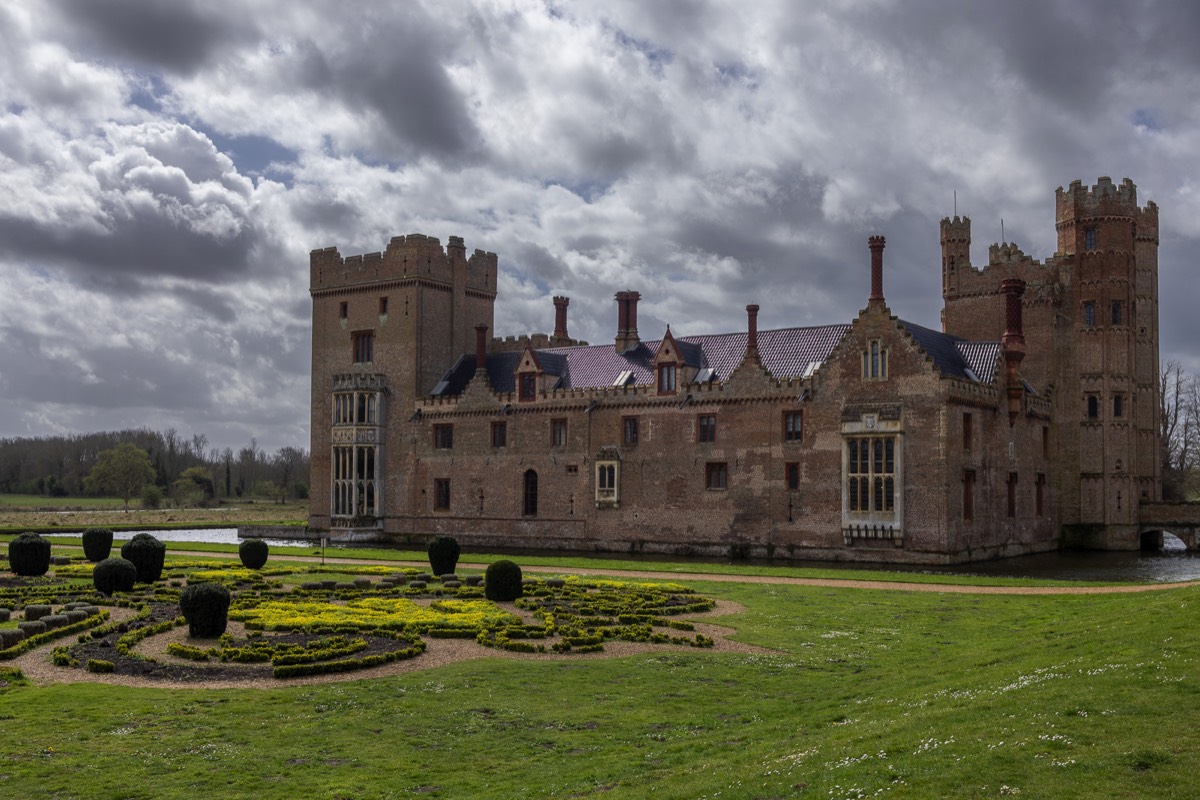
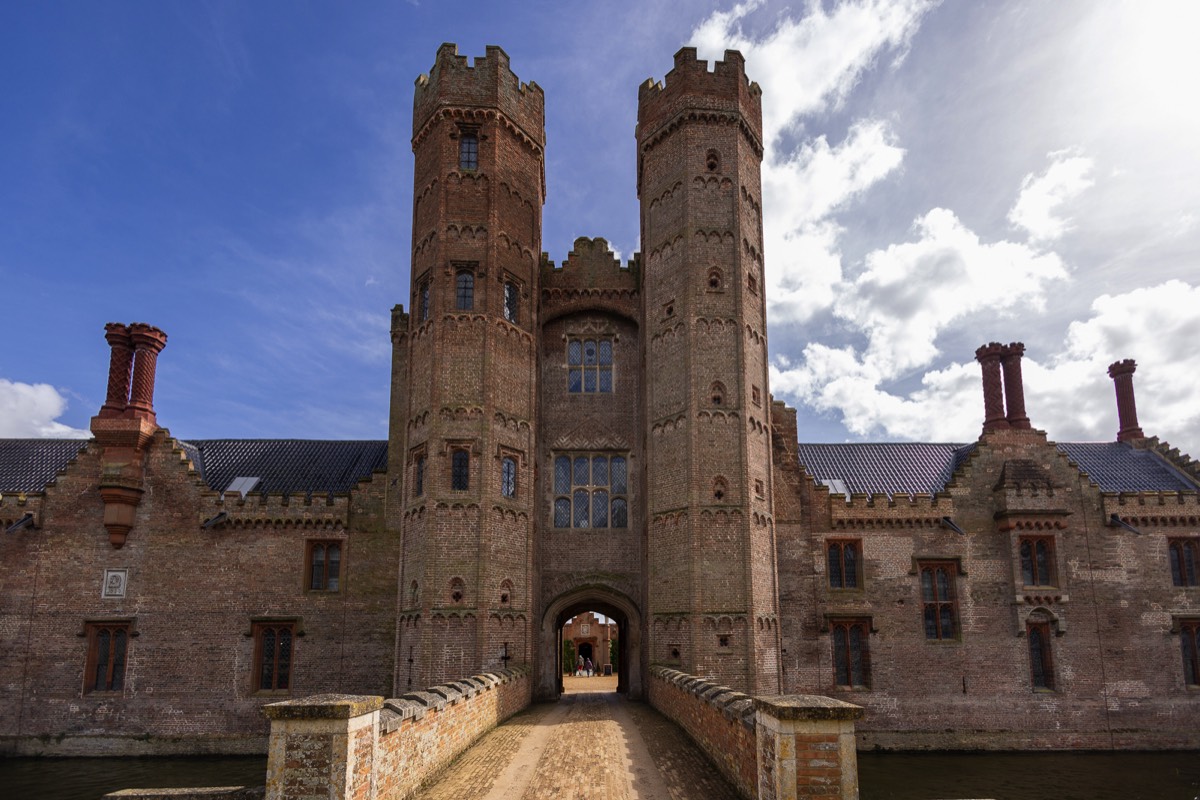
On our drive home, we stopped at the Oxburgh Estate to visit Oxborough Hall now owned by the National Trust. This building is not a castle, but the family home of the Bedingfeld family since 1482. They were a powerful Catholic family at a time when it was dangerous to be Catholic. It was built in red brick as a sign of wealth but the fortunes of the family waxed and waned depending on the royal power struggles at the time. A series of good marriages helped maintain the family fortunes until a fateful marriage for love, not money! The Hall became derelict with the threat of demolition until three resourceful women decided to rescue the property and repopulate it with fixtures which had been sold to other family members, and with furniture bought in Europe. It has the only known example of a Gothic-style library since the occupants could not afford to change its style to keep up with the fashion of the day. If you visit here, do take time to talk to the staff in the rooms as they are extremely knowledgeable and will bring the history of this building alive.
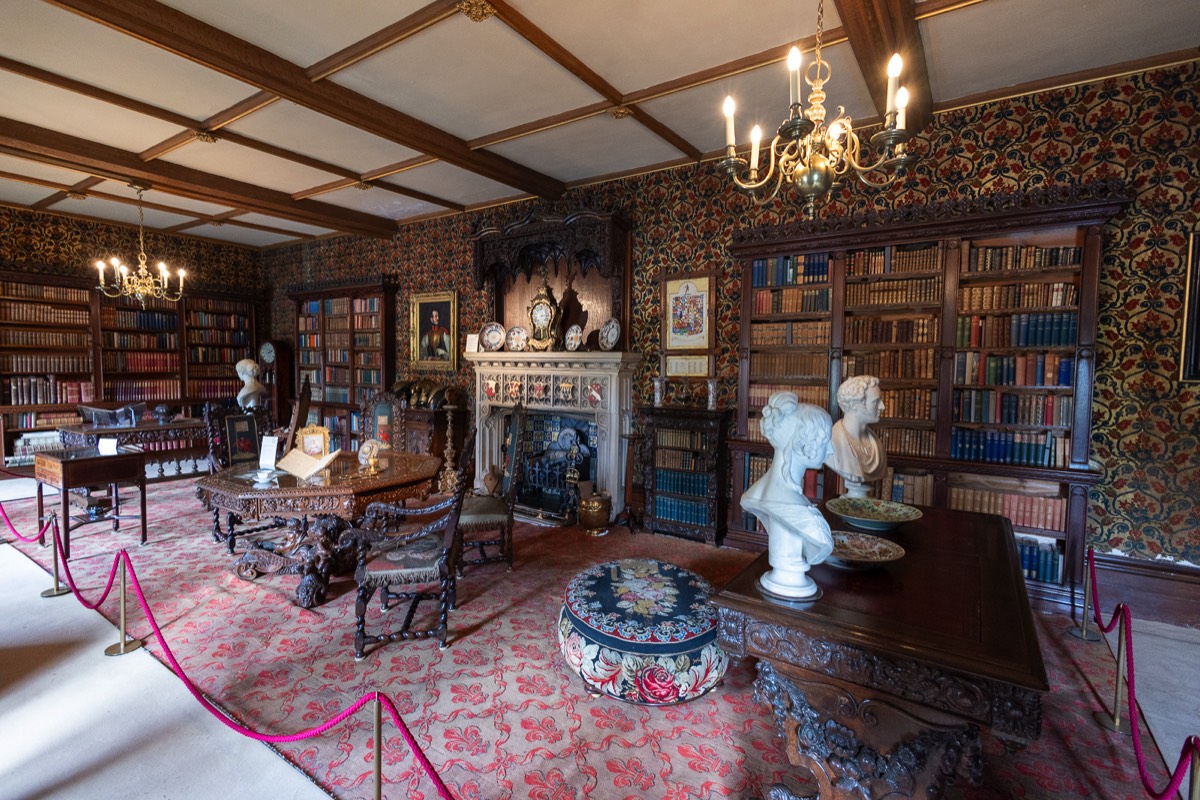
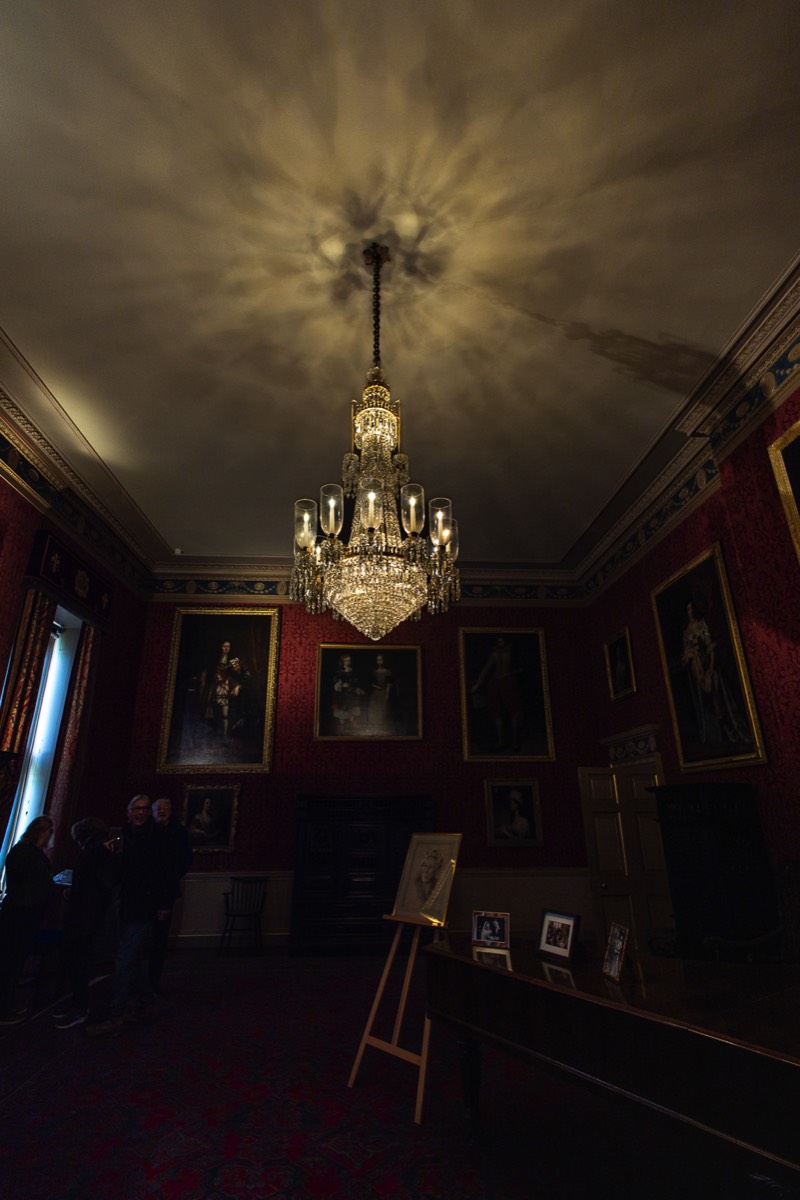
The room below is the library with its distinct gothic wooden awning over the fireplace. All the rooms were of a comfortable size with walls covered in highly patterned wallpaper or even in embossed hand-painted leather made in the Low Countries (1710-1730). There are many portraits on the walls, but many are reproductions of recognisable royals. One remarkable display is of the Oxburgh Hangings. These are large pieces of embroidery, some of which was done by Mary, Queen of Scots, while she was kept captive during Queen Elizabeth's reign. In fact there is so much history tied up in this one building that I think it deserves another visit.
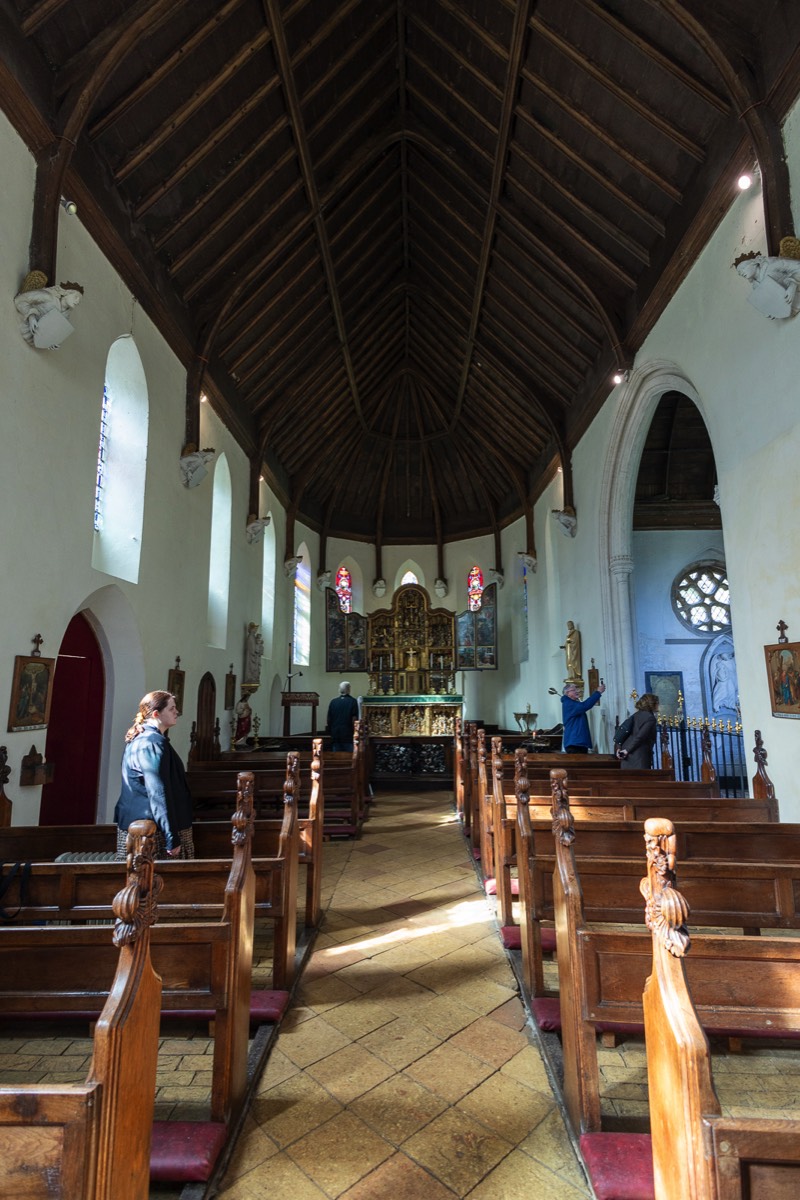
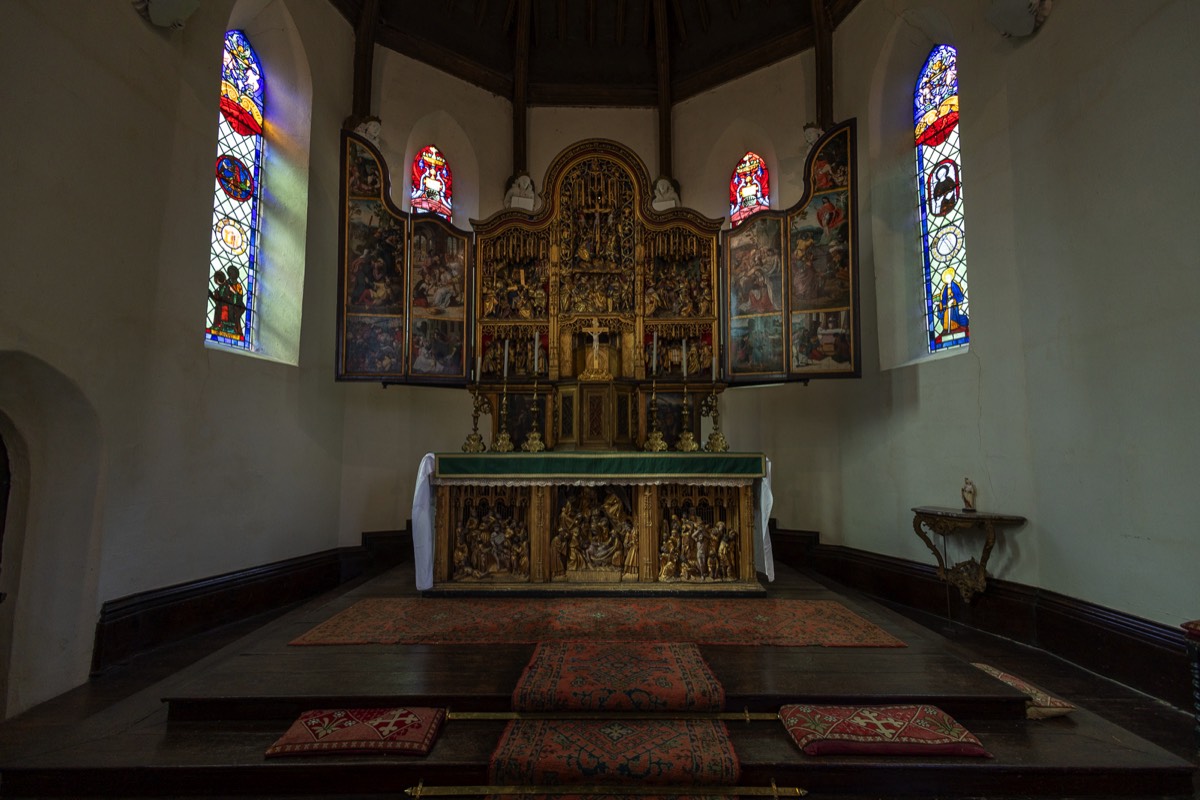
Next to the main hall is the Chapel of St Margaret and Our Lady, Oxborough. It houses a stunning altar table depicting scenes from the Passion of Christ. The painted 'wings' are 16th century Dutch, and the triptych was carved in Antwerp in 1520-1530 and reconstituted here in for the chapel the 19th century. But the feature which dominates this chapel is its oppressive wooden roof, looking like an upturned boat.
Our brief visit to Norfolk showed us that there was much more to discover here, and who couldn't resist going to see those seals again!