A Strawberry Moon over the ships' graveyard (Leigh-on-Sea)
14th June 2022
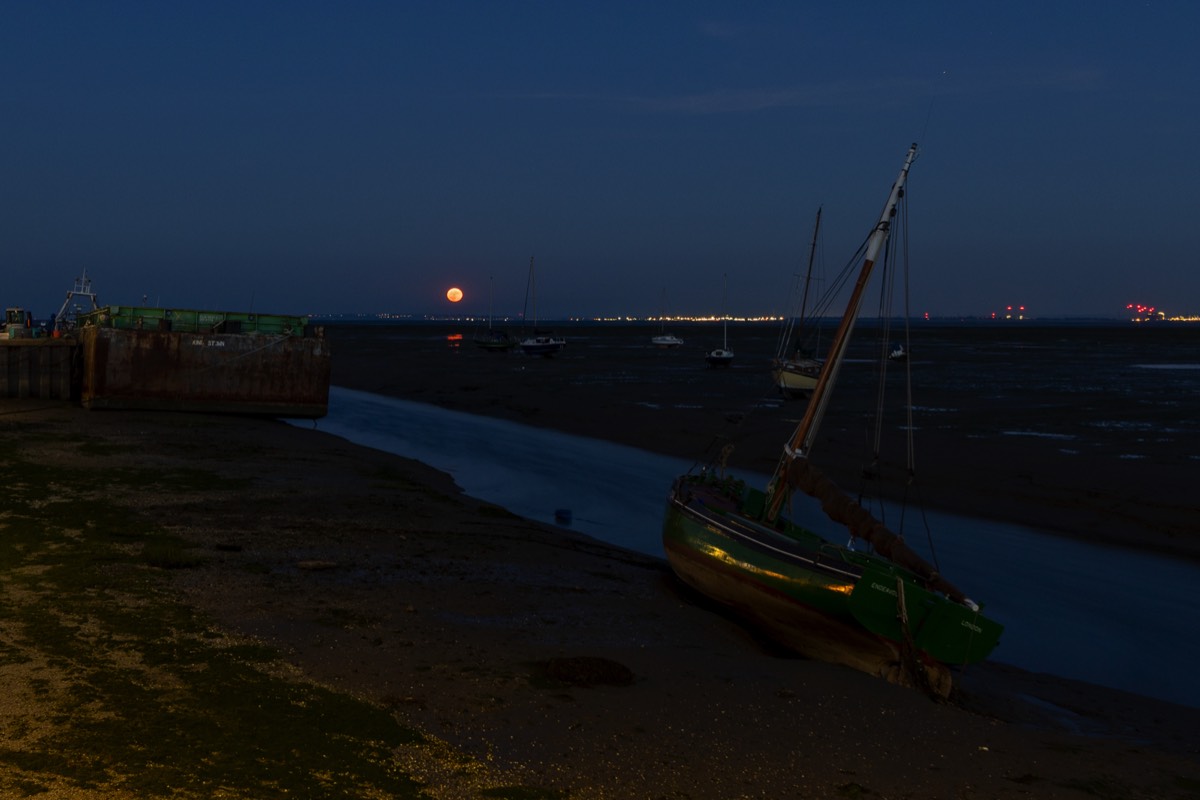
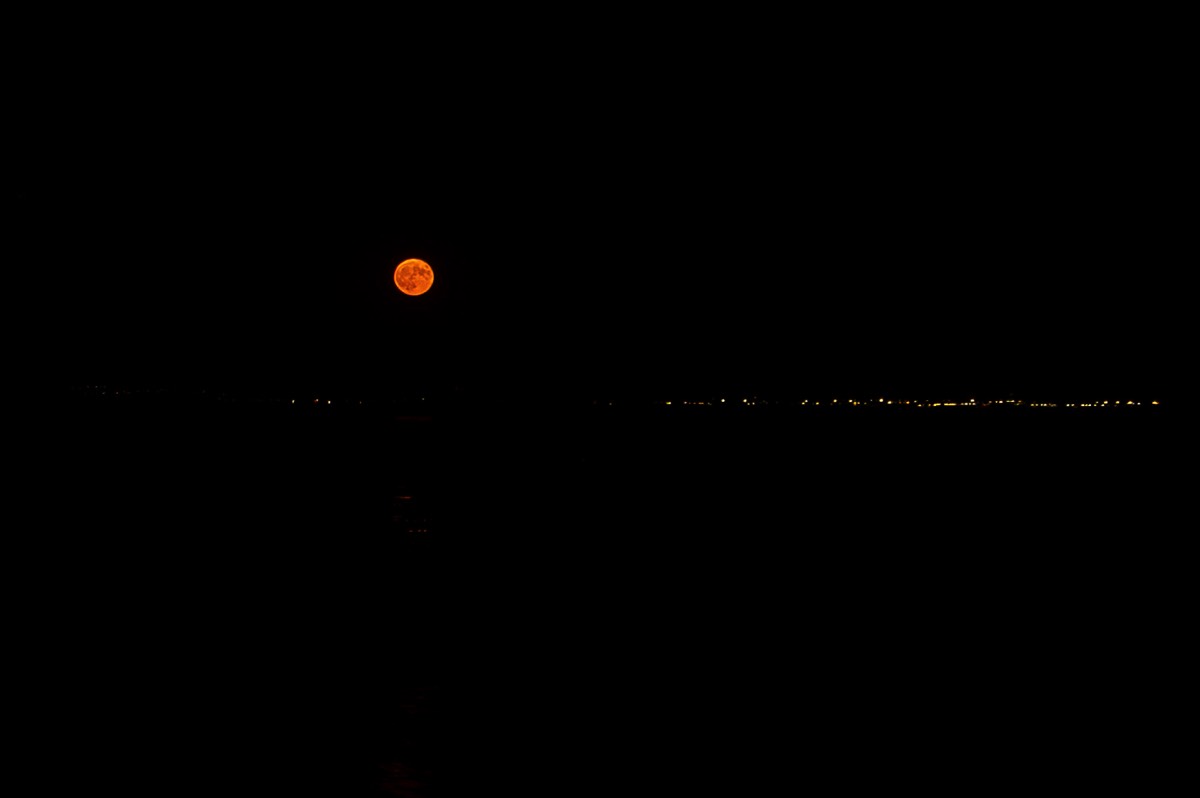
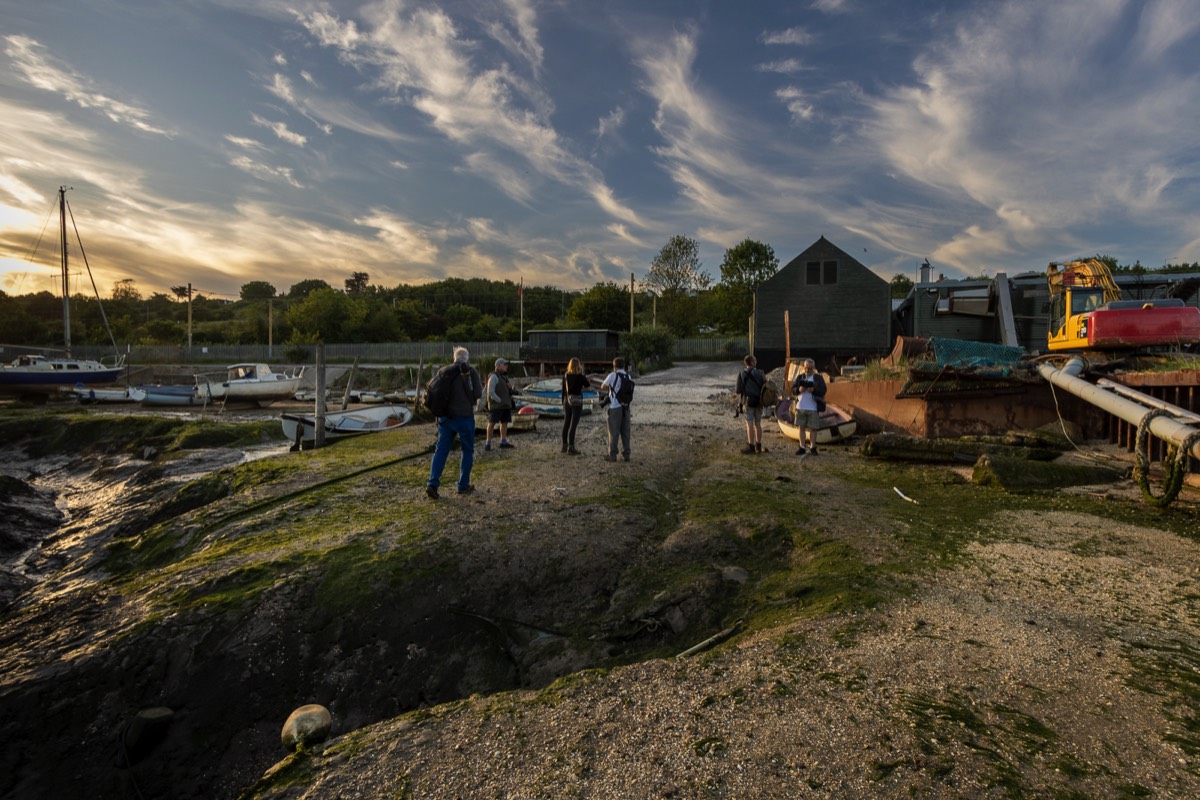
When I think of the sea, I think of sand-coloured, although not necessarily sandy, beaches and wide expanses of the ocean. But neither Southend-on-Sea nor its neighbour Leigh-on-Sea lives up to this expectation. Their 'sea' is the Thames estuary, a vast expanse of tidal water flowing over hidden sandbanks and mud flats. On this evening, the Baddow Camera Club headed to Old Leigh and Two Tree Island in search of interesting photos. I will show you those photos later because it was the moon that was the star of the show. Sadly I had the wrong camera lens to make the most of this scene, but it was spectacular! Our photography events tend to end up in a nearby pub, and we were sat outside looking out over the estuary. Just before leaving around 10 pm, someone looked further around towards Southend-on-Sea and couldn't miss a huge Strawberry Moon emerging just above the water and reflecting in the watery mudflats below. I may not have had the right lens, but at least I had a tripod so I was able to get these photos.
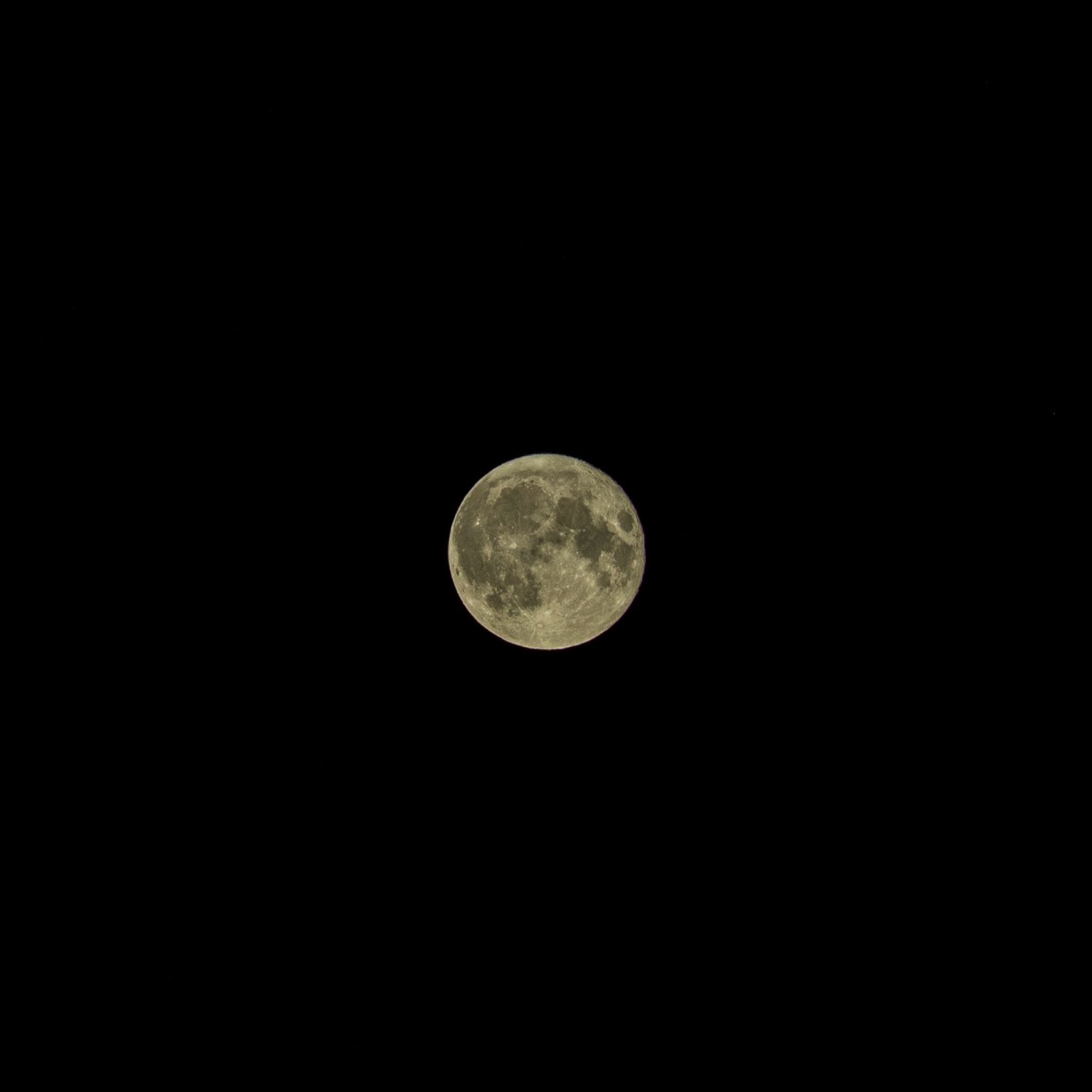
When I returned home, I was able to use my longer lens to get a better close-up view of the supermoon, but by now it had lost its orange colour. Still, it was a beautiful sight as it lit up the night sky. When you are trying to photograph the moon you realise just how bright it is and how quickly it moves across the night sky. Taking photographs gives one a better understanding of the natural world as you have to learn how nature works to take the best photos!
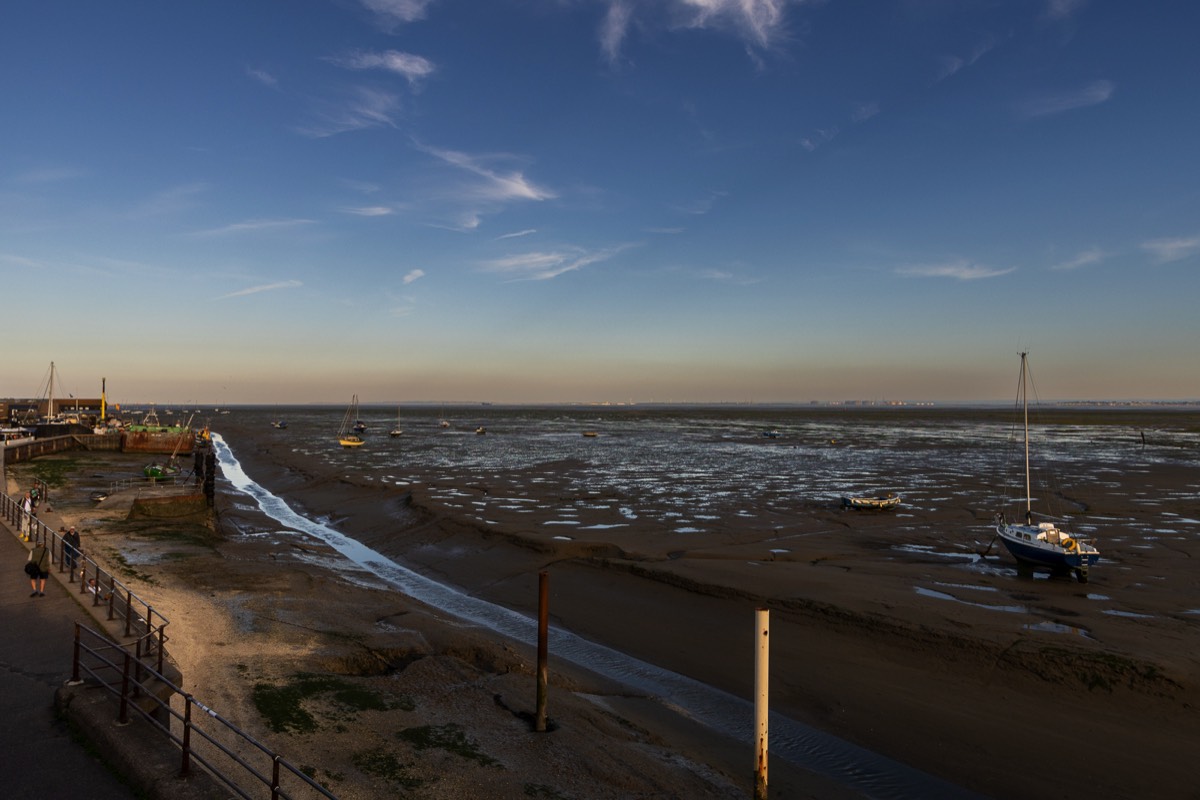
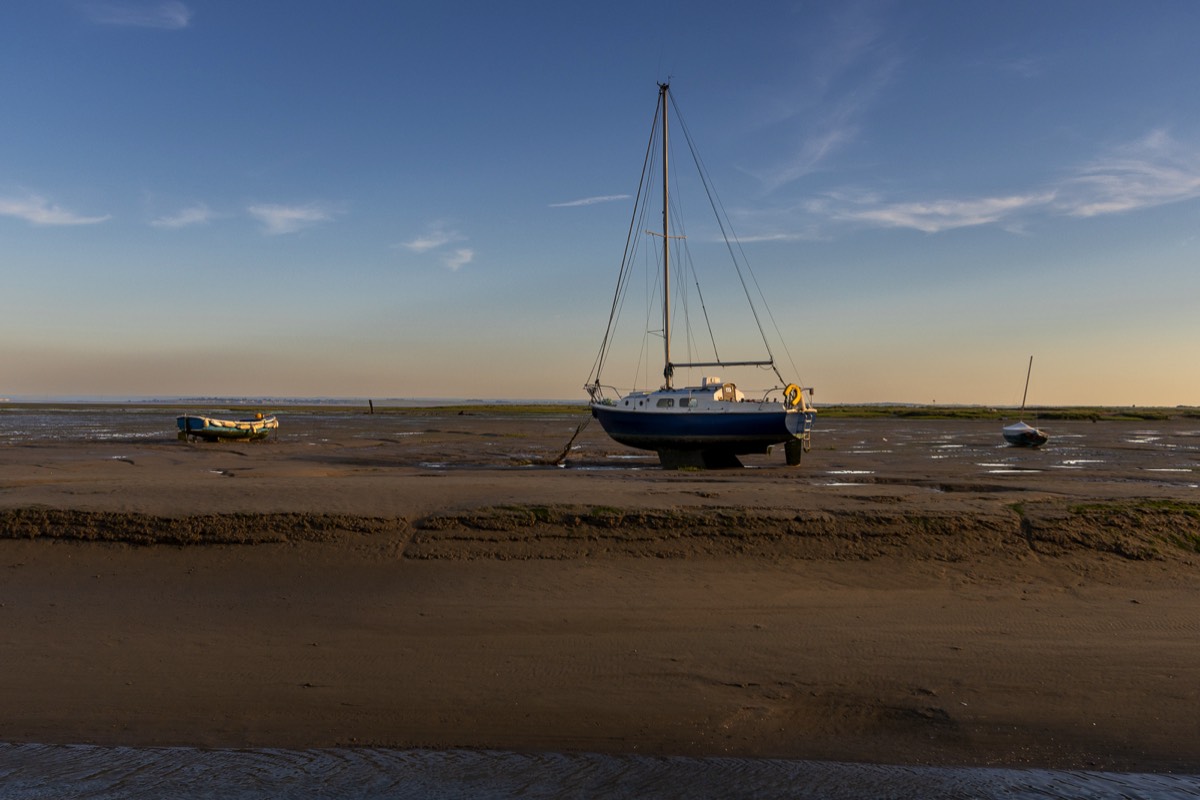
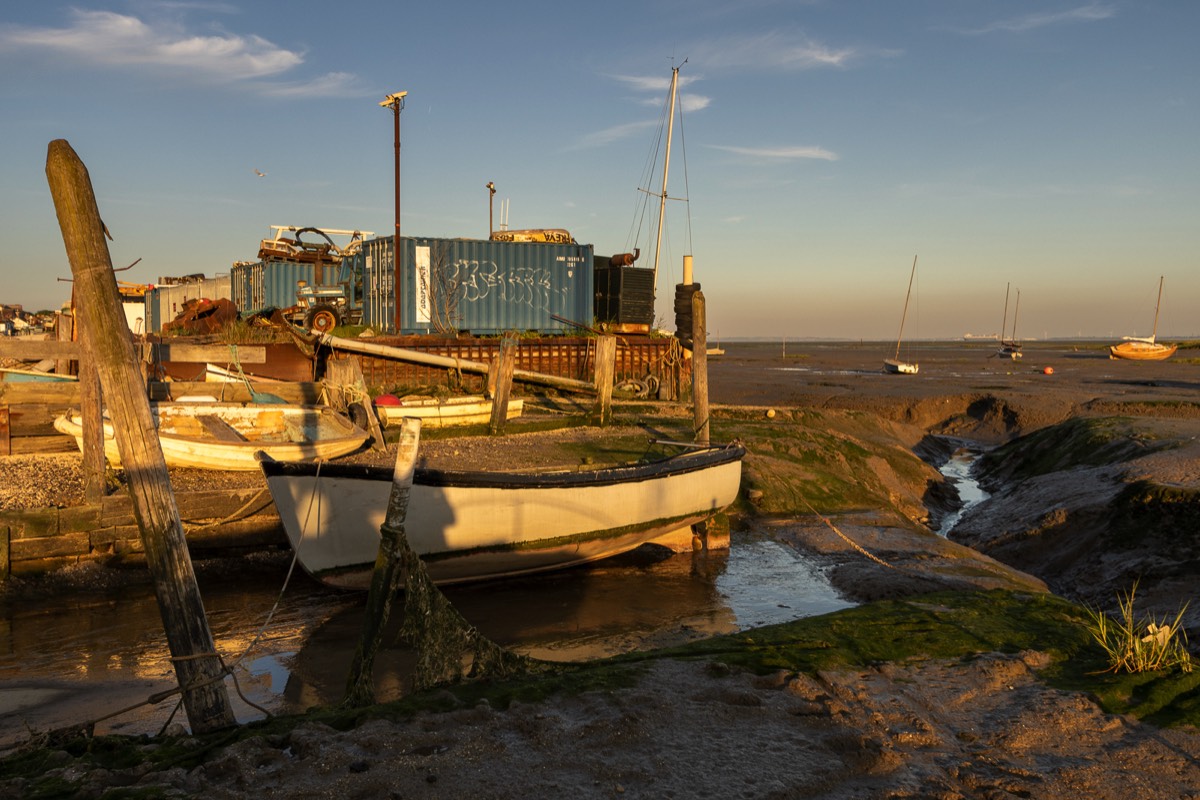
So back to the story of the ships' graveyard… The photo below shows you the view of Leigh-on-Sea when we arrived around 7:30 pm. The tide is out and the mud flats stretched far into the distance. The whole land mass is broken up with ditches and the mud is a clear and present danger. We all wanted to get closer to the ships but soon realised that the mud was too squishy and slippery, and falling over or sinking in the mud were distinct possibilities. So we kept to firmer land and walked towards the boat yard.
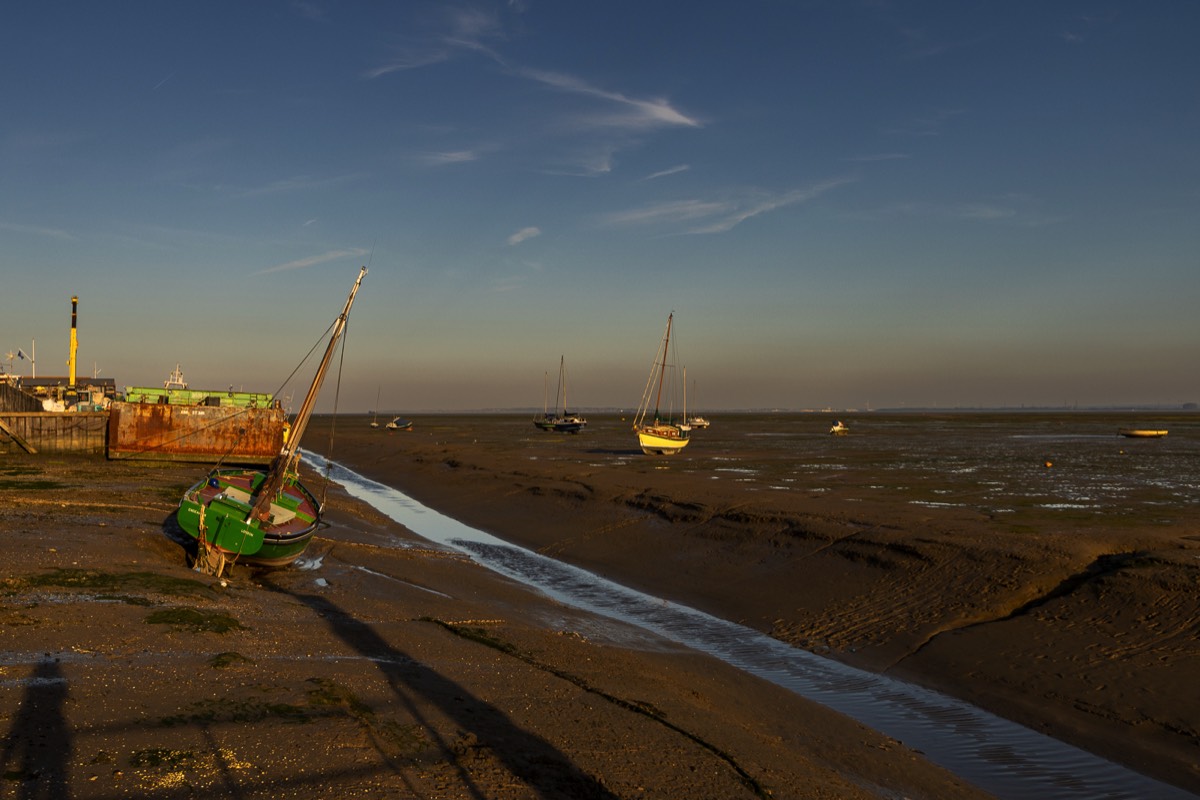
By now the light was changing into that of the 'golden hour' and even the mud takes on a better look.
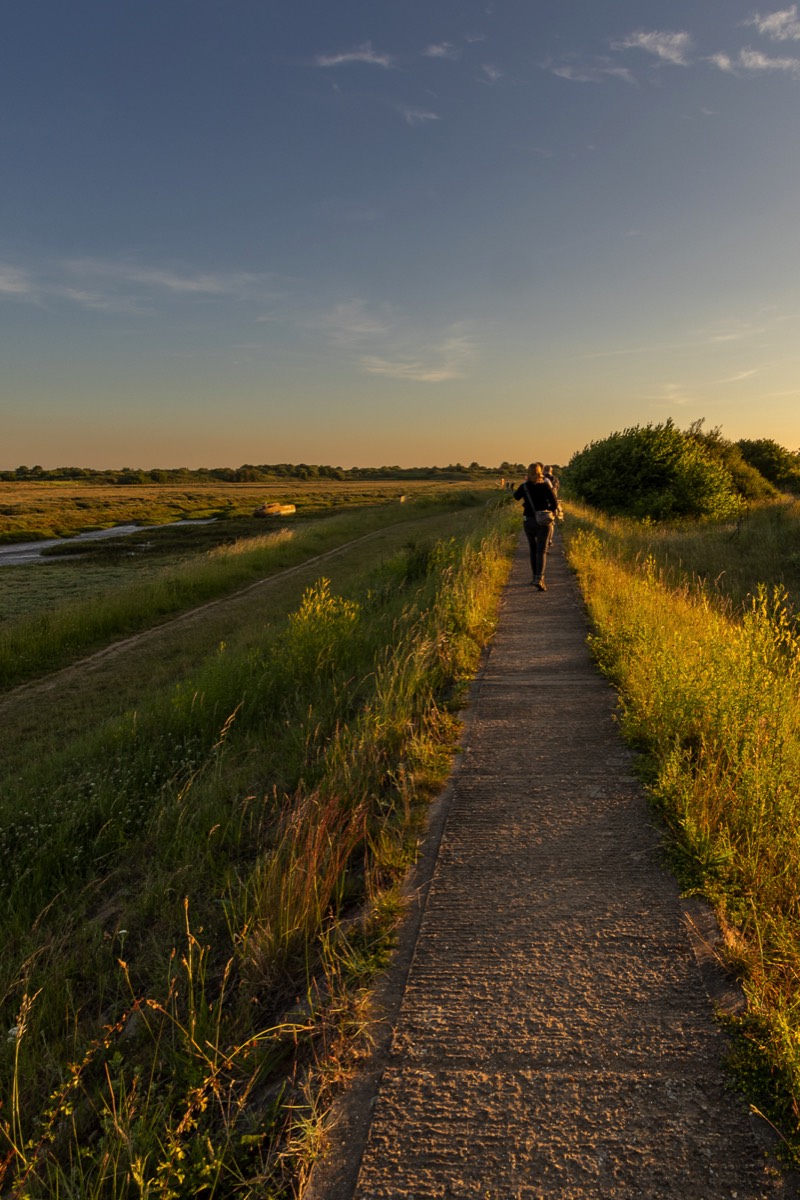
So we continued walking towards Two Tree Island. Much of the land here had previously been a rubbish dump but then nature reclaimed its place and now it is a nature reserve on the edge of the Benfleet and Southern Marshes. Here you might find dark-bellied brent geese, knots, grey plovers, and ringed plovers, and rare salt march grasses.
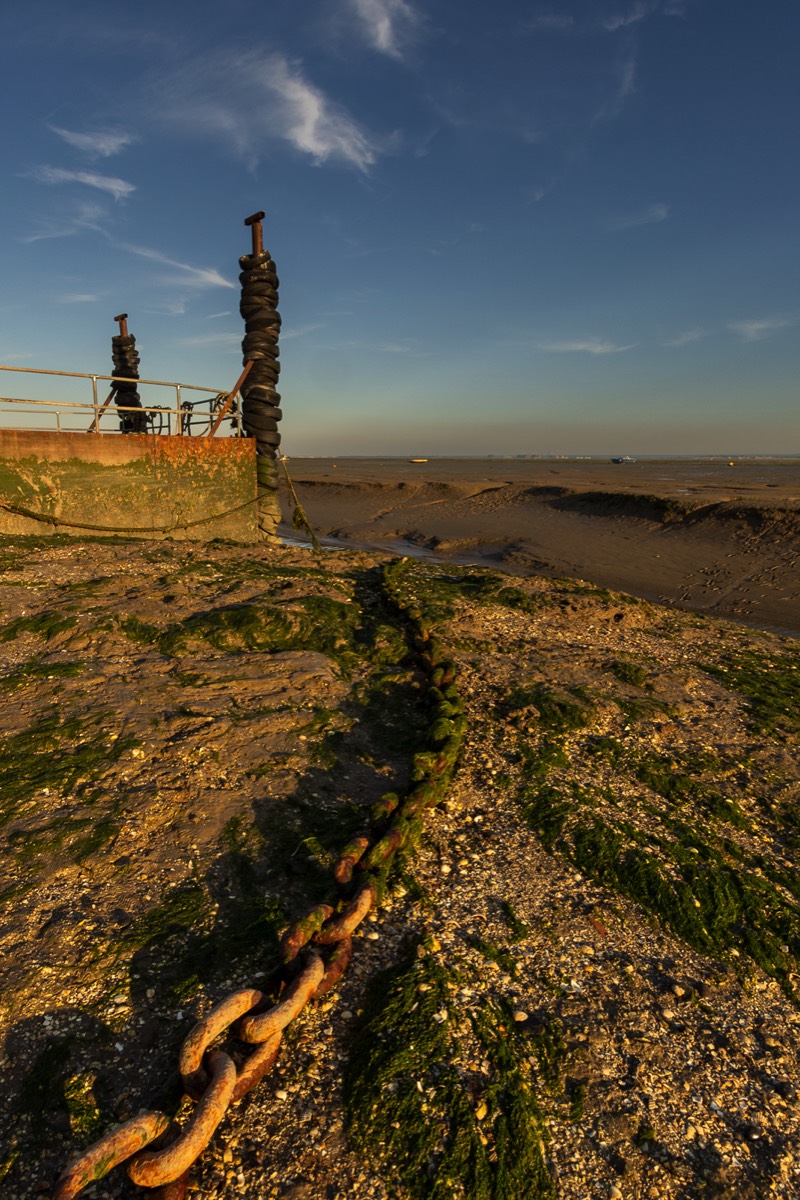
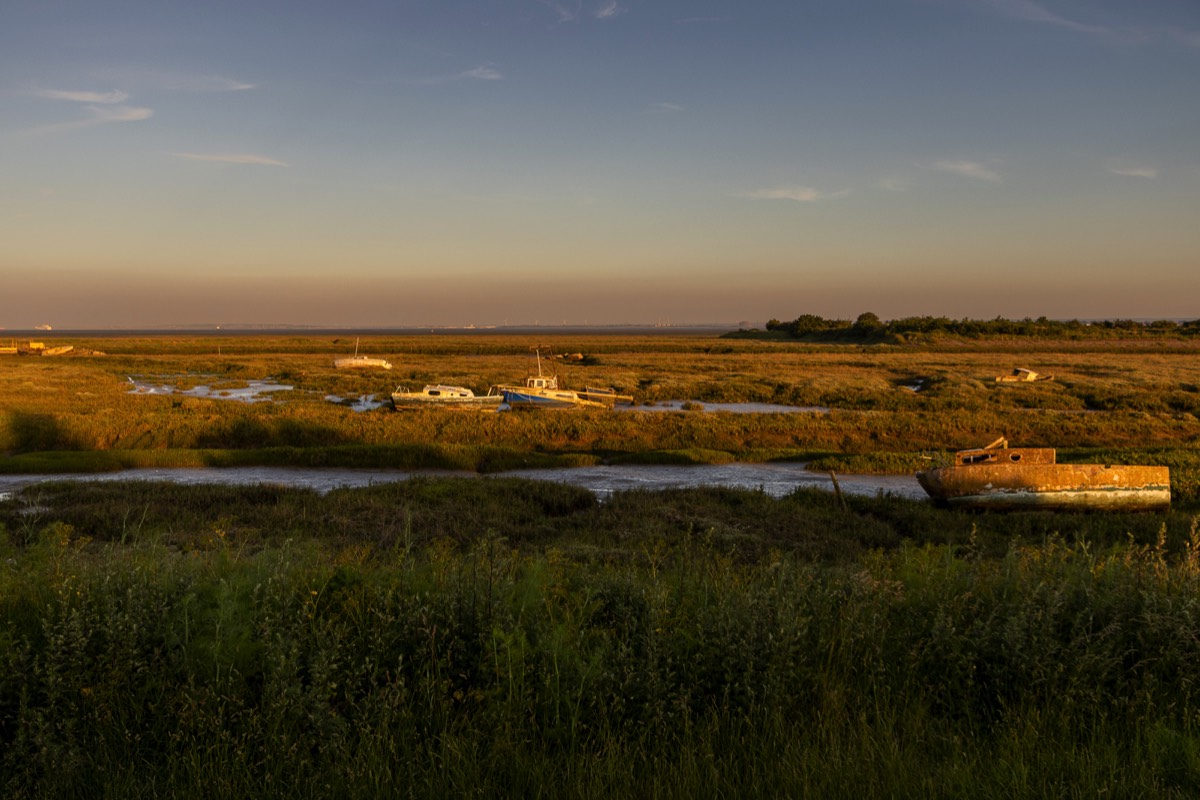
As we walked along the public footpath besides the marshes, we did not see too much wildlife, but we saw plenty of dead ships. We were heading towards the ships' graveyard.
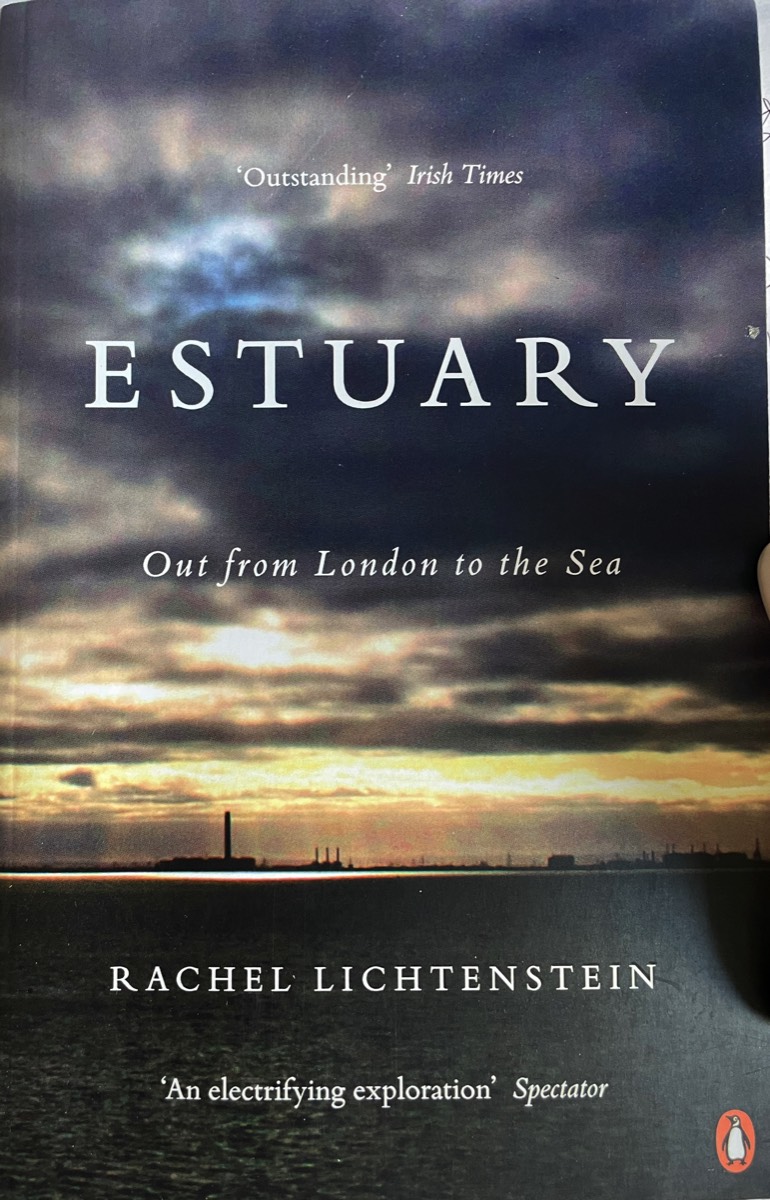
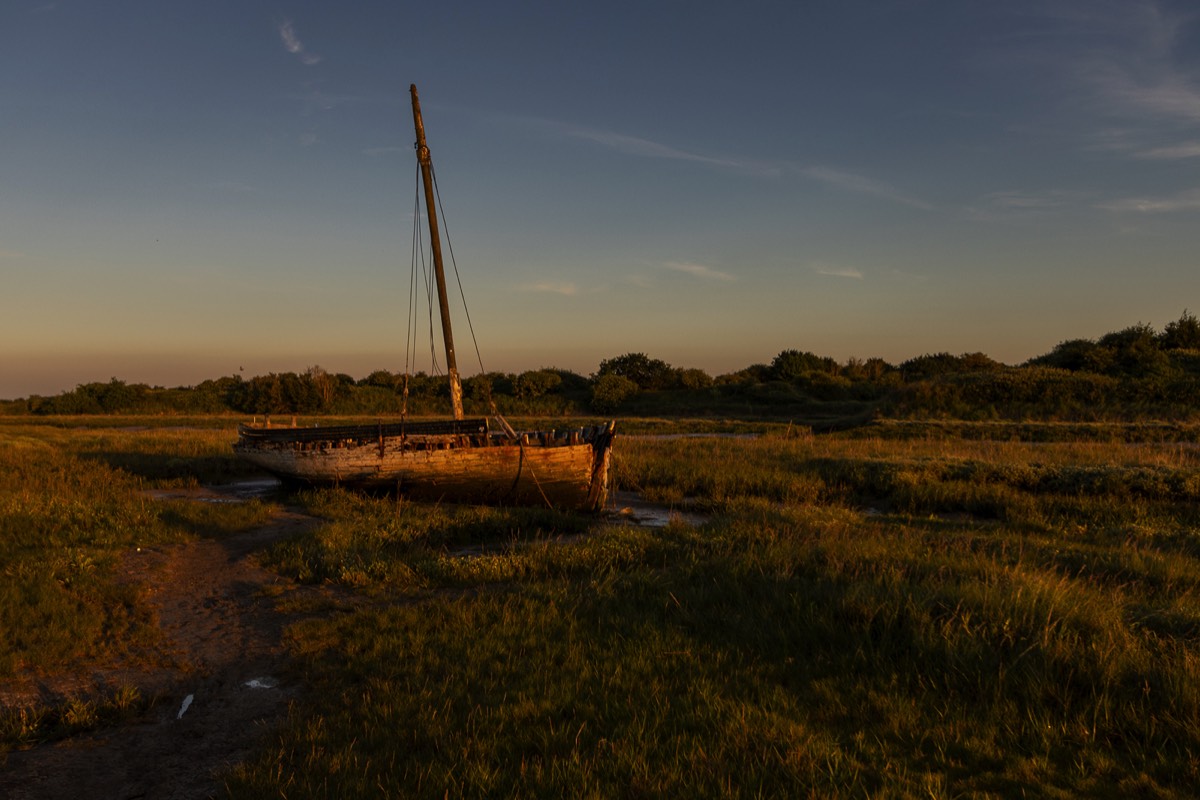
I had not long ago finished reading a book about life on the Estuary and I can thoroughly recommend this for anyone living in this part of the world. The story of this part of the River Thames is a fascinating insight into British history and the people who made/still make their living from the Estuary. Ahead of the next photo we saw a poster telling the story of the 'Graveyard of Lost Species', which compliments the human stories retold in the Estuary book. There is a long-standing tradition of wrecking boats in the salt marshes when they are no longer functional. The wreck in the photo below is of the Souvenir, a 39-foot, 14-ton Thames Bawley, handbuilt in 1933 to serve the local fish trade in Southend-on-Sea. (Please see www.artscatalyst.org and www.yoha.co.uk for more information about this project to use the Souvenir as a memorial.)
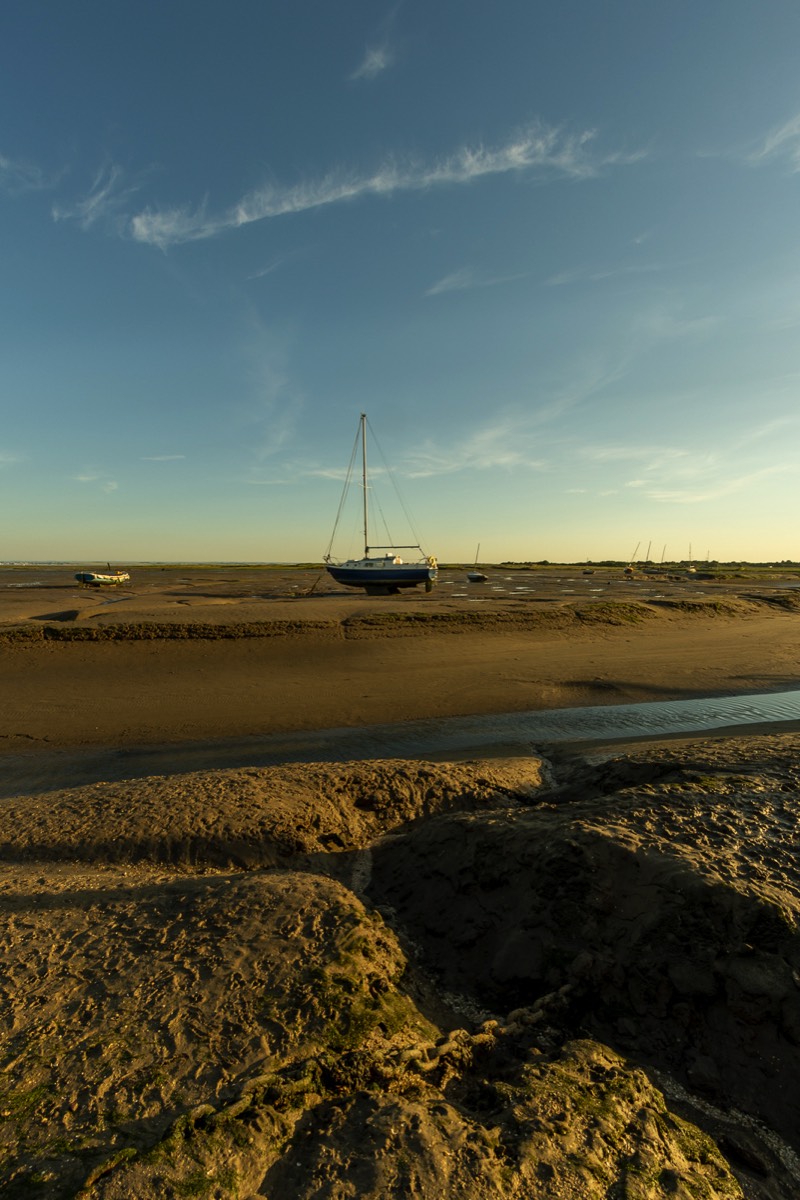
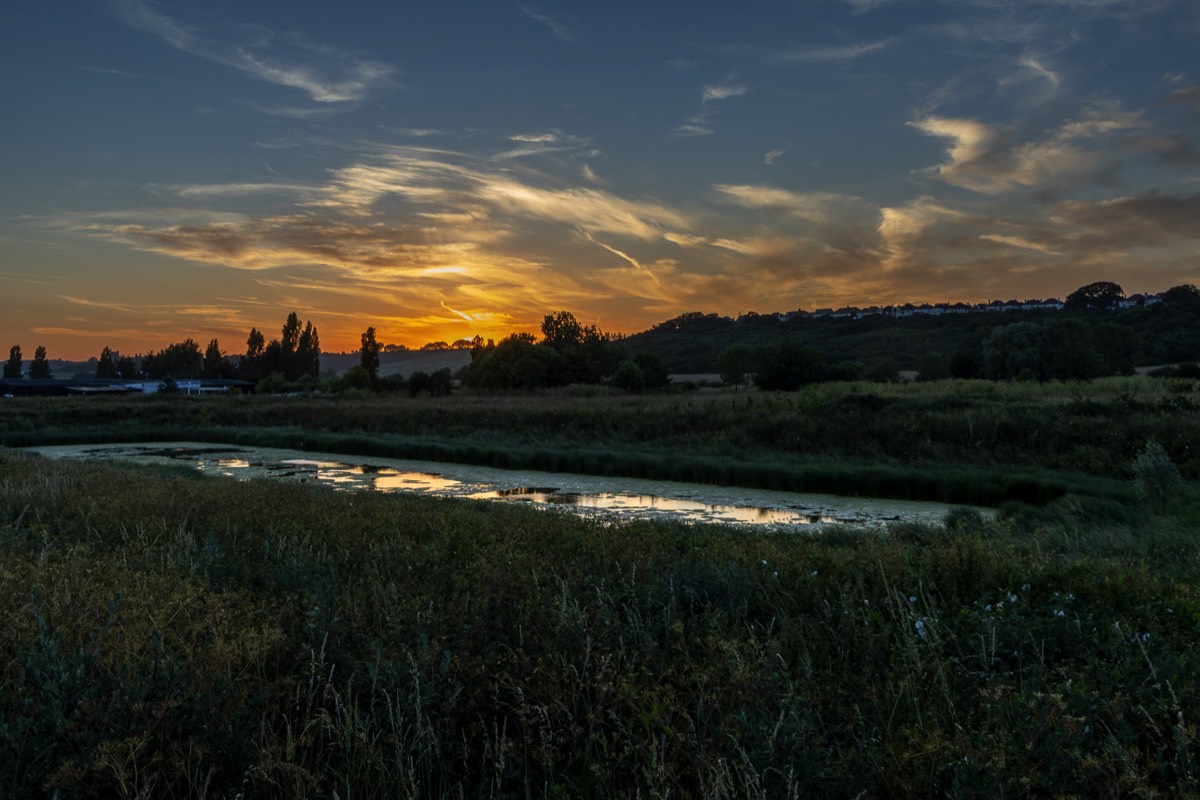
By now the sun was setting and I was time to turn around and head to the pub! But not before taking a few photos of the setting sun.