THE SUFFOLK COAST
14/15TH FEBRUARY 2022
EAST LANE, BAWDSEY
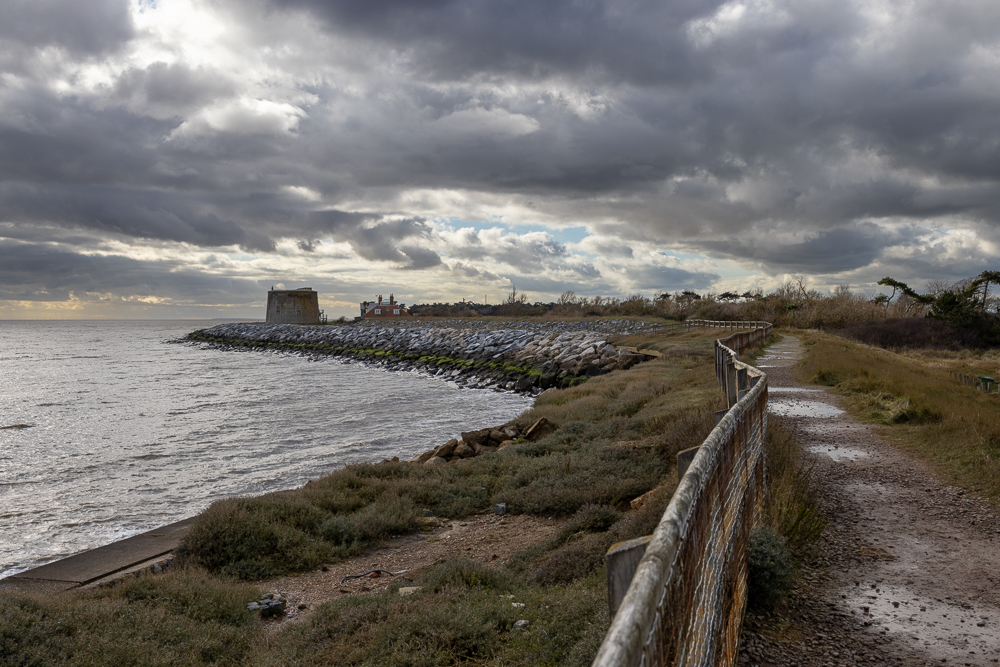
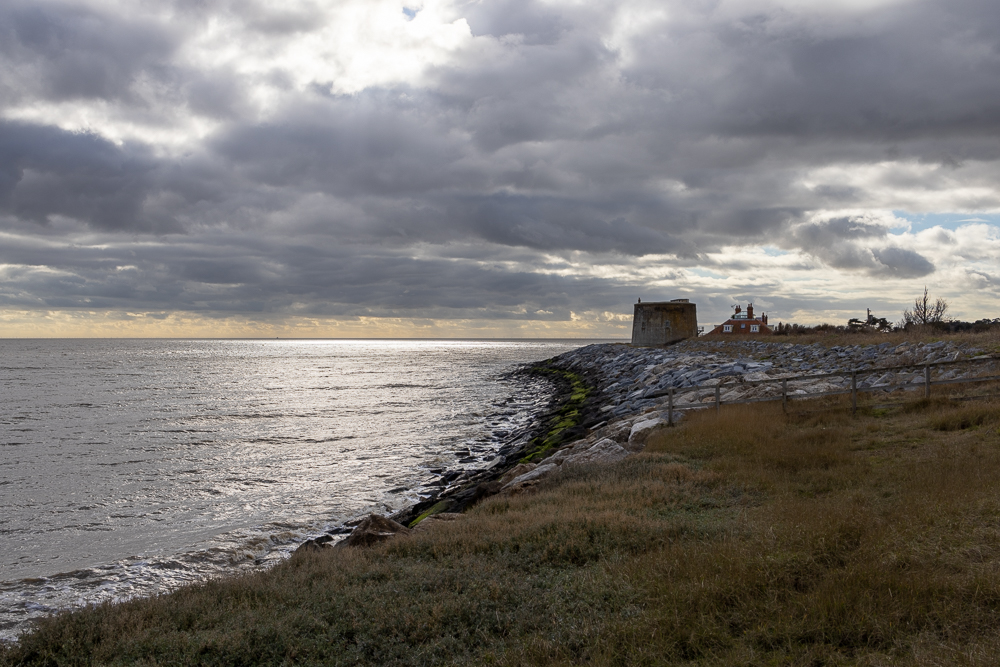
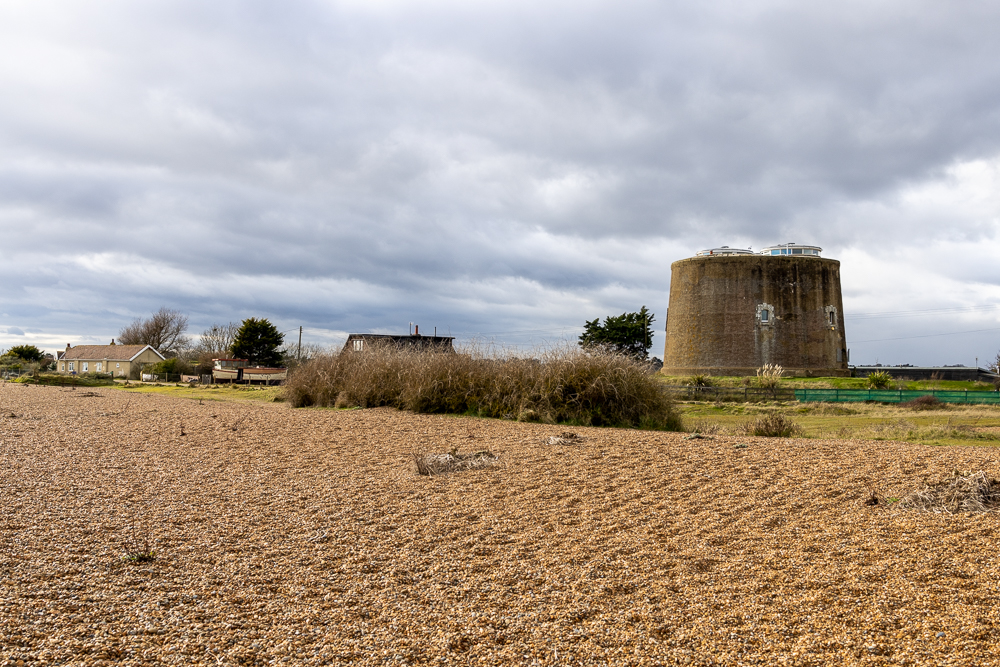
The English coastline is dotted with remnants of past wars. And here in Suffolk we saw two of the 103 Martello towers which stretch from Suffolk to Sussex. Back in 1803, the French emperor Napoleon was threatening to attack southern England. These Martello towers were built to detect and protect these possible invasion sites, and some remain standing today. The walls of these gun towers are 3 metres thick, so that no cannon ball could penetrate the building. The helpful information board here told us that the Martello towers were manned by a commanding officer and 30 men, waiting throughout the Napoleonic wars for the invasion, which never happened.
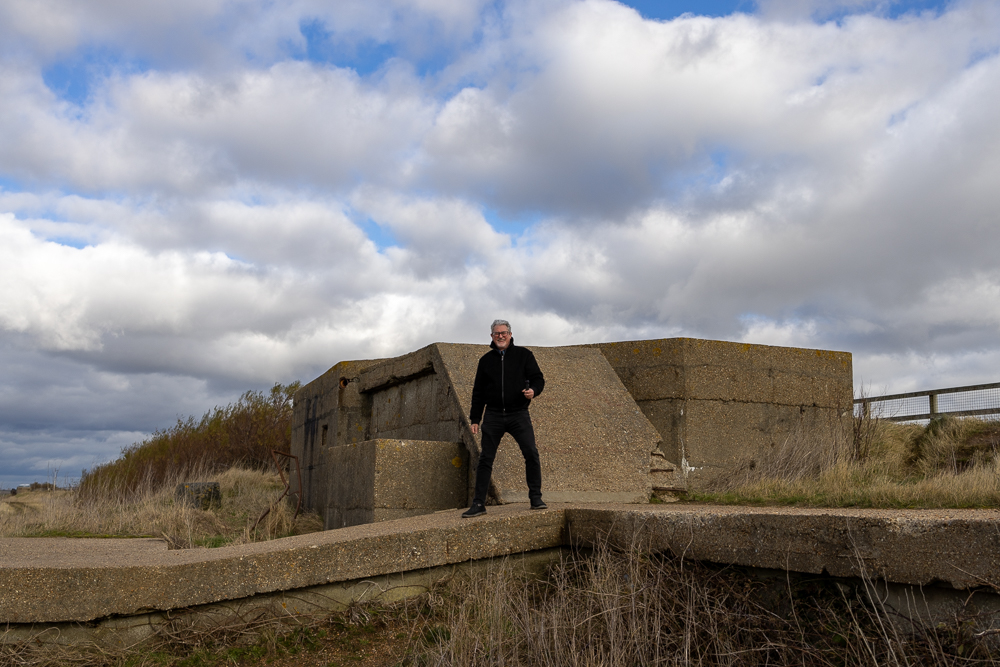
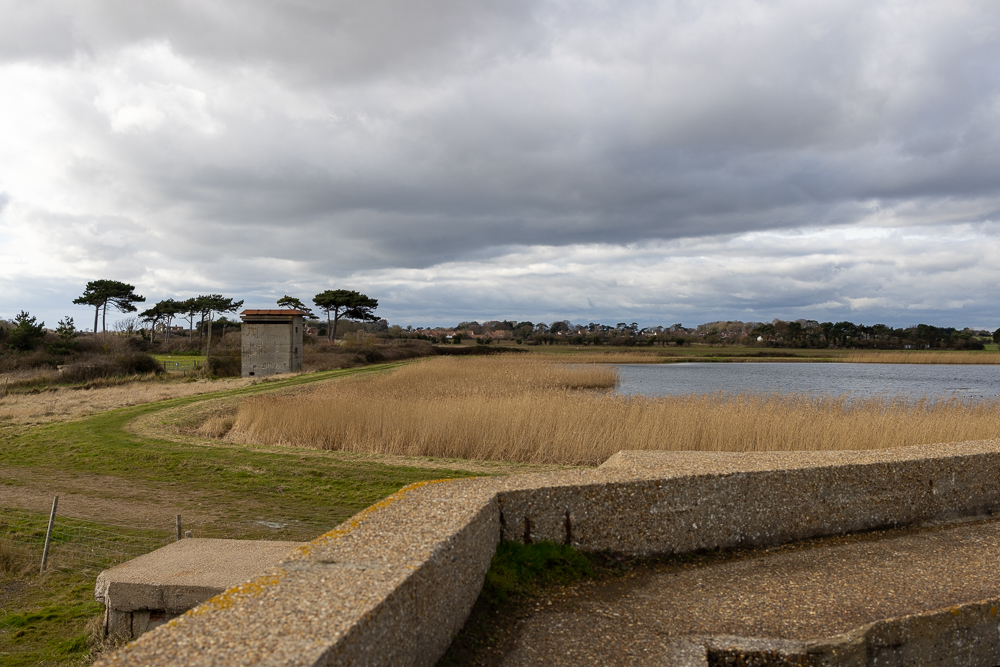
In the opposite direction to this Martello tower (i.e., facing north) were remnants of the more recent coastal defences from World War 2.
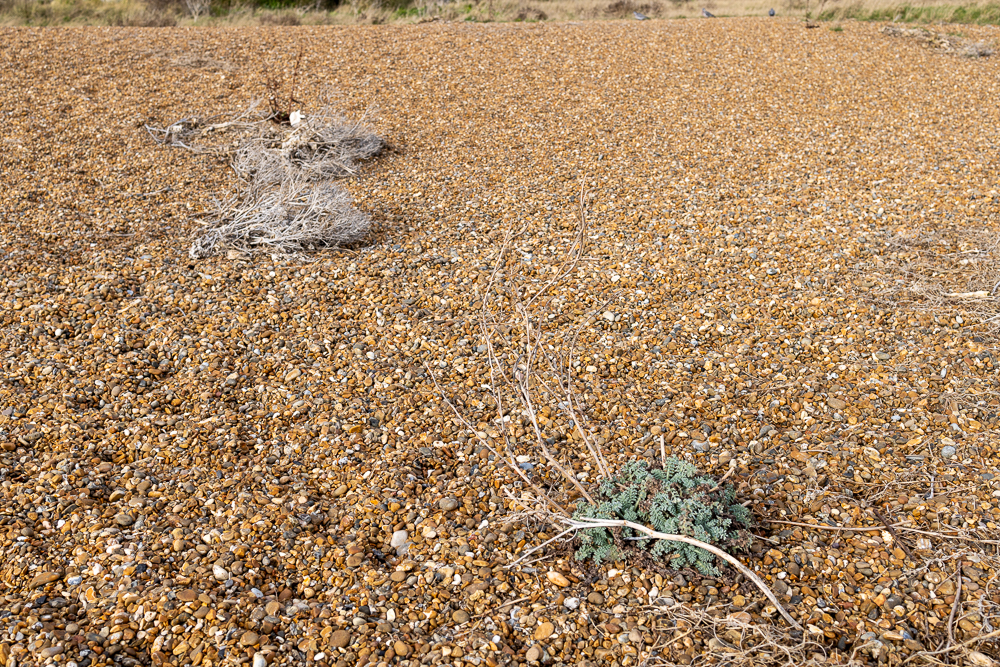
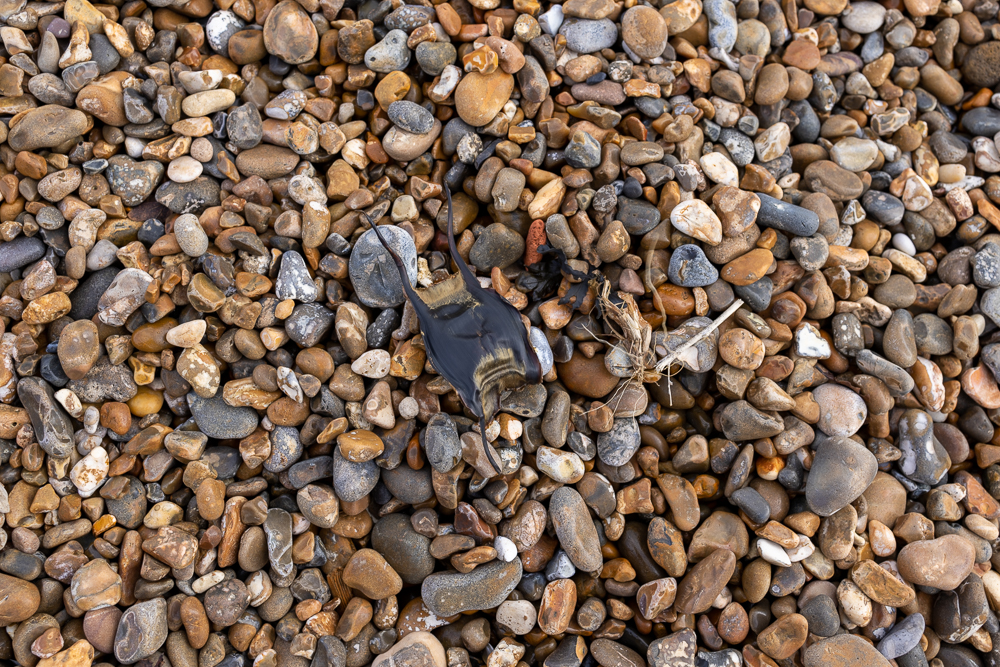
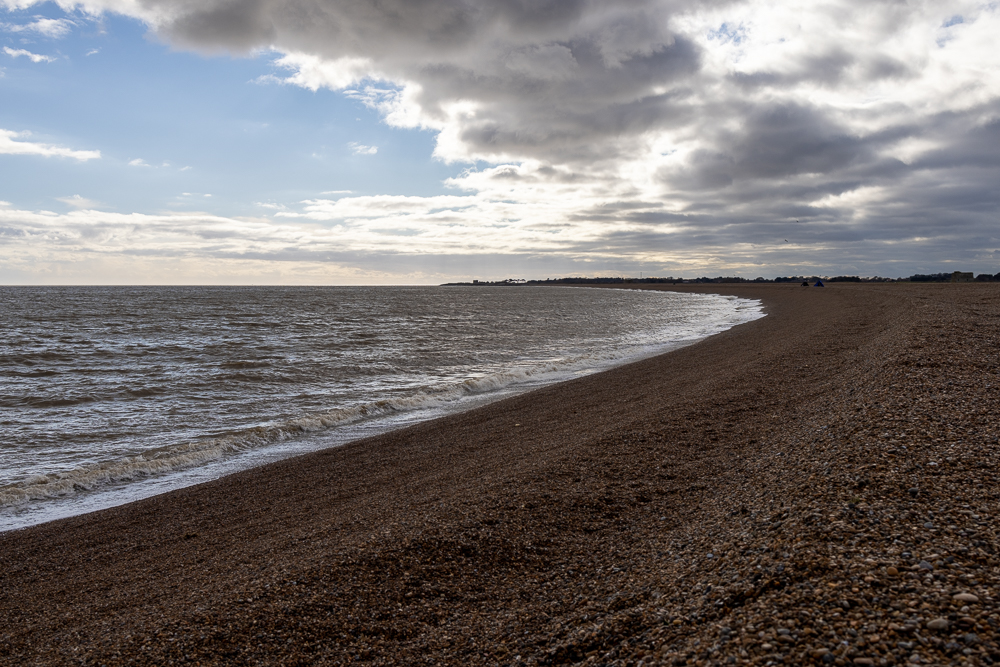
shingle street
It was too muddy for us to continue walking along the coastal path, so we drove back inland and further up the coast to the next Martello tower at Shingle Street. I believe you can actually stay in this particular tower; that must be some experience! We drove along single lane farm roads dotted with small communities in the middle of nowhere. Suddenly it felt similar to our explorations in Malaysia where we drove around remote coastal areas, not knowing what to expect around the next corner.
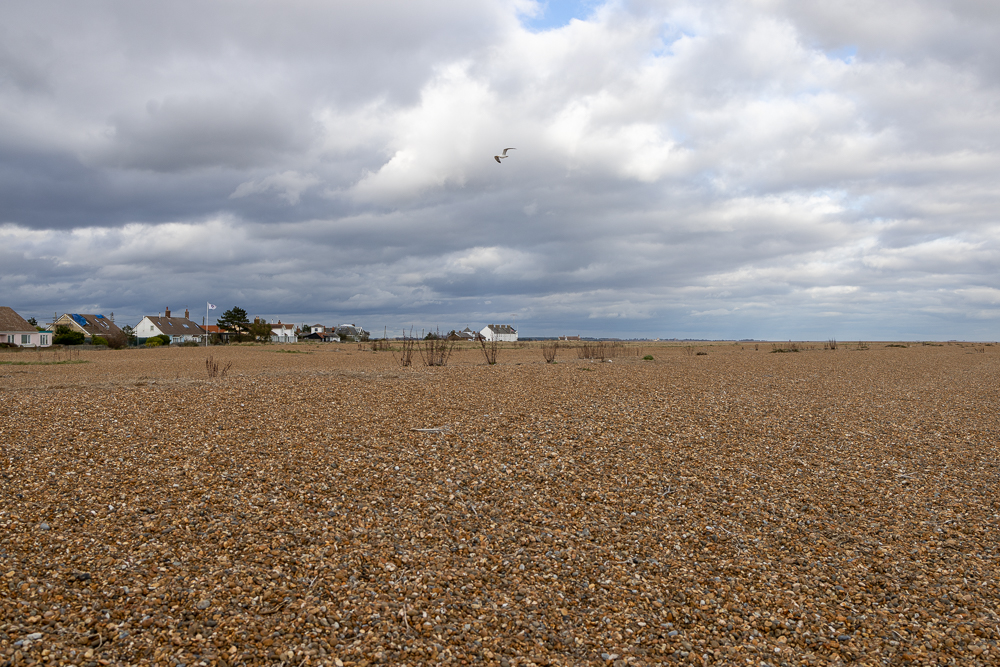
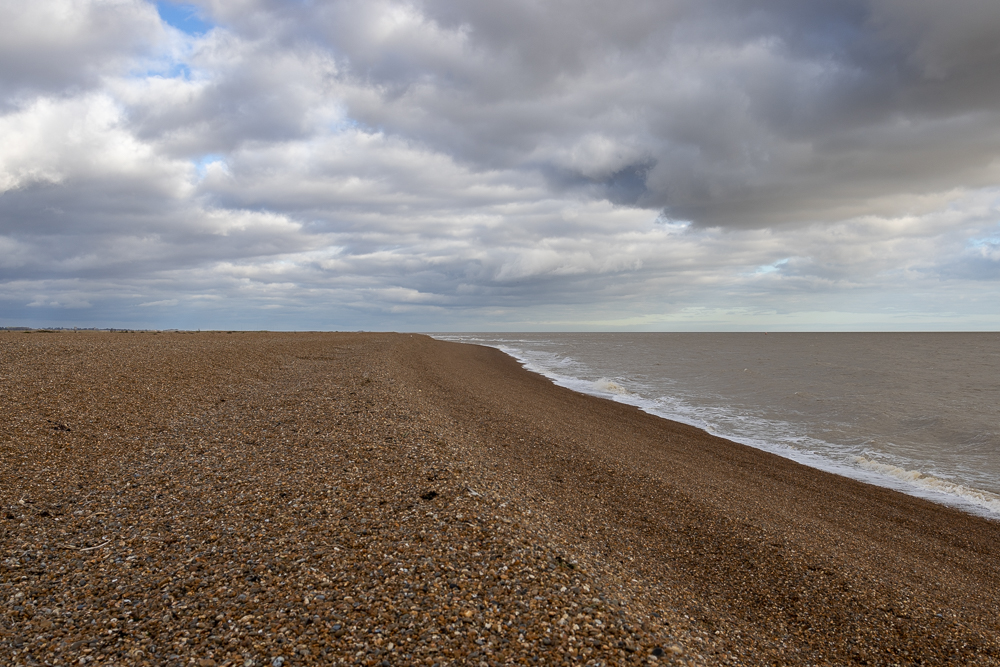
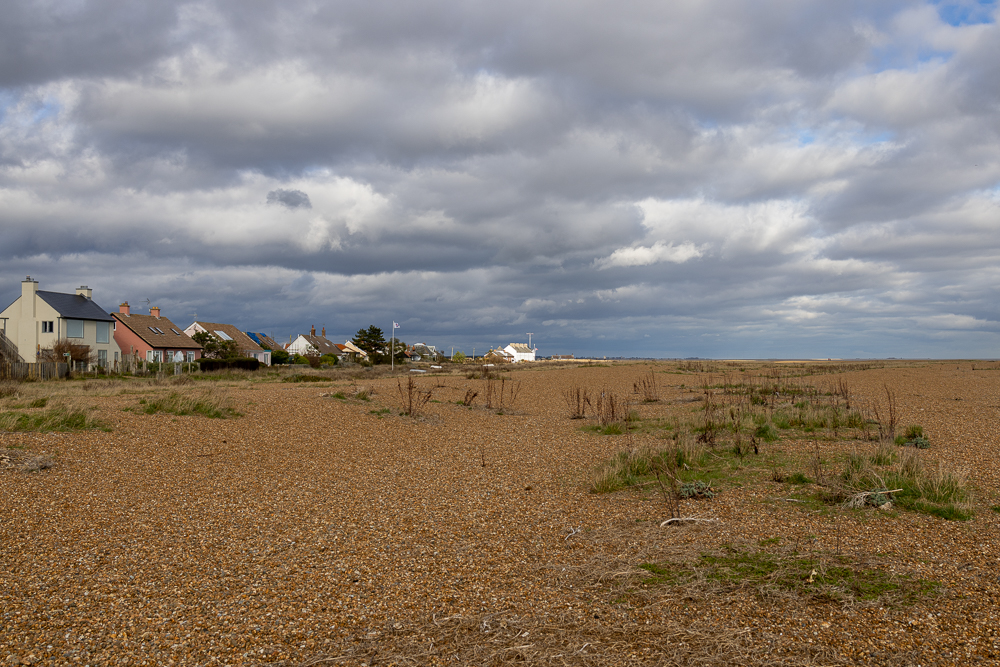
A community of fishermen, river pilots, excise men, and coastguards have lived on this remote shingle ridge since the 1870s. Smuggling was particularly rife at that time. Today on Shingle Street the wind was howling and it was threatening to rain and we wondered what made people stay here today?
The final surprise was something I had read about but never seen… a telephone box library. With the decline in the use of public telephone boxes for making phone calls, they have been repurposed to continue to benefit the local community. Just take a book, bring it back later, and/or add another book you have finished reading.
St Botolph's Church, Burgh
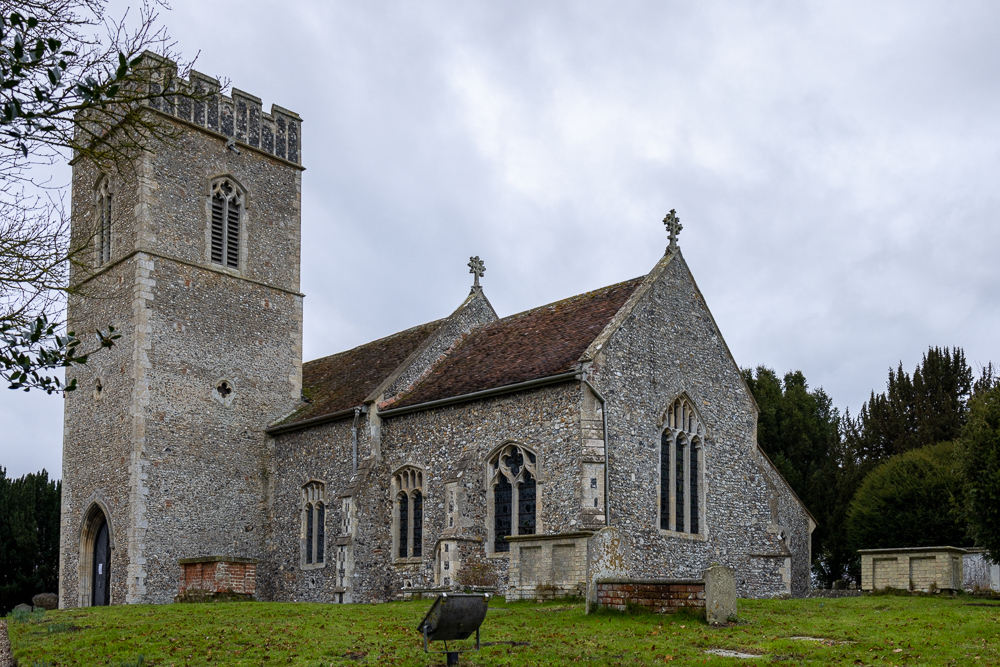
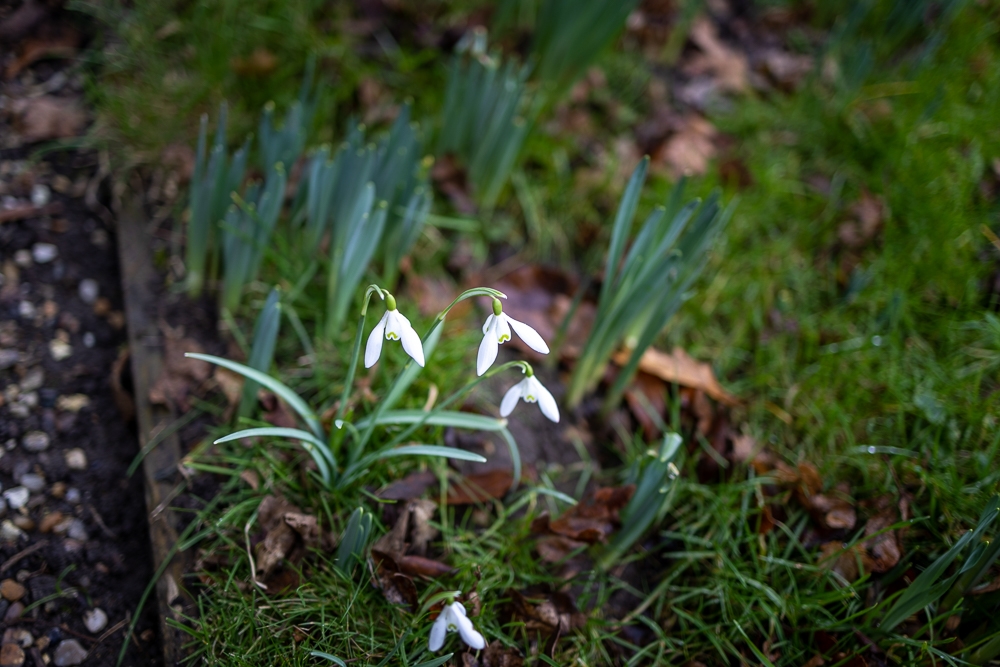
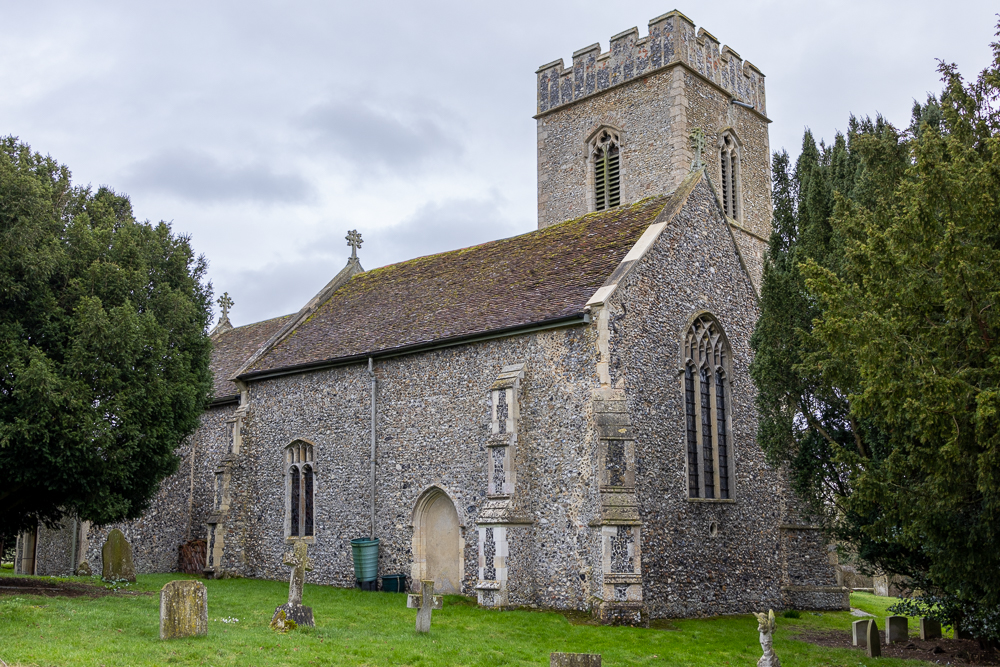
Despite the remoteness of this part of Suffolk, there seemed to be an extraordinary number of churches dotted around the landscape. This one sits on a little mound, believed to be the foundations of other structures from the Roman era. I believe that the current church dates back to the 13th century, but sadly it was locked and we were unable to look inside for more information. But I did enjoy walking around the graveyard which was dotted with clumps of delightful and delicate snowdrops.
seckford hall hotel, woodbridge
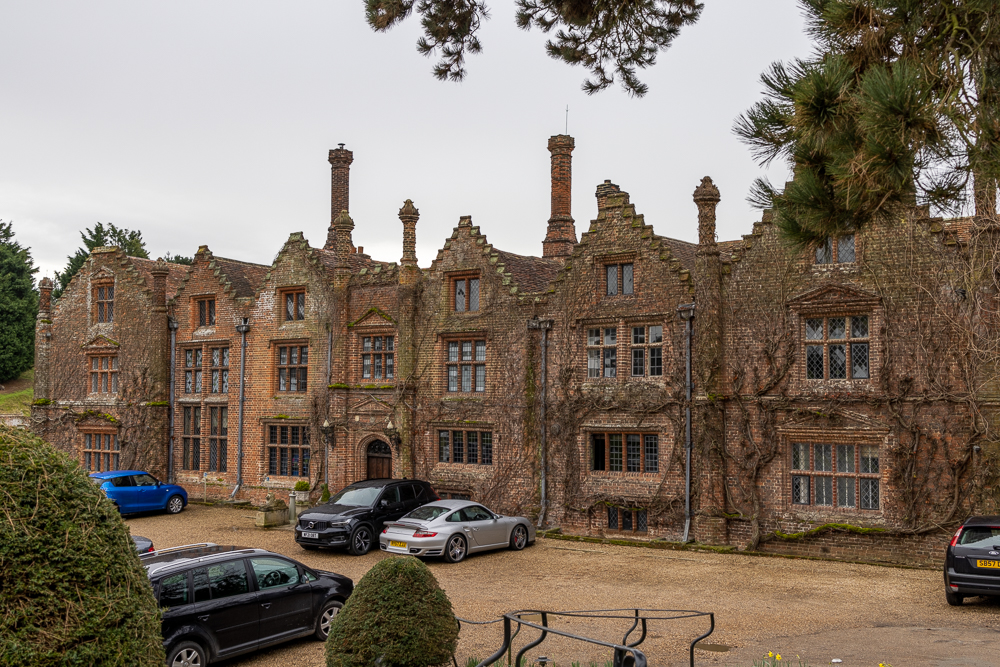
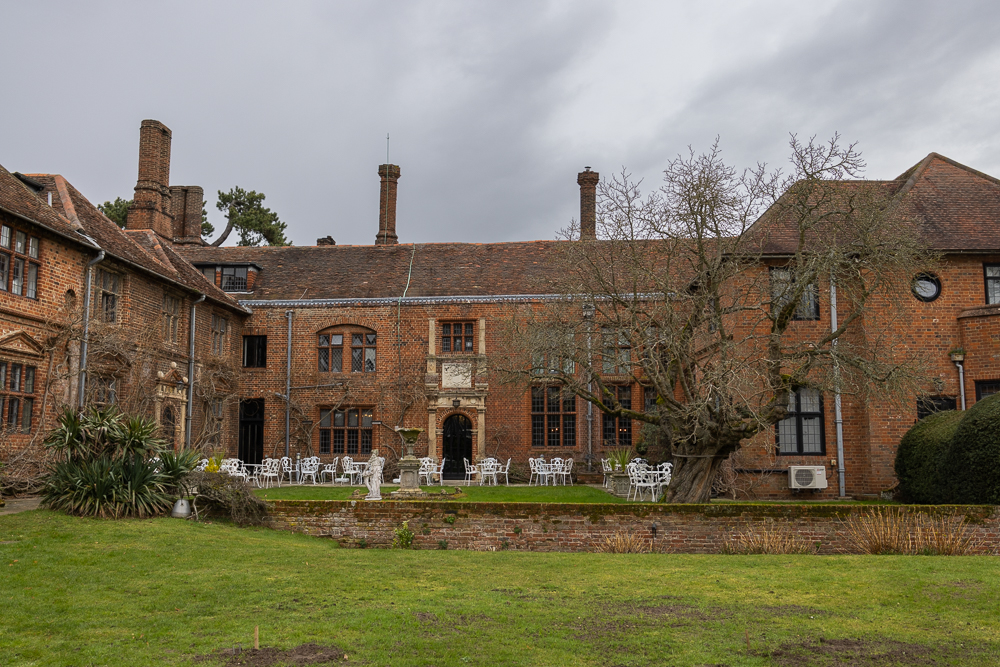
We stayed overnight at this charming hotel, which reaked of history. This is a Tudor period house, near Woodbridge. The hall was constructed in the 1530s as the family home of Thomas Seckford, who was a senior lawyer at the court of Queen Elizabeth I. The Seckford family had many named Thomas, but this one had quite a challenging time staying on the right side of whatever religious beliefs were required by the reigning monarch at that time. The building was extensively restored and modernised in 1946, often using interior fixtures from war-damaged homes of a similar period.
aldeburgh
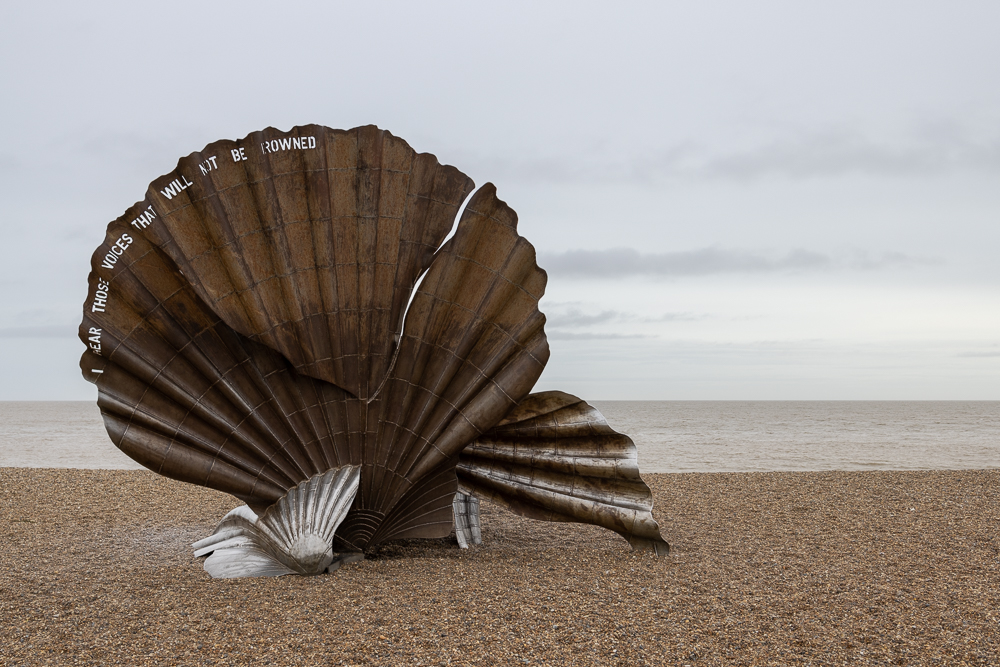
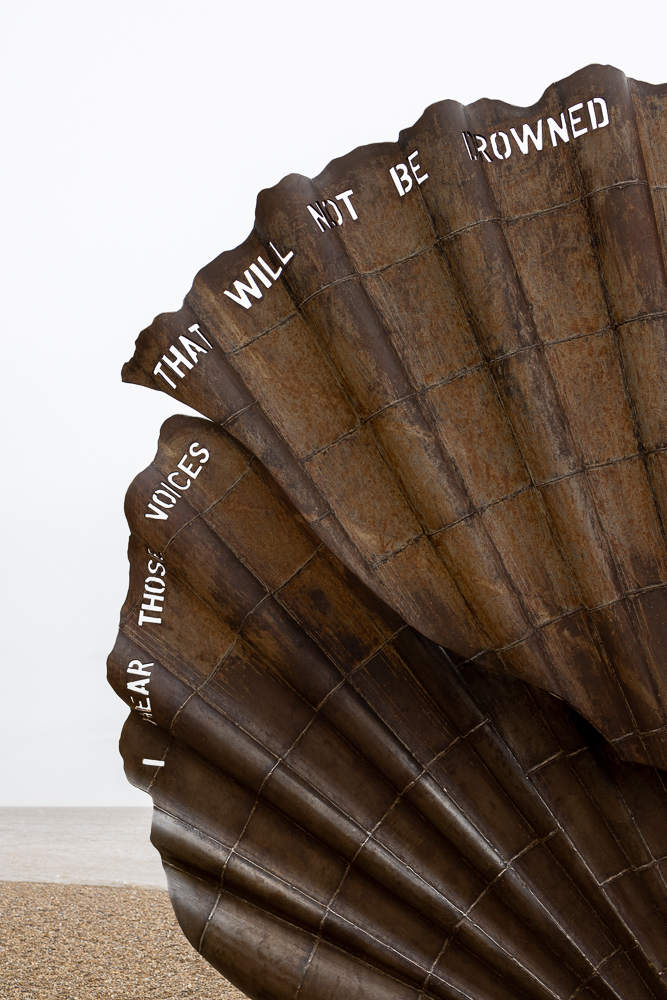
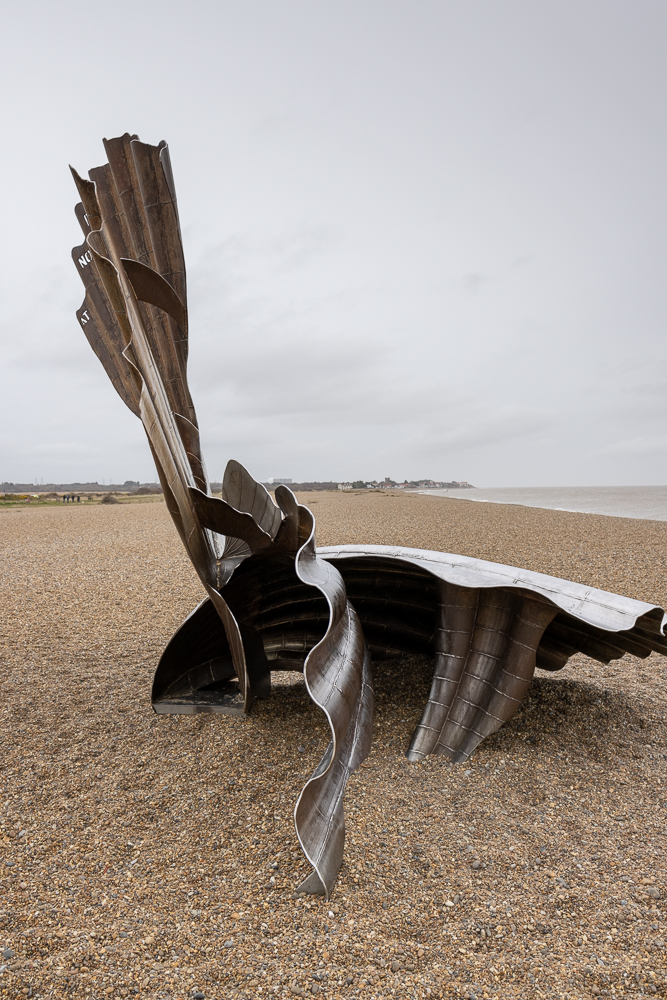
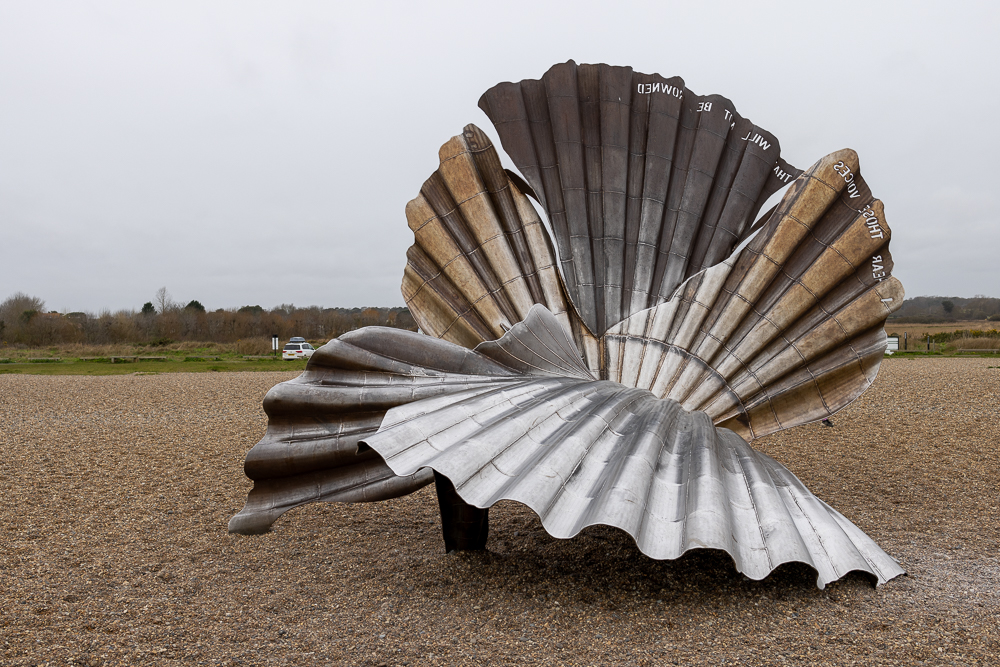
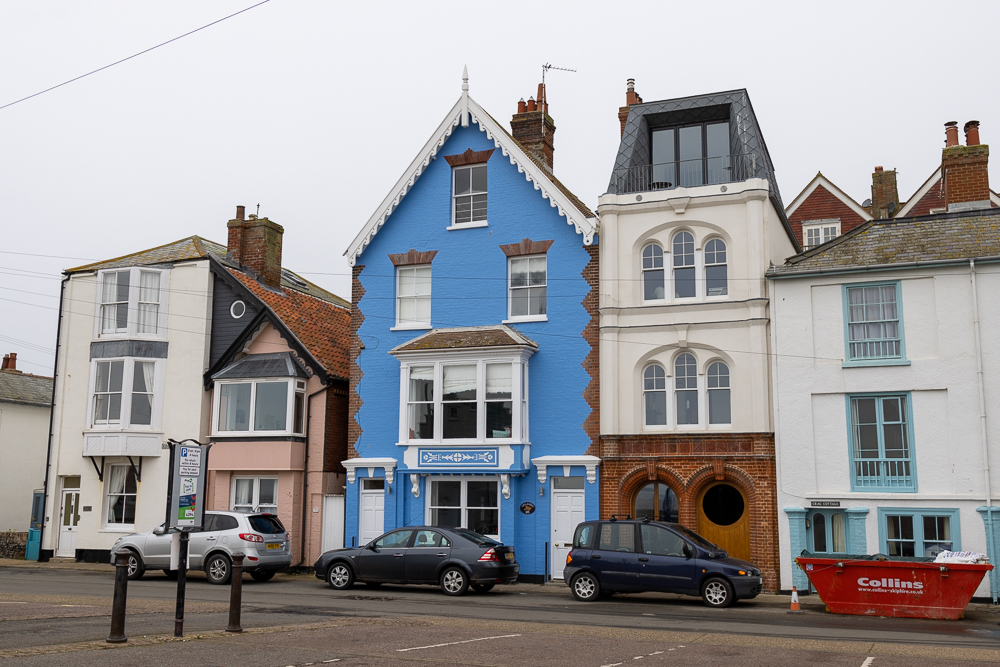
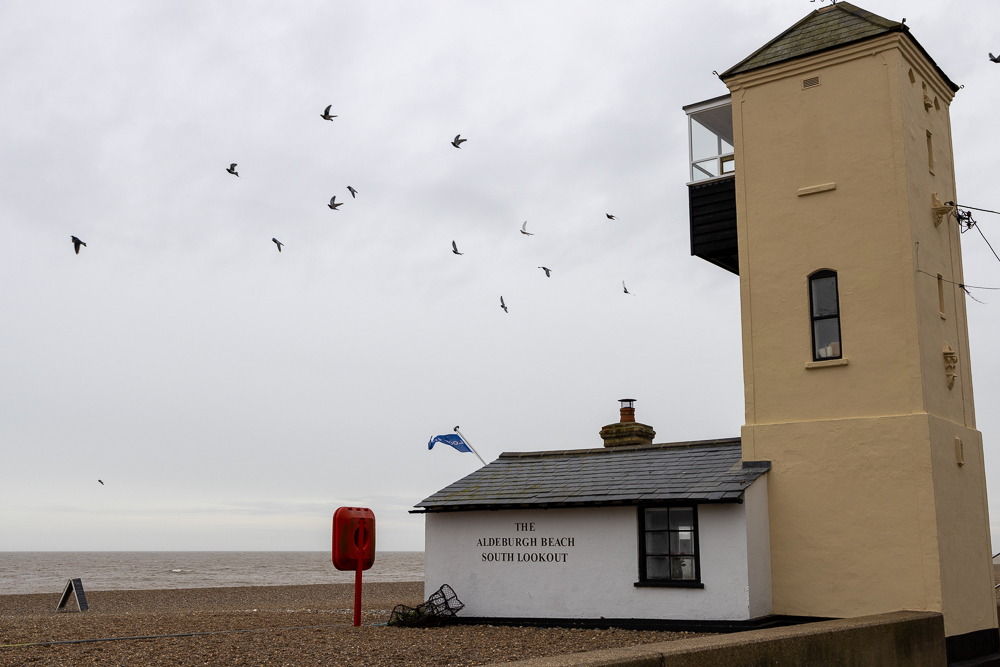
Today the sky looked ominous so we drove north to the coastal town of Aldeburgh. We parked near the Scallop sculpture on the beach and battled the cold wind to take a closer look. This is a 4-foot high steel sculpture designed by Maggi Hambling. It was unveiled in 2003 as a tribute to the composer Benjamin Britten who spent much of his life in Aldeburgh. We searched for a hot drink in the town and then decided we'd have to return when it was a little warmer! We went home, soaking wet, with a delicious smoked fish tart from the shack on the beach.