Exploring the Outer Hebrides
16th to 29th September 2022
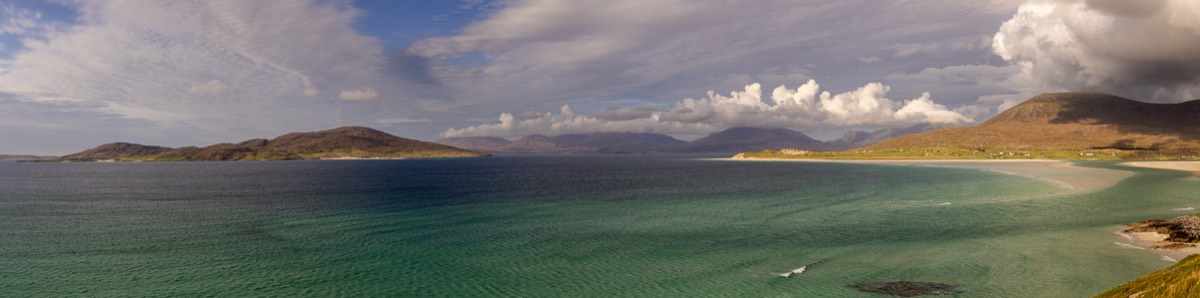
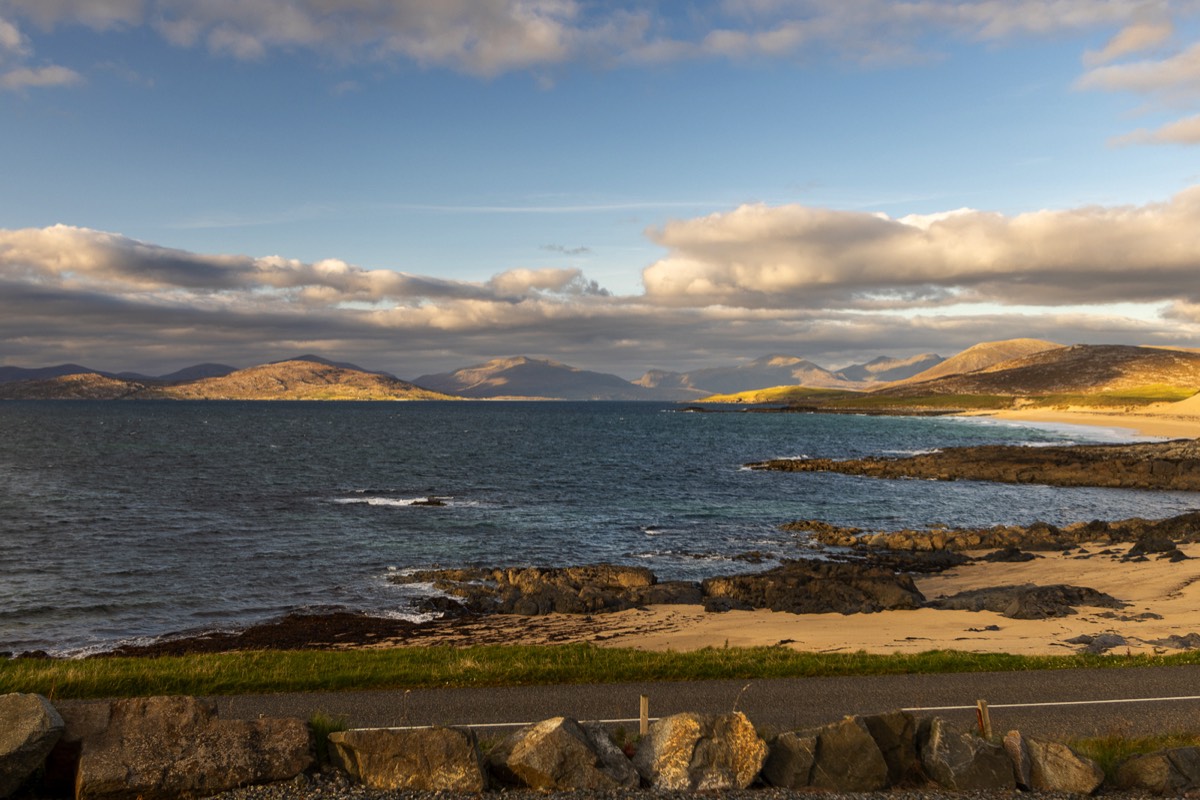
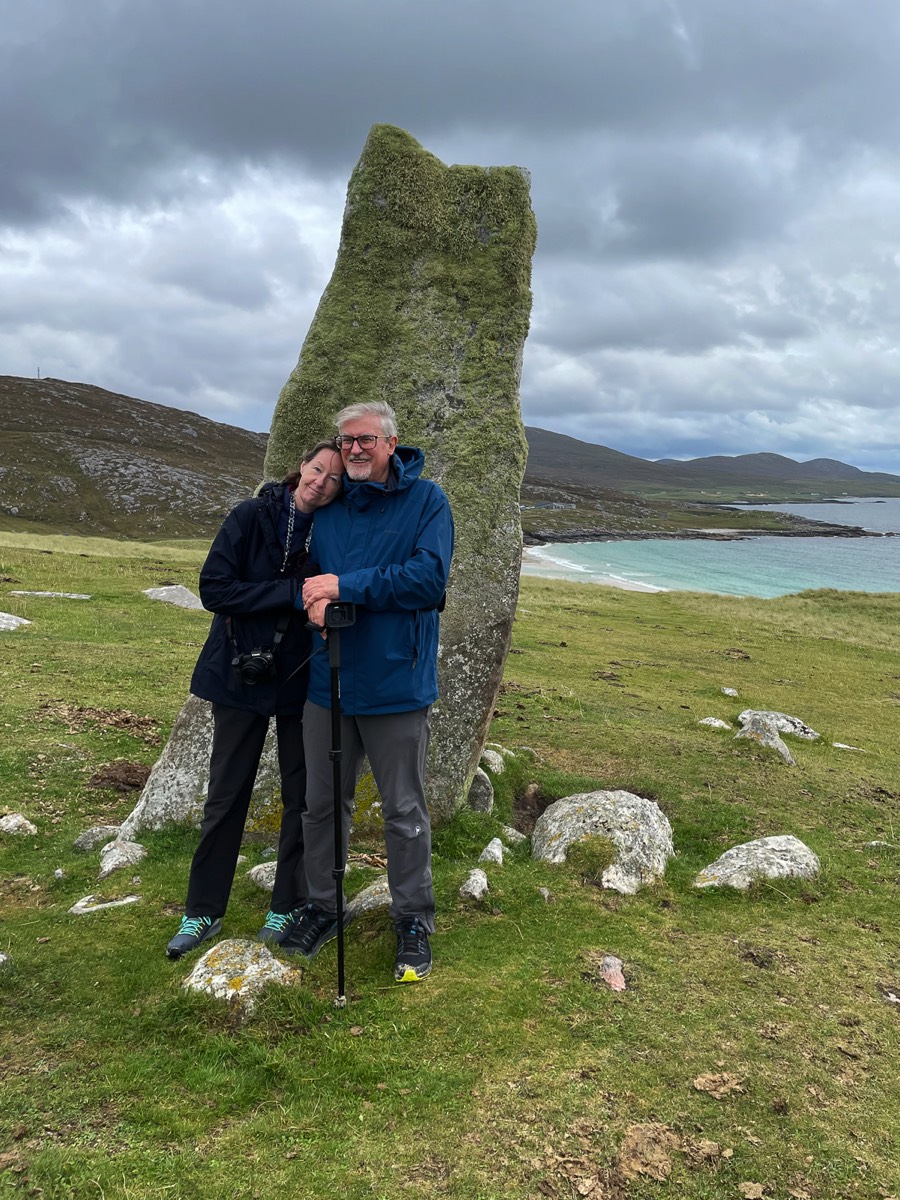
In 2015, my twin sister moved to the Isle of Harris to retire there with her husband, and this was our first opportunity to go and visit them. Like 60% of the current population of Harris, they are foreigners to this land. The photo above of the beach at Seilebost is something you might find on the Isle of Harris tourism website. It shows the white sandy beaches with turquoise blue seas and a bright blue sky. Well in the month of September, such colours were rare and we woke up most mornings to grey skies and rain.
The Outer Hebrides are a hundred-mile long string of islands off the west coast of Scotland. We travelled around the Isle of Harris and its big brother Lewis to the north. And then journeyed south down and back up the Uists before heading home across the Isle of Skye. All the while the environment and the impact of the weather made us ask one question: why people chose to live in this remote, and mostly inhospitable, part of the world? So rather than present this journey as a travelogue, I thought I'd read up about the history of the region and use my photographs to try and tell a story about the Outer Hebrides and their history that was never (is never) taught in English schools.
Much of the information I will present comes from the following books about Harris (HARRIS - In history and legend, Bill Lawson, 2002) and Lewis (LEWIS A history of the island, Donald MacDonald 1978). I have not yet read up specifically on Berneray, North Uist, Benbecula, South Uist or Eriskay, but I think they all tell a similar story. This is a case where reading about the islands after visiting them made much more sense than reading them before I went. You really do have to go there to experience their uniqueness and then do some reading to help understand what you saw and experienced.
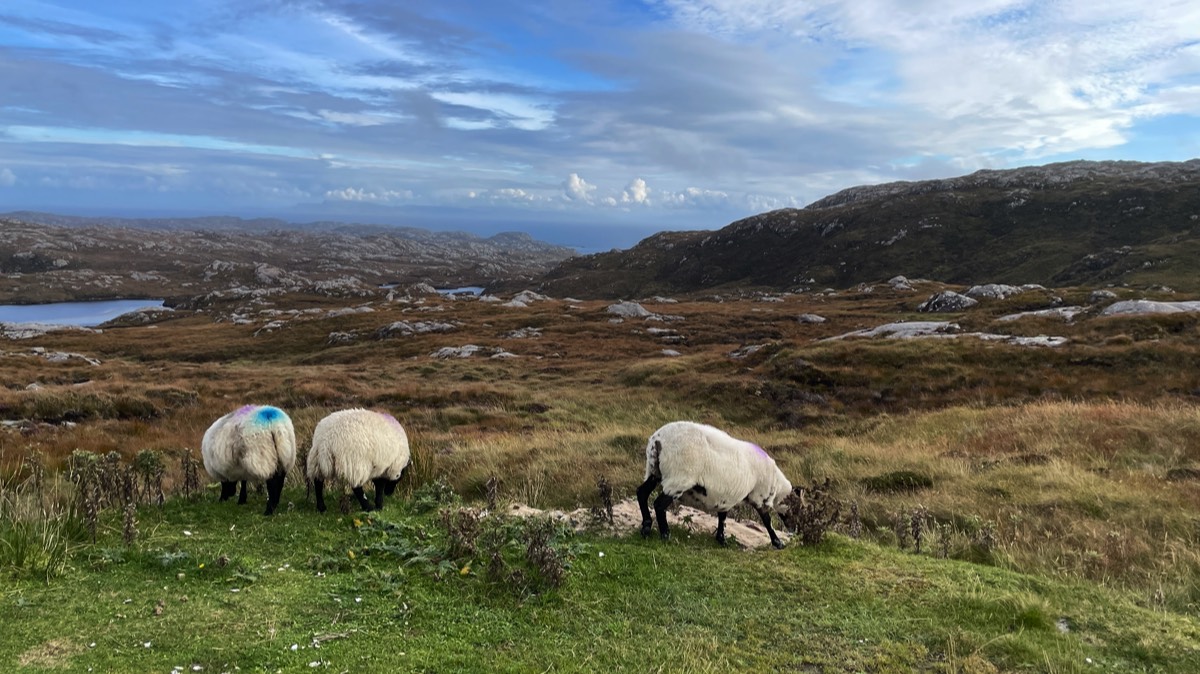
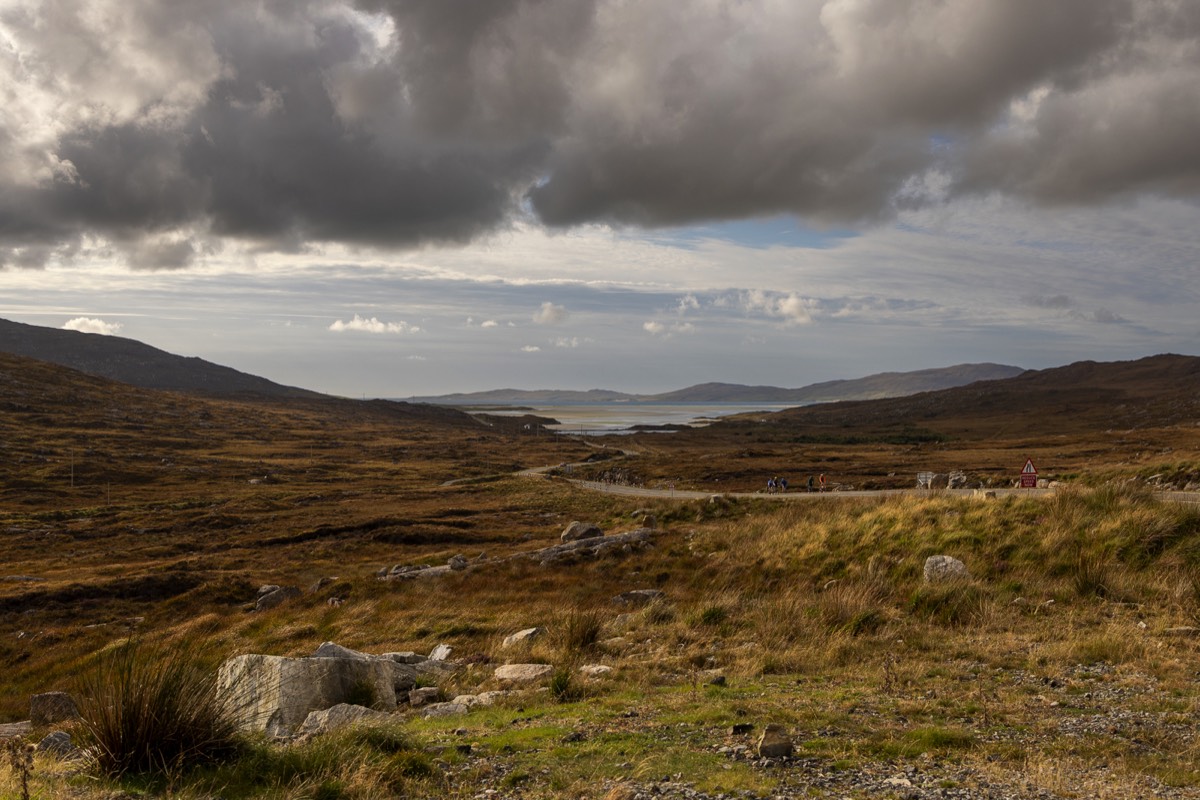
All I knew about the Isle of Harris I knew from my sister. She had told me that there were few trees on Harris, but I did not recall her telling me of the vast areas of rocky hills and peaty bogs, so these came as quite a surprise.
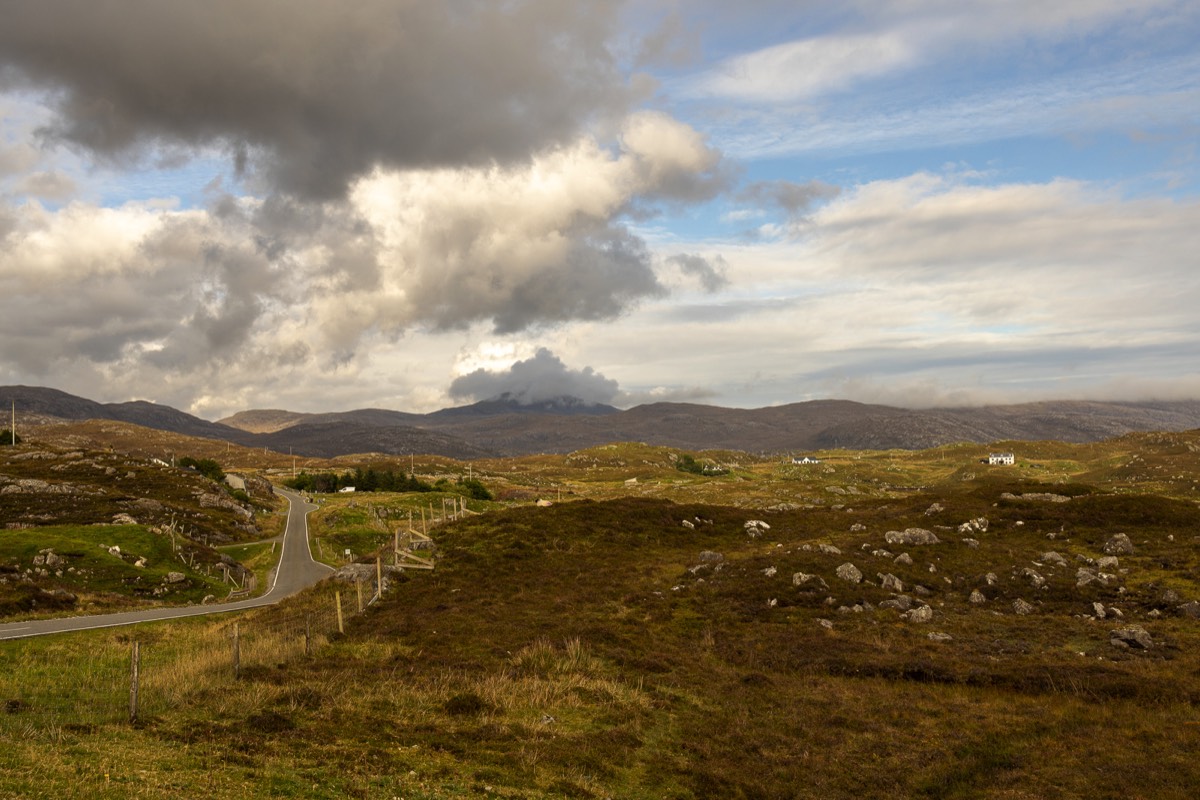
For much of these islands, the roads are single track with passing places. The absence of trees makes it easy to see if cars are coming your way, so the single track system works. Interestingly, where there are larger two-lane roads, they were built with money from the European Union, not funded directly from Scotland. I guess this is why they did not vote for Brexit?
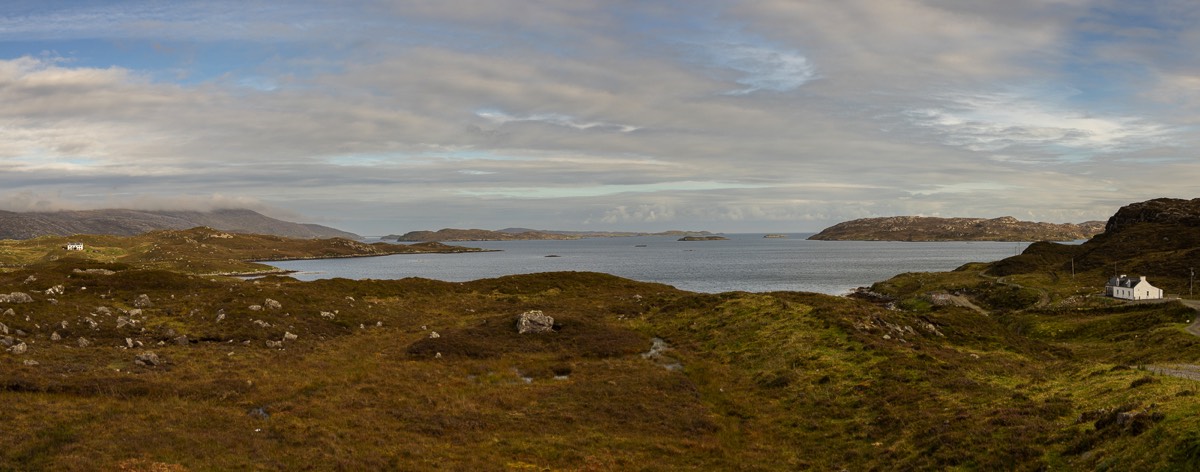
Houses here are few and far between and you are never far from the sea. Views always seem to include some off shore island and it is understandable why peoples of old would island hop.
Driving further south from the port at Tarbert towards West Harris, you start to see the infamous beaches in the far distance.
And this is the view from my sister's house in West Harris in the late afternoon on the day we arrived. To the left is the island of Taransay and to the right and beyond are the hills of North Harris. It is a mesmerising view as it it ever-changing and occasionally visited by seals and always visited by cormorants, gulls, gannets, and hooded crows.
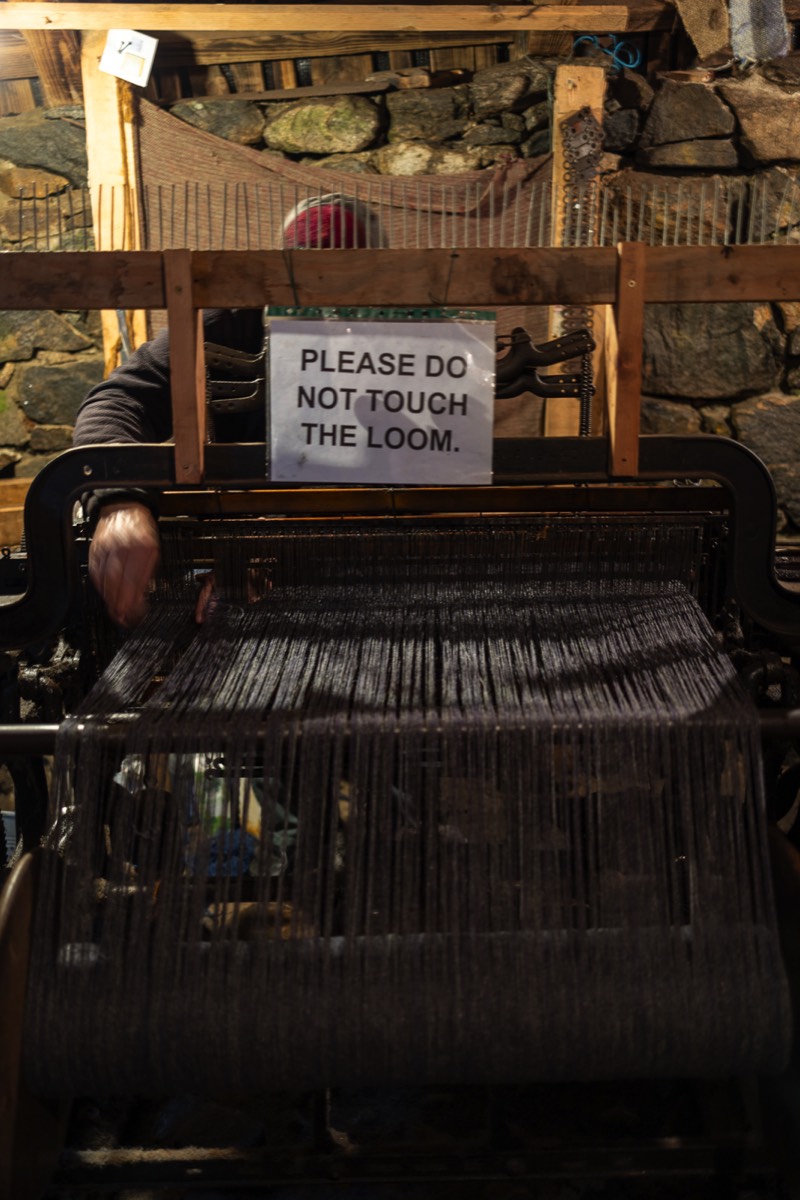
Other than the beaches, Harris is well known for its tweed. In the early 1800's there lived a couple of unmarried sisters in the Strond (the Bays) who were good weavers. The Countess of Dunmore, who owned the island in the 1840's, sent them to the mainland for training and they became known as the Paisley Sisters. When they returned home they taught other Harris women and this became the start of the production of Harris tweed as a commercial concern. It is a very dense weave and, being waterproof and windproof, is ideal for the climate of the Outer Hebrides. Besides, the colours were unique, using natural dyes extracted from local plants and even soot from their chimneys. Lady Dunmore established connections with leading tradesmen in Edinburgh and London and her husband promoted its use amongst all his staff. Finally, the people of Harris were able to make real money from their labours. However, when Lady Dunmore died the profits dropped as the locals simply weren't used to the notion of trading for profit. To understand why, you will need to read the section on the history of the Outer Hebrides.
Today Harris Tweed is protected by an Act of Parliament and it can only be woven on man-powered looms by foot or bicycle pedals (not power driven in any way). And, the looms must be in people's homes, so no factories.
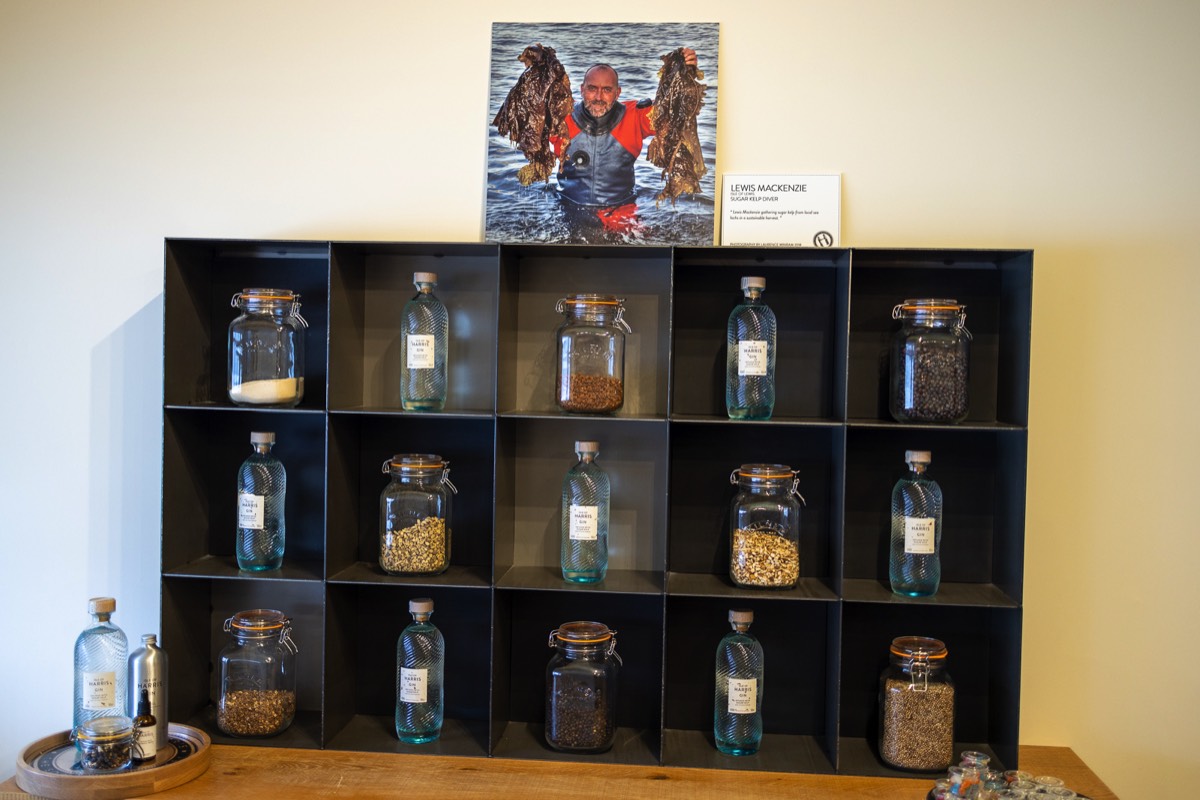
A more recent product from Harris gaining world renown is the Isle of Harris Gin. But just as with the tweed, it needed an outsider to develop and promote the Isle of Harris Distillery. Mr. Anderson Bakewell had bought the nearby island of Scarp, off the west coast of North Harris. He quickly noticed the softness of the water and thought about starting to make whisky. Besides, he'd noticed the declining population and wanted to bring life back to Harris and provide employment for future generations. So, in 2015, he opened the Isle of Harris Distillery which today employs almost 40 permanent staff. But whisky takes a long time to mature, and the nature of Harris is that nothing is rushed. So, in the meantime, he decides to make gin which requires no ageing process. And to make it local, it is flavoured with sugar kelp harvested from the seas around Lewis. And Harris gin is truly delicious!
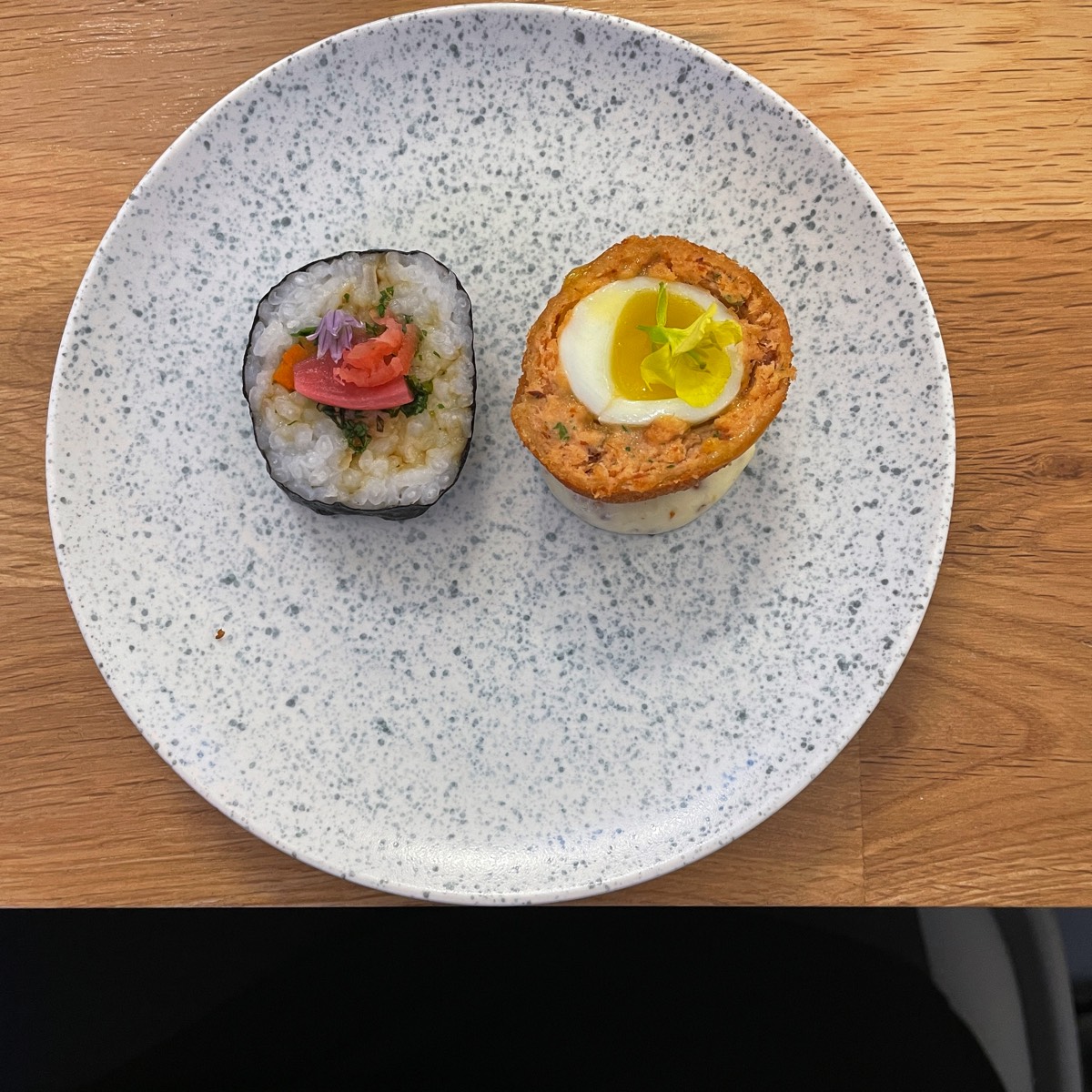
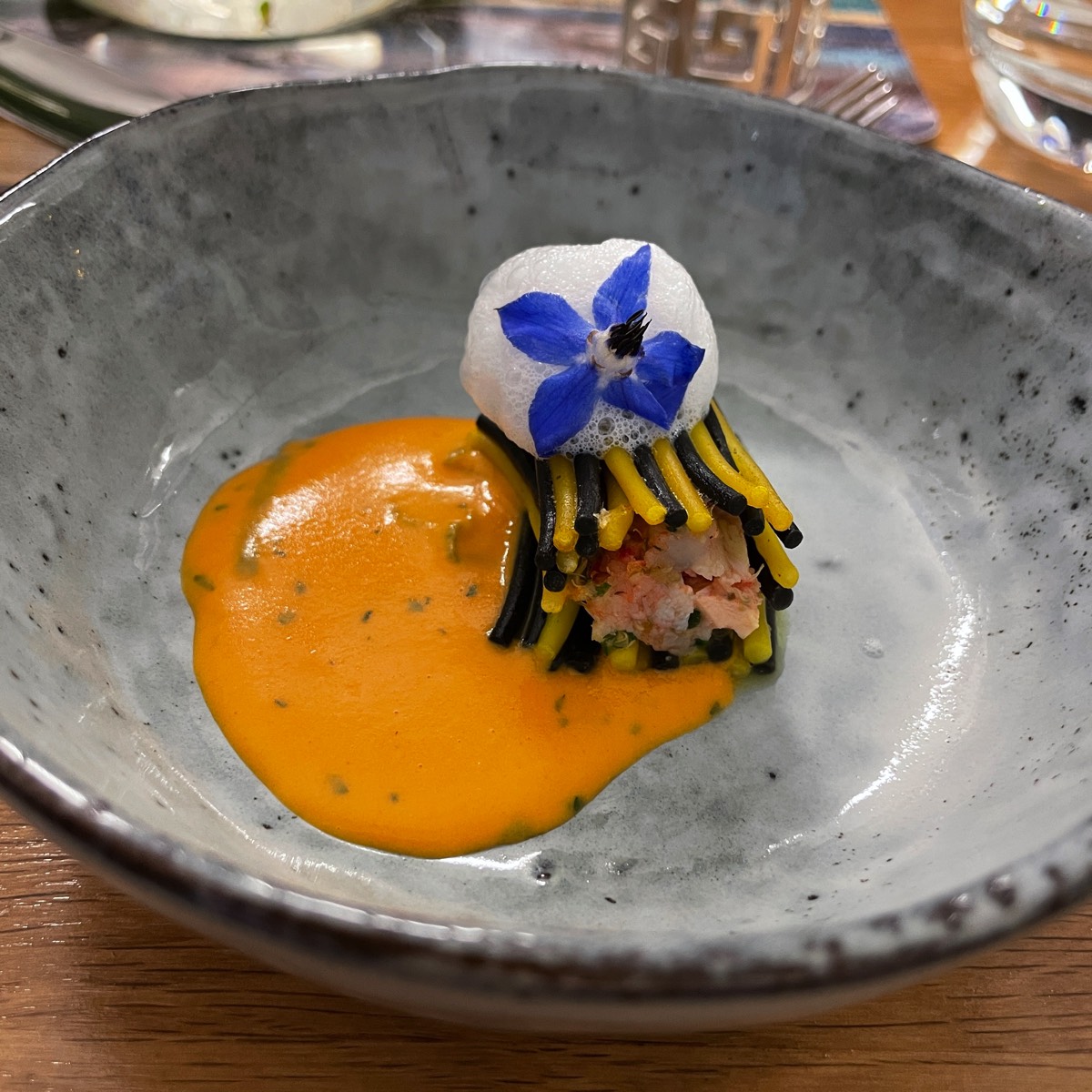
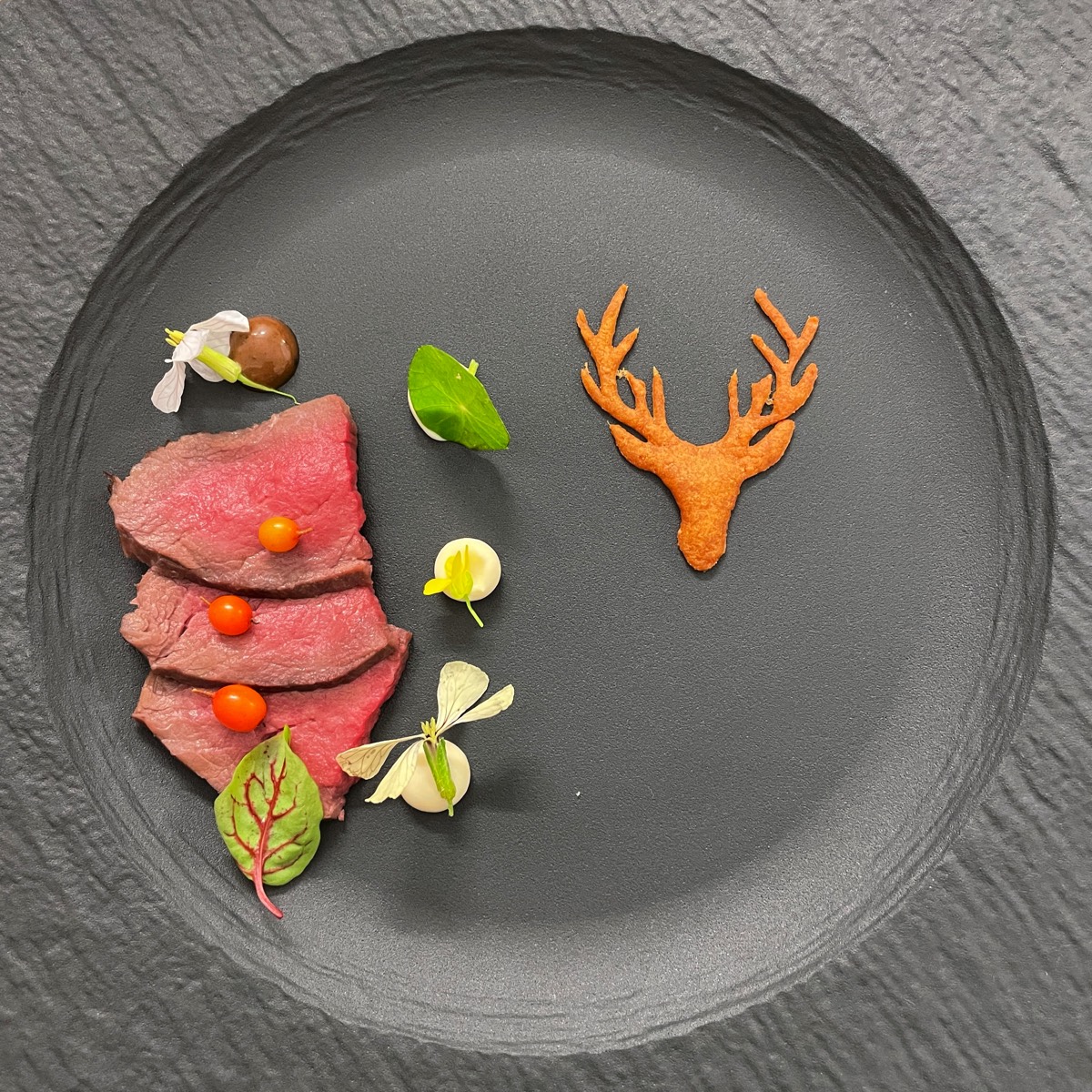
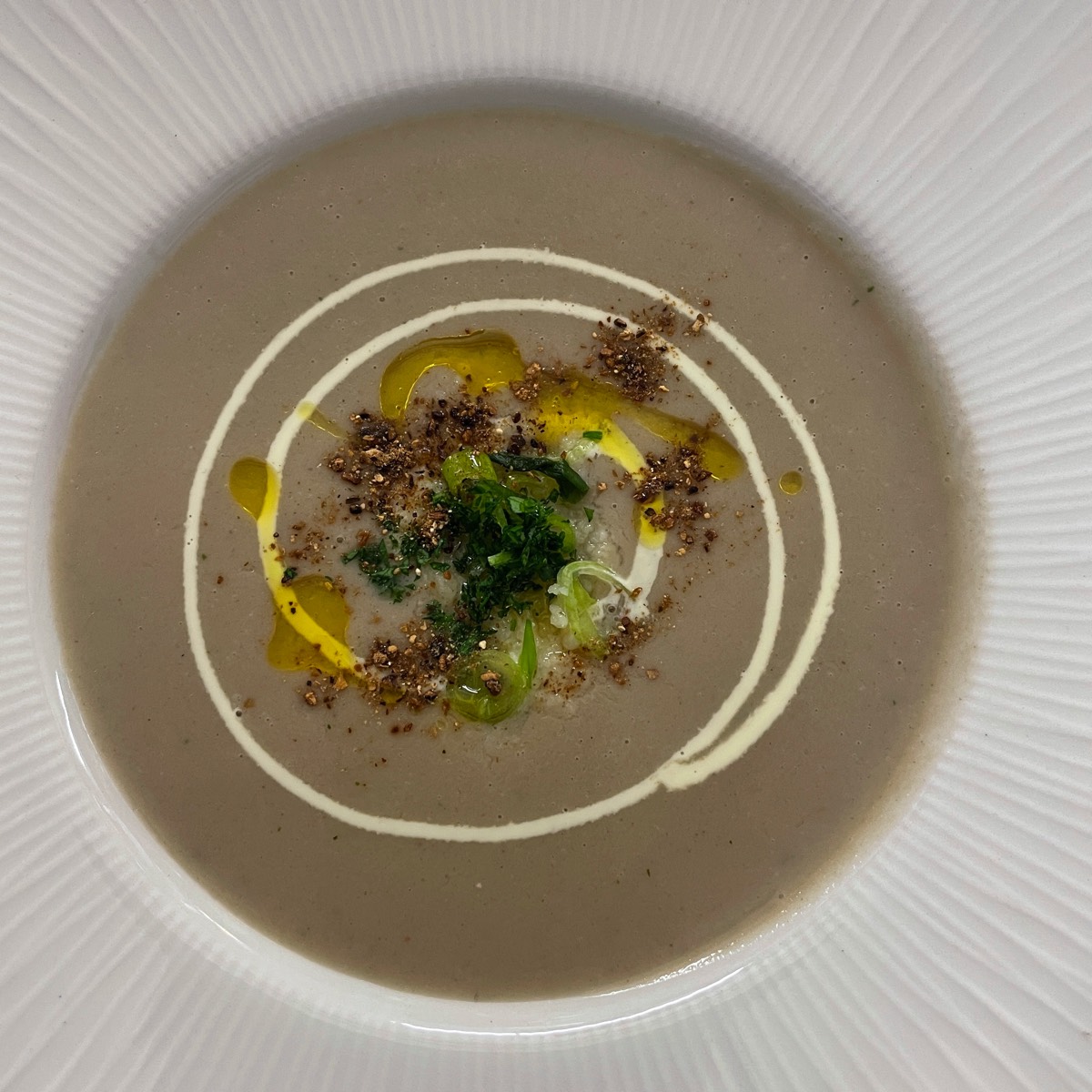
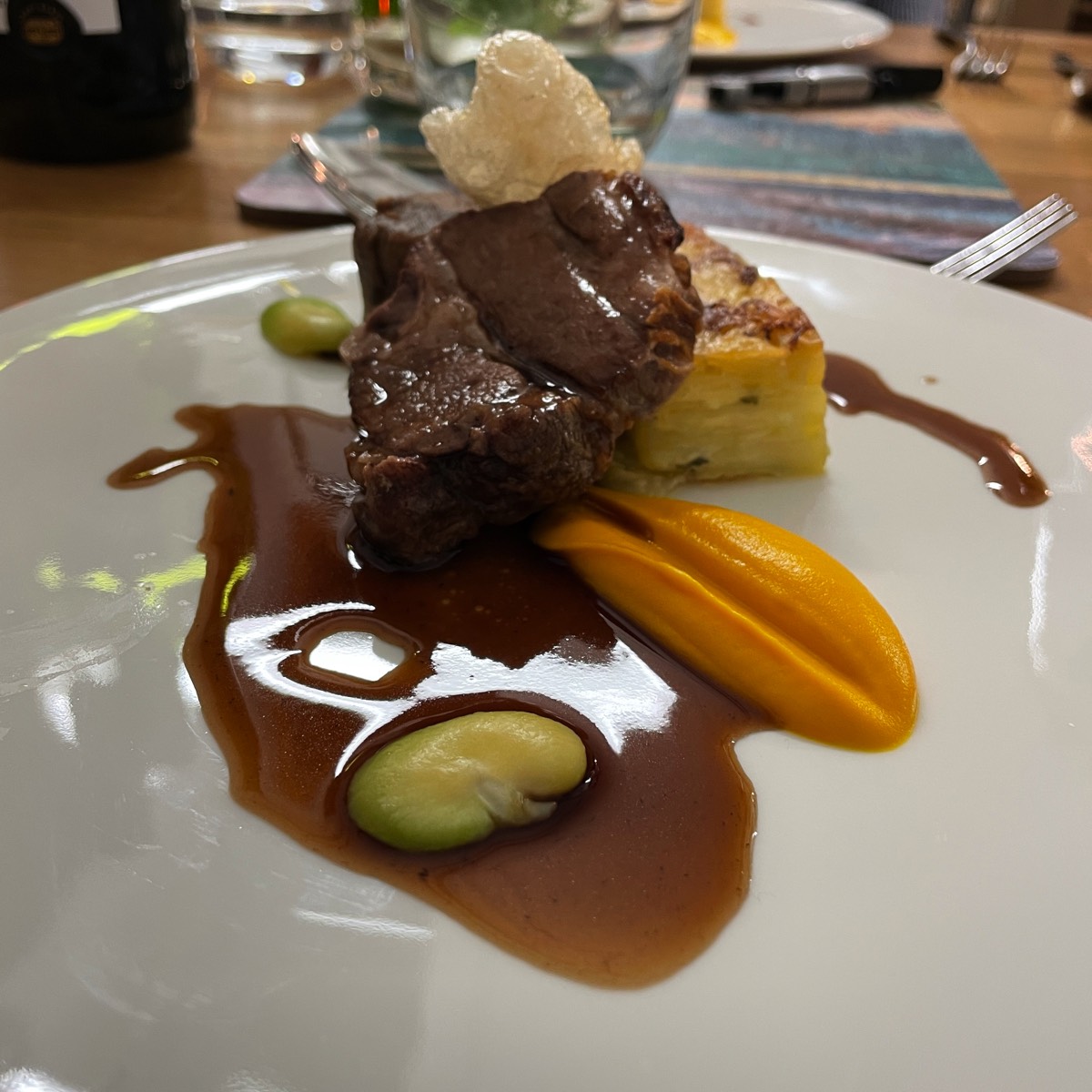
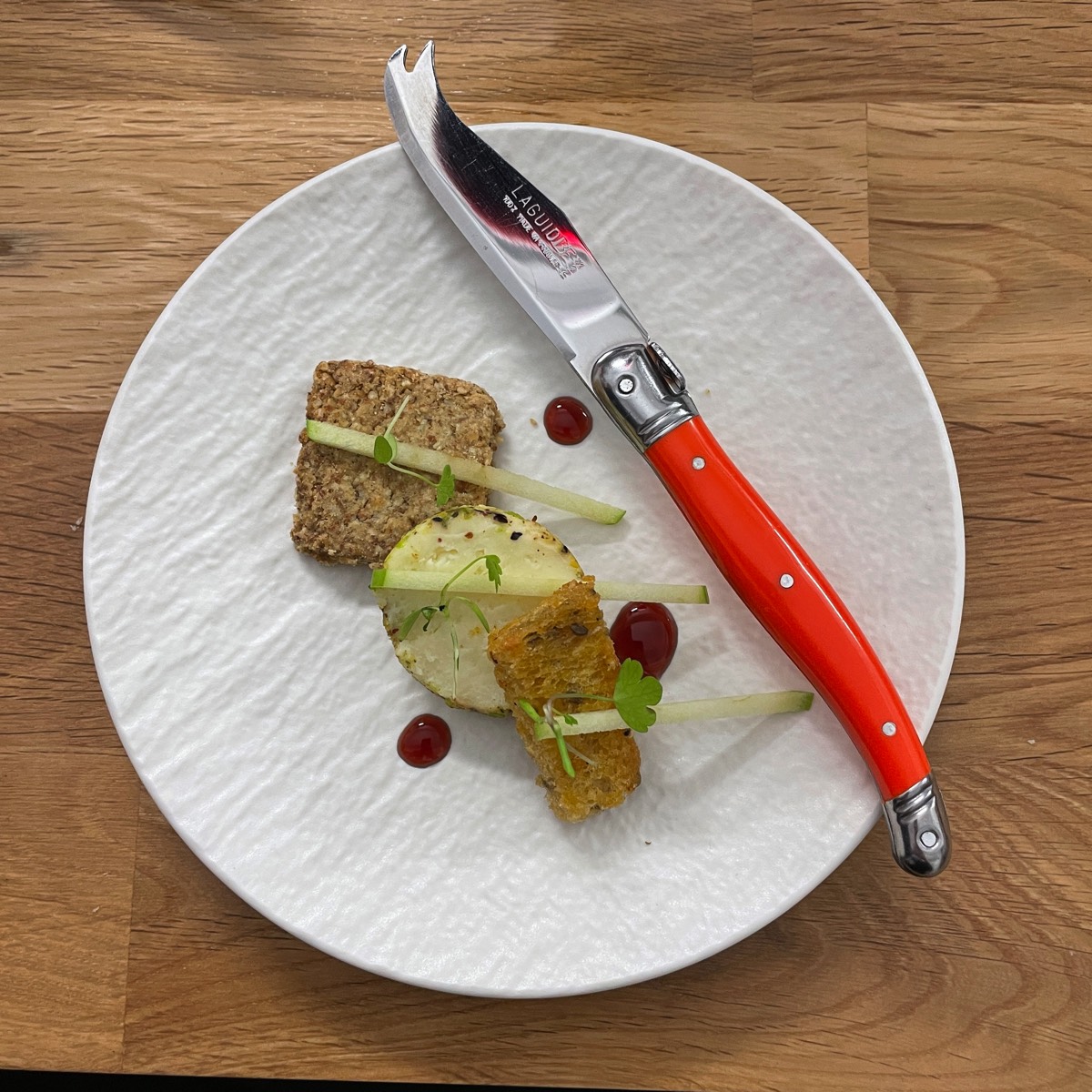
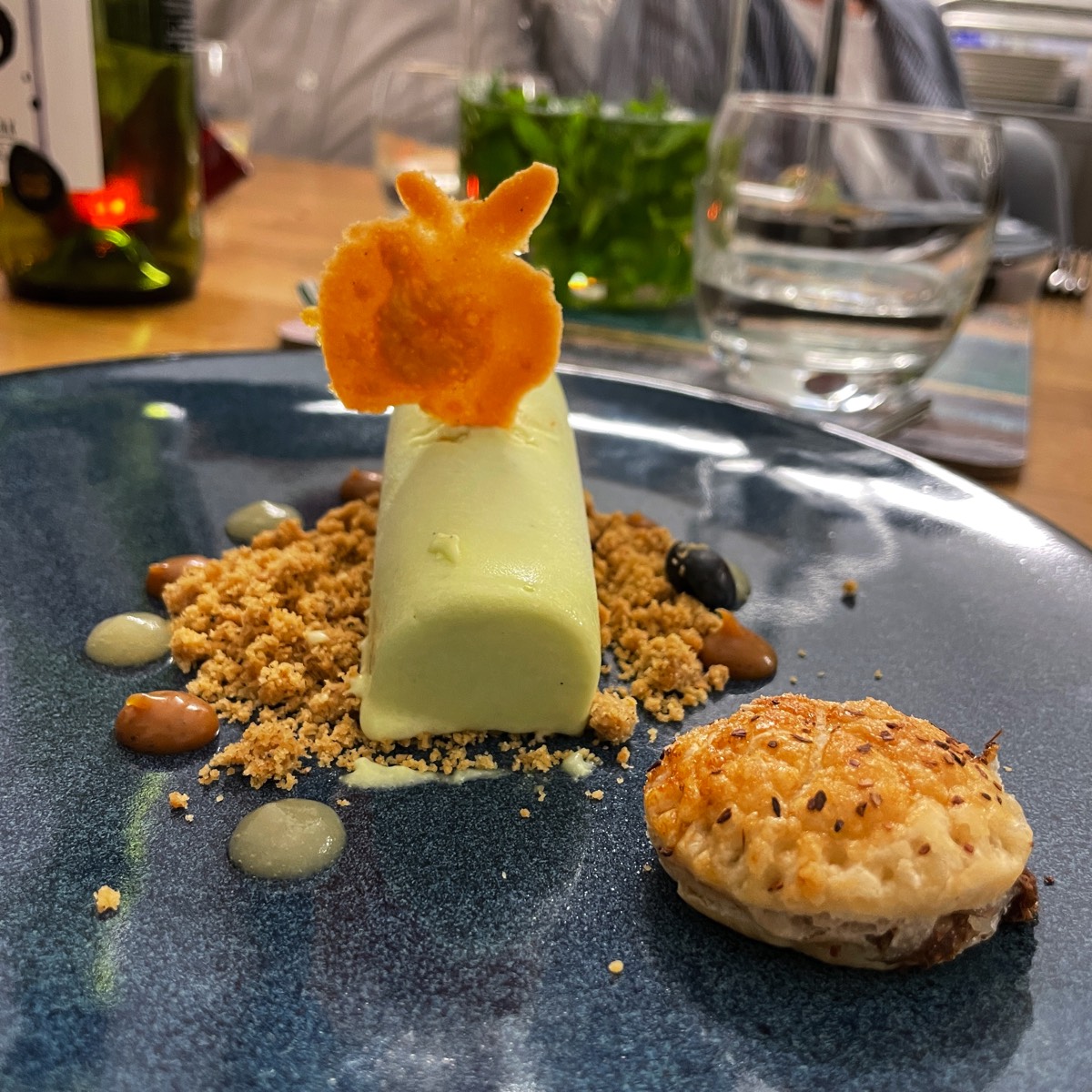
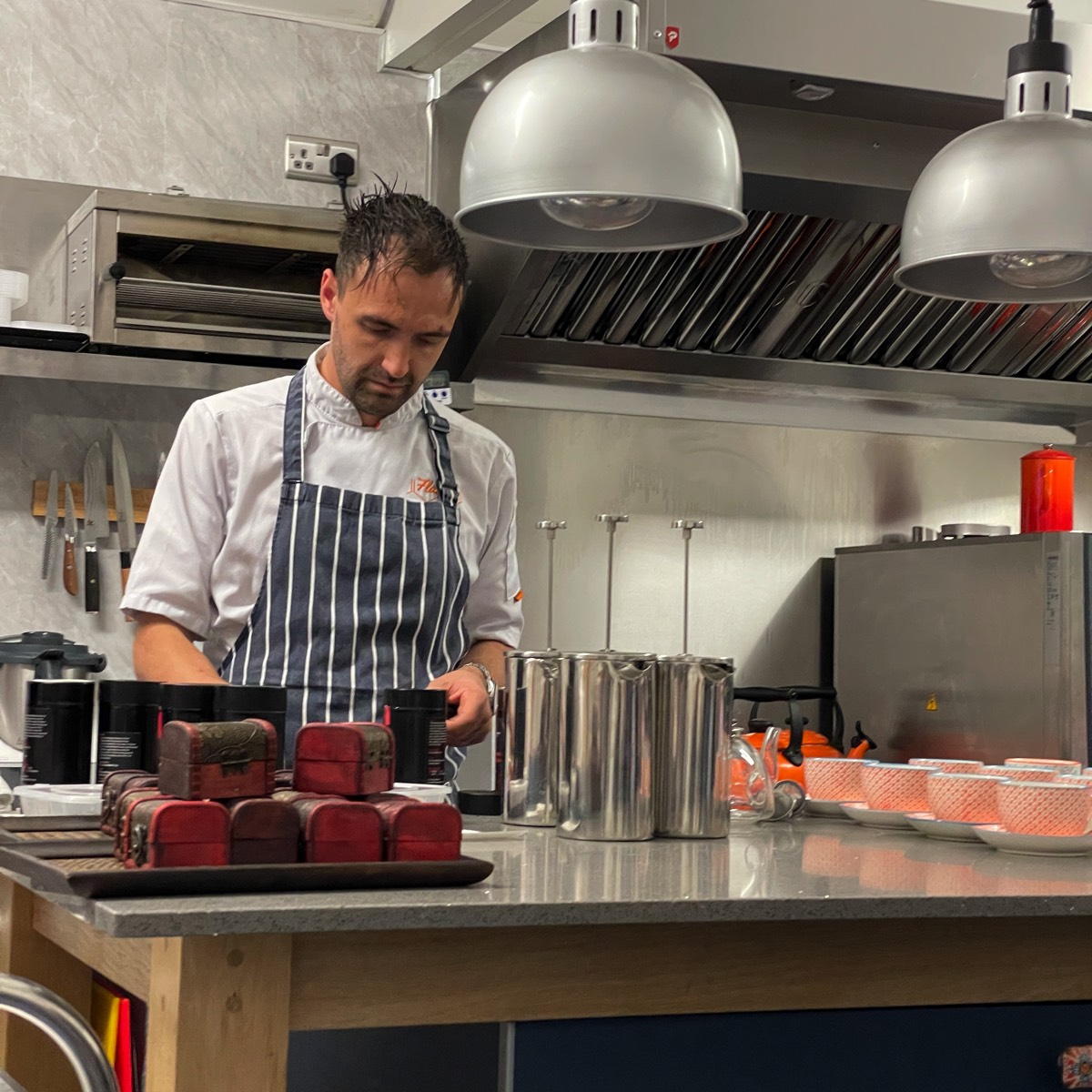
With the richness of the seafood and local meat, then you can find excellent food on your travels. In Harris we had a celebratory dinner at Flavour and enjoyed all the locally-sourced foods.
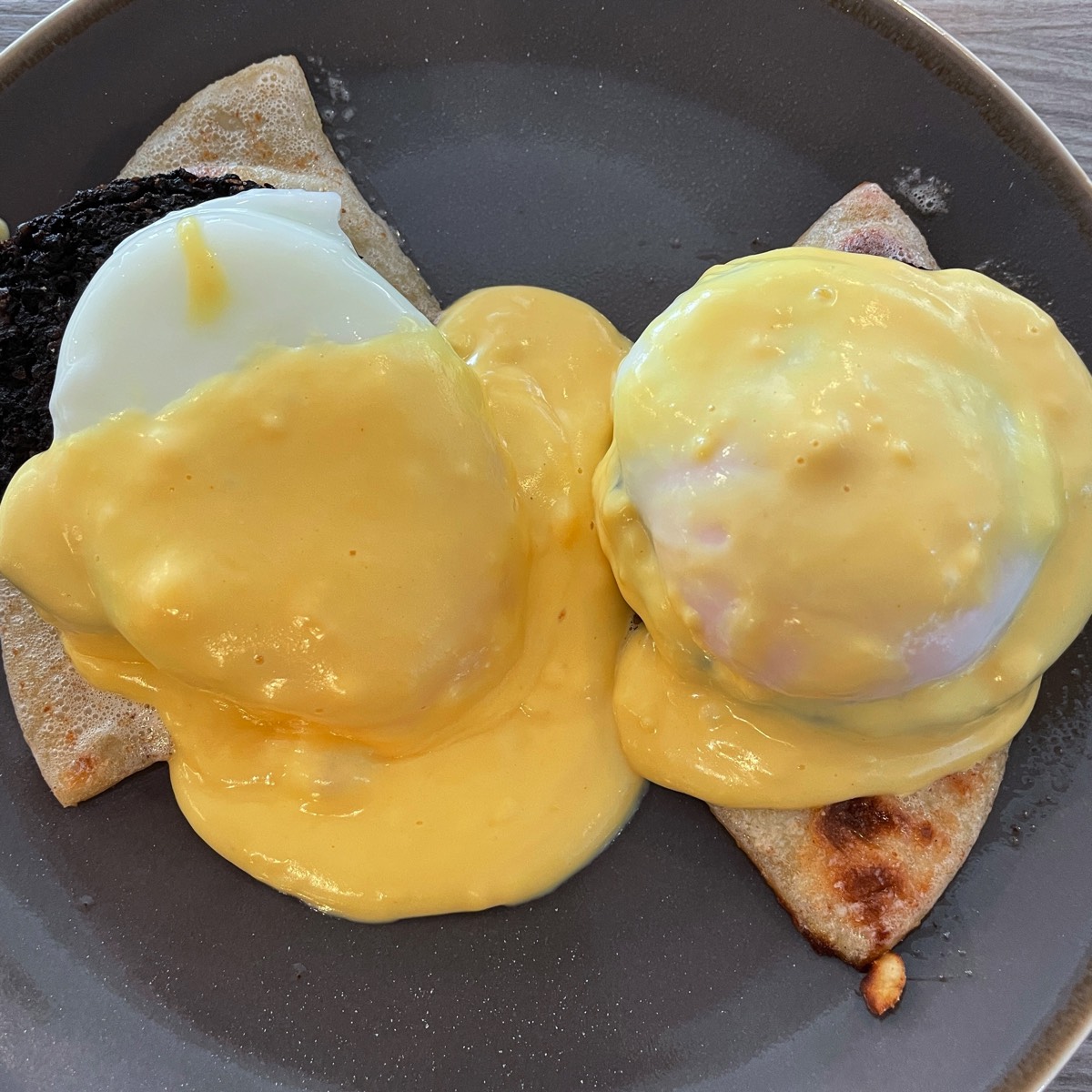
And if you are asked to bring back a souvenir from Lewis, then some Stornoway Black Pudding has to be your choice! For their own survival, locals would use every bit of their slaughtered livestock to help feed their families, and making blood puddings was a natural thing to do. Stornoway Black Pudding often features on breakfast menus with potato cakes and eggs, and it also works very well with meaty hand-dived local scallops.
Throughout the islands you can find artisans working in leather, glass, and metal, and perfumed candles and soaps which smell of the sea and the shore.
So my special thanks to Bill Lawson and Donald MacDonald for their highly informative books on Harris and Lewis, respectively. I hope I have done them justice. Now it is time for you to take a look at the attached sections to see and learn more about what makes the Outer Hebrides so special.