HELEN'S FIGHT
The death of my wife.
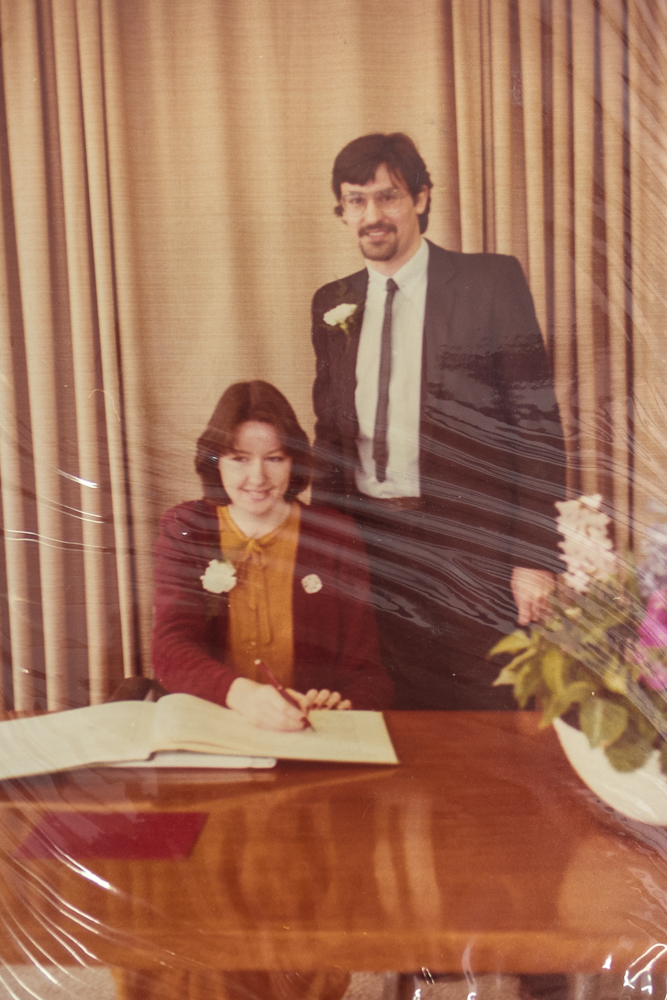
I. What Was Missed
My wife died on the 31st March. At least she died at home, in my arms, and not alone in some anonymous ward or dismal hospice corridor waiting for someone to notice she had gone.
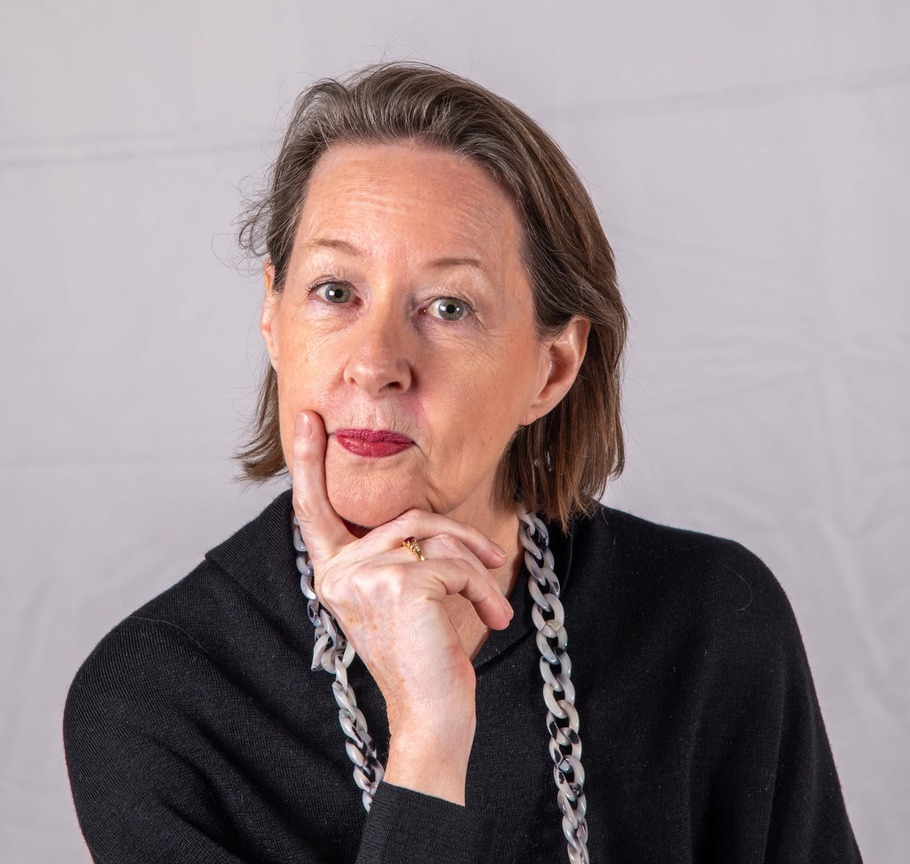
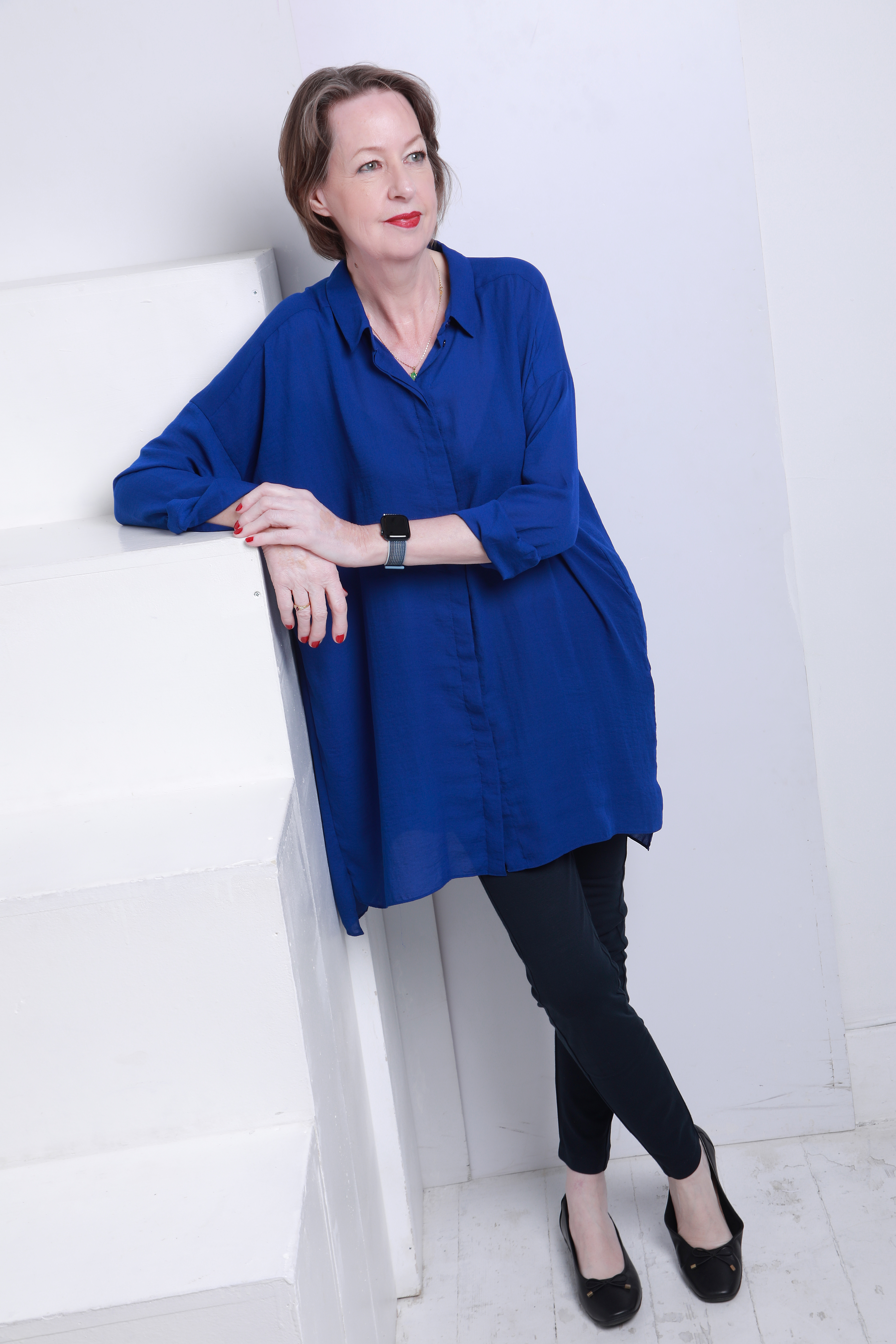
She was my connection to other people. She created the friends and was known for being dignified, knowledgeable, dryly humorous, kind and courageous. She was obsessively in control and expected others to be similarly conscientious. And at the same time had a childlike delight in flowers, nature, travel and just being among friends. The idea of being processed through a system she was not in charge of, her body reduced to a chart entry or bed number, horrified her. Even at the end she retained that instinct for autonomy, for order, for reason, for recognition.
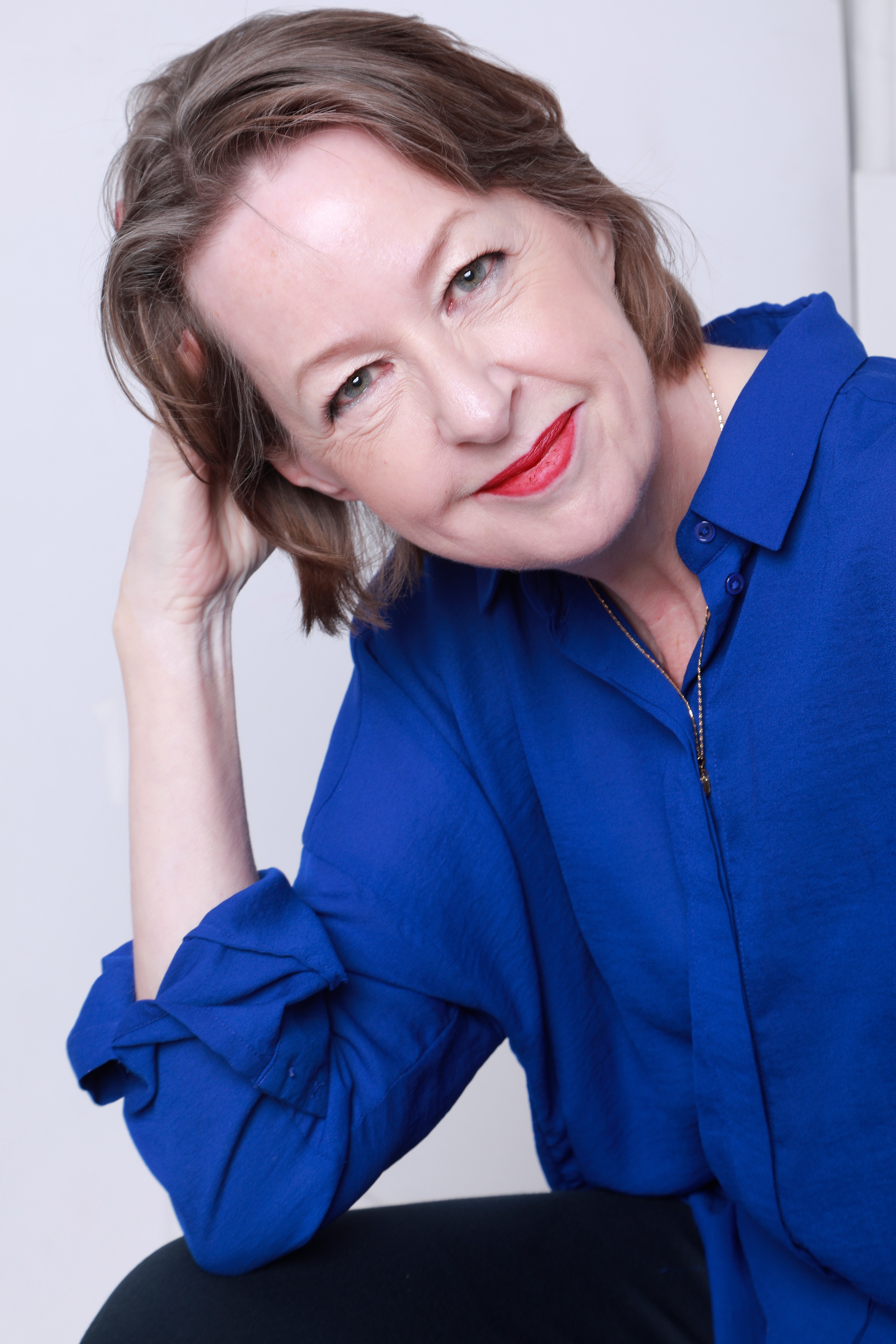
As a University Professor all her students were individuals, with histories, and lives, and quirks that delighted her. Consequently, they kept in touch with her even when they had gone on to other things. She had spent her life believing that knowledge and caring about others could improve things. It was difficult to accept that there were those that cared so little about people, that they would fail to improve their knowledge to help them. For Helen, nothing was just a job, it was a cause!
Three years earlier she had been told, through routine blood tests, that her cholesterol was somewhat high and her glucose levels needed better control. These consultations took place over the telephone. There was no physical examination, no discussion in which a doctor might listen carefully and observe anything subtle that contradicted pre-existing assumptions.
Anyone who actually met Helen would immediately see she did not fit the lazy template often used to identify a lifestyle illness. She was slim. She did not smoke. She rarely drank. She was disciplined about food without being doctrinaire. She had the habits of a scientist: moderate, observant, sceptical of fads, careful about evidence. She walked a great deal, thought a great deal, and recorded her life with photo books, diaries, and plans for future adventures.
Helen was a professor of pharmacology. She had spent decades studying how drugs interact with the human body, how small molecular changes alter outcomes, how side effects arise from mechanisms rarely appreciated by those who merely prescribe medicines. She believed deeply in the scientific method and worshipped evidence, not authority. Consensus did not automatically equal truth.
Yet the system now treating her did not seem interested in her as an individual organism with a particular physiology and particular history. She was simply a patient with raised glucose levels and as is standard practice now, she was prescribed Metformin.
Within weeks she began losing weight. She felt nauseous most of the time. She had persistent diarrhoea. She felt exhausted in a way she had not previously experienced. Her glucose readings did not meaningfully improve, so the dosage was increased. Obviously, the doctors had not attended her lectures on medicine, where she would explain that more was not necessarily better. However, she was in the hands of people supposedly in the know about this particular disease and she complied.
She began experiencing persistent belching and abdominal discomfort. This was attributed to “functional dyspepsia”, essentially psychosomatic illness. It is a term that can sometimes be clinically appropriate, but it can also function as a polite way of saying the doctor does not know what is wrong and, as is all too often with women patients, suspects anxiety. Ironically, her doctors were mostly women.
Helen was not prone to anxiety. If anything, she was intellectually combative in the face of uncertainty. She wanted data, explanation, hypothesis, testing. She did not dramatise symptoms. If she said something felt wrong, something was wrong!
I cannot state with certainty that Metformin masked early pancreatic cancer symptoms, but the combination of worsening glucose control, unexplained weight loss, gastrointestinal disturbance and fatigue signals that something deeper was wrong. But at the time we trusted the process and assumed someone somewhere was looking at the whole picture.
A gastroenterologist recommended a PET scan. That decision suggested at least one clinician had concerns beyond routine diabetes. But the PET scan was cancelled as unnecessary because a CT scan had shown nothing significant. We subsequently learned that early pancreatic cancer is often difficult to detect on CT but at this point, being ignorant, we did not challenge this and accepted that Helen was now labelled diabetic and prescribed insulin.
Even so, we began to sense that the doctors were not taking notice. There was no family history of diabetes. Helen had none of the metabolic profile usually associated with Type 2 diabetes. We wondered whether her thyroid medication might be implicated. Years earlier she had lost her thyroid to Hashimoto’s disease and relied entirely on synthetic hormone replacement. Thyroid balance can influence metabolism in complex ways, and adjusting her dosage did seem to produce small improvements, so this reassured us temporarily.
Helen approached illness the way she approached research. She kept notes. She tracked symptoms. She observed correlations. She avoided speculation without evidence. She did not catastrophise. She expected explanations eventually to emerge and was determined to get on with life.
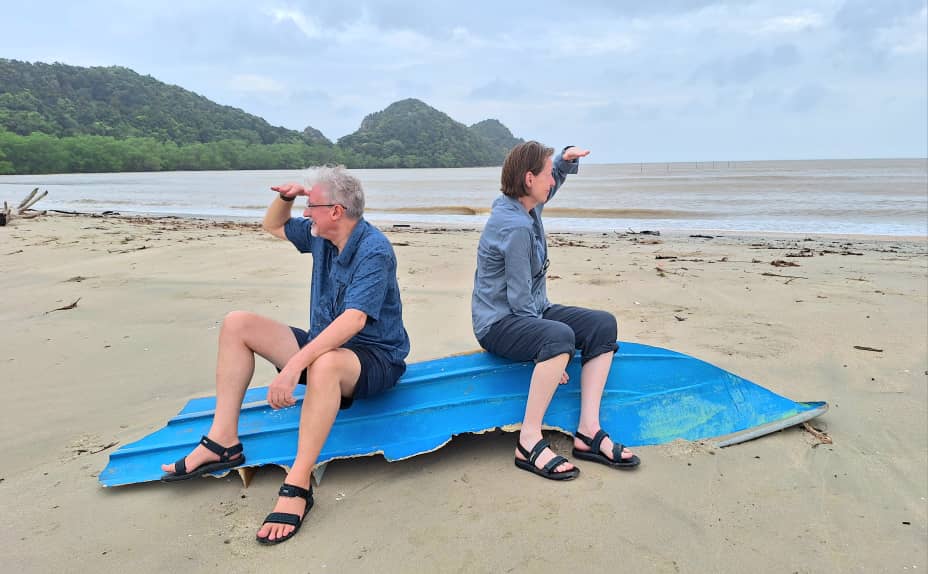
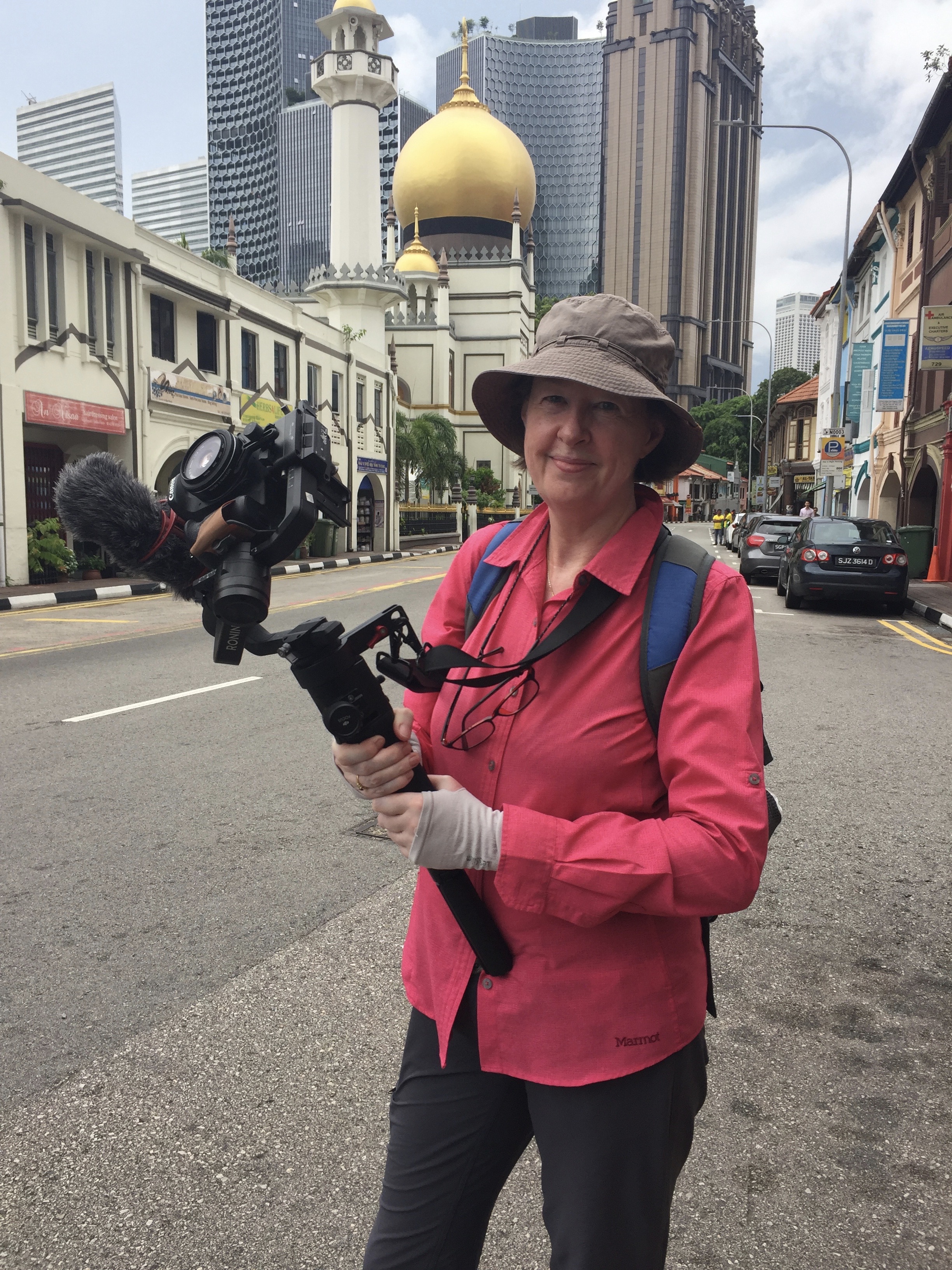
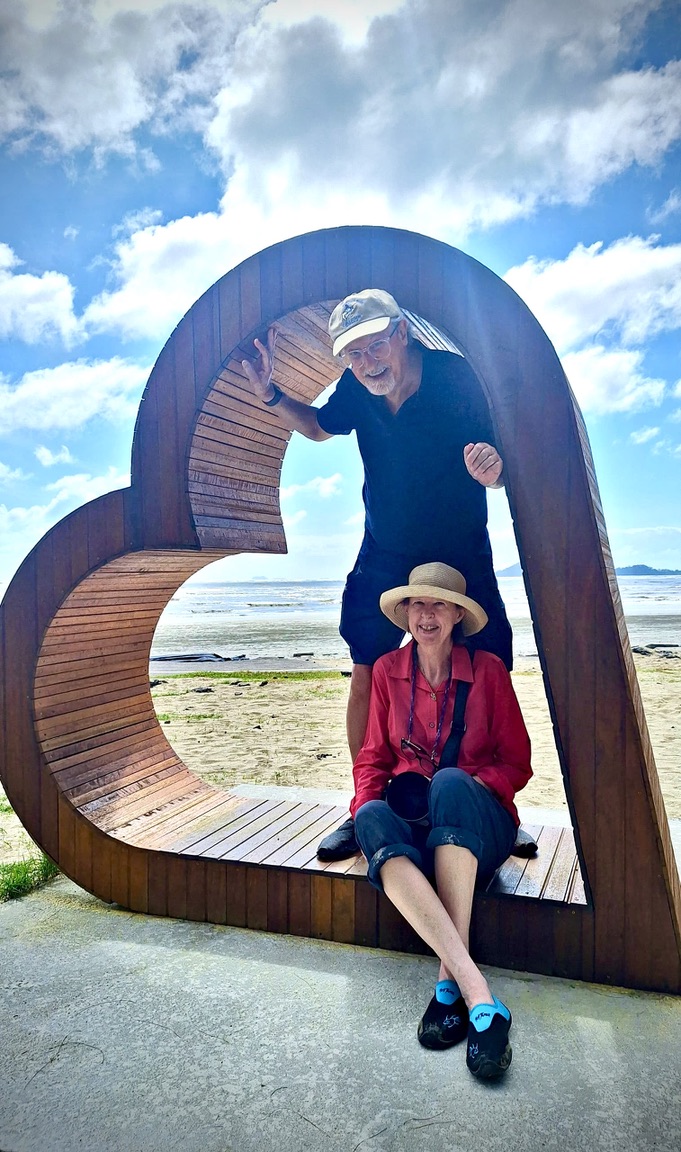
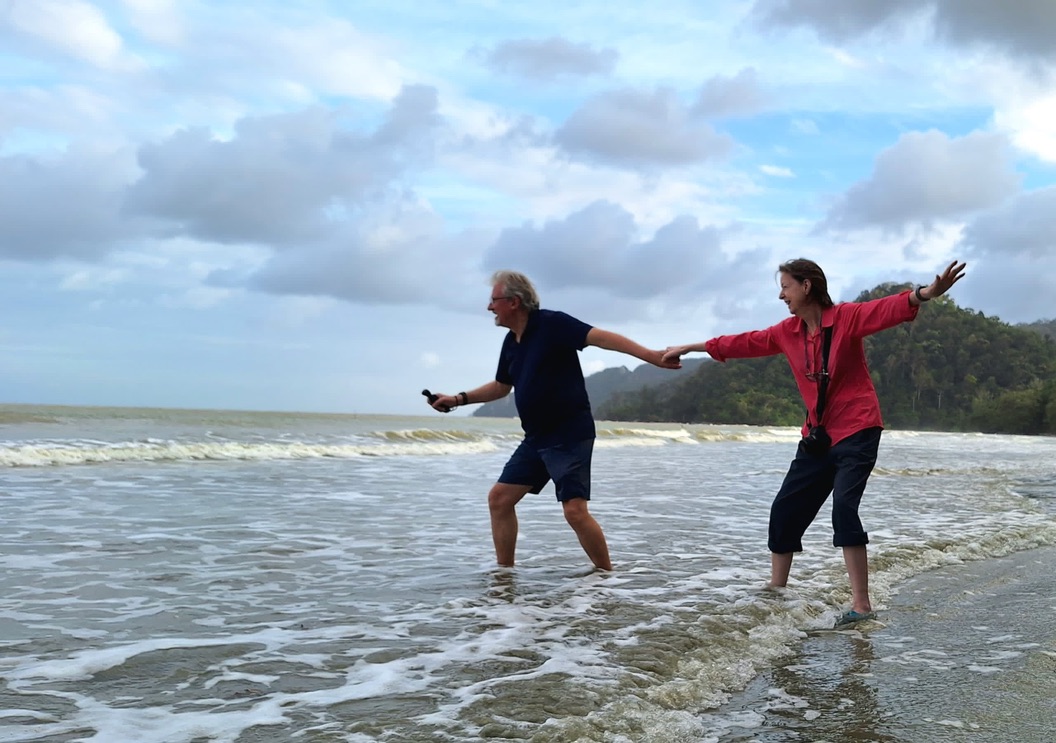
We travelled to Malaysia, where we had previously lived for six years and created video histories of the place. Helen further became involved in the local Red Crescent, and the Cerebral Palsy Centre, gaining an acknowledgement of her work from the Queen of Johor. She had been much admired there, both for her knowledge, her kindness and humour.
We visited the Malaysian island of Langkawi with old friends, one of whom was a surgeon, and one afternoon she fainted during an episode of tachycardia. It was sudden and alarming. And along with all the other symptoms of diabetes, stomach pains, back pain, immediately our surgeon friend became concerned. He arranged for her to be examined thoroughly at a Malaysian hospital.
Within days she underwent endoscopy, colonoscopy, blood work, and a PET scan. And there it was: a tumour on the pancreas. A subsequent biopsy confirmed pancreatic adenocarcinoma.
The efficiency of Malaysia’s health service was striking. There was no drama, no delay, no suggestion that symptoms might be imagined. They looked. They tested. They correlated findings. They reached a conclusion. It is possible that the tumour had simply progressed to a stage where detection was easier consequently one cannot prove that earlier imaging in the UK would have identified it. But the sense that a chain of clues had not been fully connected remained difficult to shake.
Helen reacted to the diagnosis with characteristic composure. She asked precise questions. She wanted staging details, tumour dimensions, vascular involvement, survival data distributions rather than crude averages. She disliked being given median survival statistics without context. She understood statistical curves and variability. She did not panic.
We returned to the UK with the biopsy result and the understanding that pancreatic adenocarcinoma often carries a poor prognosis. Typical survival estimates ranged between three months and a year depending on stage and treatment response. We were thus relieved to find that there appeared to be no metastasis, making surgery a possibility.
The Whipple procedure, a complex pancreatic surgery, carries significant risk but offers potential for extended survival in selected patients. Helen understood the risks. She also understood that without intervention the outlook was bleak. She began reading clinical papers again, reviewing treatment pathways, assessing evidence. She remained analytical even when discussing her own survival probabilities. We still believed there was time. We believed that somewhere within the system there would be doctors willing to examine the evidence and propose a rational strategy.
Helen disliked fuss. She disliked sentimentality. She preferred conversation to sympathy. When friends expressed alarm, she reassured them with calm understatement. She did not want to be treated as fragile. As yet she did not look seriously ill. She was thinner, certainly, but she retained her alert expression and her quick wit and still corrected my mispronunciation of the names of her prescribed drugs.
I plunged into seeking out the latest miracle cures and fashionable supplements for people with Pancreatic cancer. She however, retained her scepticism about fashionable medical theories unsupported by robust trials. But we both assumed that now that a clear diagnosis existed, treatment would proceed with urgency. This proved somewhat optimistic.
Looking back now, the most painful thought is not simply that the disease was aggressive, but that the early signals were diffuse enough to discourage a sense of urgency, where perhaps investigation might have been justified sooner. Pancreatic cancer is notoriously difficult to treat even when identified relatively early but early detection is seen as a must if one is to expect any kind of positive outcome.
II. The Race Against Delay
We returned to the United Kingdom carrying a neat folder of Malaysian reports, scans, and biopsy confirmations that seemed to us to contain not only information but urgency. The diagnosis was no longer speculative. The tumour had a name, a location, and a behaviour pattern well documented in medical literature: Pancreatic adenocarcinoma. A brutal phrase, but at least a precise one and precision implies the possibility of strategy.
We took the results to the NHS and were told that referral to an oncologist would take six weeks.
Six weeks is a curious unit of time when one has just been told that median survival may not extend far beyond three months. Six weeks is also a curious unit of time when one has spent a lifetime believing that modern medicine moves with efficiency once a malignancy has been identified. Helen did not waste time in passive worry. She read clinical papers on pancreatic cancer treatment pathways. She analysed survival curves. She examined the evolving evidence regarding neoadjuvant chemotherapy treatments intended to shrink tumours sufficiently to allow surgical removal. She did not indulge in magical thinking, but she did believe in probability distributions rather than fatalistic averages. Median survival, she would say, is merely the midpoint of a poorly defined population. Someone must exist above the median.
She approached her own illness as she would a research problem: assemble information, identify variables, examine outcomes. And of course, past statistics were not goals to achieve, but rather results to improve upon!
We telephoned after six weeks had passed. We were told referrals were running four weeks behind schedule and no timeline could be guaranteed. The tumour, we felt, was unlikely to respect the timetable of administrative backlog, so we went private, believing our insurance policy would cover treatment. That was, after all, the purpose of insurance. It exists precisely for events one hopes will never occur.
The private oncologist reviewed the scans carefully. He explained that the tumour appeared to involve surrounding blood vessels, making immediate surgery impossible. He recommended FOLFIRINOX chemotherapy, a powerful combination therapy often used in pancreatic cancer in the hope that tumour shrinkage might make surgery possible later.
Helen listened attentively and asked precise questions about response rates, toxicity, neuropathy risk, and statistical variability across patient cohorts. She did not expect certainty. She expected clarity about uncertainty. And consequently, accepted the treatment.
The insurance company on the other hand, refused payment on the grounds that the cancer constituted a pre-existing condition! This was bewildering logic. Pancreatic cancer typically progresses rapidly. It seemed improbable that a disease with such a prognosis could be considered long-standing enough to fall within pre-existing exclusion criteria.
The oncologist intervened, explaining that the timeline of symptom progression made the insurer’s claim implausible. The insurer then shifted position. The oncologist, they now explained, was not among their preferred consultants. Consequently, the treatment would not be covered. The chemotherapy cost over £100,000.
Helen did not dwell on the financial implications. She treated the matter as an engineering problem. If this treatment offered the possibility of making surgery viable, it was rational to attempt it.
FOLFIRINOX is not gentle. It is not presented as gentle. It is chemotherapy designed to attack rapidly dividing cells with considerable force. Helen experienced the predictable toxicities: exhaustion, neuropathy, nausea, a flattening of vitality that made even simple tasks laborious.
She bore it with a mixture of stoicism and intellectual curiosity. She noted patterns in side effects. She tracked how long symptoms persisted after each cycle. She compared her experience with published toxicity profiles while cooking up stews and curries to freeze for the time she would be too exhausted to do the cooking.
Helen had planned a drive from Lima to Tierra Del Fuego and costed it out for us. We were always determined to keep moving at full speed together. It was us against the world, and now it seemed it was us against the universe. She now began to doubt we would ever get our life back.
The chemotherapy did not render the tumour operable. And then, finally, we obtained an NHS oncology appointment! The oncologist of course, had not yet seen the scans. She explained that Helen was not technically her patient until the referral had been fully processed. The case would be presented to a multidisciplinary team.
Weeks passed again. Communication between departments seemed remarkably fragile. Scans were not available on internal systems. Reports could not be located. Departments appeared to function as semi-independent entities with limited data sharing. And at one consultation, I found myself emailing scan files directly from my phone to a clinician because the hospital system could not retrieve them. The absurdity of acting as courier between medical departments would have been comic had the stakes been less serious.
Helen observed these events with increasing concern. She was not prone to theatrical indignation. Instead, she would remark, with characteristic understatement, that one might expect data transfer to be somewhat more efficient in a technologically advanced healthcare system. Her humour remained dry even when circumstances were not. She once remarked that the phrase “joined-up thinking” appeared to describe a theoretical construct rather than an operational one.
Meanwhile, the port inserted for chemotherapy required periodic maintenance. Helen requested its removal now that chemotherapy had concluded. The NHS oncologist appeared uncertain what device she was referring to until shown physically. She said most people leave them in for the rest of their life… implying that this was not long! My wife wanted it removed because it was irritating and needed tending and we did not subscribe to such fatalism. Removal however had to be arranged privately because it was not of the kind that they used at their hospital. I did not know the NHS could refuse to treat anyone but apparently they can if they classify it as elective surgery.
None of these individual incidents proves systemic failure, but collectively they created a persistent sense of fragmentation and indifference. And of course, everyone, and I do mean everyone, that I have subsequently spoken to about their experiences has told me similar horror stories of a mix of incompetence and confusion to a degree that smacks of criminality.
Radiotherapy was eventually recommended as a means of controlling the tumour locally. The radiologist explained that the treatment might reduce tumour activity but was unlikely to make surgery possible. This was not the response Helen had wanted and she began to think this was a pointless exercise. Even so, for my sake, she told me, she underwent stereotactic radiotherapy. The information I had was that there was no metastasis and that the reduction of the tumour would improve her chances and could lead to an operable condition. I stuck to believing that to be so.
These periods of treatment required us to stay in London where we took an opportunity to go to the theatre, meet friends for dinner, do some shopping and take some photographs. We were always chatty people with many interests. We were not going to let any of this stop us or get us down. Ours was not a marriage built upon mere compatibility of habits but upon shared curiosity. We had travelled widely together, often in improbable circumstances. At various points in our lives, we had lived in environments that required adaptability: new cultures, unfamiliar institutions, languages partially understood, bureaucracies navigated with patience. And having lived in Asia for thirty years, England was something of a foreign country and we applied all our techniques for thriving in foreign places. And this land of cancer was definitely a very foreign place to be in.
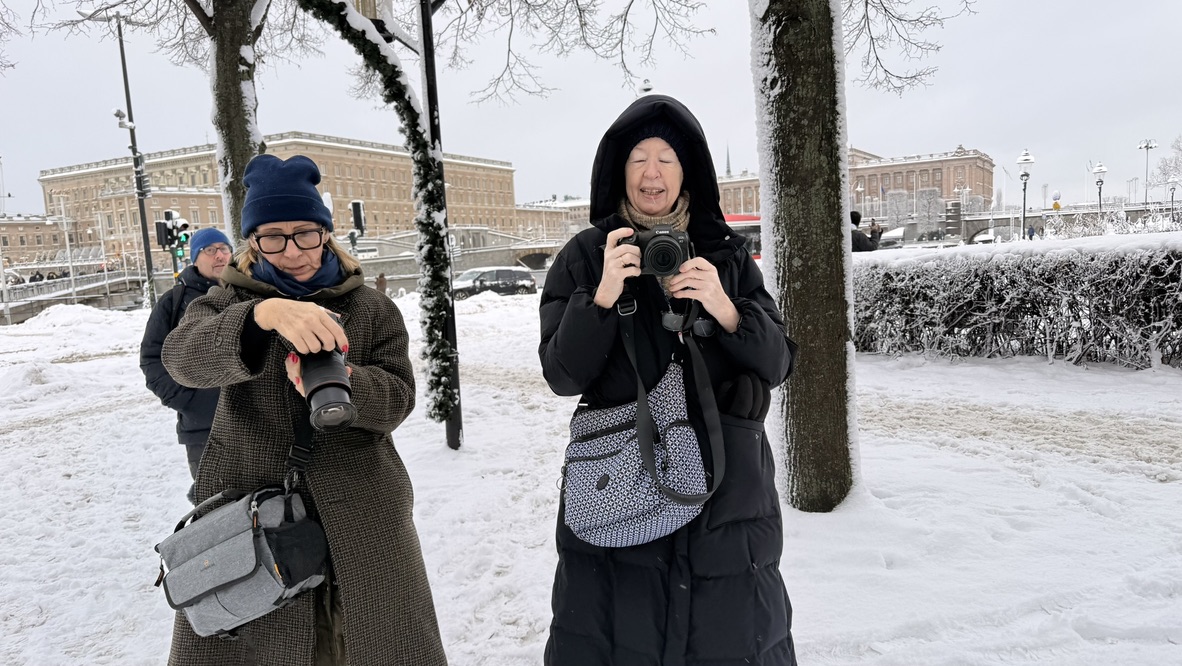
Helen was a good traveller because she was observant. She did not impose preconceptions on new environments. She preferred to understand how things actually worked. She was quicker than me. I could spend long periods in museums reading explanatory labels whereas she rushed through with a glance, taking in what took me deep concentration to do so. We often joked that our marriage functioned as a joint research project into the peculiarities of the world.
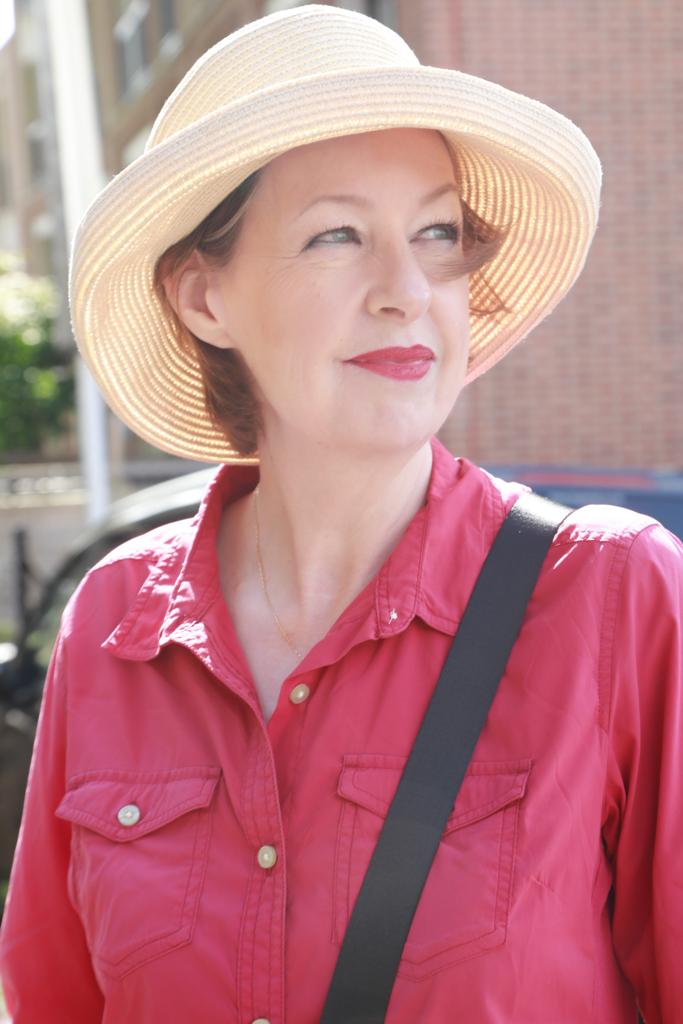
The illness did not extinguish this attitude. Even while navigating oncology pathways, Helen continued to pursue her interest in photography. And although carrying a heavy camera became increasingly problematic, she turned to studio photography, in particular macro photography creating images from water reflections on drops of water on sprouting mosses. She also busied herself putting together photo books, one of all my ancestors going back over a hundred years, as well as a collection of monthly photographs of ourselves that she had been collecting for the forty-eight years we had been together. Her last entry in this one was that she was too weak to continue and thought this would be the last entry.

Six weeks after radiotherapy, something unexpected occurred. Her insulin requirement dropped dramatically. Her glucose levels stabilised. She had more energy. She required less Creon to digest food. The constant background nausea eased.
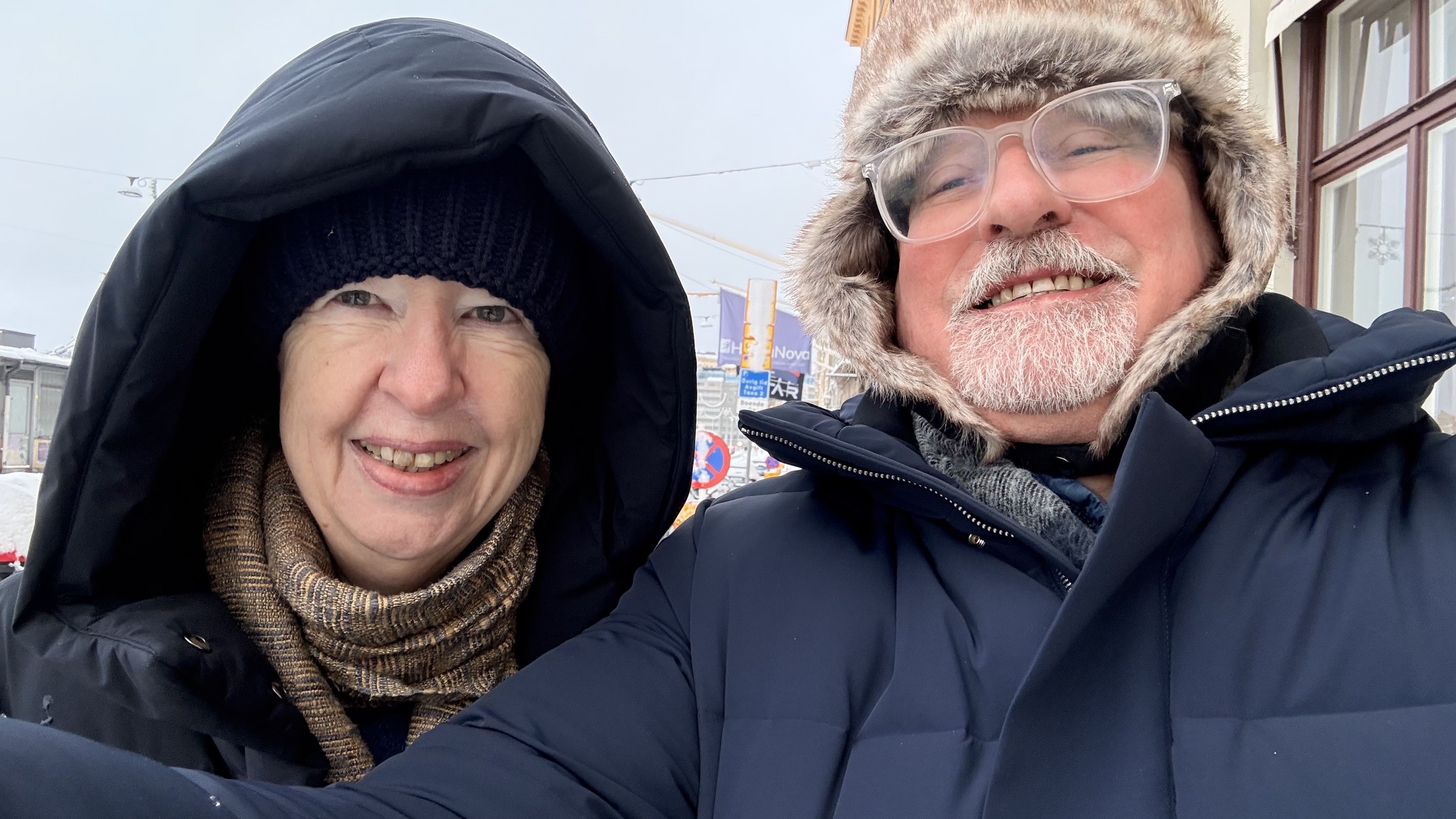
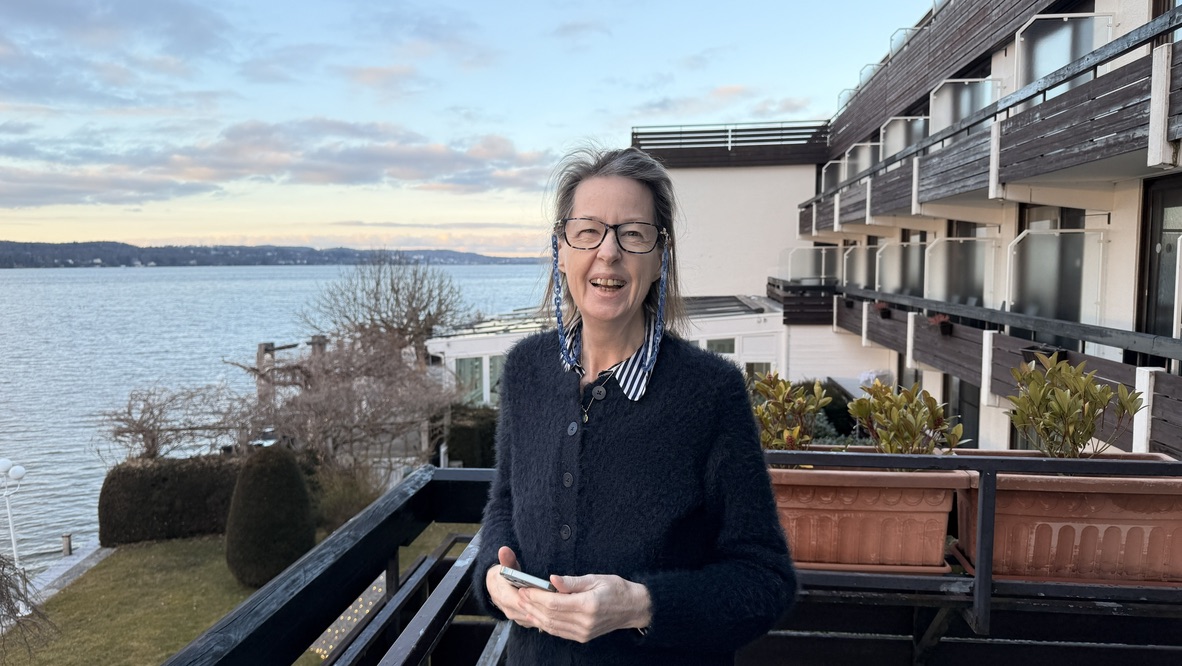
These changes suggested to us that tumour activity in the pancreas had been reduced. Helen began to feel more like herself. Consequently, we decided to travel with friends to Stockholm. It was not a reckless decision but a considered one. Helen believed that maintaining normality where possible was psychologically beneficial. She did not wish her life to become defined exclusively by hospital appointments. Naturally we visited the photographic museum there, meeting up with other friends who shared this passion. And of course we had to go along to the ABBA museum!!! All taking place in minus eighteen degrees with everywhere smothered in spectacular snow.
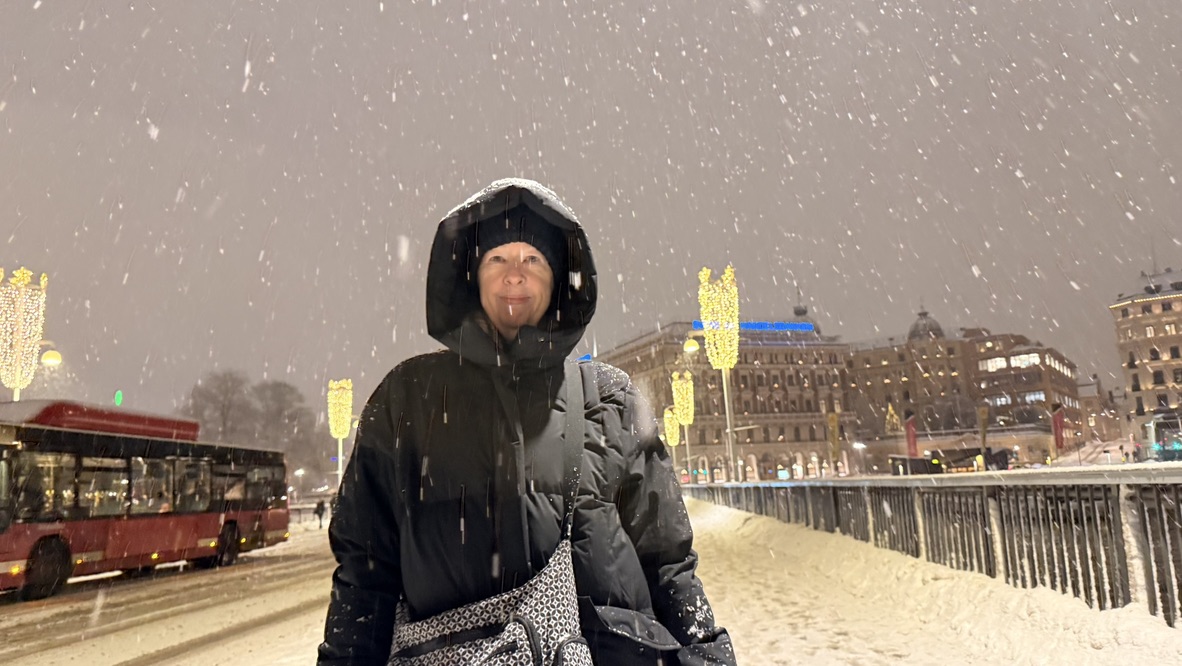
One afternoon we had a champagne tea in one of the harbour side hotels, with a big picture window of the snowy cityscape. Helen drank a glass of champagne without discomfort, which felt momentous. Life had returned. We discussed future travel possibilities cautiously, as if not wishing to provoke fate by excessive optimism. Helen remained measured even in hope. But this improvement meant possibility.
We returned to the UK with renewed determination to pursue surgical evaluation. We examined data regarding operable criteria following neoadjuvant therapy. She understood that radiological interpretation can vary. She hoped the multidisciplinary team would consider the full context rather than rely solely on rigid thresholds. She was fit enough for a risky attempt at saving her life.
III. The Last Hope
The next scan showed metastases in the liver.
Until that moment, everything had still been framed as a problem with a possible technical solution. Tumours could sometimes be shrunk, excised, burned, irradiated, targeted, starved of blood supply, or at least held in uneasy balance for longer than statistics predicted. But metastasis alters the grammar of the conversation. The disease is no longer local. It is no longer contained within a single battlefield. It has begun to travel. Consequently, surgery was ruled out.
Helen listened without visible distress. She had always preferred clarity to consolation. She disliked euphemisms. She disliked theatrical pity even more. She wanted to know what could be done, what could not be done, and what evidence supported each claim. The NHS could offer further chemotherapy but she did not want more chemotherapy. The previous regimen had left her exhausted and shaken. Neuropathy had affected her hands and feet. She described the sensation as though the nerves in her feet had been turned into stones. She tolerated discomfort with stoicism but not pointlessly. She wanted reason attached to suffering.
We began researching alternatives ourselves. Helen approached this phase with the disciplined scepticism of a scientist forced into unfamiliar territory. She read about targeted therapies, immunotherapies, experimental trials, metabolic interventions. She understood the difference between promising mechanism and demonstrated outcome. She understood the danger of small sample sizes and uncontrolled studies. Yet she also understood that scientific progress often begins with small studies.
Germany appeared to offer more experimental pathways than were readily available within the NHS framework. We arranged DNA analysis of the tumour in the hope of identifying mutations that might respond to specific targeted therapies. Precision medicine promises individualisation, though in practice the number of actionable mutations remains limited for pancreatic cancer. Still, information might create opportunity.
We pursued dendritic cell therapy in Munich. The principle, simplified, is that the immune system can be trained to recognise tumour cells more effectively if presented with carefully prepared antigens derived from the tumour itself. The scientific rationale is not absurd but the clinical evidence remains limited.
Helen read the papers carefully. She noted methodological weaknesses, small cohorts, absence of long-term survival data. She did not pretend the evidence was strong. But she also noted that doing nothing was unlikely to produce improvement. Uncertainty, at this stage, was not the enemy. Lack of possibility was the enemy.
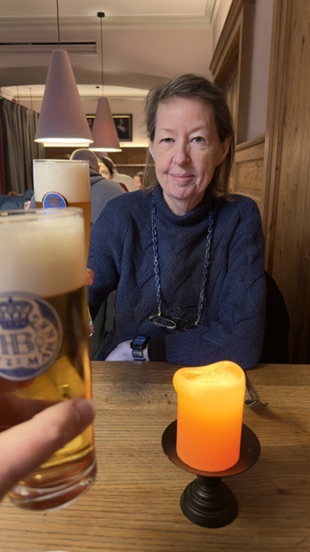
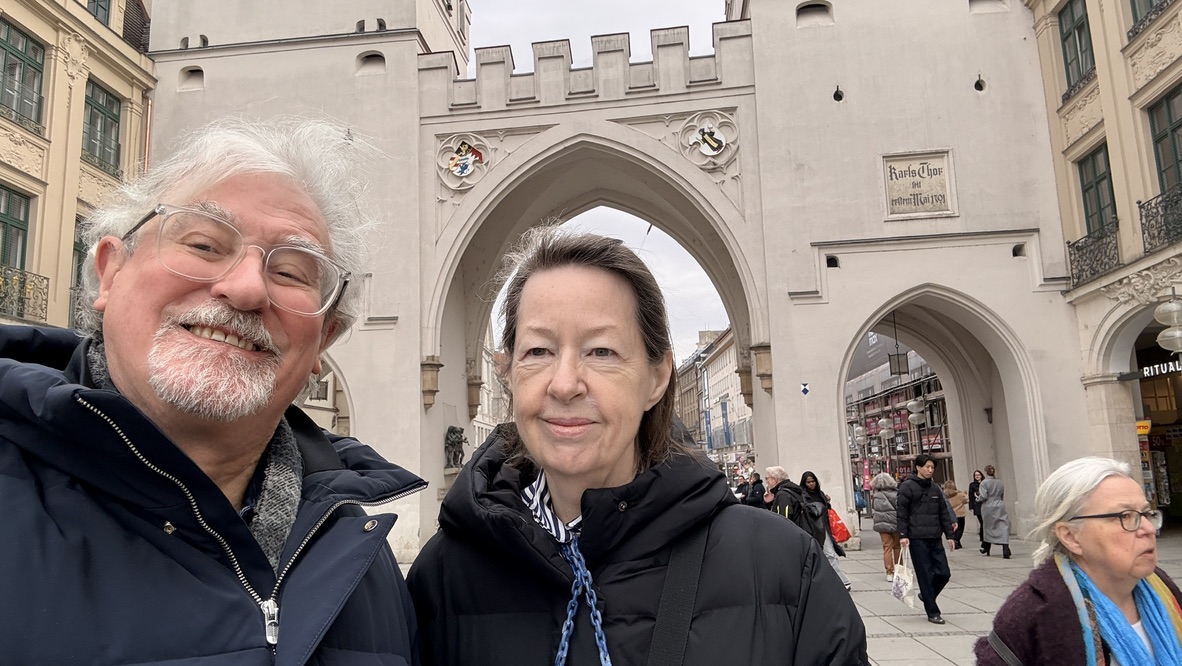
We travelled to Munich and decided that if nothing else this would be an expensive holiday! We booked up a night at a comedy club and we booked a tour of the mad Prince Ludwig’s castle and other historic buildings. All made all the more picturesque in the snow. Helen’s energy was failing but we tried to accommodate rest periods.
It was interesting to discover that an international security conference was taking place with various government heads turning up. Security guys were all over the place and our hotel seemed to be full of men in dark suits, and shifty looks, full of conversations about weaponry of various kinds. Somehow, this seemed apt.
At the clinic we met other patients, many of whom had travelled considerable distances. There was a subdued atmosphere of cautious hope. No one pretended miracles were guaranteed. But everyone present had decided that inaction was intolerable. Canada’s health service so we were told, had similar problems to the UK’s. It too had communication problems and elements of managerial over kill leaching funding from actual medicine.
Helen listened politely to the German Doctor’s explanation of the procedure and took the scientific papers that he gave her as evidence of the efficacy of the treatment. Later, in the hotel room, she analysed the studies with clinical detachment. She did not dismiss them outright. She did not embrace them uncritically. She simply acknowledged the evidence was thin but not entirely implausible. I had my doubts though. I had come across so many complete charlatans putting forwards expensive and dangerous treatments that I feared that we had become yet another victim. Even so, we decided to proceed. Which indicated to me that for all Helen’s belief in the right to die in the face of long protracted and painful illness, she was not ready to give up yet. She was not doing this strictly for my benefit now.
We convinced ourselves that science progresses continuously. Treatments considered experimental one year may become standard five years later. Survival sometimes depends on remaining alive long enough for knowledge to catch up.
We returned from Munich after the treatment with a commitment to get a scan in three months and send the results to the clinic. There was also a requirement for a booster in six months’ time. This would be yet another eye rolling expense but at the same time it suggested that there was confidence that she would be around in six months’ time.
Back in the UK, Helen however grew weaker. Her insulin requirements fluctuated unpredictably. Some days she required little. Other days her glucose readings rose sharply despite minimal food intake. Pancreatic cancer interferes not only with digestion but with metabolic regulation itself. The organ responsible for insulin production becomes compromised, and balance becomes elusive. Her appetite diminished. Food lost its normal appeal. Swallowing tablets became difficult. Water tasted strange to her. She described it as metallic or simply wrong.
I contacted one of the pancreatic cancer institutions that offered medical advice and they suggested that she could have a milder form of chemotherapy that could at least control the liver cancers. Similarly, I had discovered that a new therapy was available in the UK, histotripsy, and that it was being used in Cambridge. I immediately contacted Cambridge and they said that I would need a referral from our oncologist. So we went back to the NHS oncologist who dismissed all this as a waste of time. The chemotherapy they offered was the one they offered and there was no point in modifying it. The outcome would be much the same, that is, death. Similarly, she dismissed the Histotripsy idea as merely palliative and similarly unlikely to change the outcome. She said, “this is cancer. This is what happens. You have to accept it.” Even so, she ordered a new scan. I think the fact that I had mentioned that Cambridge’s cancer centre was now using histotripsy made her wonder if there was something in this procedure.
In the meantime, the palliative nurses at the hospice prescribed liquid morphine to control Helen’s increasing amounts of pain. But opiates in general caused her severe nausea and abdominal distress. This was due to her unusual metabolic response. Many years earlier she had researched variations in opioid metabolism. She had learned that genetic differences in liver enzyme activity can alter drug effects dramatically. And she had discovered that she was one of the people who did not react well to this drug. She explained repeatedly that opioids made her feel worse. And even synthetic opioids had the same effect. Despite her declaring that she had taken part in an experiment when she had been professor of pharmacology and discovered this effect, they still believed that morphine was the best treatment for her.
However, Panadol, of all things, proved more tolerable and more effective. She accepted this with mild amusement. After decades studying complex pharmacological interactions, the simplest analgesic offered the most relief.
But then the results of the scan came in and blood clots were discovered. She was immediately admitted to hospital. There we hoped anticoagulant treatment might restore some energy. A few years earlier I had experienced a pulmonary embolism myself and recovered fully after treatment. The parallel offered fragile reassurance.
At the hospital we met a Chinese doctor who had taken the time to read her case notes carefully. He addressed her as Professor Wise, using her academic name. The recognition mattered more than one might imagine. Helen had spent much of her professional life teaching students in Asia. She respected the diligence she had encountered there. She immediately trusted him because he at least had paid attention.
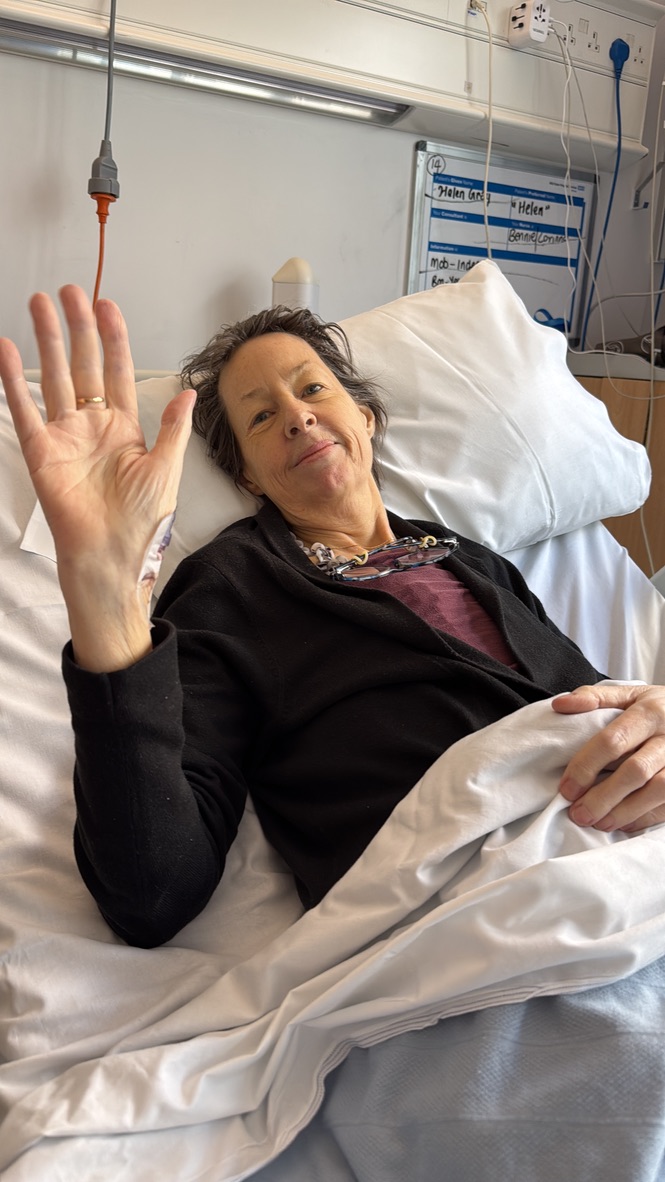
He adjusted her medications thoughtfully and arranged discussion by a multidisciplinary team. For a brief period, we felt something resembling relief. Yet the practical conditions of the ward undermined confidence. Helen spent a night without sufficient blankets and felt intensely cold. Pain management instructions were not implemented because staff could not locate a nurse authorised to administer the prescribed medication. And all night another patient shouted repeatedly that doctors were trying to kill her. We assumed dementia. Yet the echo of the words was unsettling.
I brought Helen home and, in the morning, she declared she could not get up to go downstairs for breakfast. I would have to bring her breakfast. She wanted Frosties but not with too much milk as liquids for some reason were not easy to swallow. I brought the Frosties up and I arranged pillows carefully so she could sit up to eat them. She demanded a plastic bowl beside the bed in case she vomited. She managed only a few mouthfuls and a few sips of ginger tea.
I maintained small rituals that made existence feel less clinical. One night I brought our iPad to the bed and said we should pretend we are in a hotel room doing what we often did when abroad, watch British TV via a VPN on the iPad. So, we watched “Time Team”, a very British show documenting various archaeological digs around the UK. We had done this many times before. Helen enjoyed programmes that combined archaeology with evidence-based reasoning. She liked the way hypotheses were tested by digging carefully rather than being proclaimed theatrically. We also watched a documentary about the search for the Holy Grail, amused by the persistence of myth alongside scholarship. The pretence livened her up, though I could tell that most of the time she had her eyes closed.
We had travelled widely together over the decades: Asia, Europe, Africa, places reached by careful planning or sometimes by impulsive decisions that later became cherished memories. We had developed the habit of turning unfamiliar rooms into temporary homes. We would arrange books beside the bed, connect electronic devices, locate local coffee, establish routines within hours.
She told me she was dying. She said it calmly, as if stating a conclusion derived from available data. She asked that her body be cremated and her ashes scattered over White Horse Hill. She wanted a party afterwards. She did not believe grief should eliminate humour. She told me what she wanted to say and asked me what I would say. I said I would tell everyone how much I loved her and then play Ian Dury’s Hit Me With Your Rhythm Stick. She laughed and said her sister would not understand the joke. Humour remained possible even at the edge of loss.
Hospice equipment arrived: hospital bed, commode, rails. None seemed designed for her particular circumstances. The mattress vibrated continuously to prevent bed sores, producing a faint mechanical hum that irritated her. The bed was too short for her height. When raised to assist sitting, her weakened muscles allowed her to slide downward. But the nurses persuaded us that it would be easier for them if she was in this bed and then departed. She then fell from the bed onto the floor.
I struggled to get her up. She rolled under the bed telling me to leave her there. Then she asked where she was. I eventually managed to lift her back into our own bed and held her while she slept. Physical closeness mattered. We had always slept close together. Even during periods of intense work or travel we had preferred proximity to distance. Physical reassurance communicates what language cannot easily convey.
The next day friends visited. Helen spoke with them lucidly; the morphine had worn off. She was Helen. She asked about their lives. She listened attentively. She maintained interest in others even while her own strength declined.
Later the nurses returned with a morphine driver: a small pump delivering continuous medication through a needle inserted into her thigh. The apparatus looked invasive and alien. Tubing emerging from the body creates an immediate psychological shift. They explained this would be better for her. The morphine would be in small doses and would not cause nausea. It would, in their words, “settle her.”
We finally got rid of them and she became increasingly restless. She asked for Zack, a plush toy her sister had sent. The toy seemed to comfort her. She asked for sheep ornaments from the Outer Hebrides, also sent by her sister. She held them with a faint smile, as if amused by their smallness.
She told me she loved me. She asked what I would do without her. I told her the truth: that I was broken. Romantic language often fails in such moments. Only accuracy remains.
Later she became distressed. “What the fuck, Lawrence! What the fuck!” Helen never swore. Her loss of linguistic restraint revealed the depth of her bewilderment. “I don’t know how to do this,” she said. There is no instruction manual for dying. She spoke of her life being wonderful and too short. She complained about white tea, which she had never liked. She declared “Bees!” and how she could not answer “2 B”, which I assume was some tax form or something. Then she said she had to save forty-one children. Fragments of thought drifted across the threshold between coherence and dream. She attempted to sit upright. I asked her if she wanted to go to the toilet? And I prepared to get up and carry her there. But she fell back against me. Blood came from her mouth. Her eyes staring. Her breathing slowed. Her body relaxed gradually, as if relinquishing effort. She lay on me until breathing ceased. Until pulse ceased.
We had spent decades attending to ordinary needs: meals, travel arrangements, misplaced passports, lost spectacles, forgotten chargers, misjudged weather conditions. We never imagined that this would be the kind of ending to all that. I held her for some time before accepting that she had died.
The room was quiet. Time had narrowed to a single point and then expanded into something difficult to comprehend. The person who had shared forty-eight years of conversation was no longer present to answer. The research partnership had concluded. The conversation had stopped mid-sentence. The world continued.
IV. After Helen
I lay beside her for some time, unsure how long. Time had become strangely viscous in those final hours, expanding and contracting without regard for clocks. Her head rested where it had rested so many mornings, against my shoulder, the position from which we would normally discuss what the day might contain: exercise, breakfast, maybe lunch somewhere, a visit to a garden centre, or maybe something more extravagant, the cinema, the theatre, drinks with friends... Small plans forming the texture of life.
Her breathing had stopped so gradually that part of my mind still expected the next breath to arrive. Her body was warm where it pressed against mine. There is a moment after death when the evidence of absence does not yet persuade the senses. The mind looks for continuation.
Eventually I eased myself from under her and arranged the pillows in what I imagined might be a comfortable position, though comfort was now irrelevant. I remember thinking absurdly that she would not have liked the angle of her neck. I went downstairs and poured a glass of whisky. It could have been any liquid. The act was mechanical rather than medicinal. One does something with one’s hands when there is nothing that can be done with one’s mind.
I phoned the hospice. The nurses arrived with quiet efficiency. They confirmed what I already knew. They completed forms. They removed the morphine driver, detaching the small machine that had seemed so intrusive, a machine I saw as a murderous object, a means of euthanasia that had not been requested. At the very least it was an instrument of surrender rather than care. They asked whether the medication had made her comfortable.
I said it had agitated her. She had felt burning and freezing sensations, had spoken of needing parts of her body cut away. I do not know whether this was recognised as a known reaction or simply registered as another note in a file. I could see they were not certain how to react and then told me that someone would come in the morning.
I considered returning to the bed beside Helen but the physical change in her body had begun. The warmth was fading. Stiffness beginning. The familiar person no longer inhabited the familiar form.
I sat on the sofa but did not sleep. I noticed a text asking how Helen was and I idiotically replied saying she had just died. This was five o’clock in the morning so I was not expecting a reply. But the phone rang and I found myself in a conversation about alternative therapies, of treatments said to have been suppressed or overlooked, of substances rumoured to cure where orthodox medicine had failed. Big Pharma was blamed. I did not argue strongly. Argument seemed pointless at that hour.
I could not escape the feeling that much of the harm we had encountered arose not just from fragmentation but from some malicious intent to harm, or at least use the good intentions of others to cause harm. It might well be the accumulation of small failures of attention rather than deliberate neglect, though any visit to an A & E department provides you with a punitive environment, designed to discourage anyone but the most desperate, and of course it is the most desperate that get the punishment. Policy is at the heart of this situation, a policy that does more than allow the unsuitable to have authority, but encourages them.
In the morning, different nurses arrived. They were gentle and respectful. They washed Helen and dressed her carefully. They placed Zack, the small plush toy she had held the previous evening, beside her. They placed a red rose on the bed. The symbolism was well meant.
I removed the necklace I had assisted her in putting on the previous day. That simple act proved unexpectedly distressing. It seemed like robbery. I sprayed her with her favourite perfume, the one I had given her for Christmas. For a moment her face seemed warmer, almost animated by familiar association. I thought she might still be breathing. The mind resists finality. Eventually I accepted that she was gone.
My sister arrived. We stood quietly, both uncertain how to behave in the presence of someone who had been so fully alive only hours before.
Helen had already specified which undertakers she preferred. They had served the village for four hundred years. Continuity mattered to her. She liked institutions that persisted long enough to develop memory.
I walked with my sister to their office. It seemed surreal to discuss appointment times for cremation as if scheduling dental check-ups. Diaries were consulted. Availability compared. The machinery of death intersects with the machinery of ordinary life in ways that feel indecently practical. People have holidays booked. Meetings arranged. Weddings planned. Life continues even when one life has ended. I did not resent this fact. I simply observed it with the same detached astonishment with which one observes most of reality after bereavement.
The next day I had a blood test already scheduled. I’m of an age where these things are routine. The results were alarming: indicators suggesting possible sepsis, impaired kidney function, and abnormal liver readings. A week later a second test returned results within the normal range. Grief is not purely emotional. It is physiological. Shock travels through the body as well as the mind.
The doctor asked whether I had thoughts of self-harm. I said I did not. I told him I had the temperament of a bomb disposal officer. I have always believed panic rarely improves outcomes. Problems are solved by careful examination, not emotional collapse. Yet it would be inaccurate to say I was unaffected. Trauma alters behaviour in ways not immediately visible. Where this experience will ultimately lead me, I cannot yet know.
Everywhere in the house was Helen. She had shaped the environment: books she was reading, furniture arranged for both aesthetic balance and practical use, lighting chosen to allow TV viewing without glare, kitchen equipment selected not for fashion but for efficiency. Helen disliked waste. She disliked unnecessary complication. She disliked performative luxury, except where our sofas were concerned. These had to be big, soft, sensuous and of course red! And flowers had to be everywhere.
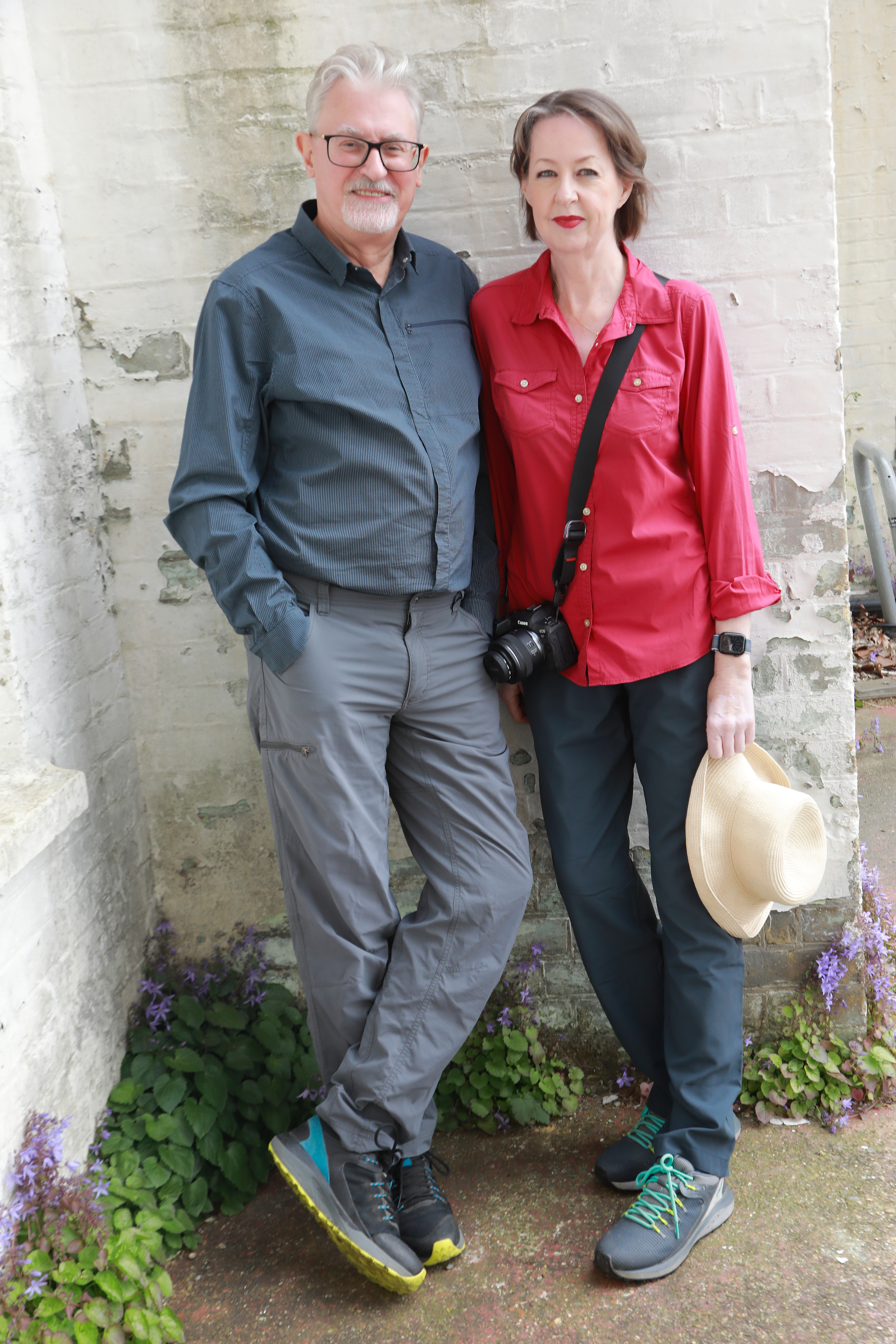
Our lives had been shaped by her presence. We met when she was twenty-four and I was twenty-six. Neither of us was particularly impressive at first glance. I was an uncertain young man still wearing clothes I had worn at school. She was a doctoral student convinced she might fail because her experiments refused to behave as predicted. She believed failure indicated inadequacy. I suggested failure often indicates discovery. A failed experiment still produces knowledge. It demonstrates what does not occur under specific conditions. That information contributes to understanding.
I remember telling her about an exhibition I had seen in which a canvas painted entirely white had been displayed as art. Its value did not lie in the paint but in the context and the question being asked about what constitutes meaning. She seemed intrigued that something apparently empty might still communicate something. And somehow I think I presented myself as a blank canvas upon which she could create the man she wanted me to be.
We moved in together soon afterwards. It was us against the world. We shared the precarious early years of academic and creative work. Neither of us possessed substantial financial resources. We possessed curiosity and stubbornness.
Helen completed her doctorate successfully. She later became a respected researcher and teacher. Students admired her clarity of explanation. She insisted they understand mechanisms rather than memorise conclusions. She believed knowledge should be transferable. She believed understanding should empower. She was not easily impressed by status. She evaluated ideas rather than reputations.
We lived abroad for many years. We adapted to different academic systems, different healthcare systems, different social assumptions. Helen developed strong professional relationships with colleagues in Asia and appreciated intellectual seriousness wherever she found it. She also retained an understated humour. She disliked pretension. She enjoyed precise jokes. She was capable of formidable scepticism delivered politely.
Even during her illness, we made plans for future journeys: a road trip along the Atacama Highway, a wedding in Glasgow, a journey through the Orkneys. Friends from Malaysia were planning to visit the UK and we intended to join them for a trip around Cornwall. Life was expected to continue.
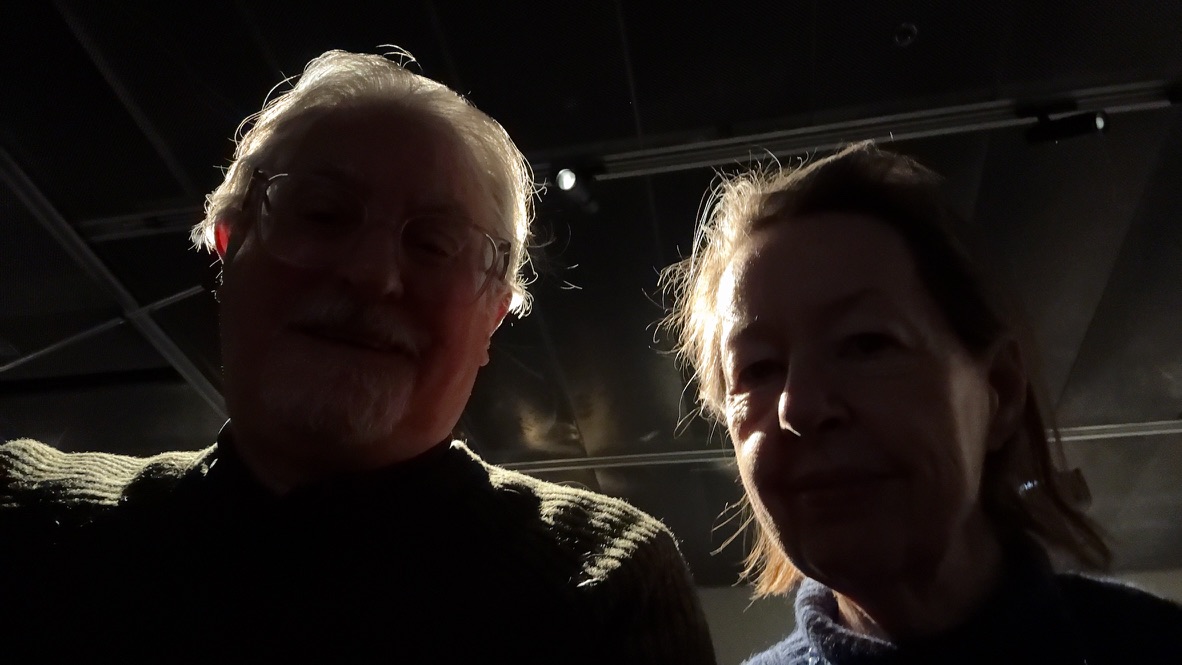
After her death, the house felt both full and empty simultaneously. Her books remained open with bookmarks marking places she intended to return to. Notes remained beside her bed. Reading glasses casually tossed on the bedside table. A desk full of papers and a computer full of mysterious passwords that I would have to decipher to find out email addresses, bills to pay, tax information. Each object implied continuity. Each object contradicted the absence.
Reflecting on the course of her illness, I found myself returning repeatedly to the question of how often she had been treated as an instance of a category rather than as a specific individual with particular knowledge of her own physiology.
Helen understood pharmacology at a professional level. She attempted repeatedly to explain her unusual metabolic response to opioids. Her explanations did not appear to influence prescribing decisions. Standard protocols were applied. Standard assumptions were applied. Standard timelines were applied. Even well-meaning clinicians appeared constrained by systems that prioritise procedural consistency over individual nuance.
This is not to accuse individuals of malice. Most individuals we encountered appeared to believe they were acting appropriately. Yet good intentions do not necessarily produce good outcomes. A system can depersonalise without conscious cruelty. It can apply categories efficiently while overlooking variation. It can prioritise throughput over comprehension.
Helen was not resistant to treatment. She was resistant to treatments that did not appear rational for her particular case. She wished to be engaged as a collaborator in her own care. She wished her expertise to be recognised as relevant. She wished attention to be paid.
In many encounters, attention seemed in short supply. Some clinicians were kind. Kindness, however, does not substitute for curiosity. One can be sympathetic yet inattentive. One can follow guidelines yet fail to observe anomalies. One can behave professionally yet fail to listen.
Looking back, the most unsettling aspect is not overt indifference but the quiet persistence of procedural momentum. Forms must be completed. Boxes must be ticked. Referrals must follow sequence. Protocols must be applied. Meanwhile the particular patient continues to change.
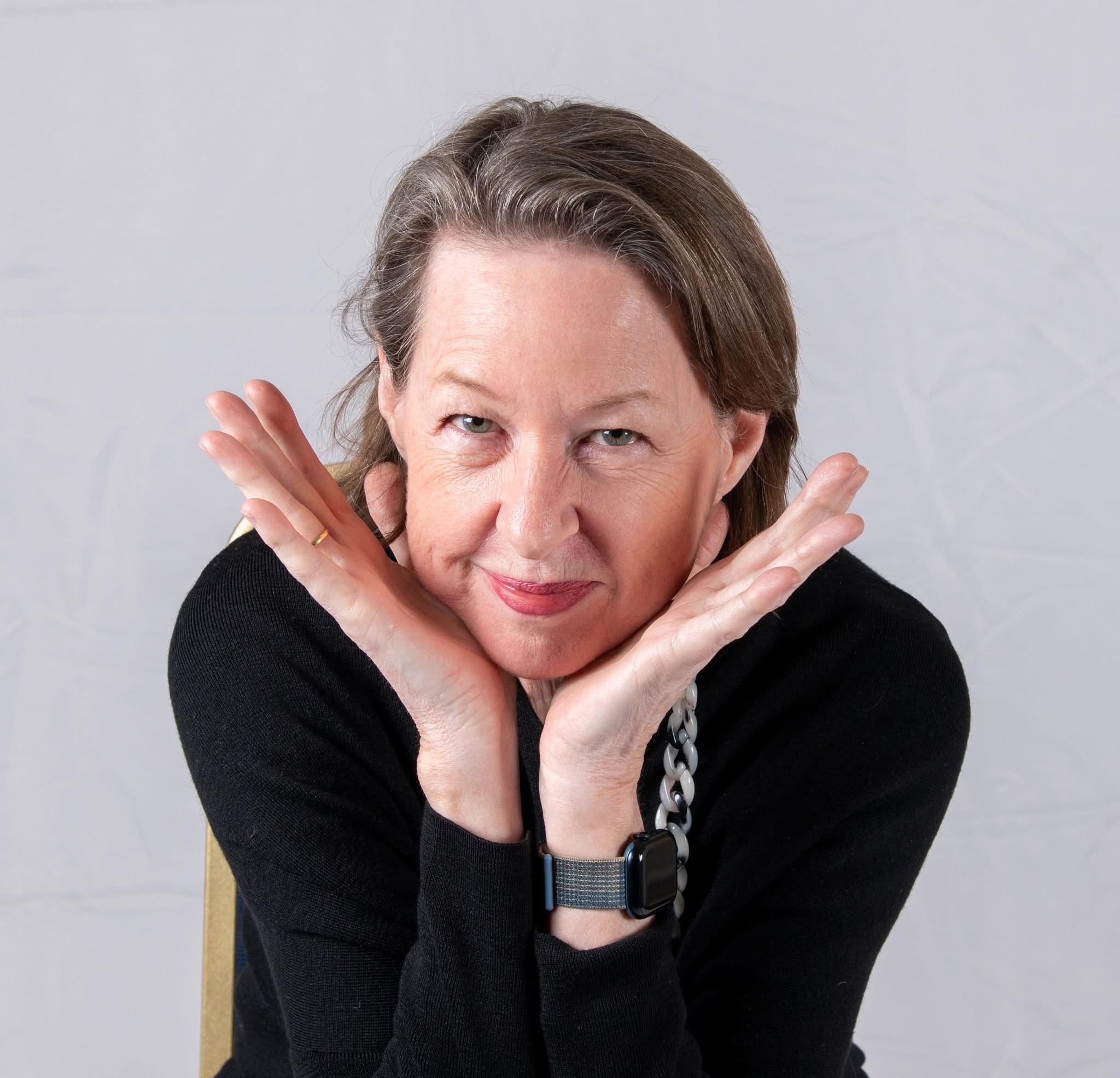
Helen wrote a note on her phone before she died: “Don’t be sad at my passing. I’ve had a wonderful life. I met wonderful people and had lovely friends. My only complaint is that it could not last longer. Love to you all.”
Her generosity and courage remained intact even at the end. She wished to comfort others. She wished to minimise distress.
I understand the impulse. Yet I find myself unable to obey her instruction. I think we should be sad. Sad that such intelligence, such discipline, such quiet humour, such curiosity has been removed from the world earlier than seemed necessary. Sad that attention was not always sufficient. Sad that systems designed to protect fail to recognise the particular. Sad that the person I spoke with every morning is no longer present to answer. Sad that the conversation has ended. Sad that love, however persistent, cannot negotiate with biology indefinitely. Sad that forty-eight years can feel both immense and insufficient.
I remain grateful that she died at home. I remain grateful that I was holding her. But gratitude does not eliminate grief. Grief is the continuation of love when conversation has ceased.

Archives
WORDS OF OCCASIONAL WISDOM:THE BLOG
TRAVEL:
HISTORICAL ROAD TRIP AROUND MALAYSIA
Parts:
1, 2, 3, 4, 5, 6, 7, 8, 9, 10, 11, 12, 13, 14, 15, 16, 17, 18, 19, 20, 21, 22.
IN THE FOOTSTEPS OF ISABELLA BIRD
Parts:
1, 2, 3, 4, 5, 6, 7, 8, 9, 10, 11, 12, 13, 14, 15, 16, 17, 18, 19, 20, 21, 22.
BOOKS:
ADAMS FRANCHISE
COP SHOW HEAVEN
ODDS AND SODS
LIMINAL BRITAIN
FILMS:
LUST AND FOUND
ZOMBIE RADIO
DOCUMENTARIES:
THE HIDDEN HISTORY OF JOHOR BAHRU
THE HIDDEN HISTORY OF JOHOR LAMA
OTHER PAGES:
FABULOUS SHORT STORIES
SCREENWRITING TIPS
TRAVELING WITHOUT A PURPOSE
Johor (1)
philosophy (1)
#bonkers #animation #stopaction #whimsy (1)
#time #science #philosophy #physics #relativity (1)
After covid (1)
Age (1)
ageing (1)
Article on British and Malay cultures. (1)
Autobiography (1)
Baby boomers (1)
birthday (1)
bonkers (1)
british (1)
British Society (1)
Cigars (1)
comedy (1)
Cool (1)
corvid19 (1)
covid19 (3)
Demonstrations (1)
Documentaries (2)
Endlockdown (1)
Endoftheworld (2)
Endsocialdistancing (1)
Epidemic (2)
Extradition Bill (1)
fiction (1)
fifty year old music (1)
Hansard (1)
History (4)
history (1)
Hong Kong (1)
humour (1)
Jeeves (1)
Lifestyle (5)
Literature (2)
Lockdown (2)
Malaysia (1)
Music (1)
P.G.Wodehouse (1)
Parliament (1)
Philosophy (2)
Plague (2)
Politics (3)
reminiscence (1)
smoking (1)
Social Distancing (3)
The Future (2)
The meaninglessness of it all (1)
The Plague (2)
The virus (1)
Travel (4)
travel (1)
Umbrella Revolution (1)
vice (1)
video (1)
virus (1)
vLOG! (1)
Wisdom (1)
Wooster (1)
Writing life (1)