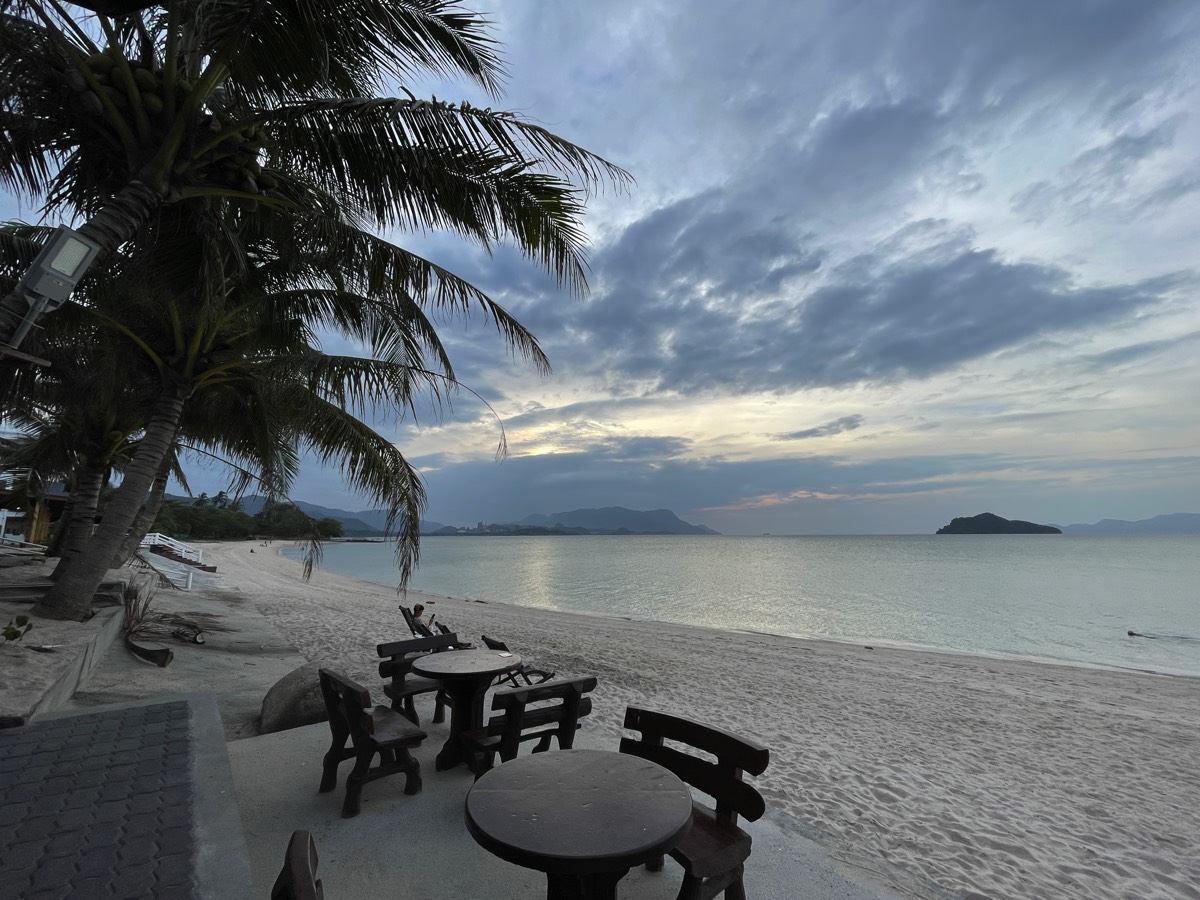
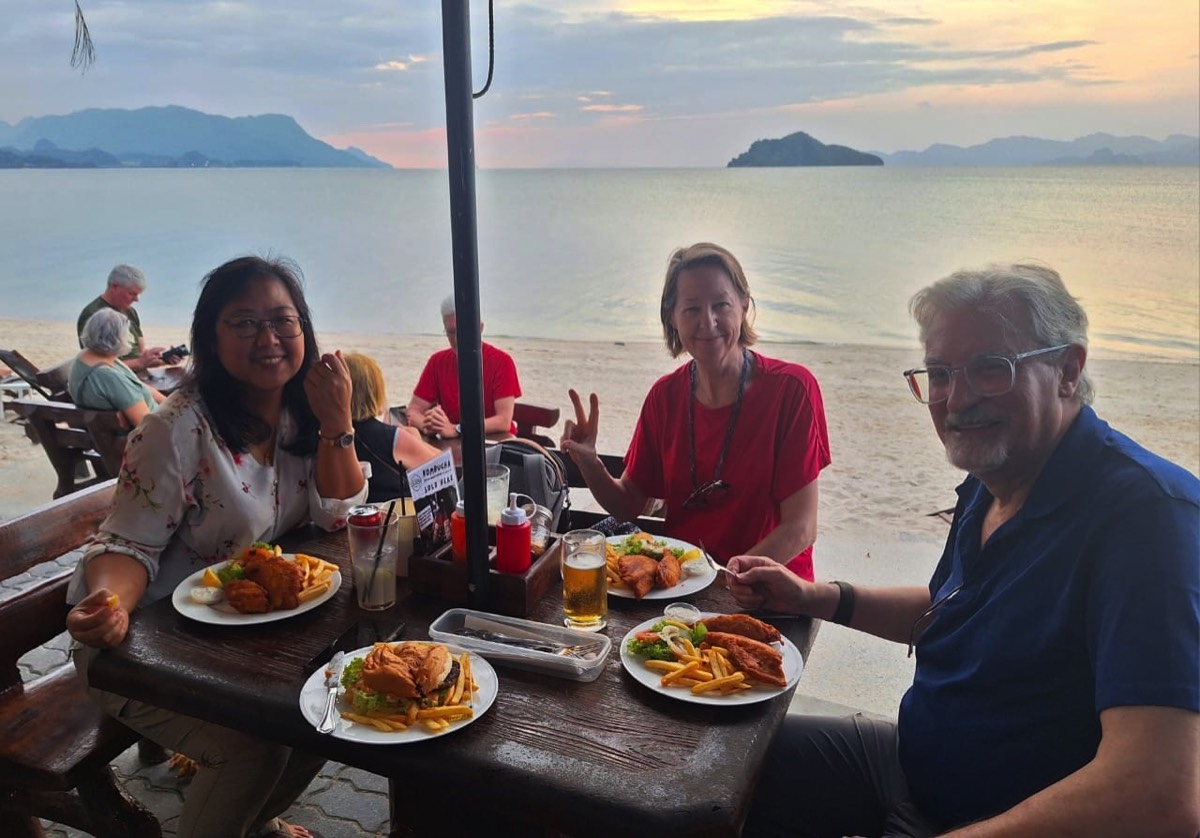
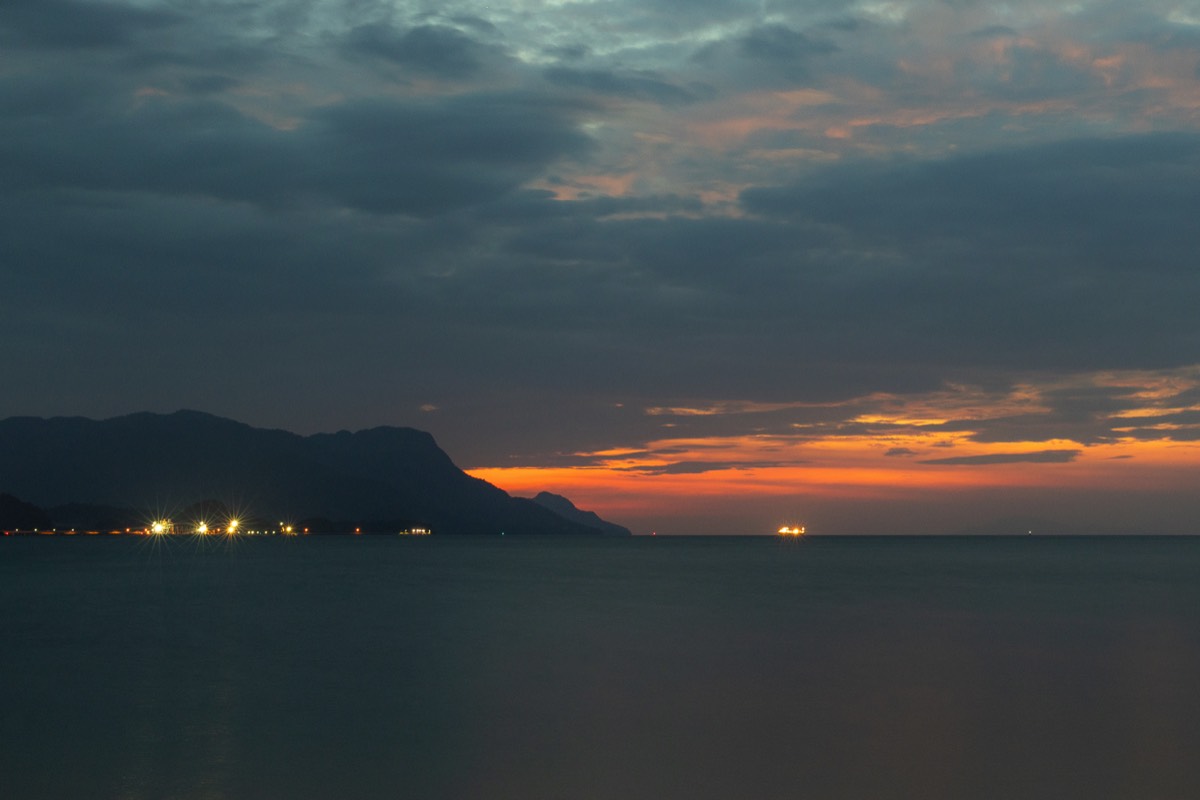
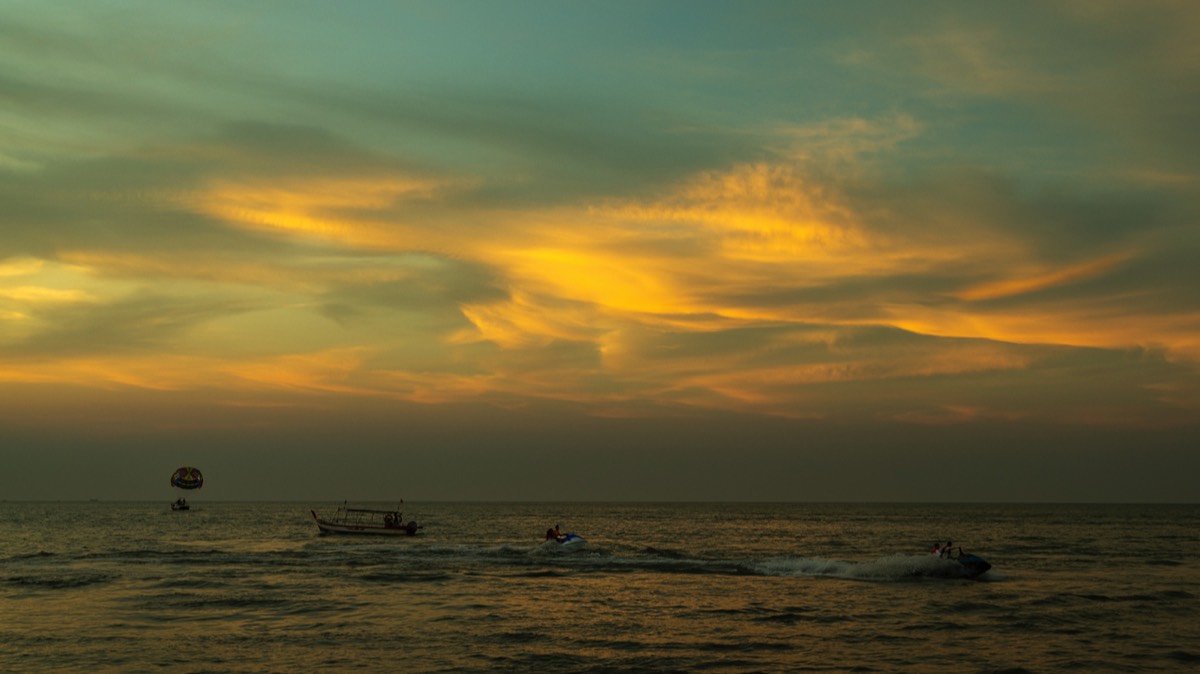
Having lived in Malaysia for 6 years, it's hard not to miss the place and the people. So we returned for a month's holiday in spring 2025, staying with our good friends Hanis and Faizal in Johor Bahru. They both joined us for a mini-adventure starting in the northwest coastal island of Langkawi. We first headed out to Tanjung Rhu beach to test the waters, and then drove to enjoy sunset views from the renowned Scarborough FISH 'n' CHIPS beach restaurant.
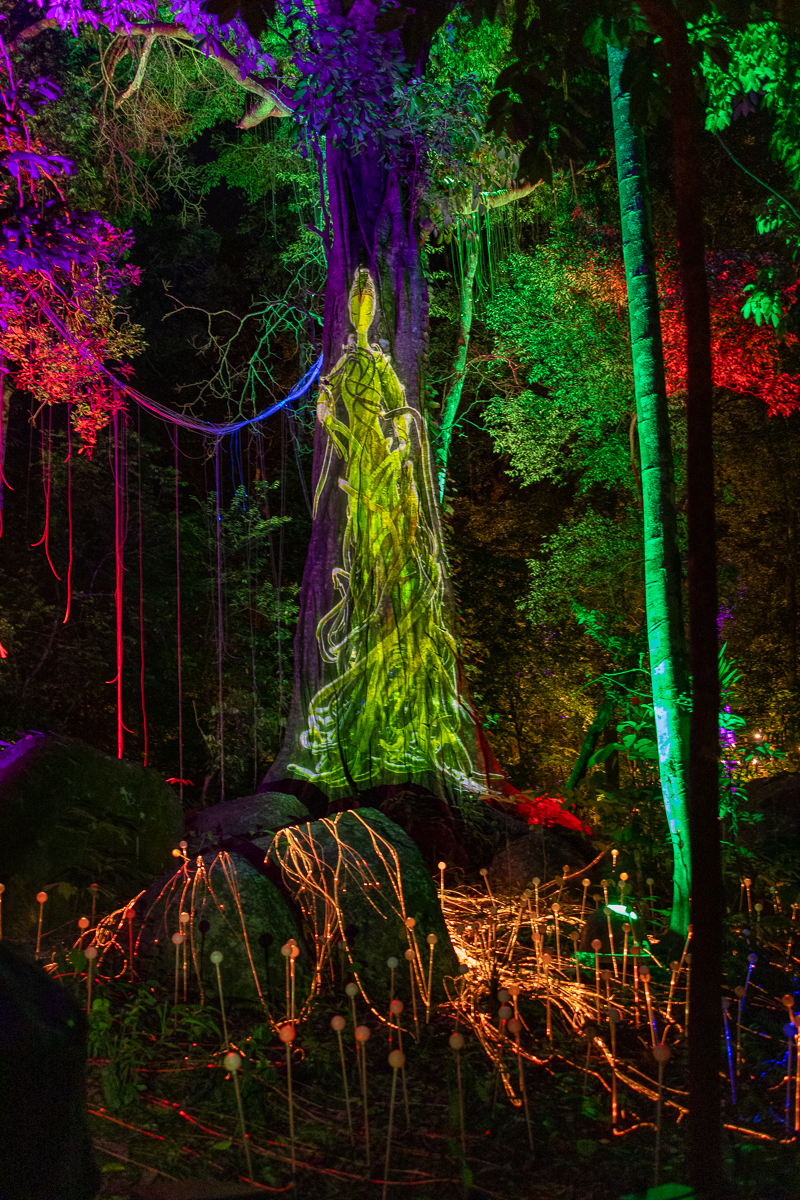
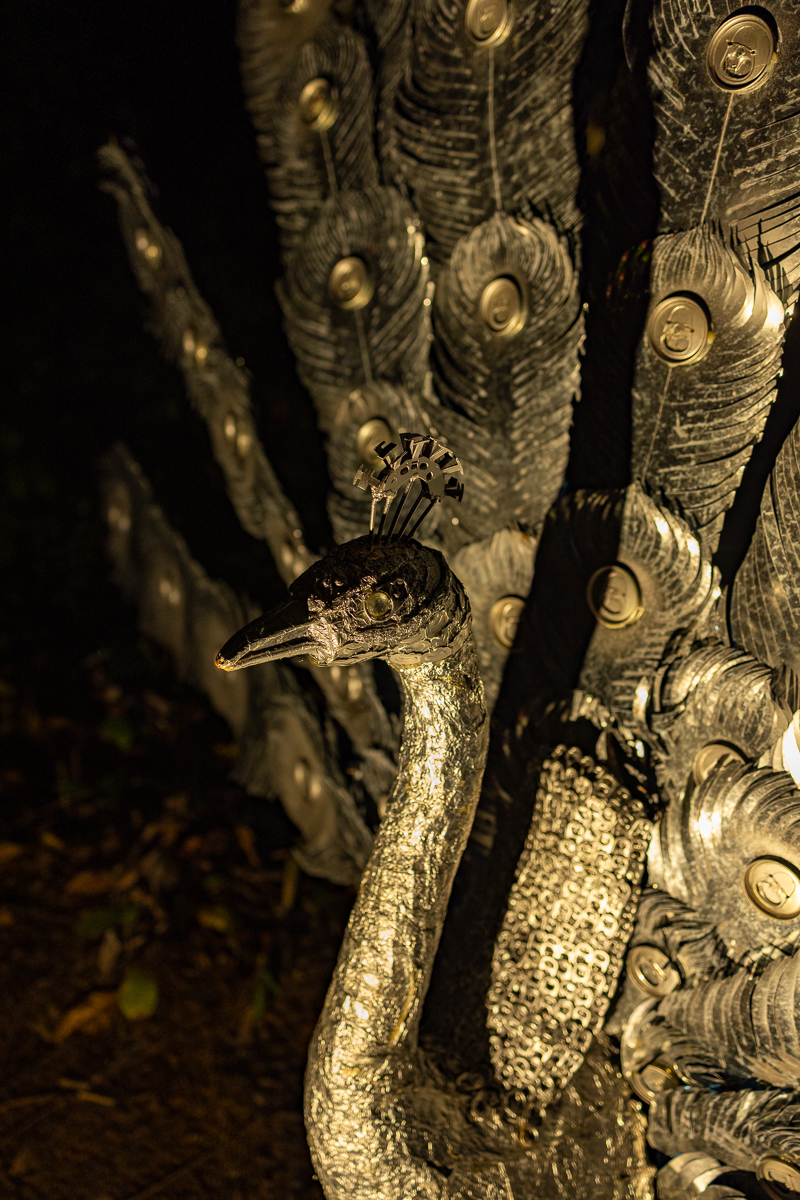
Langkawi is best known for its beach resorts, but there are other tourist attractions. The latest is the Dream Forest where the foundation myths of Langkawi are played out by sound and light displays as you walk around the forest.
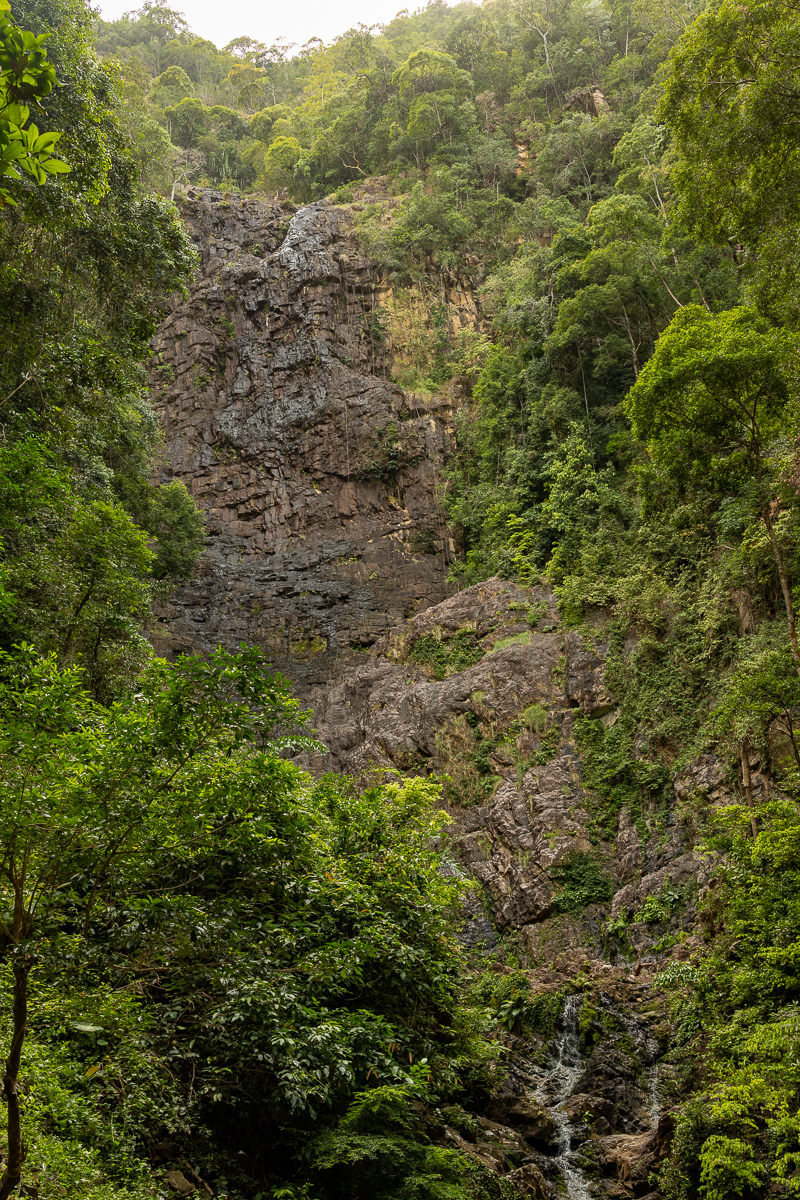
Langkawi is also known for its 'green' activities and the wildness of its country parks. So we drove to the Temurun Waterfall which is a three-tiered waterfall with a cumulative drop of about 200 metres. But the weather patterns have been changing, and on this occasion there was barely a trickle of water flowing down the northern slope of Mount Mat Cincang.
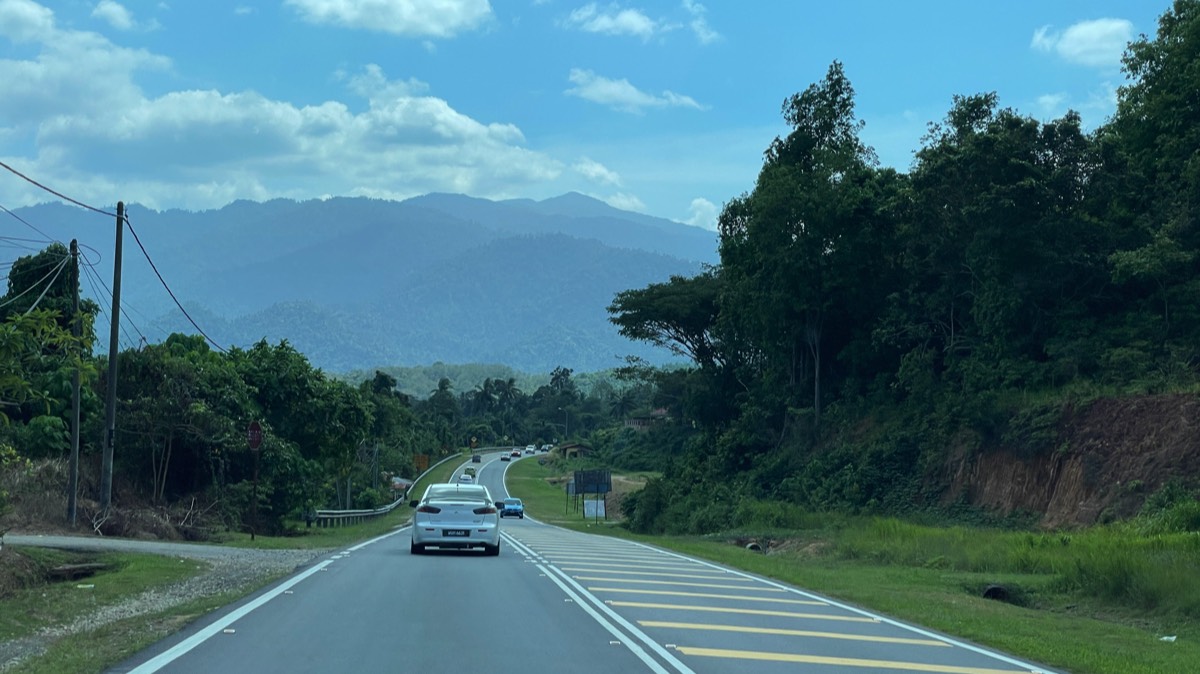
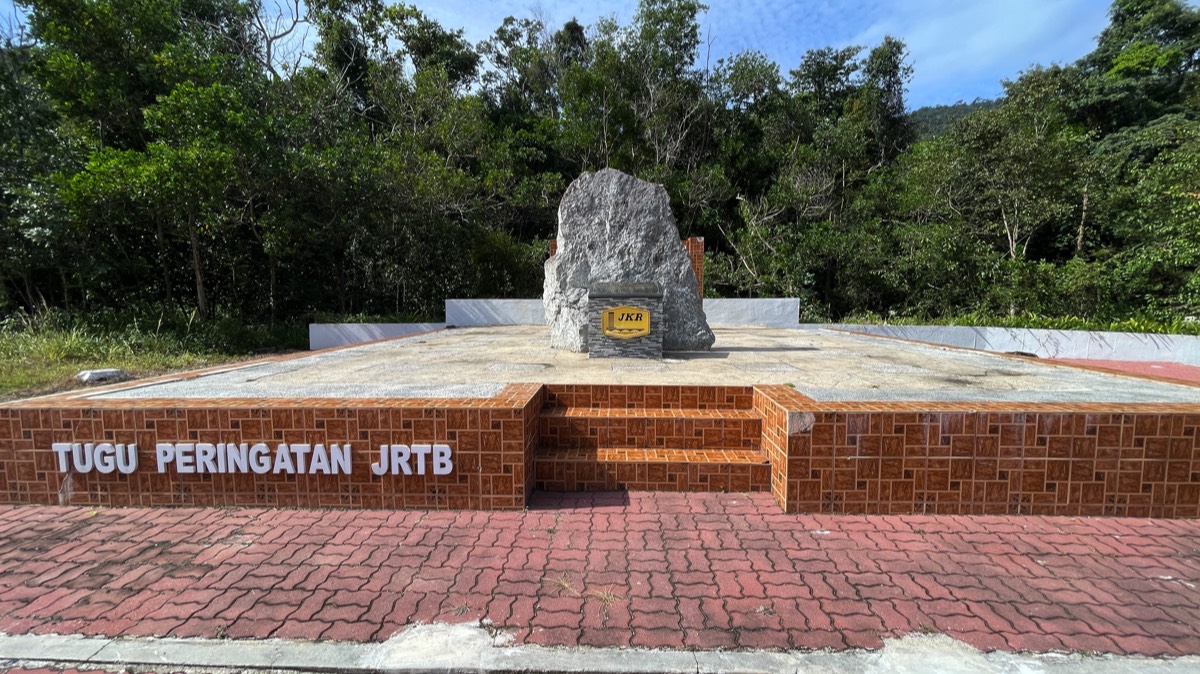
After a short flight to Penang, we had a long drive on the east-west highway (Federal Route 4) to our next destination. Peninsular Malaysia is divided by a range of hills down the length of the country. The west coast is well served by a major highway, while the east coast has mostly two-lane roads. And getting from one side of the country to the other appears to be discouraged by road builders! Route 4 goes from Gerik in Perak to Jeli in Kelantan, and traverses the Titiwangsa Range. We came across a Highway Memorial stone which notes its historical importance as it was built during the communist insurgency in 1970s - 1980s. This road had military importance to cut off the communist terrorist threat from save havens in Thailand. The memorial is to recognise the many workers who were killed or injured by the communists during the building of this road. The communists thought that the road was of no benefit to the locals and an imperialist conspiracy.
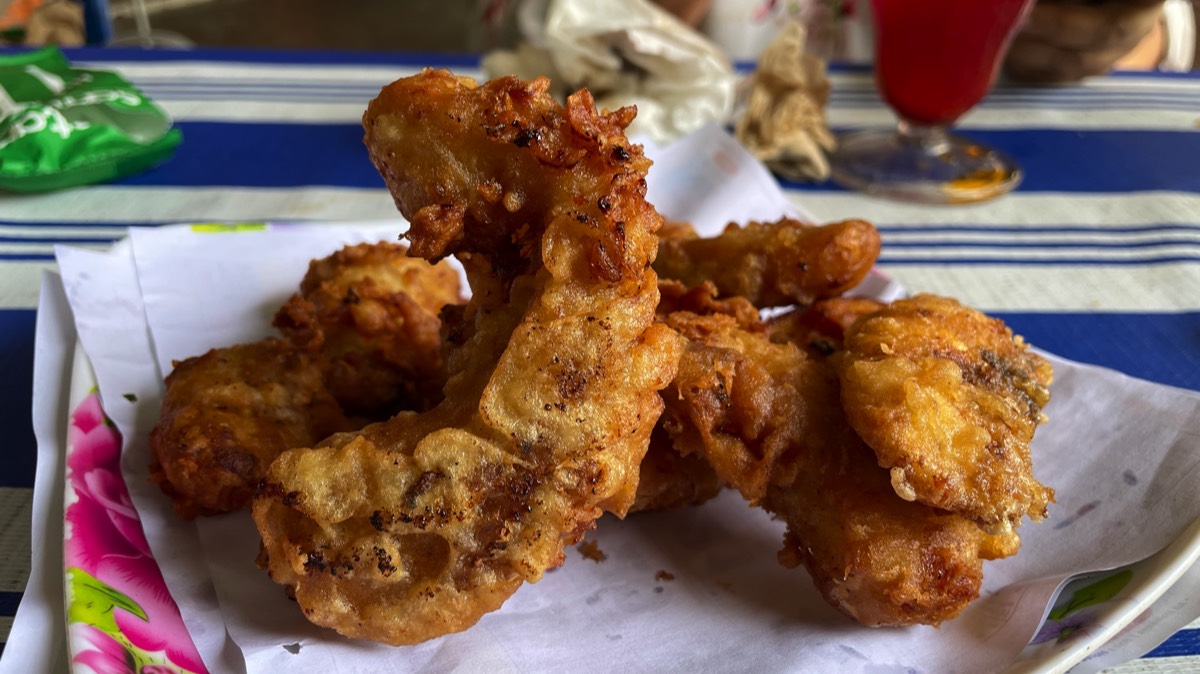
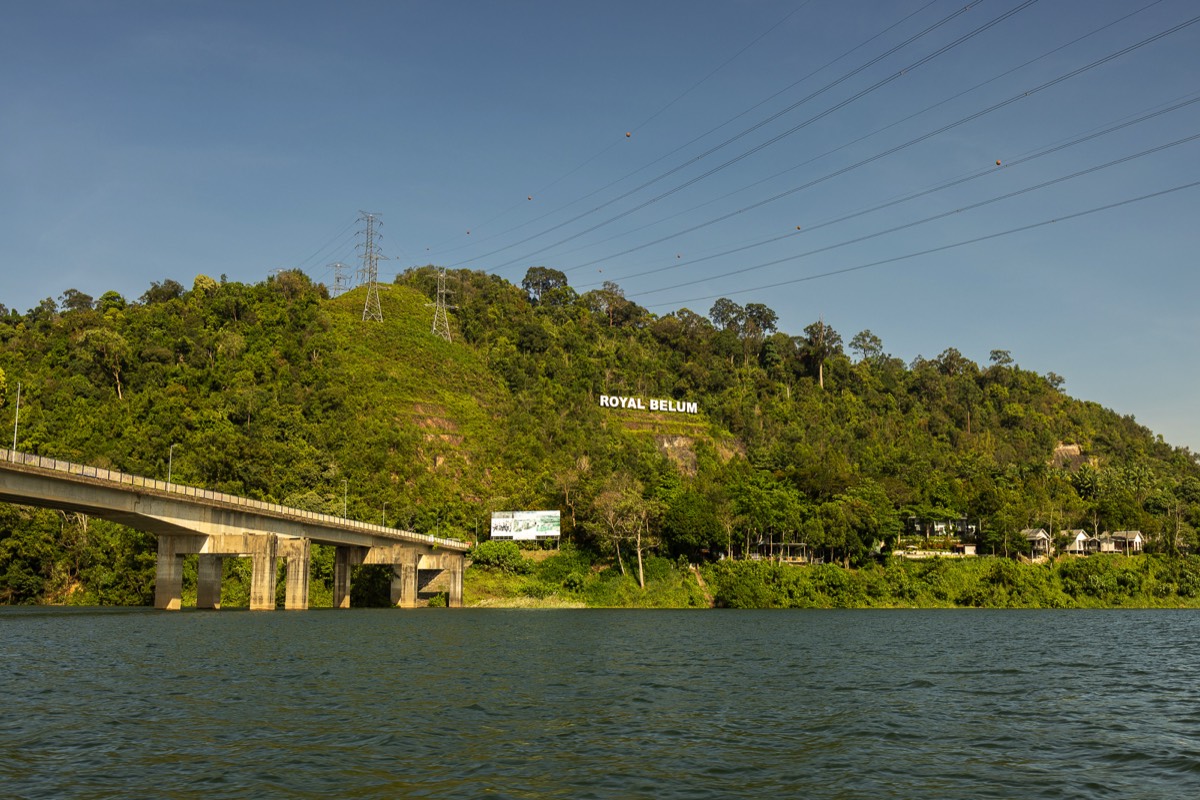
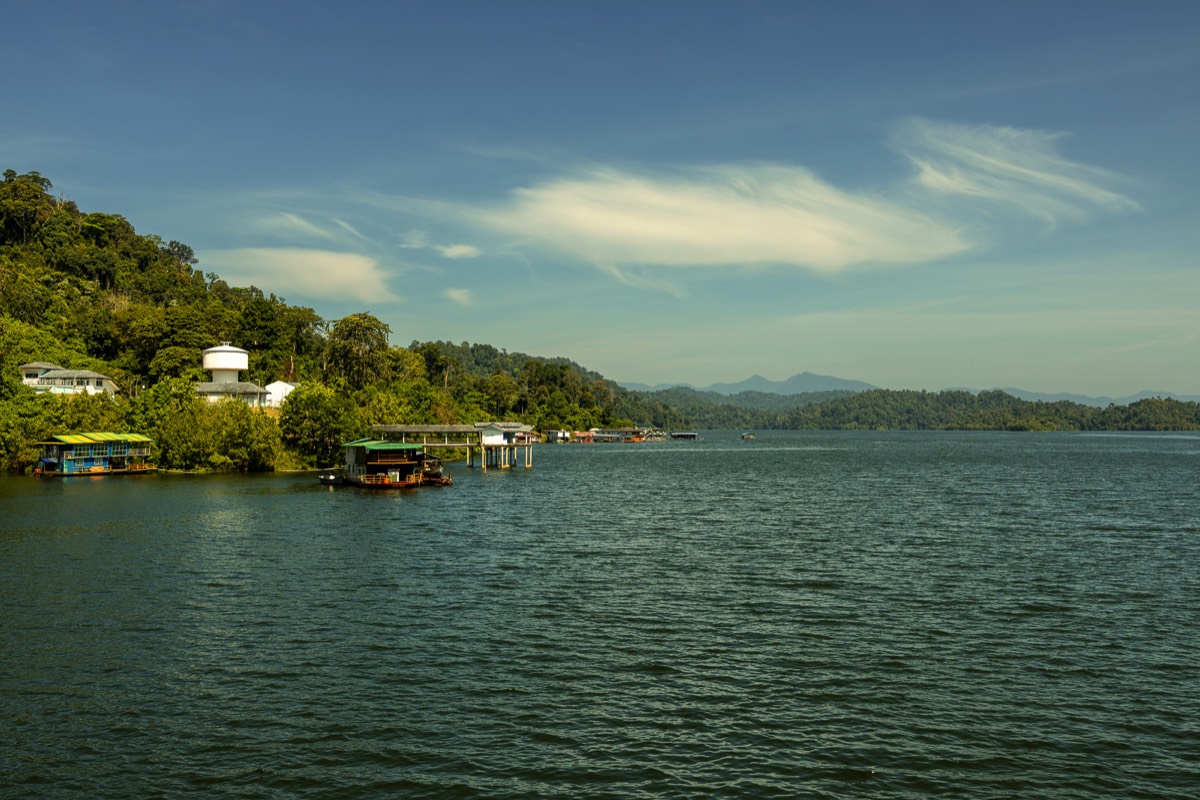
We travelled this road to reach the Belum Rainforest Resort, located on the edge of the manmade reservoir Lake Temenggor, which supplies water to the state of Perak. Our journey took a lot longer than expected due to a landslide just past our destination. So we stopped at roadside eatery and ate the most delicious deep fried bananas.
On one side of the small island housing the Belum Rainforest Resort is the Royal Belum State Park, and on the other side is the Temenggor Forest Reserve.
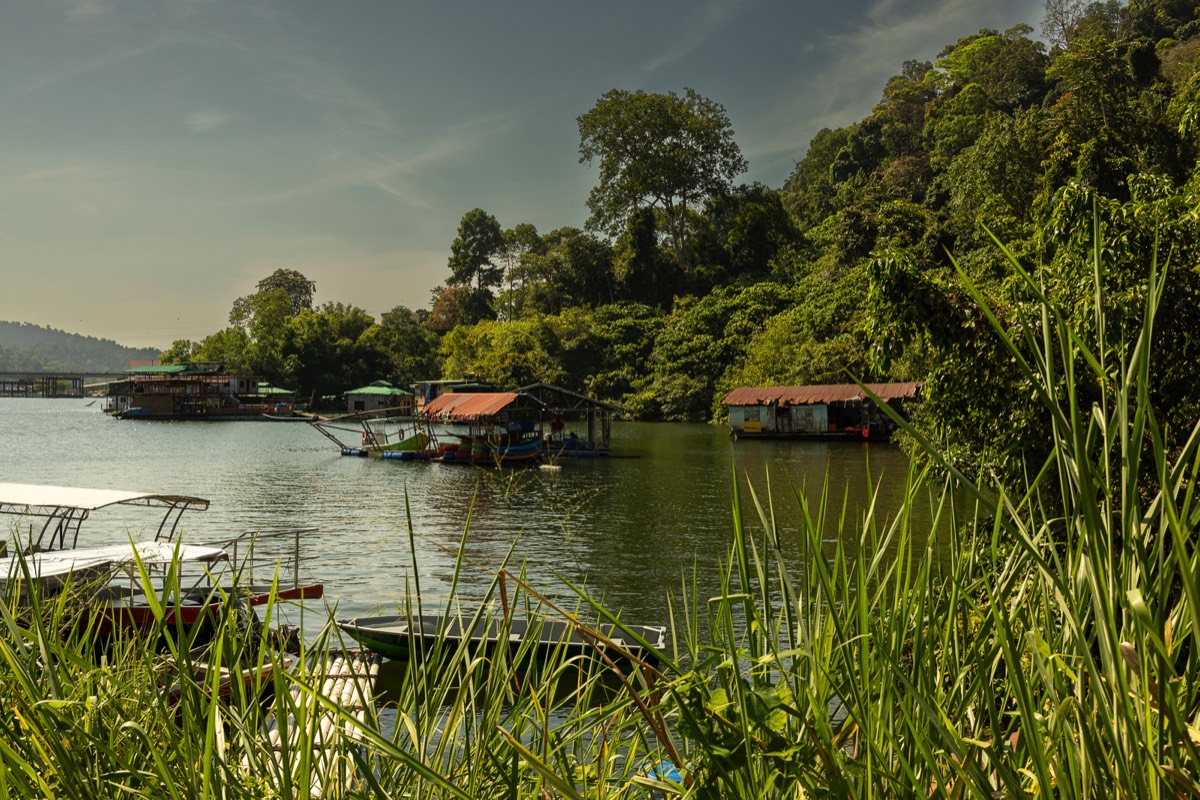
This area is quite remote with people still living on houseboats around the lake's edges. Today one can hire houseboats for holidays, but I prefer dry land. Its remoteness means that the sky is filled with stars at night, and the resort had a good rooftop space where you could lie down and watch the night sky in a way which is impossible in much of the UK.
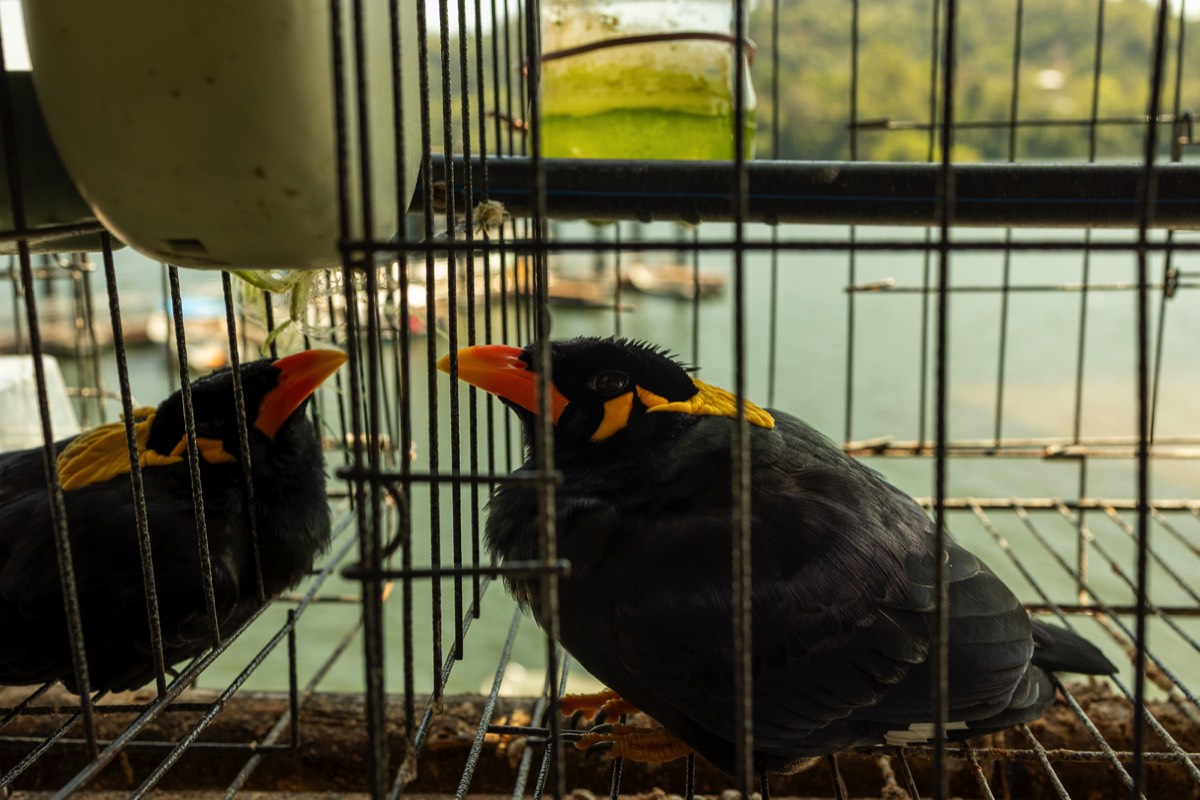
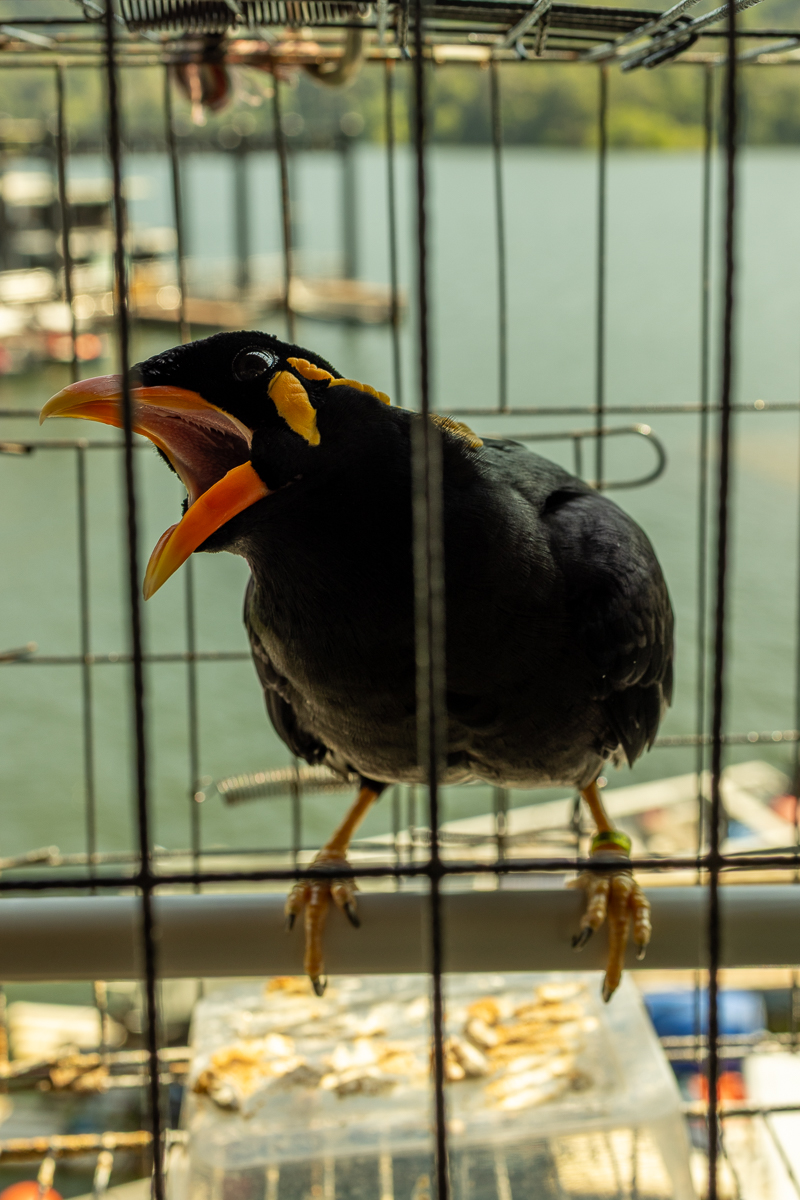
It is not unusual to see caged song birds in Malaysia. These are Common Hull Myna birds with striking yellow head plumage.
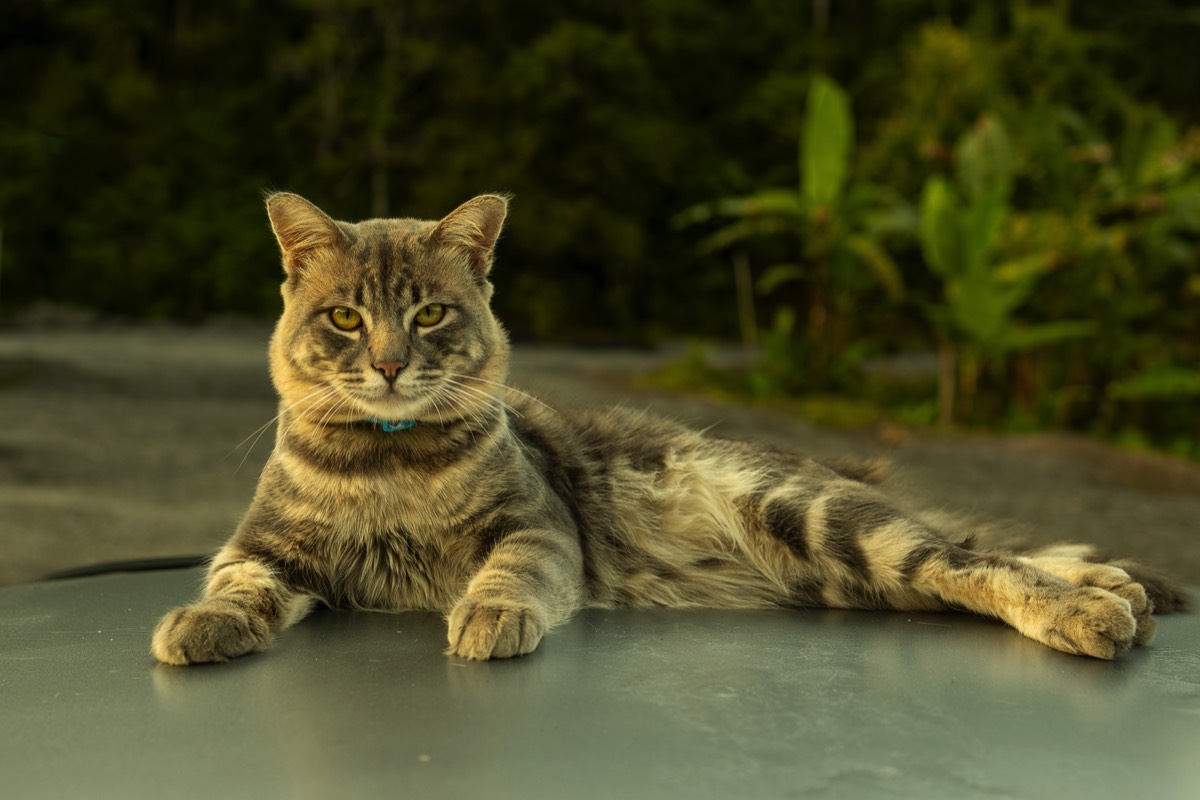
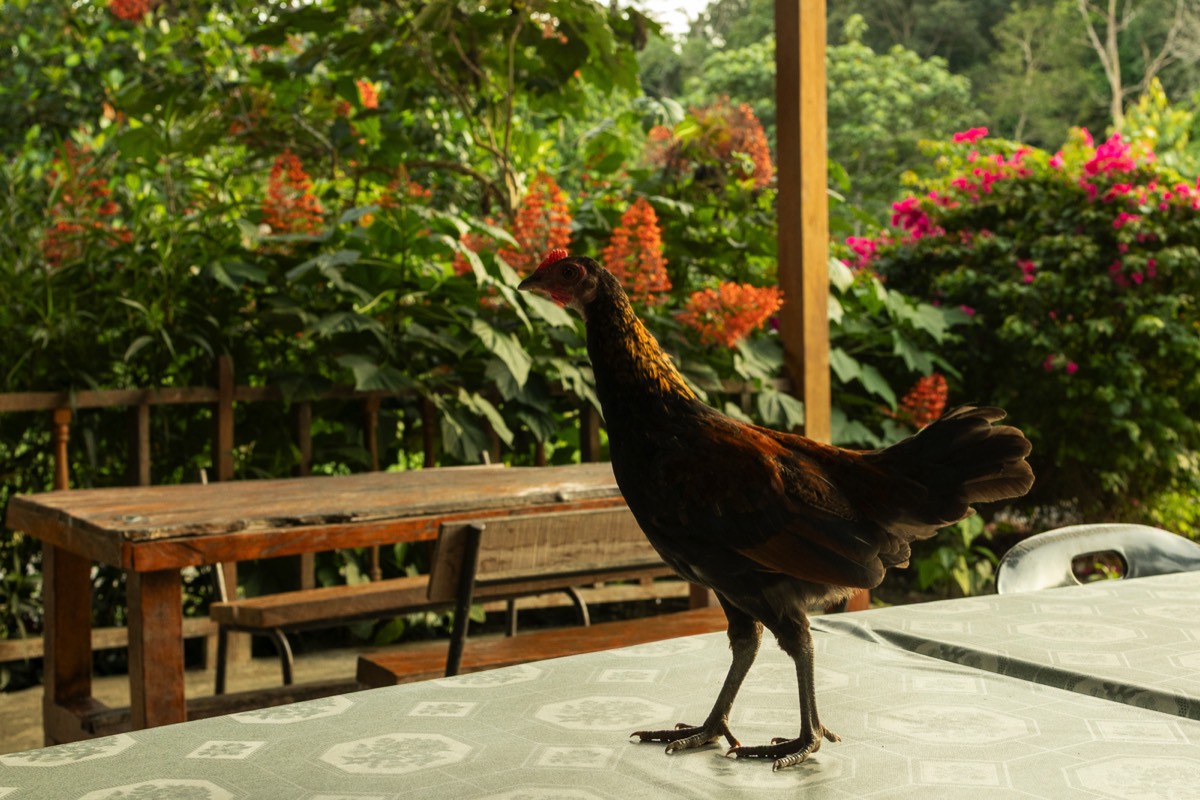
Here is some other 'wildlife' seen at a local fish restaurant.
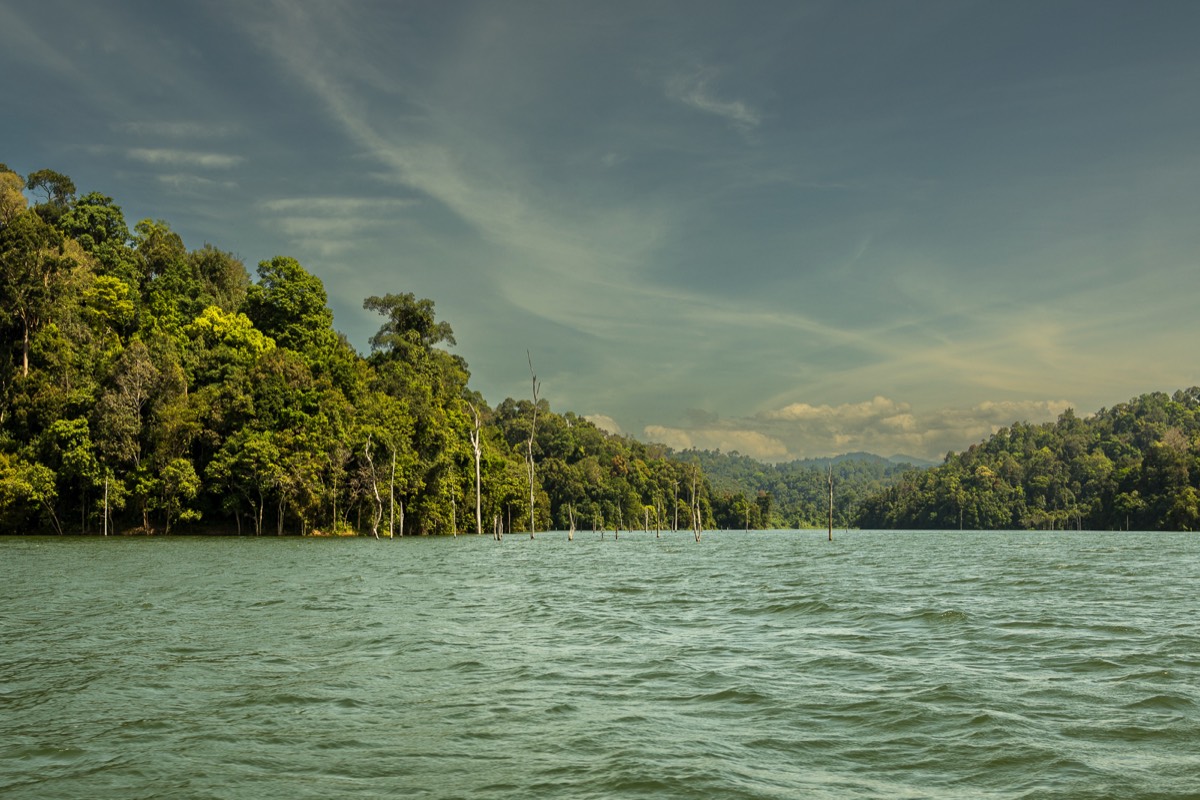
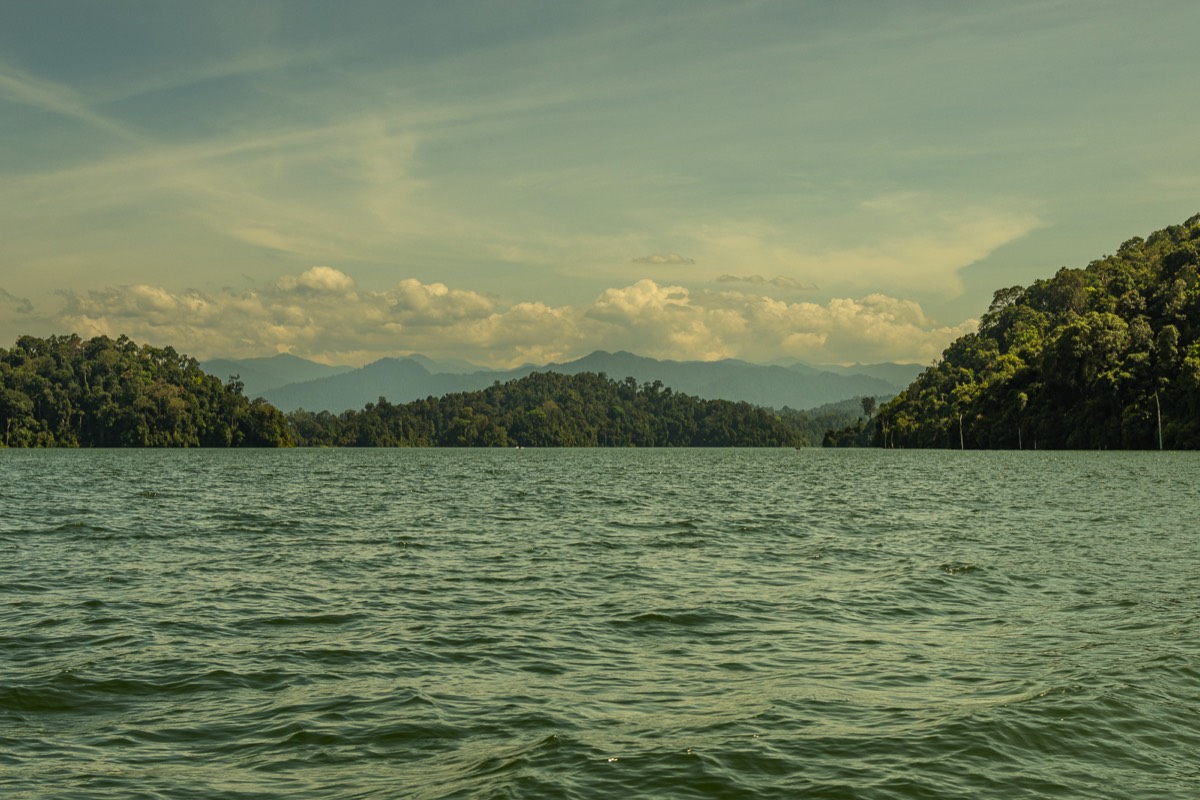
I could not escape the obligatory boat ride on the lake. Much of the forest you see is secondary forest which has fewer varieties of trees than primary rainforest. We were supposed to stop at a waterfall for a picnic, but unlike Langkawi, there had been too much rain here and the water level was too high for us to land. There are occasional sightings of tigers and elephants along the lakeside, but none were seen today. I had hoped to see hornbills, but it was not the right time of year.
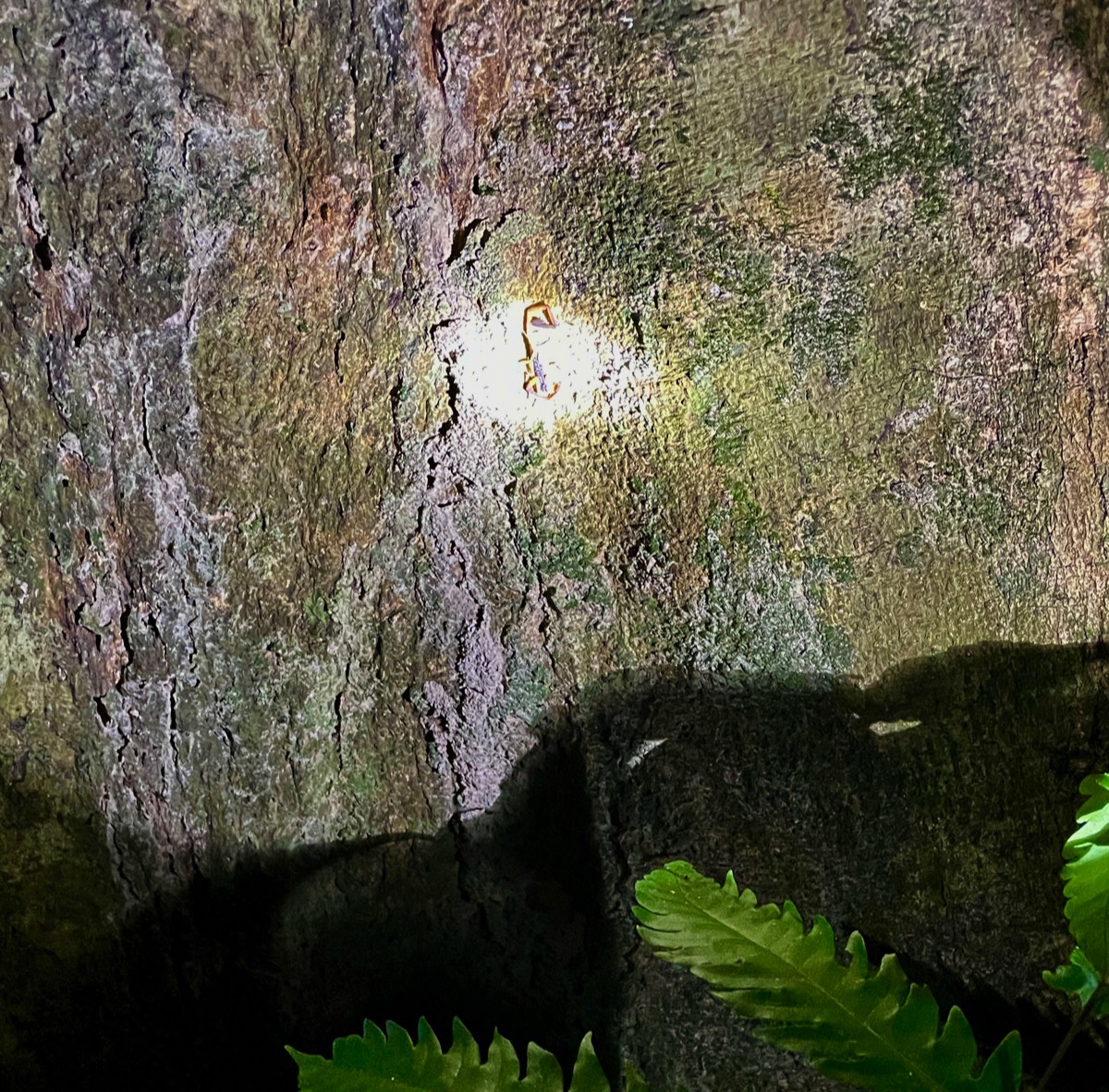
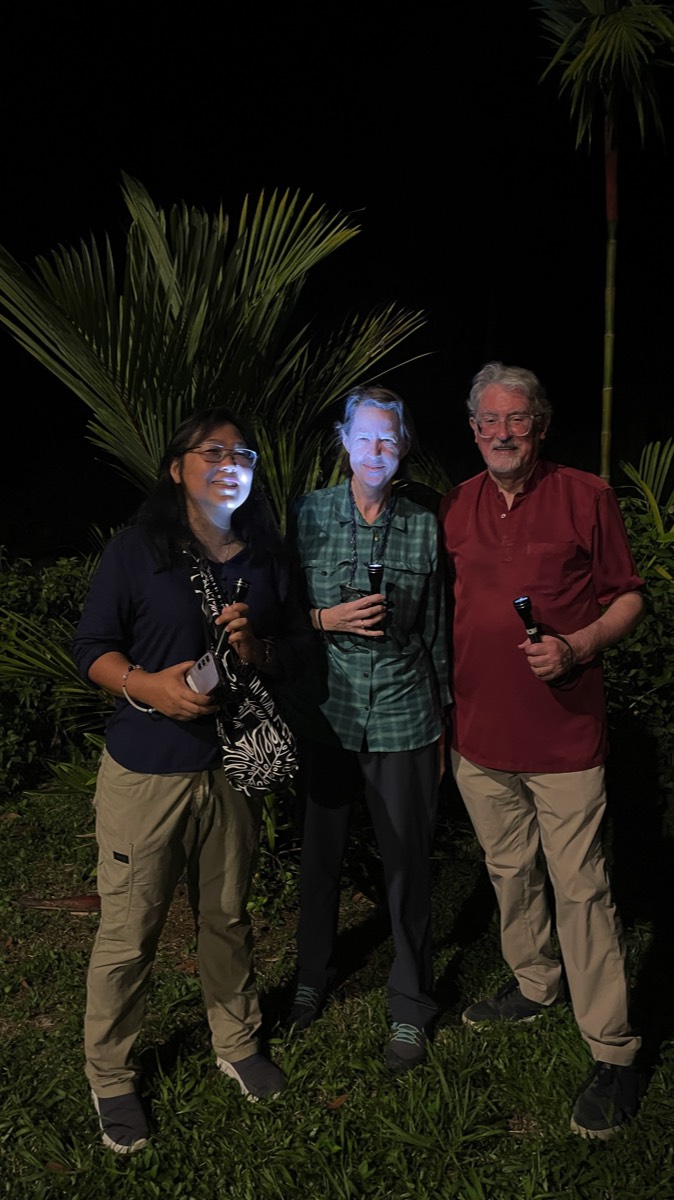
In the evening we opted for a guided night walk through the forest. Armed with just a torch, we headed out on this walk which turned out to be more of a hike. Thankfully there were rope handrails to cling on to when getting up/down slopes and around trees, and the more agile Hanis gave us a helping hand when needed. There wasn't too much wildlife to see, mostly ants, spiders, millipedes, and scorpions (see below).
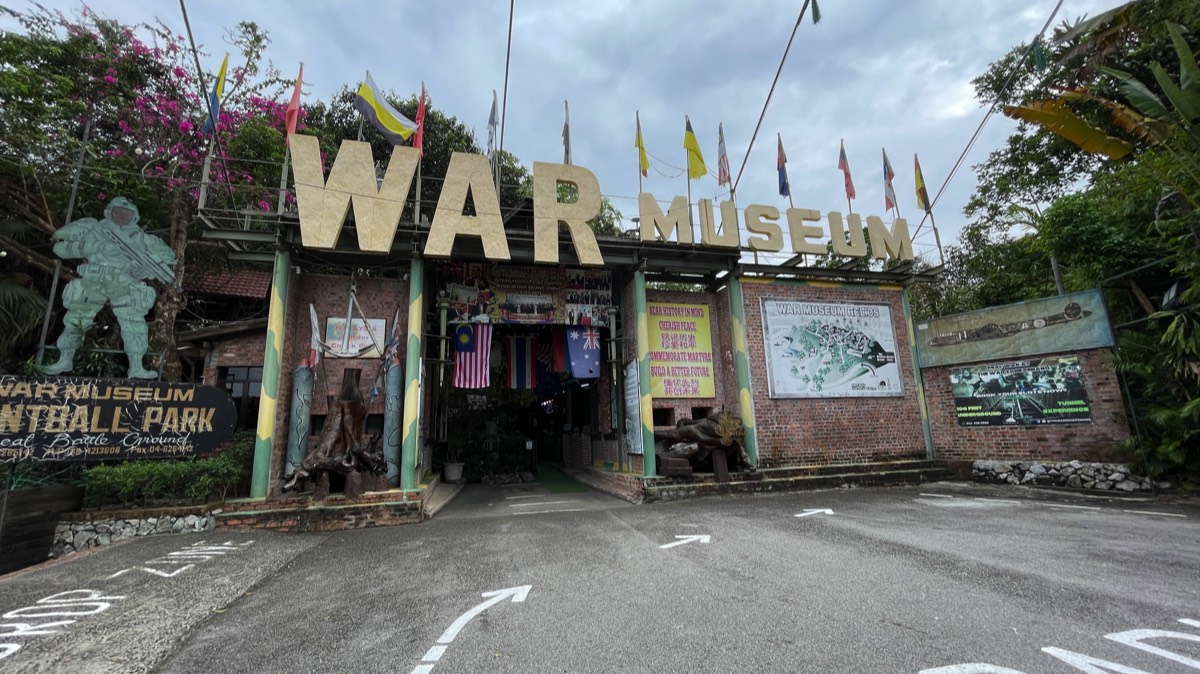
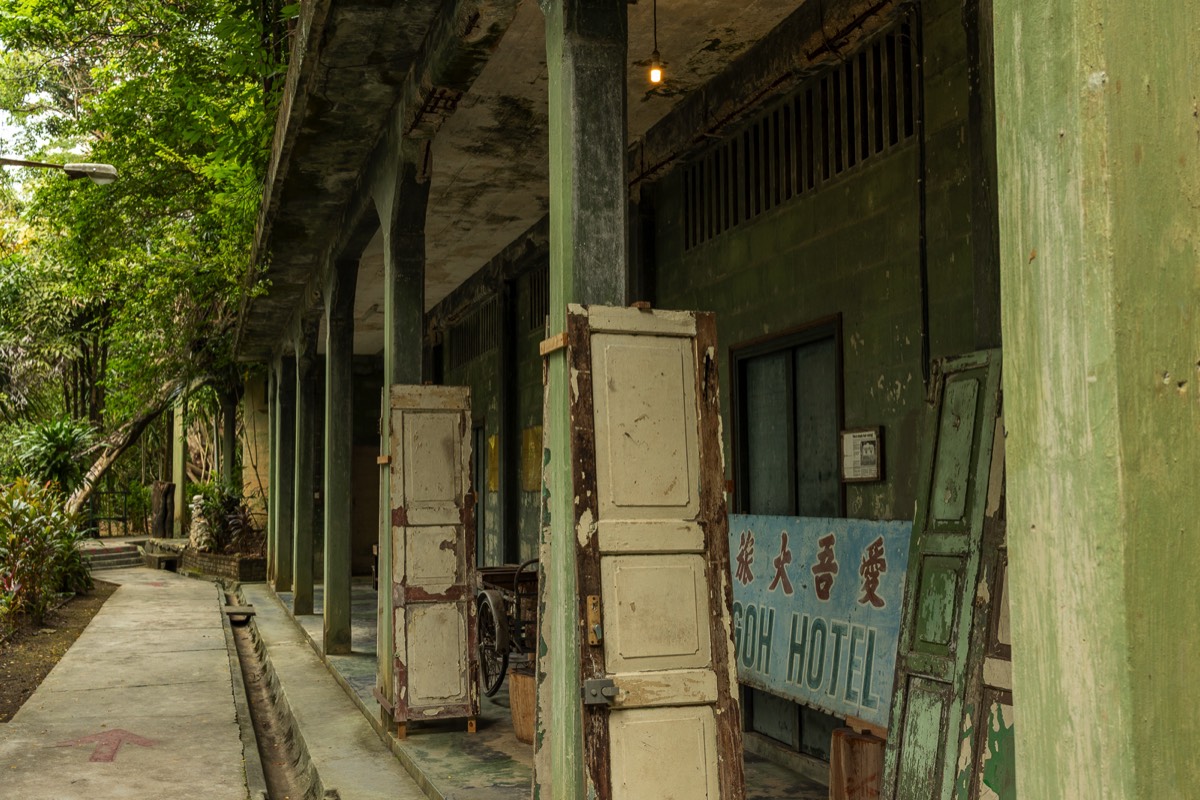
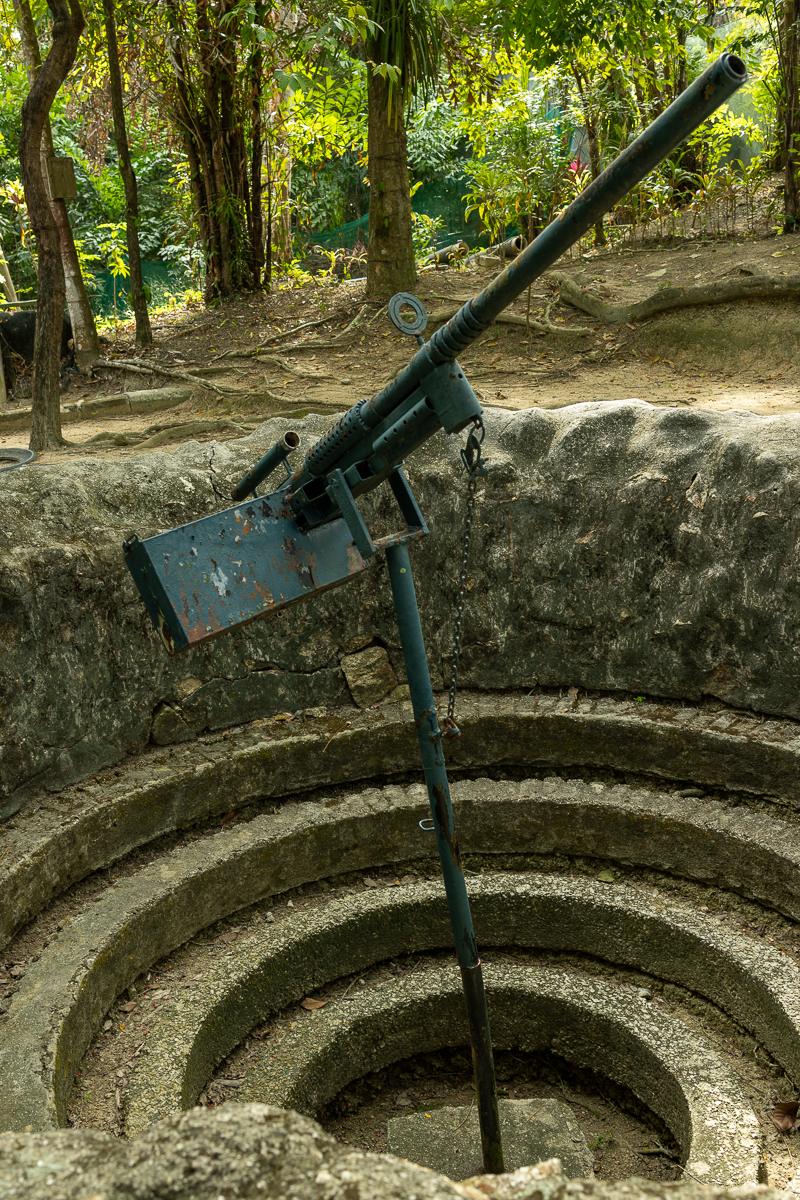
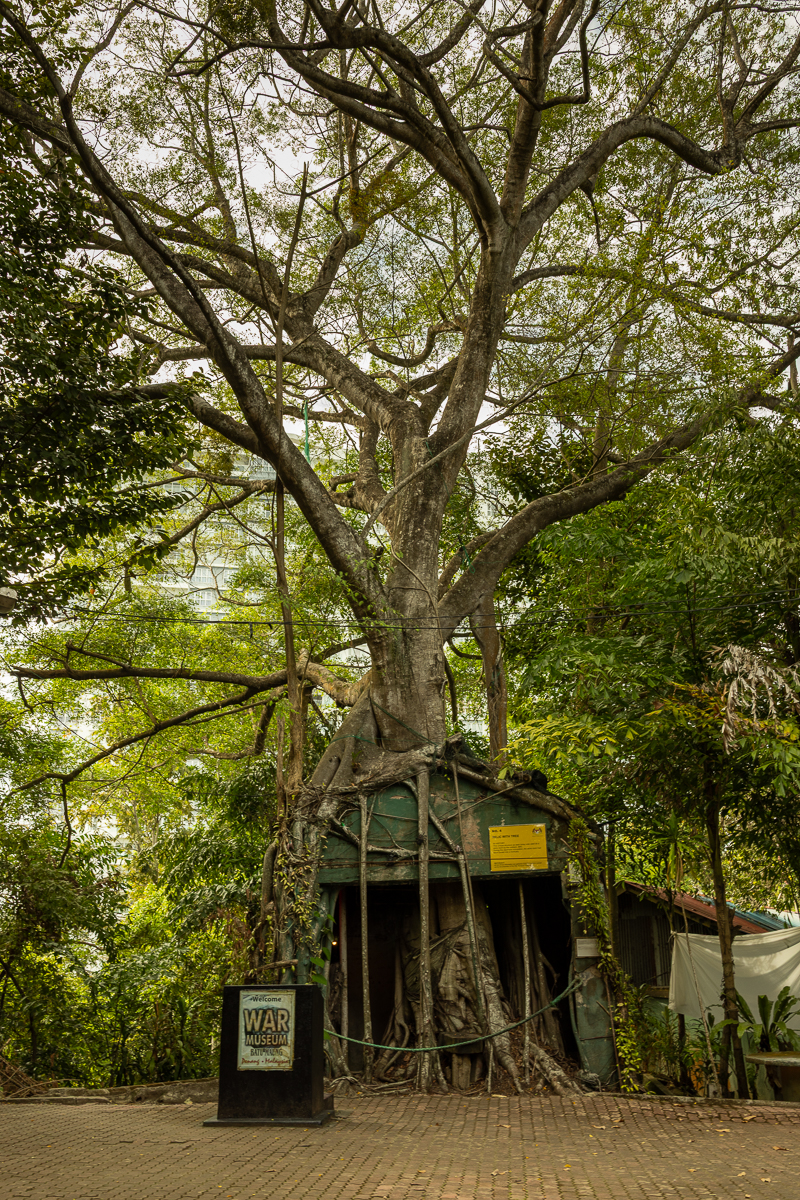
Back now in Penang for a few days, we visited the Penang War Museum which was originally a British military fortress built in the 1930's to defend against Japanese attack coming from the south by sea. But in 1942 the Japanese attacked by land after the Thai government were pressured to allow passage of Japanese troops from the north to invade British-held Malaya. The Japanese used the fortress as a detention centre and there are photos of their atrocities on the walls of the old barracks. The site was abandoned in 1945 and taken over by the jungle, then recovered in the early 2000's and prepared as a museum. It is a haunting place to walk around but definitely worth a visit.
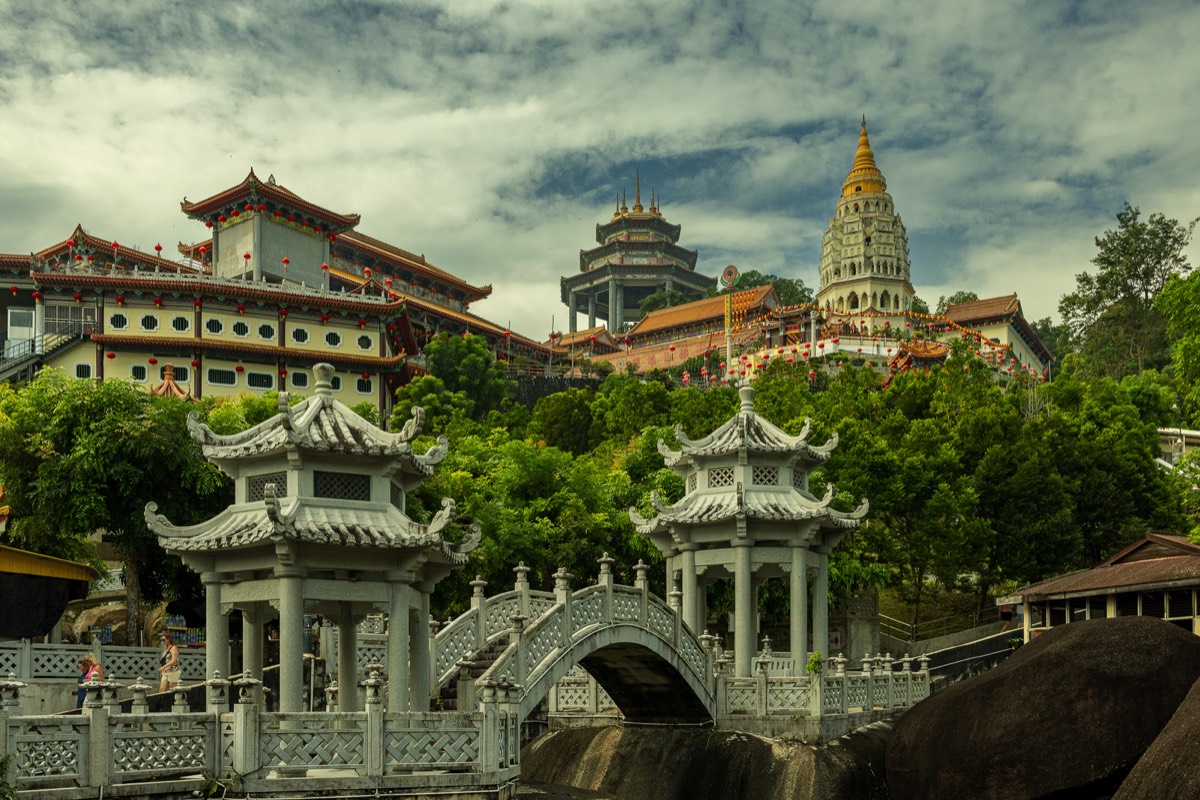
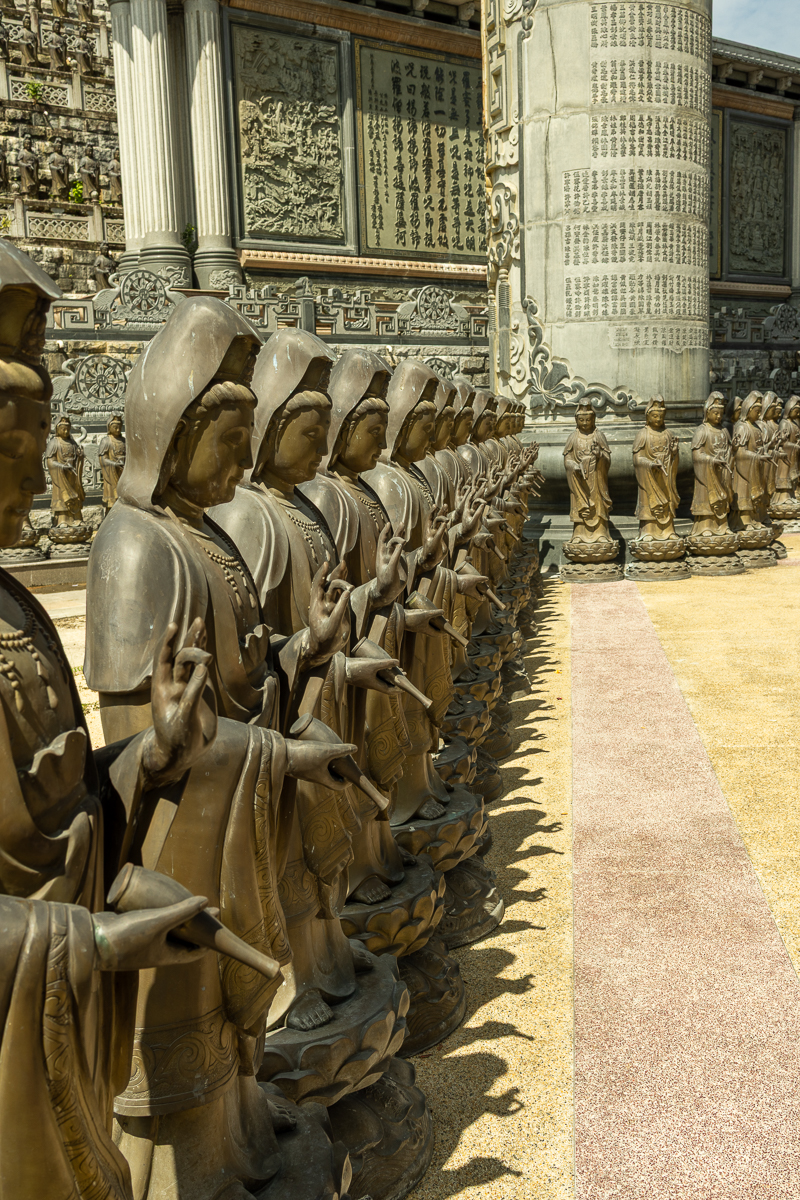
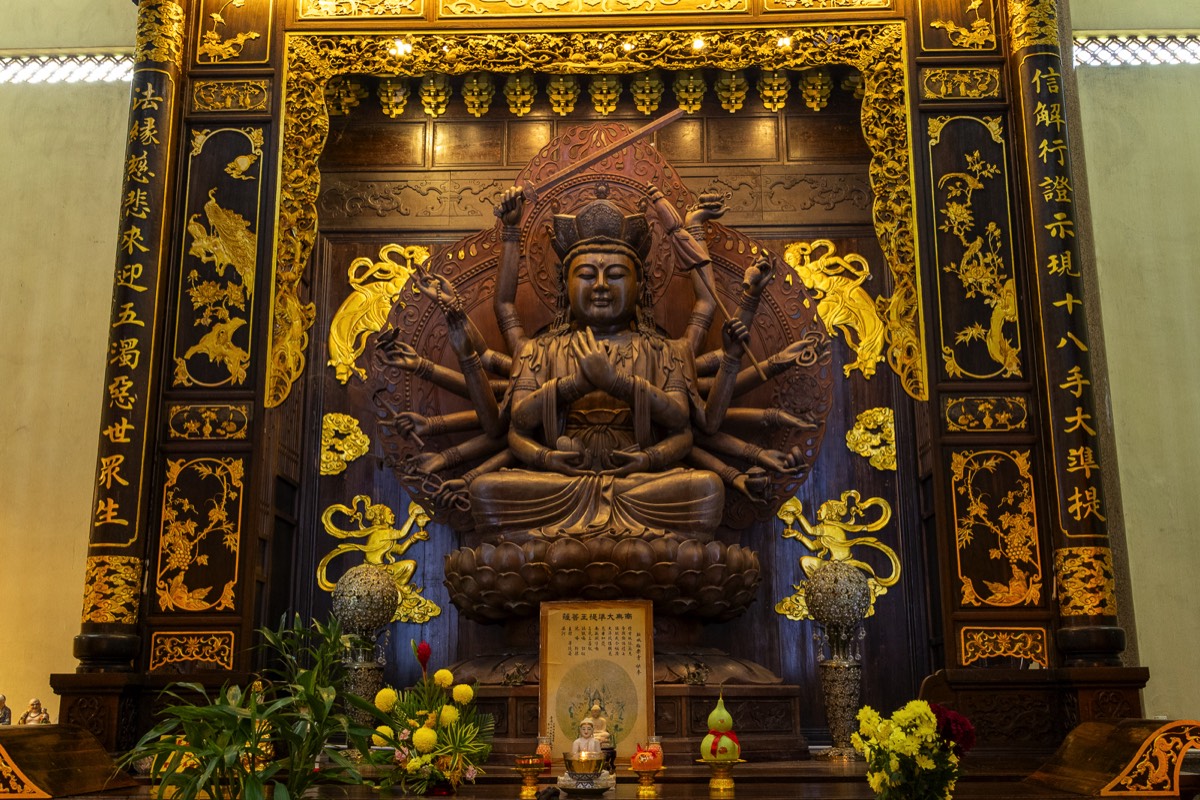
We have visited Penang several times, but never with a car. So now we were able to drive around the island and see the marked difference between the Chinese (mansions and high-rise apartments) and Malay (low rise buildings, more kampung style) areas of Penang. But most importantly, we were in search of cendol, a sweet desert for which Penang is famous. Have to say we failed. We did however visit the tourist favourite temple complex of Kek Lok Si temple. It was baking hot so we took the lift up to the top tier and then walked back down to the carpark at the bottom.
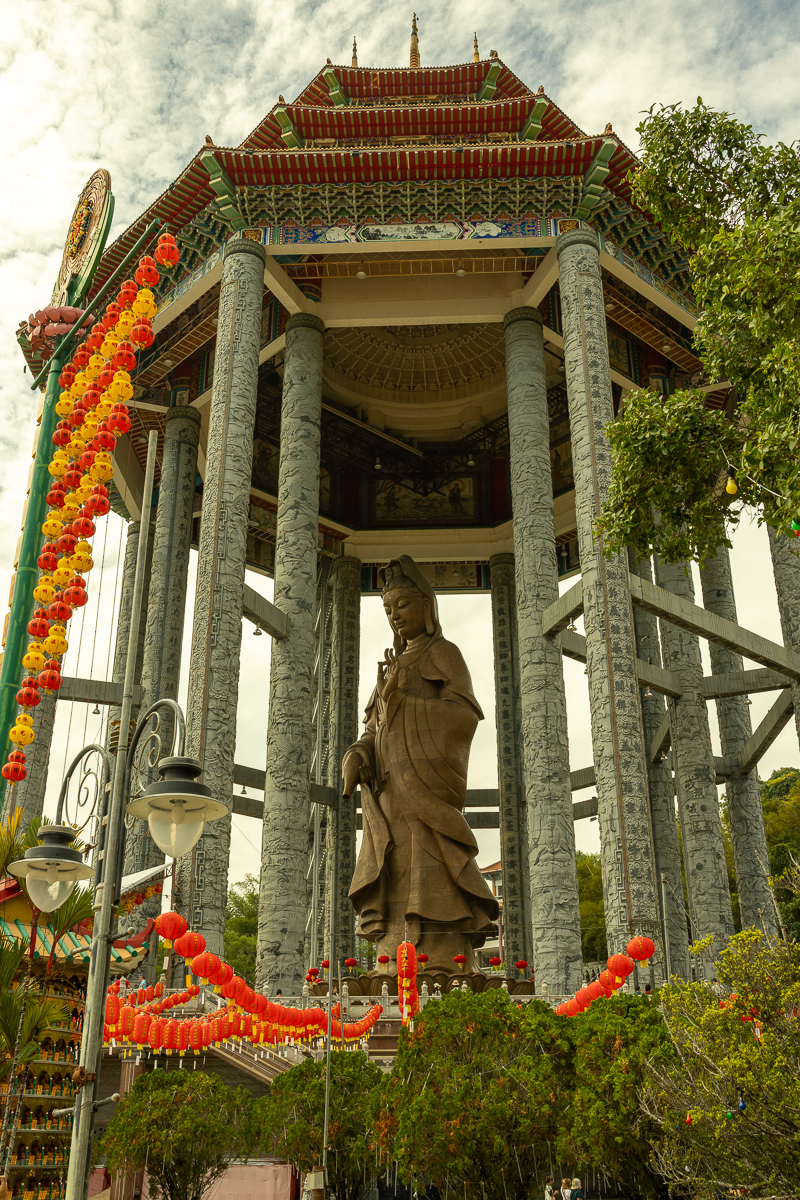
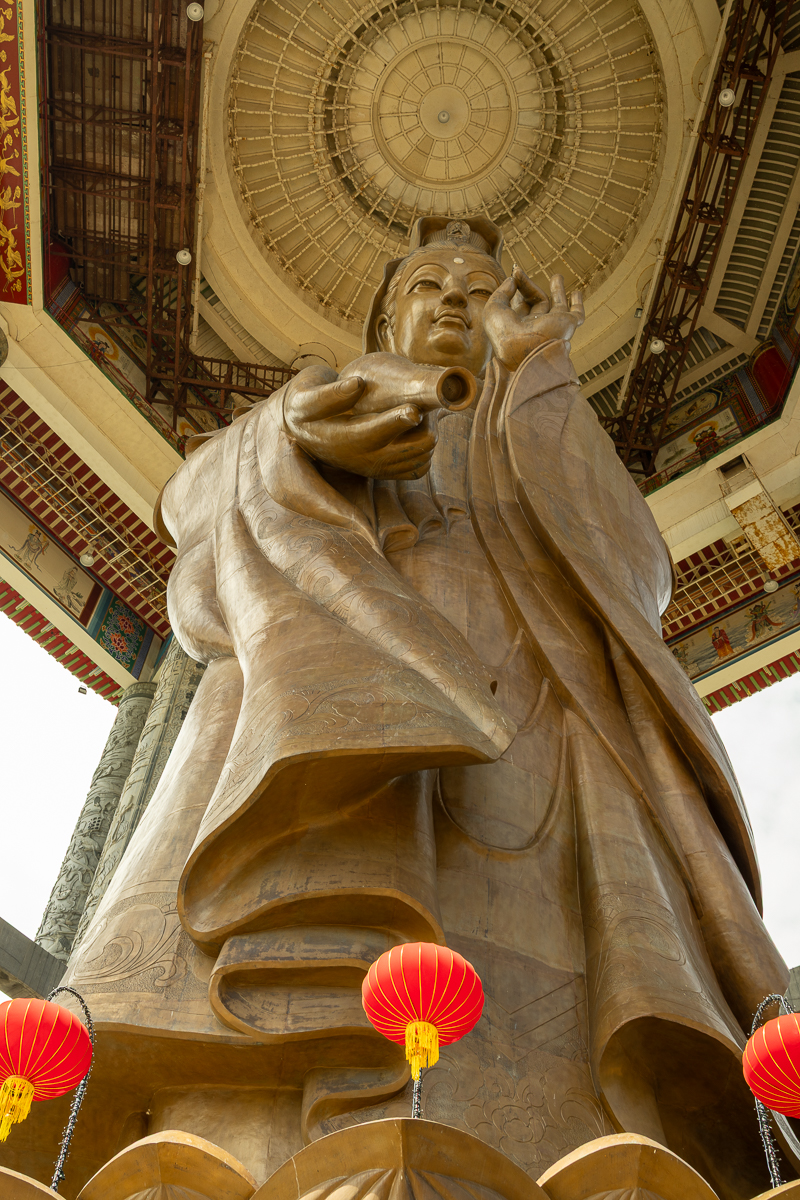
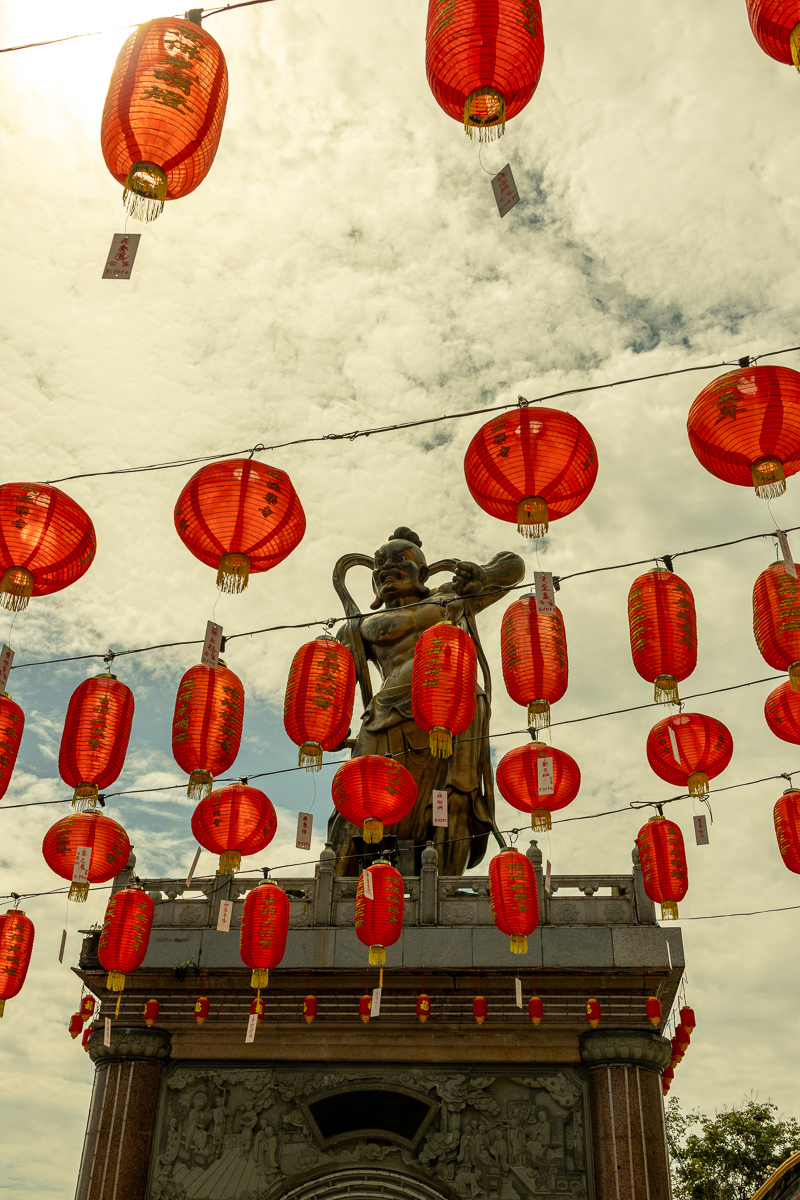
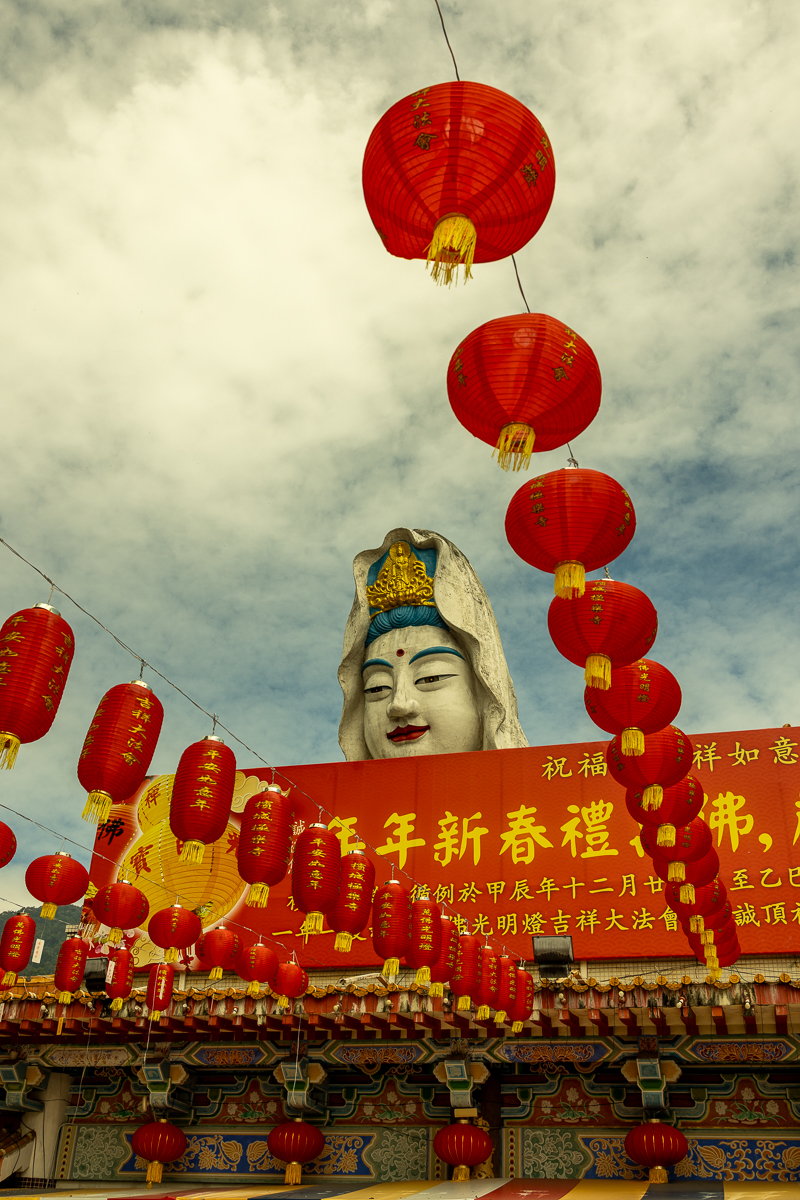
We were in Penang during the Chinese New Year holiday, so red lanterns were everywhere. At the top of the temple was an enormous statue to the goddess Guan Yin. The artestry on display was amazing. As a worshiper, you could buy a tile or a statue to donate to the temple. It was clear there was much wealth on display here with new buildings going up everywhere.
We were staying in an AirBnB in Batu Ferringhi, which is the major beach resort area in Penang. This meant we were kept awake at night with loud bangs from exploding fireworks celebrating the Chinese New Year. But, before night fell, we lounged on the beach watching the sun set over the hills.
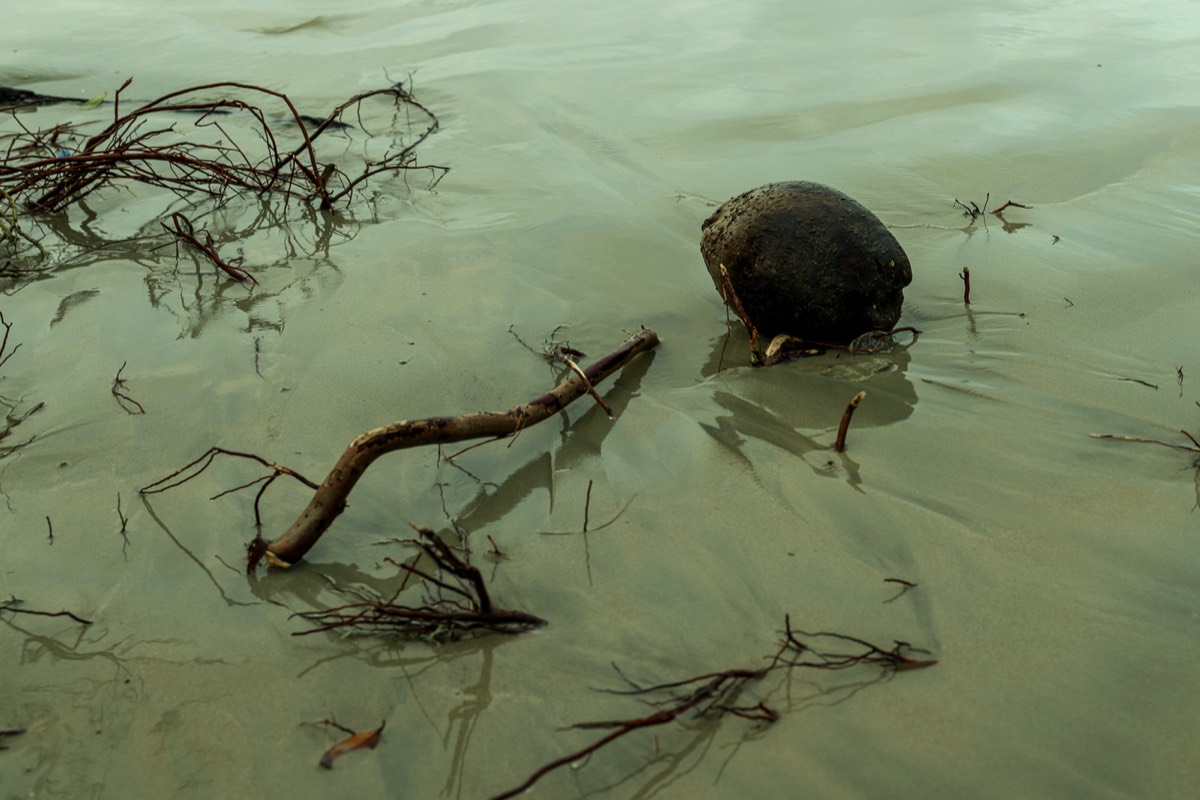
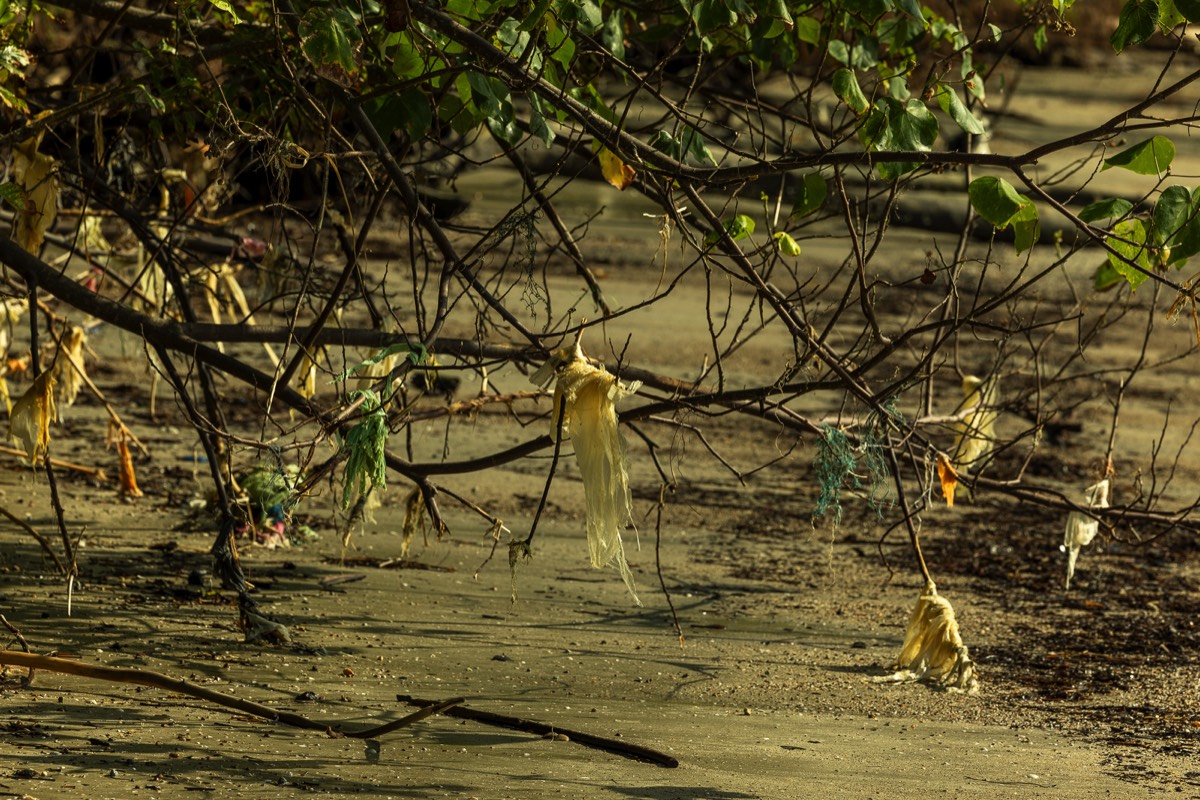
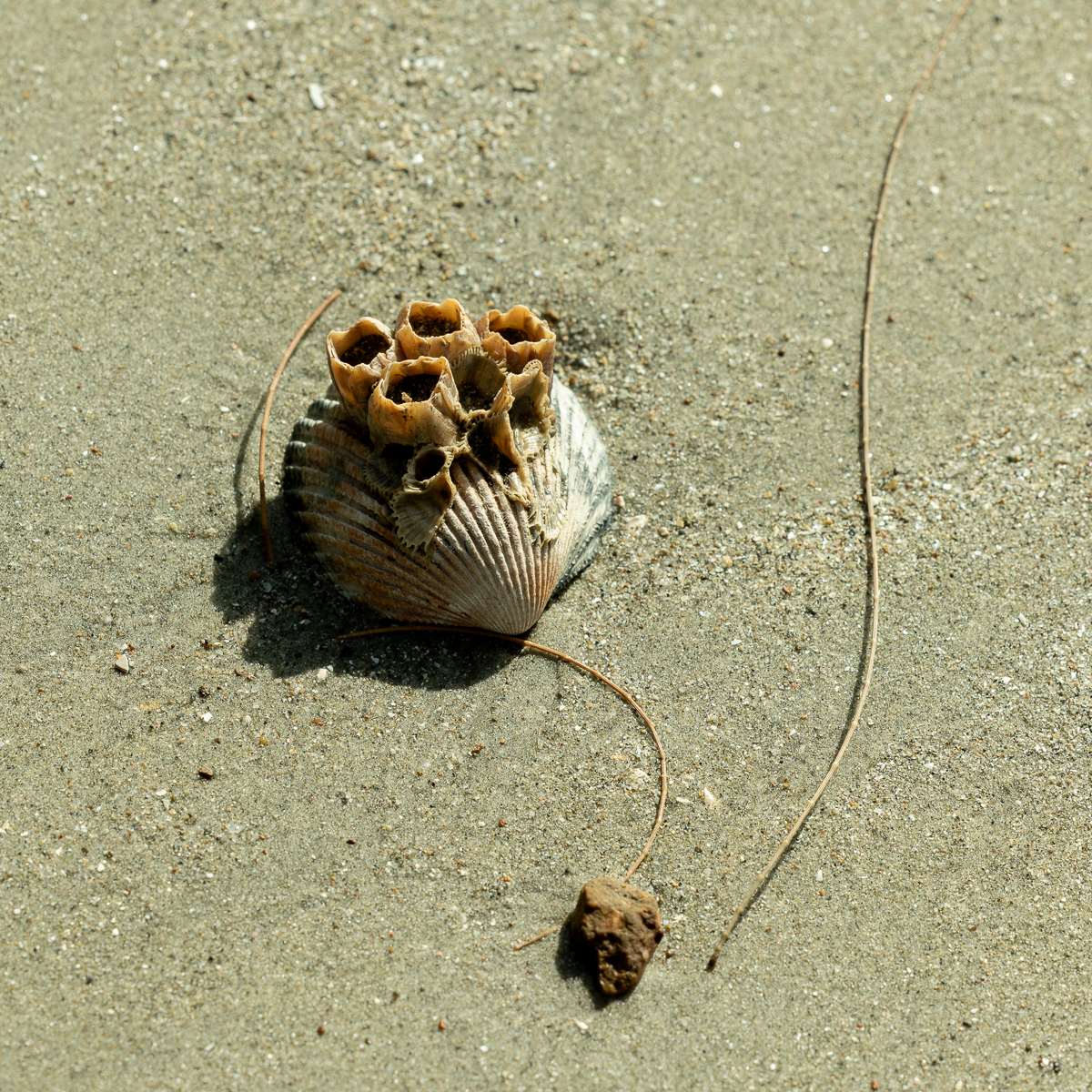
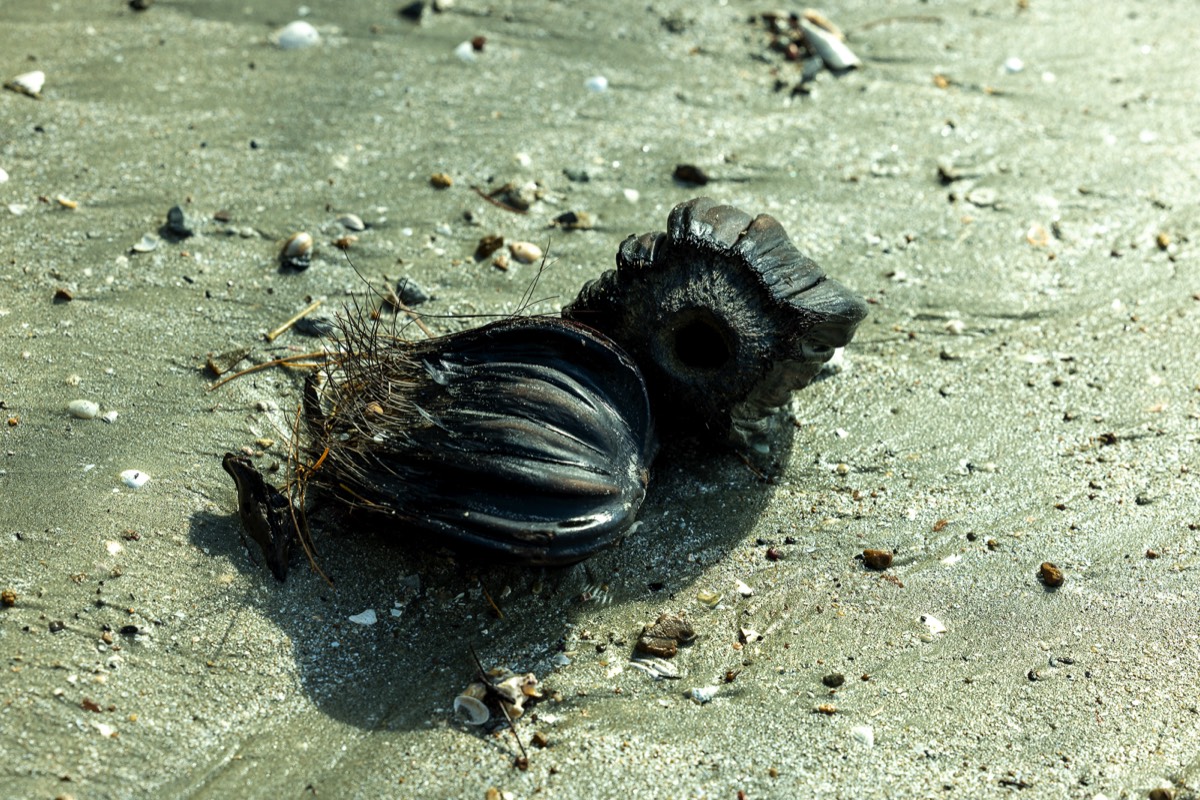
Hanis has one of her business operations in Teluk Sari on the east coast of Johor. This is one of our favourite places in Malaysia, although the sea and coastline do not look their best during the winter monsoon season. Everything is muddy brown and the churning sea brings lots of debris ashore. We drove along the coastline in another failed search to find chendol, and these photos were taken on coconut beach.
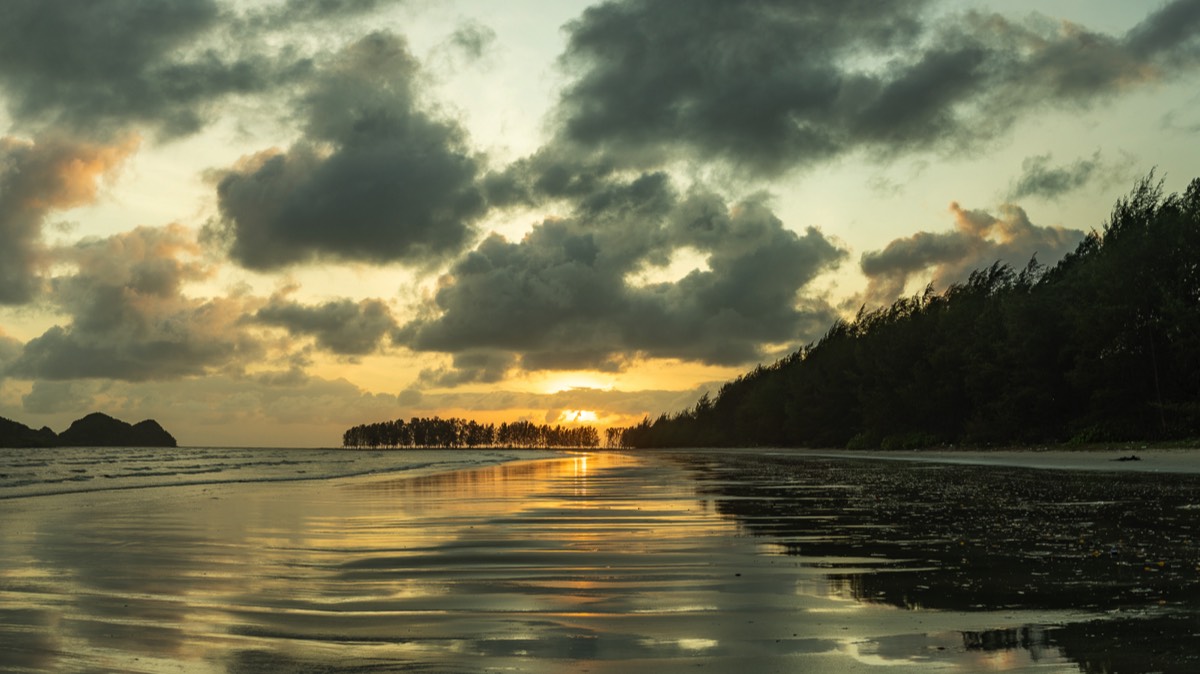
Hanis and I took a predawn walk along the beach to photograph the sunrise. She surprised me by walking towards the trees to pick up a large stick, in case there were any wild animals about! Fortunately the stick was not needed.
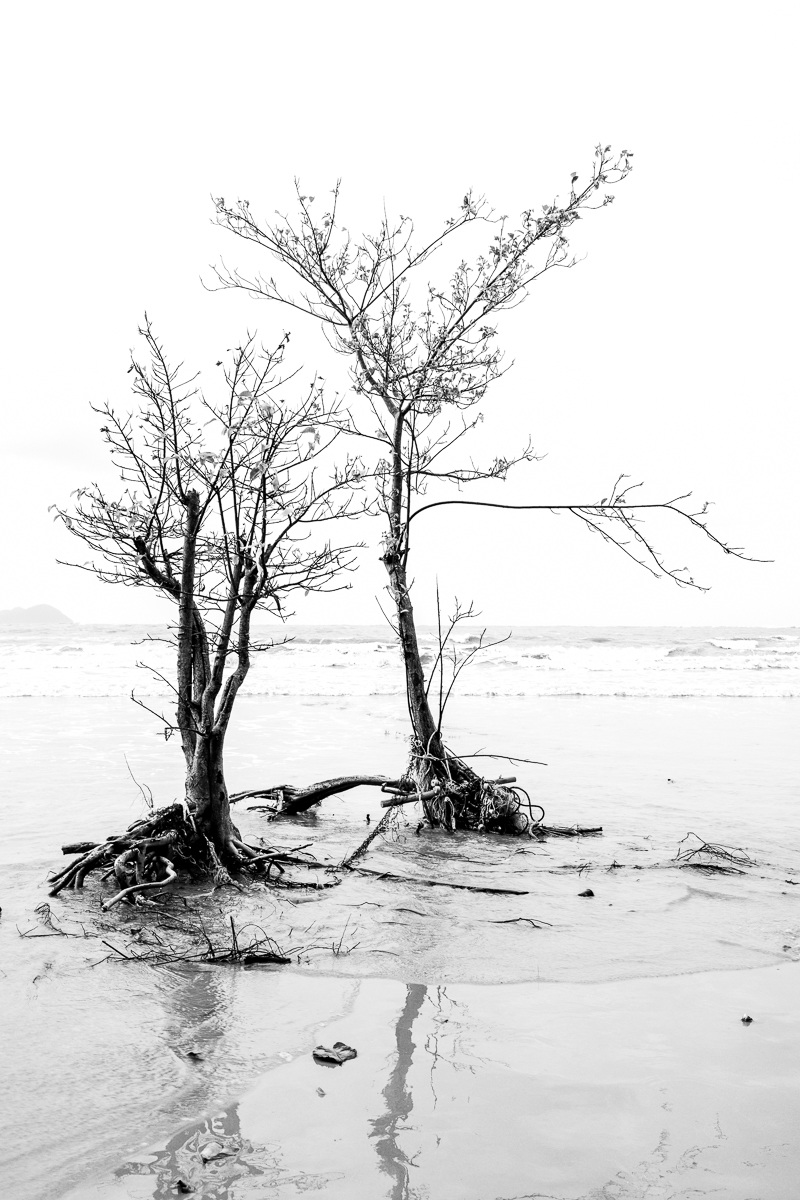
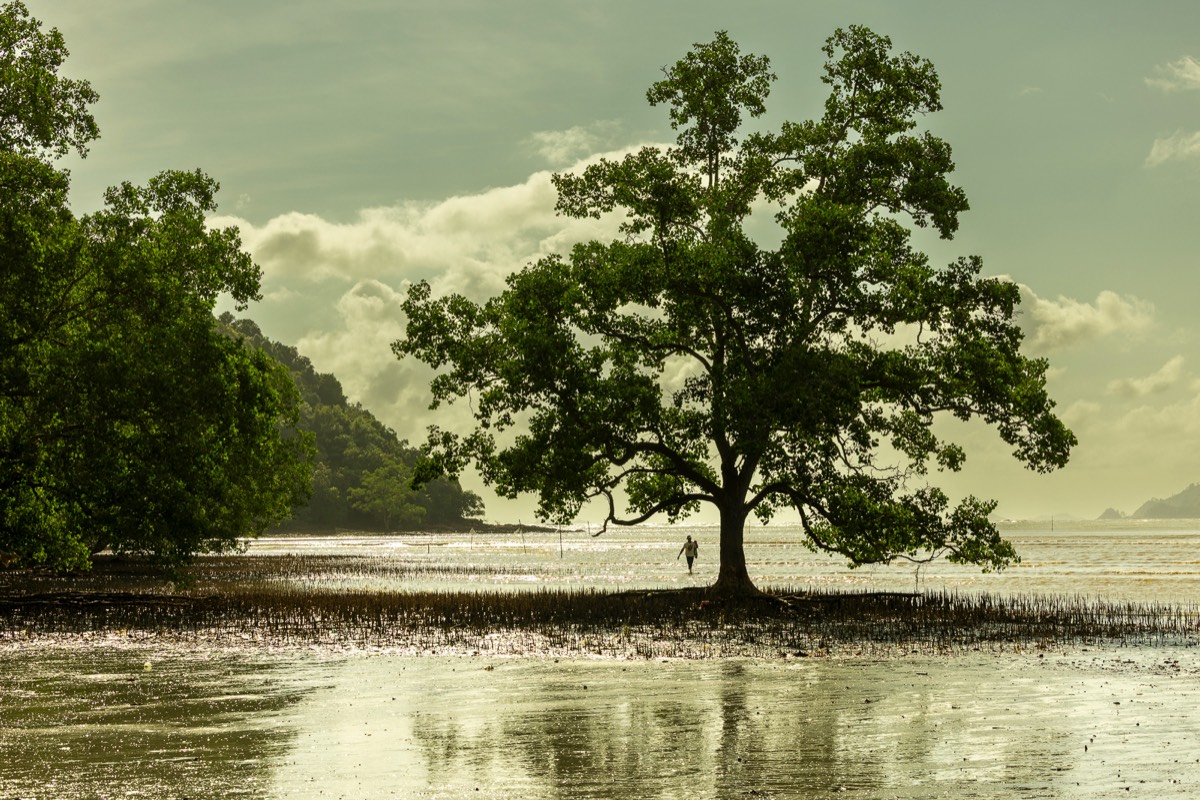
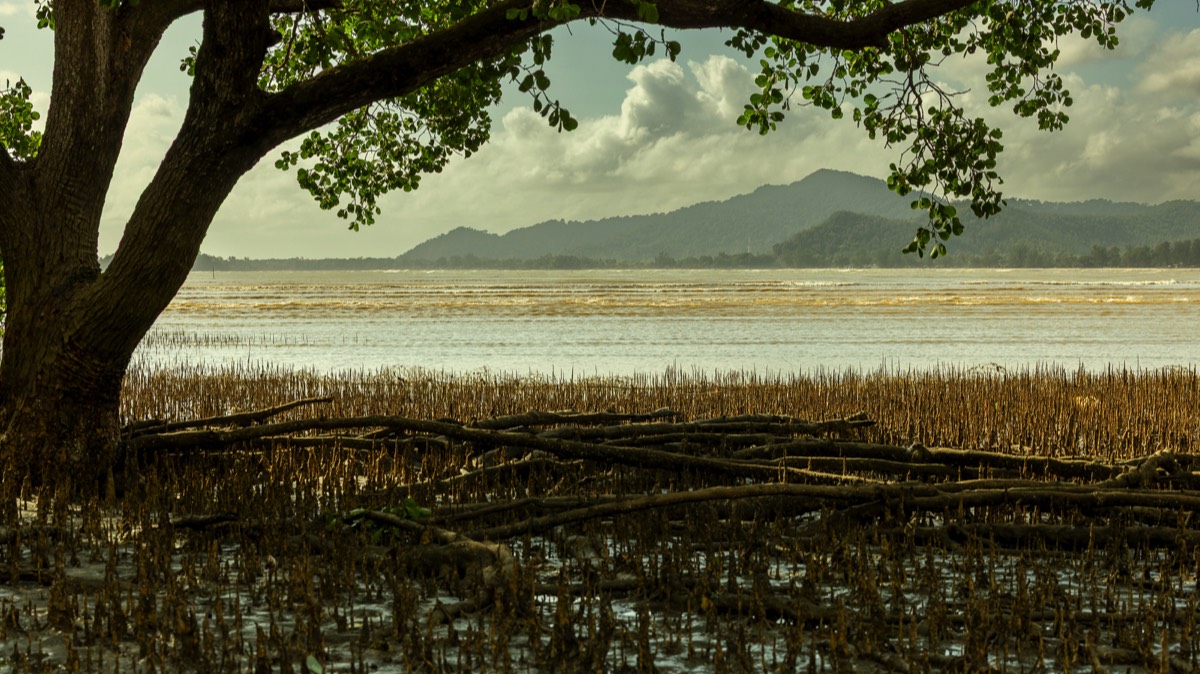
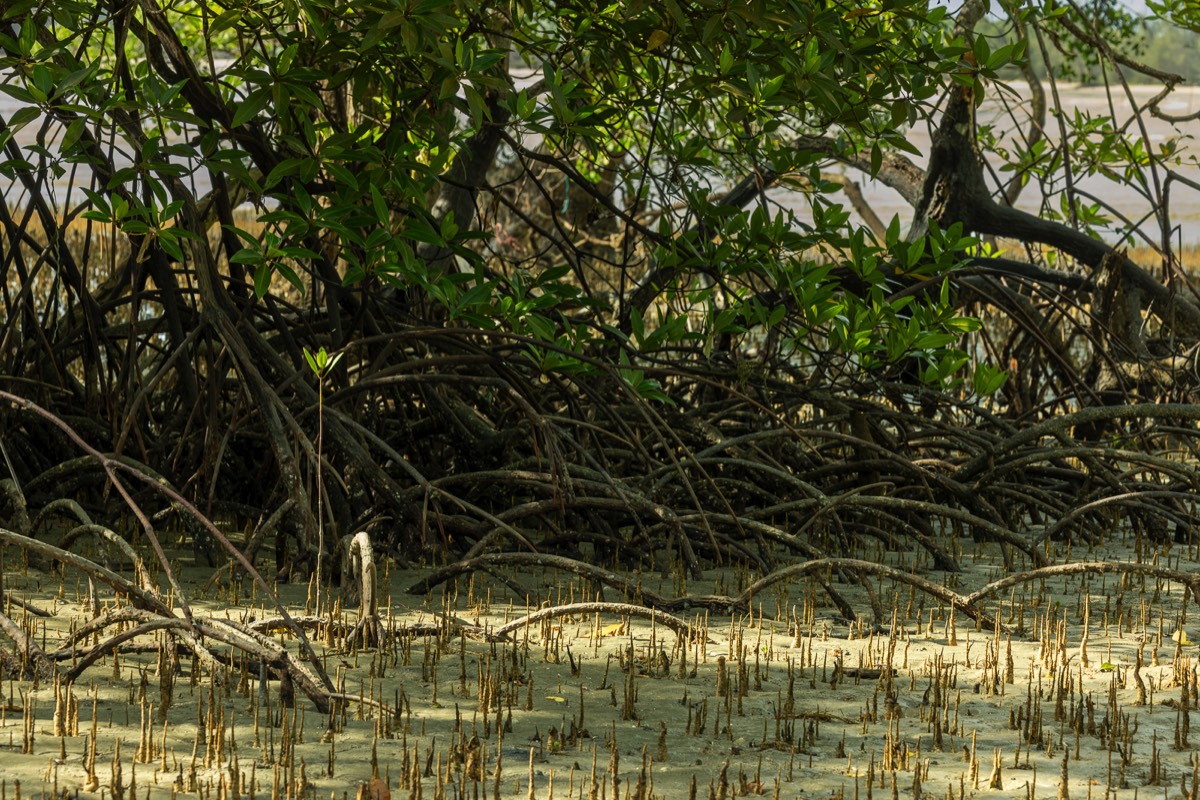
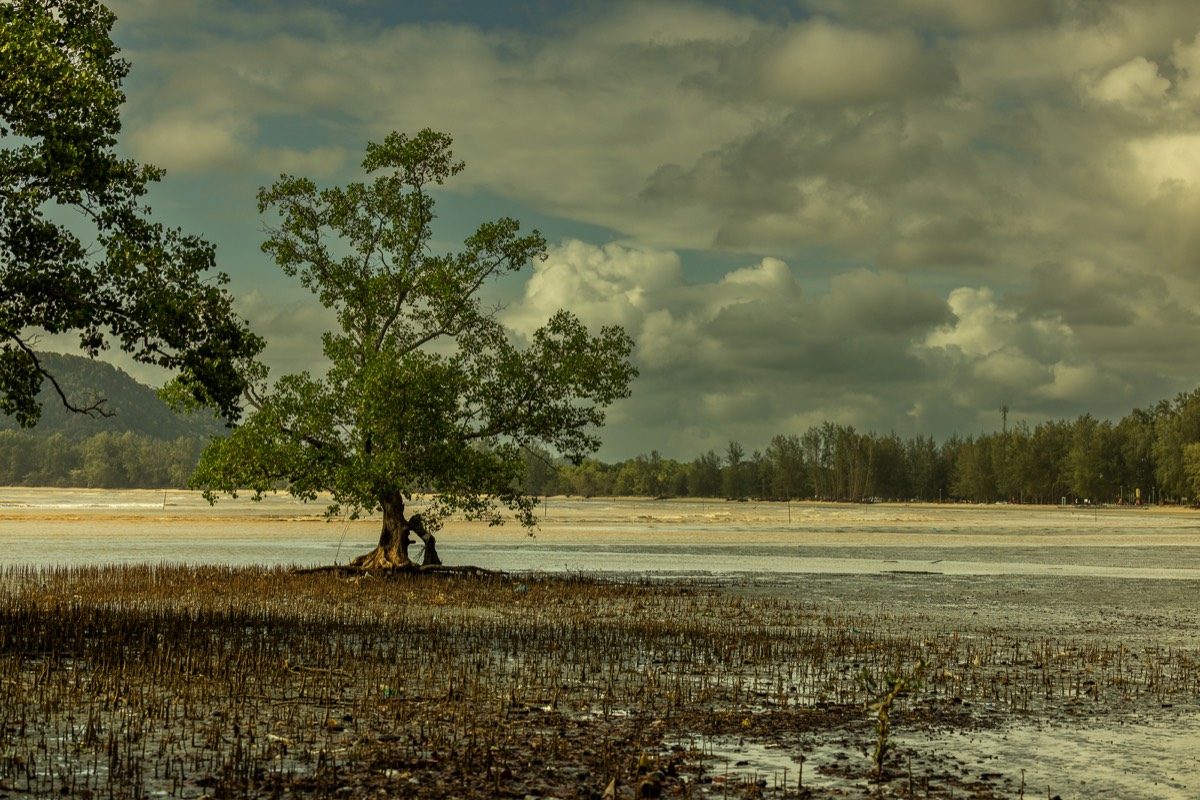
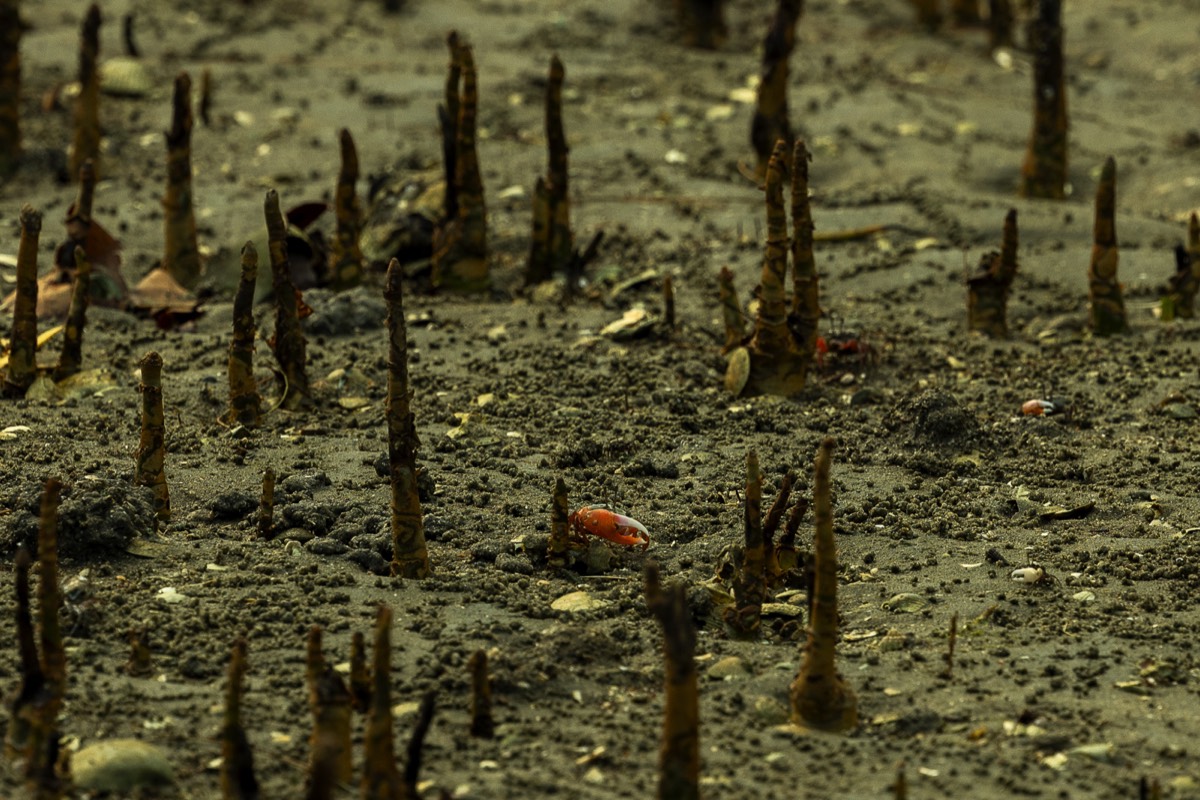
I'm a great fan of mangrove trees. They help protect the shoreline during tsunamis due to their extensive and complex root structure. Today we were on the lookout for fiddler crabs but I didn't have a long enough lens on my camera, so the crabs instantly hid when I got close enough for a photo.
The fiddler crabs were to be found amongst the arial roots of the mangrove trees to the left of the photo above.
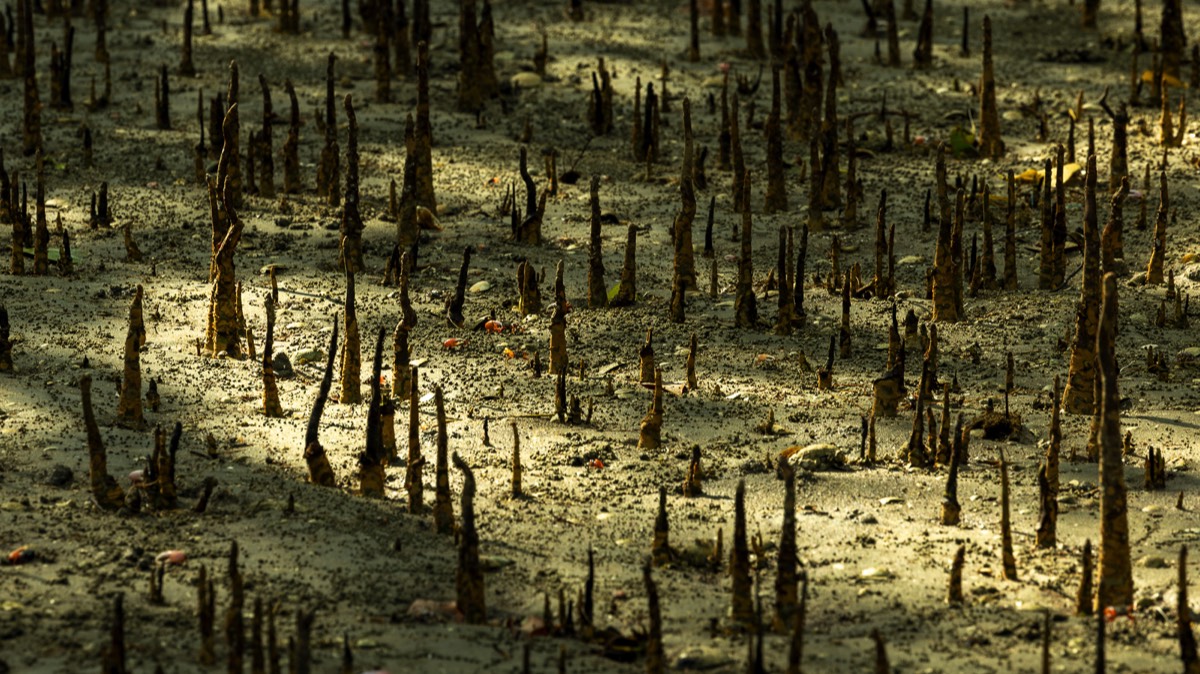
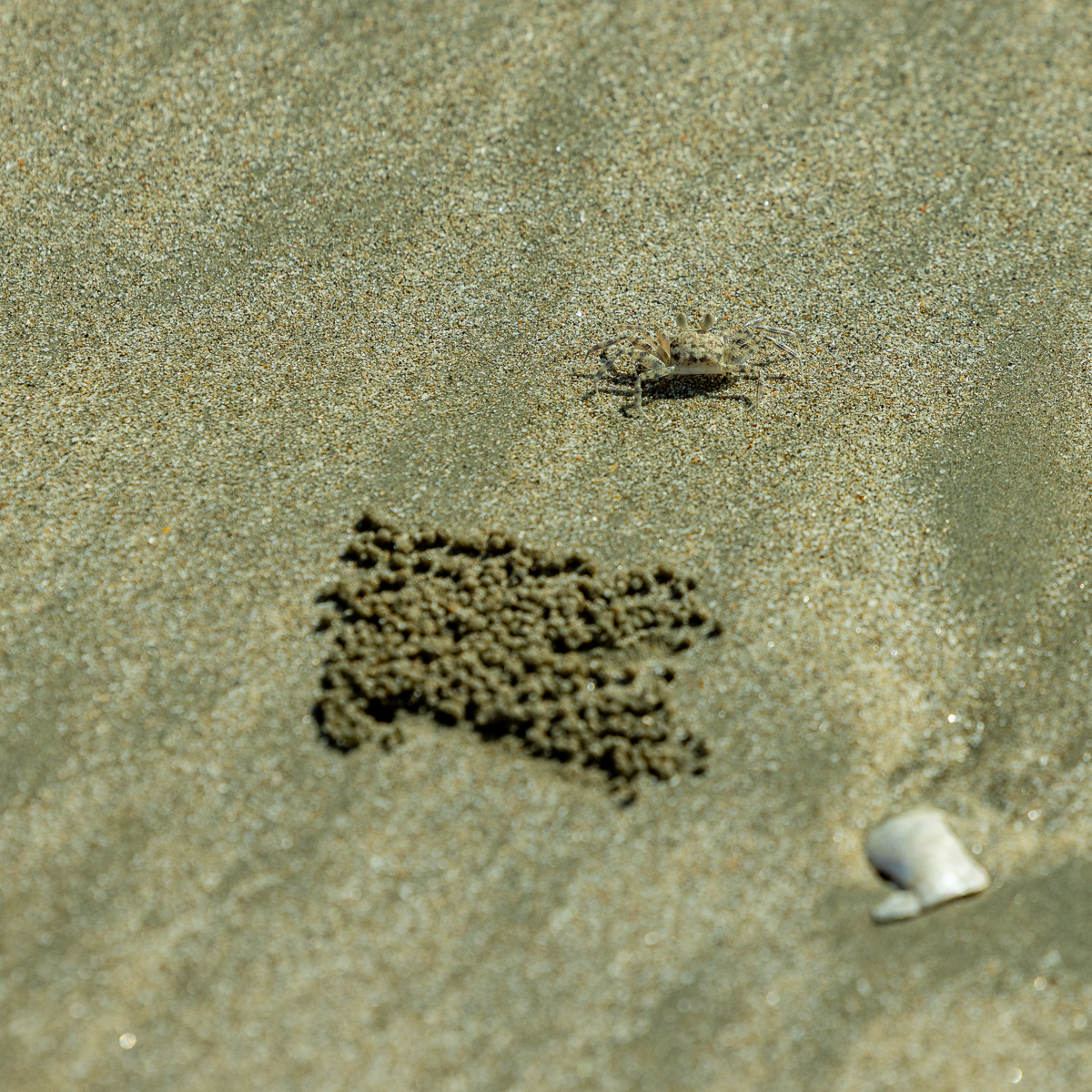
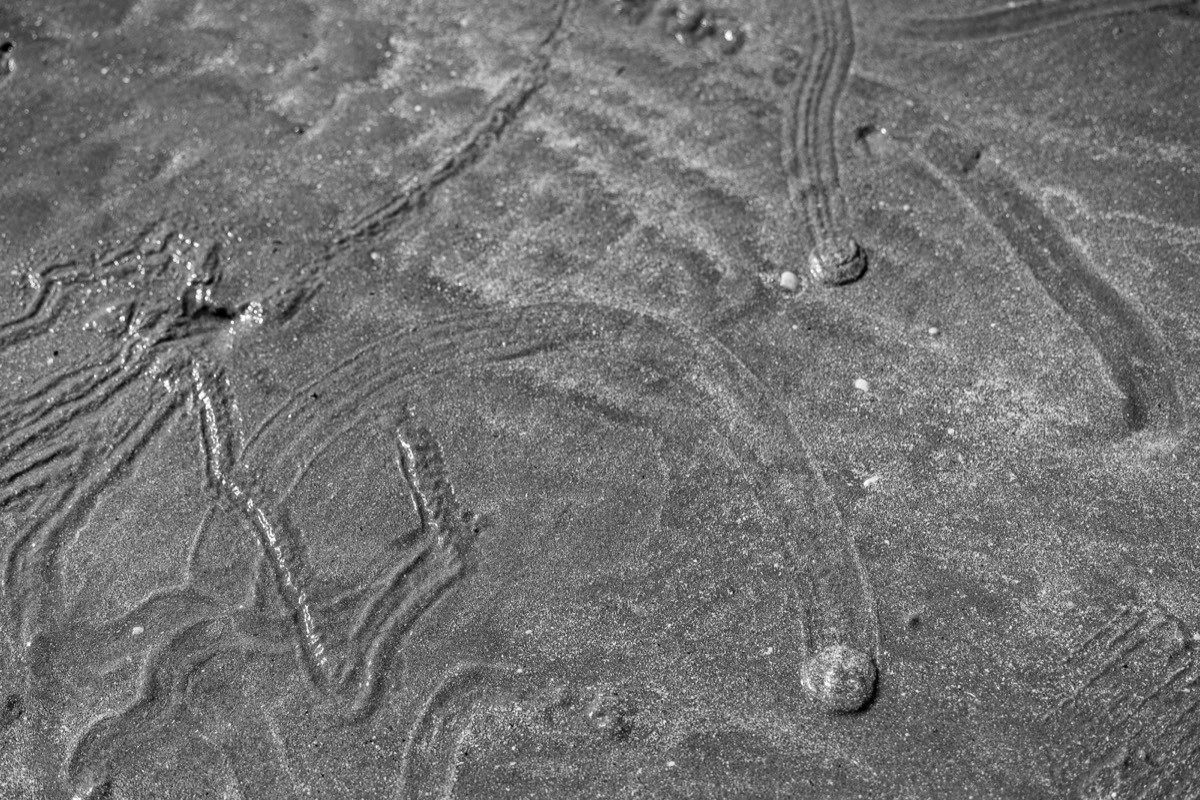
The whole shoreline was home to creatures well-trained to avoid humans! But evidence of their presence was everywhere. I did at least manage one photo of a tiny crab running away. The sand pearls you see are the result of the feeding behaviour of these crabs. They sift through the sand to consume microorganisms and organic matter, and then deposit the sand as tiny balls around the edges of their burrows.
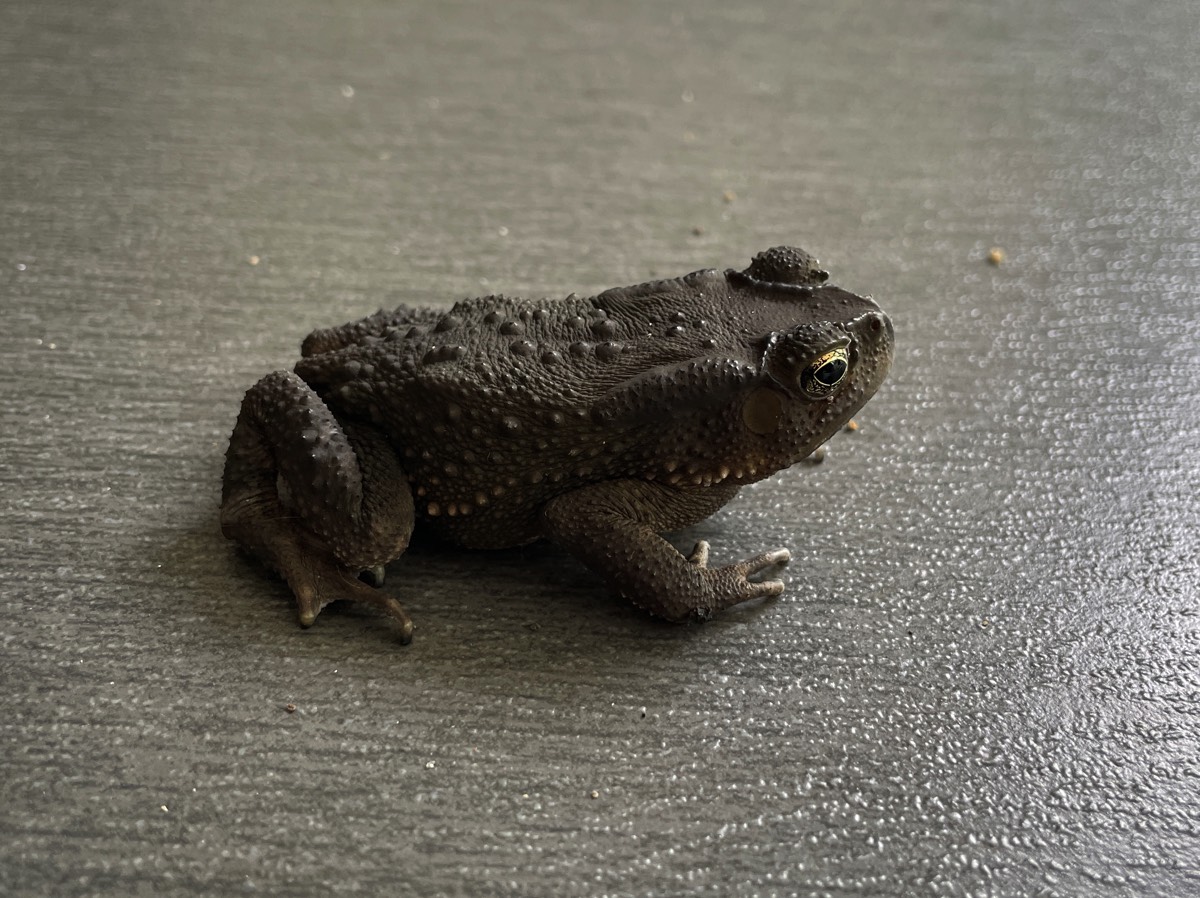
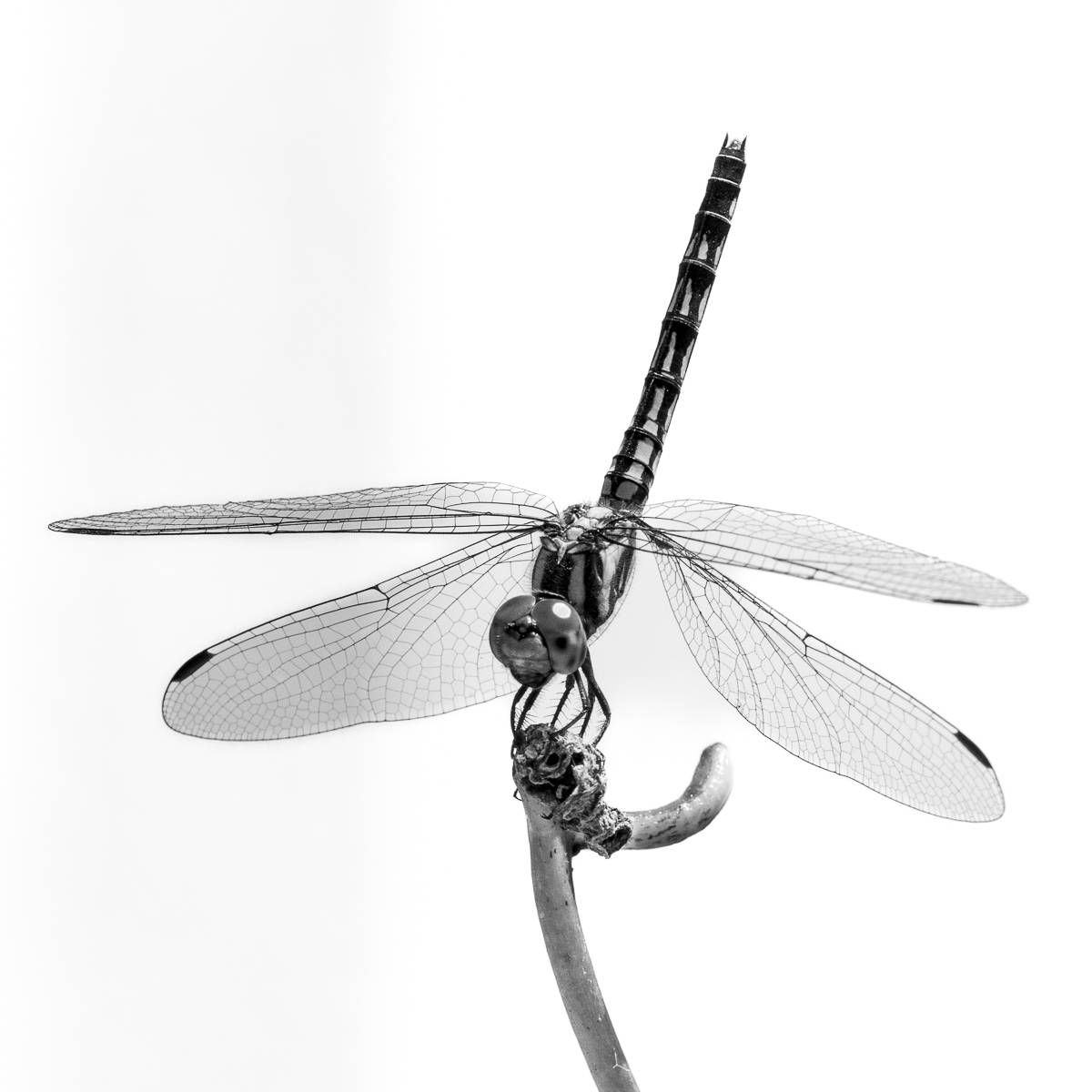
It was only when we were leaving Teluk Sari to return to Johor Bahru that we found some cendol, but it was in the form of a drink rather than the traditional form in a bowl. I should also note that one didn't have to travel far to find interesting wildlife; one just had to stay in Hanis's garden. In Malaysia, you take off your shoes before entering a home, and so you leave your shoes outside. I was rather surprised one day to find a toad sleeping inside one of Lawrence's shoes! I tipped it out and it just sat still for a few minutes before hopping away. You can hear the noisy croaking of frogs and toads during the night but it is hard to actually see them. Dragonflies however are easier to photograph as they seem to like just sitting on the end of a branch of some plant. Occasionally they fly off, but seem to return to the same place. So one just has to be patient.