From Hellnar to Siglufjordur
Day 4, 5th August 2023
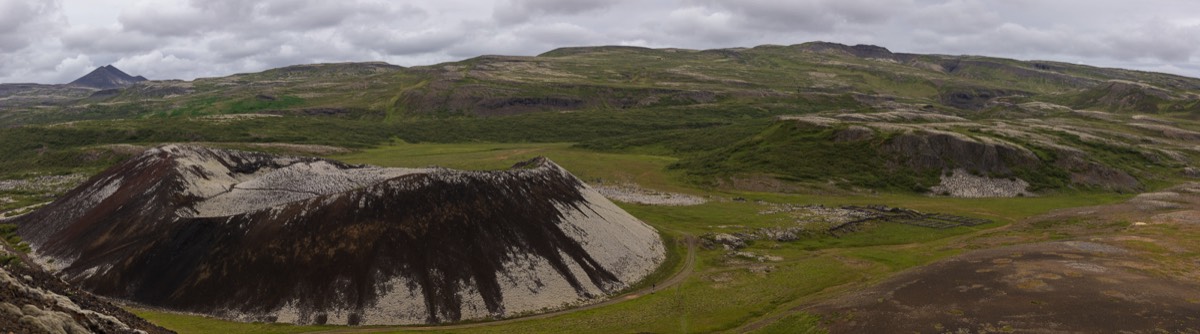
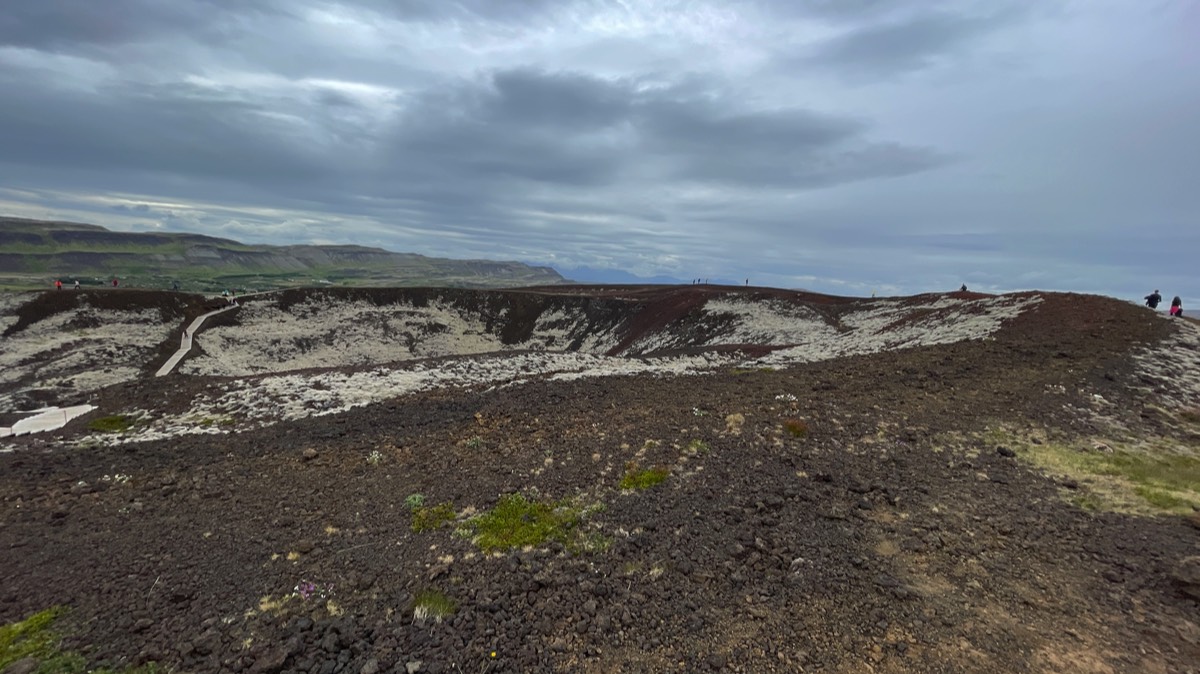
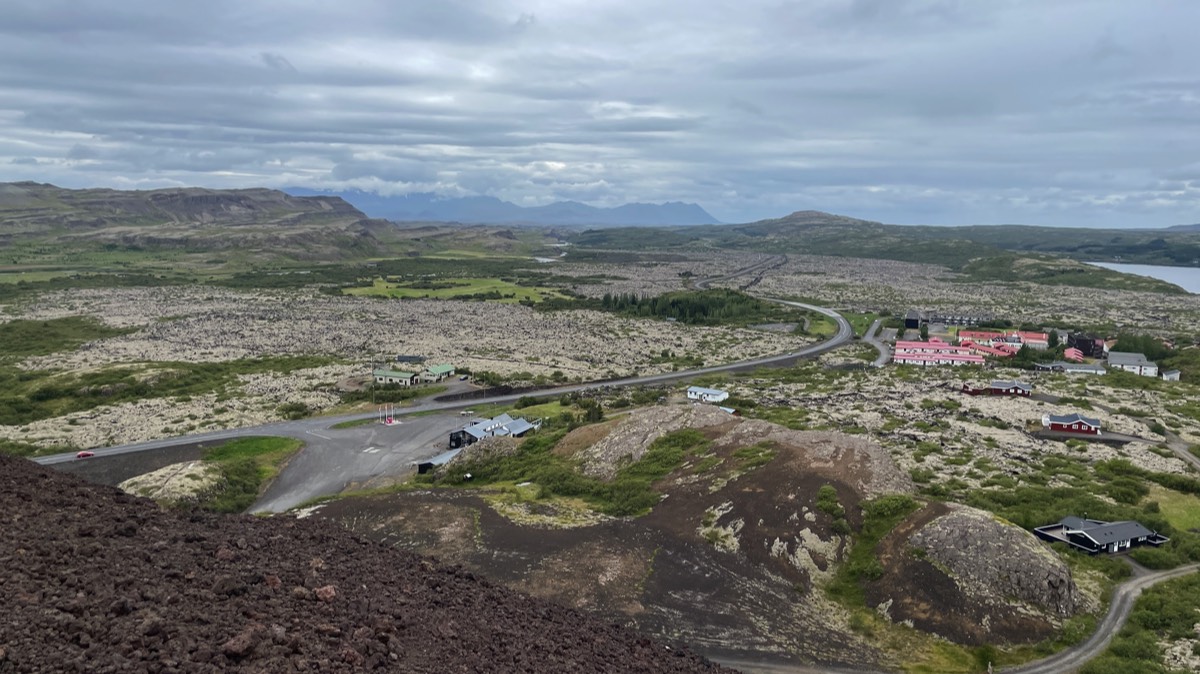
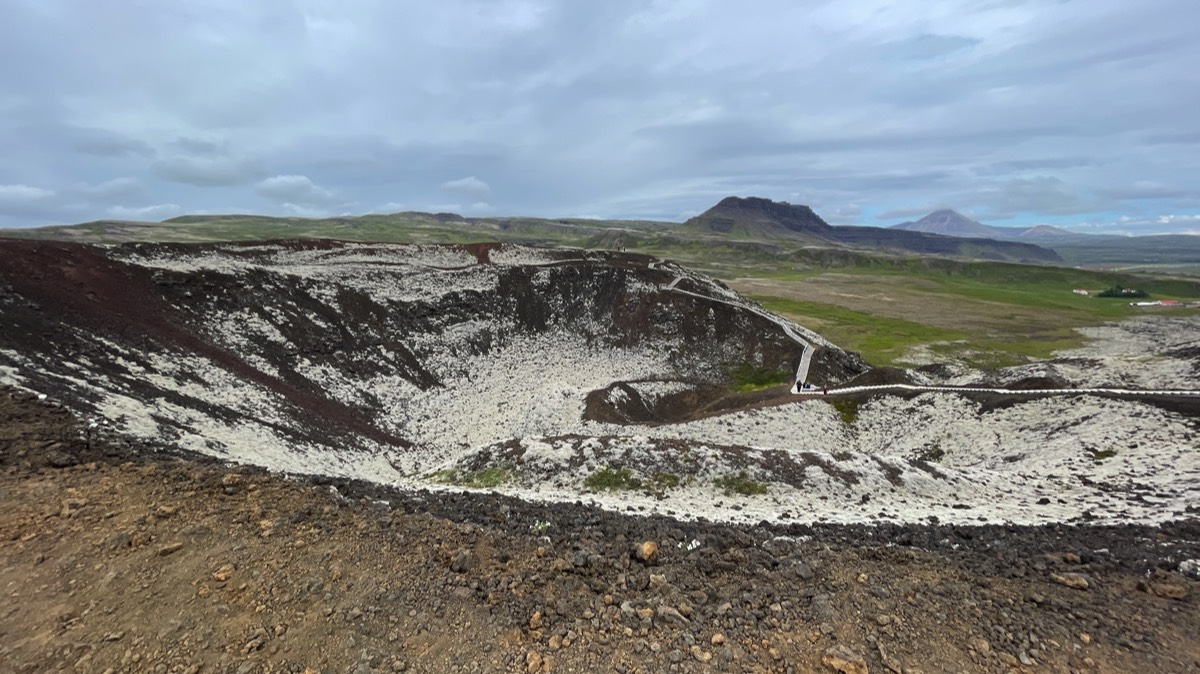
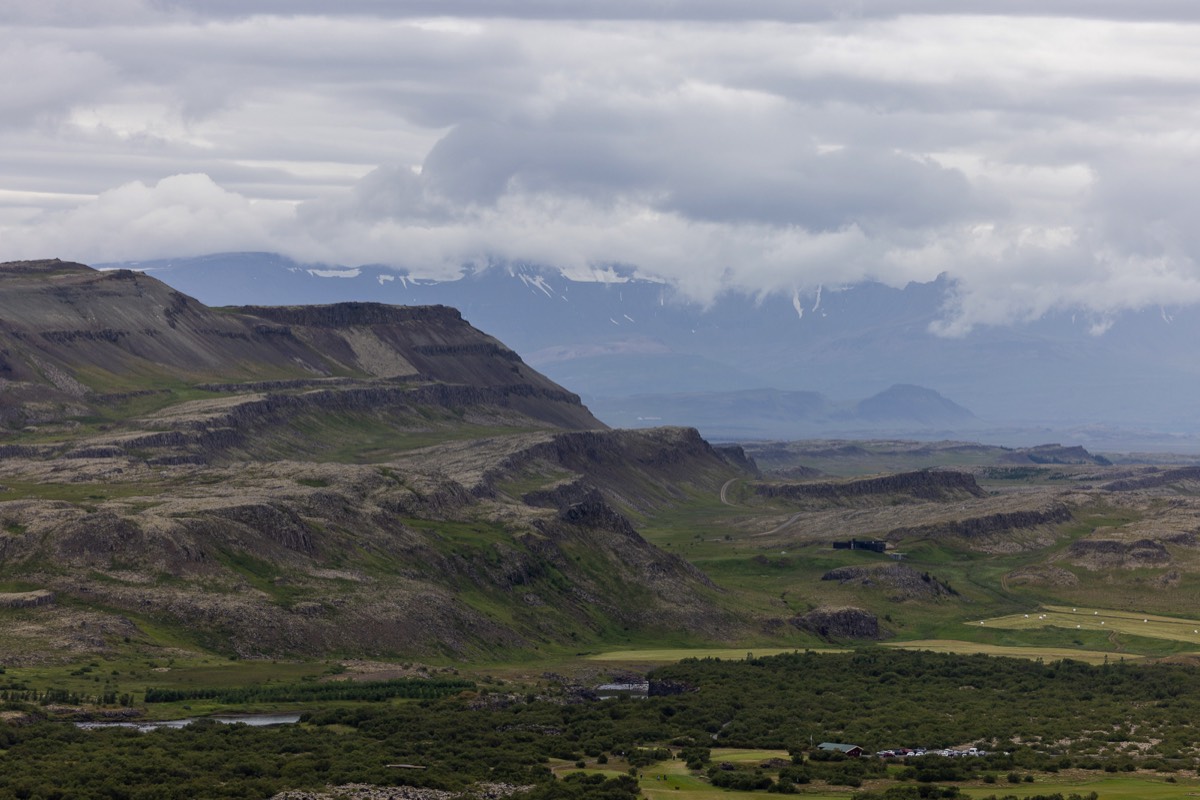
Today was the longest driving day of our road trip around Iceland, and it took us from the far west (Hellnar) to the far north and the fishing village of Siglufjordur. On the way we spotted a lay-by and discovered a huge area of old volcanoes and lava fields covered in fine moss. These are the Grabrokargigar craters in Nordurarardalur and a stop there is well worthwhile. We walked up and around the largest crater Grabrok and the photo above is of Grabrokarfell. The view from here was tremendous and you can see the extent of the lava fields which would have been produced by these volcanoes hundreds of years ago.
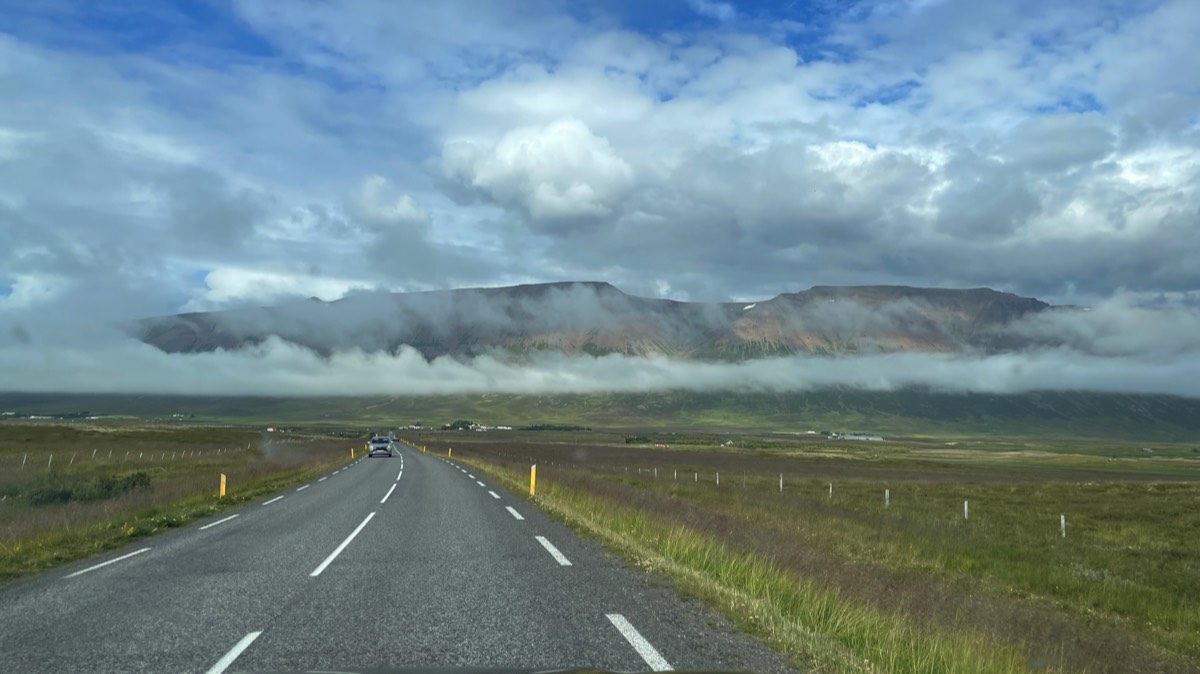
In the photo below you can see the attempts to re-forrest the area, in an otherwise barren environment. We frequently saw views such as this, with grey mountains in the foreground and looming snow-capped black mountains on the horizon. To get here we had been driving through lush farmland with bales of freshly cut hay, as well as fields of plump sheep. But it was never possible to stop and take a photo of these landscapes.
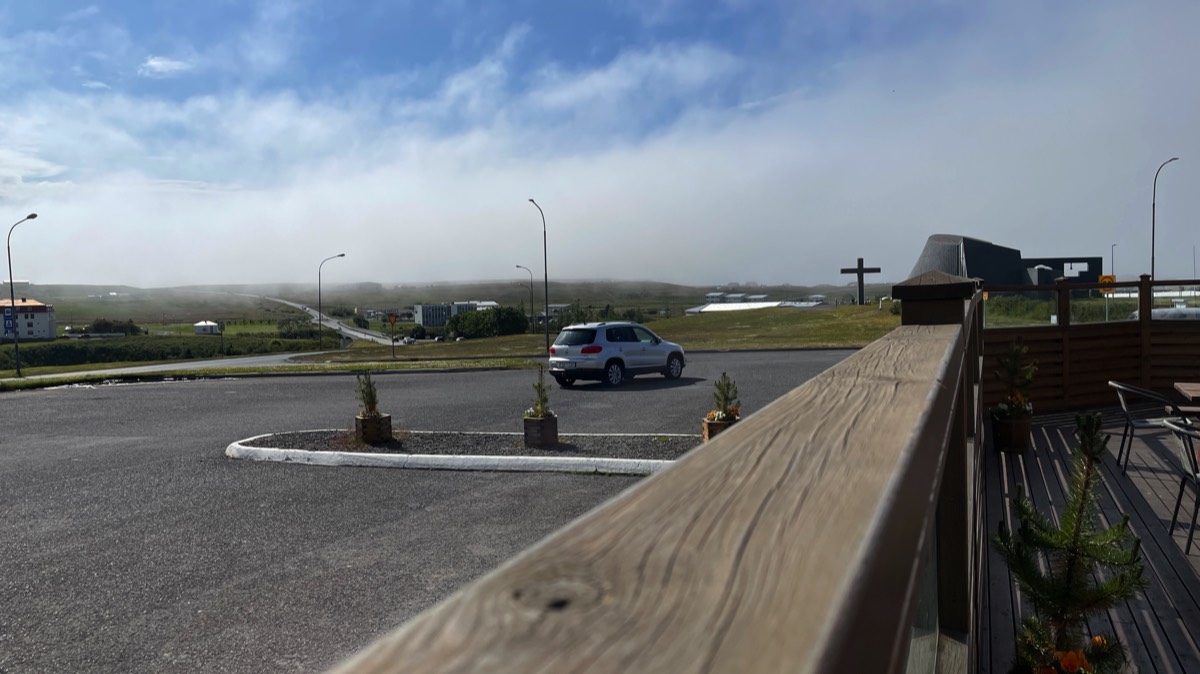
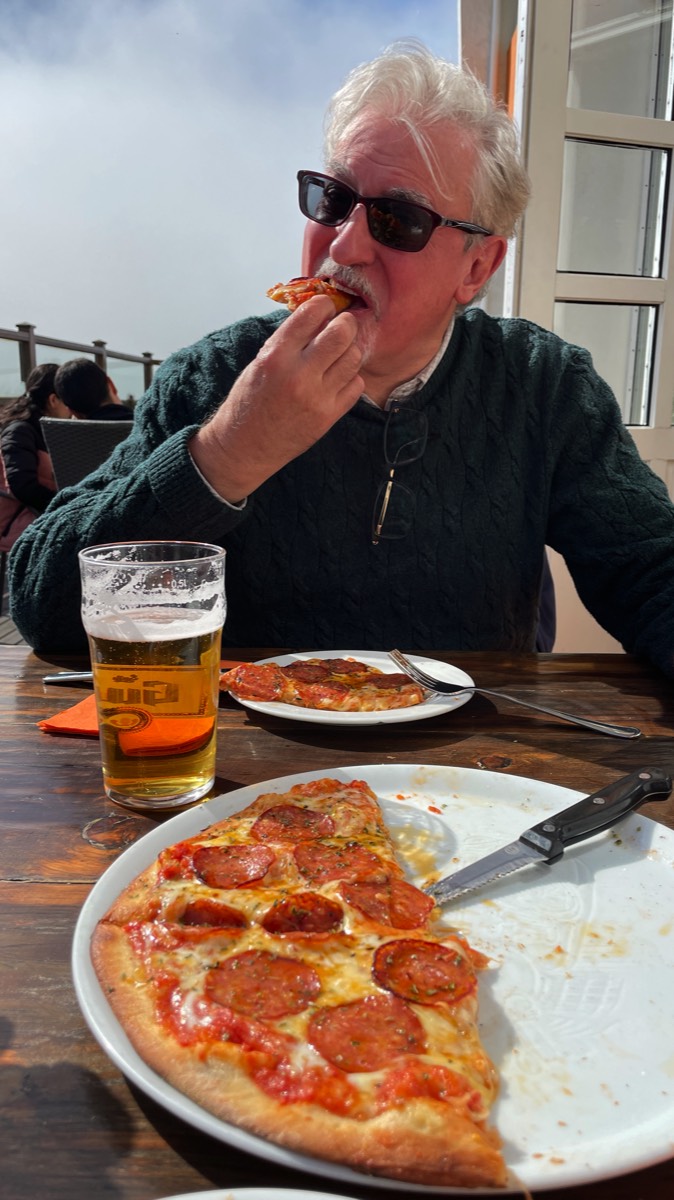
We stopped at Blonduos to refuel, with the mist following behind us. Nevertheless, the sun shone enough for us to enjoy eating lunch outside. Pit-stops such as this one were rare and very welcome.
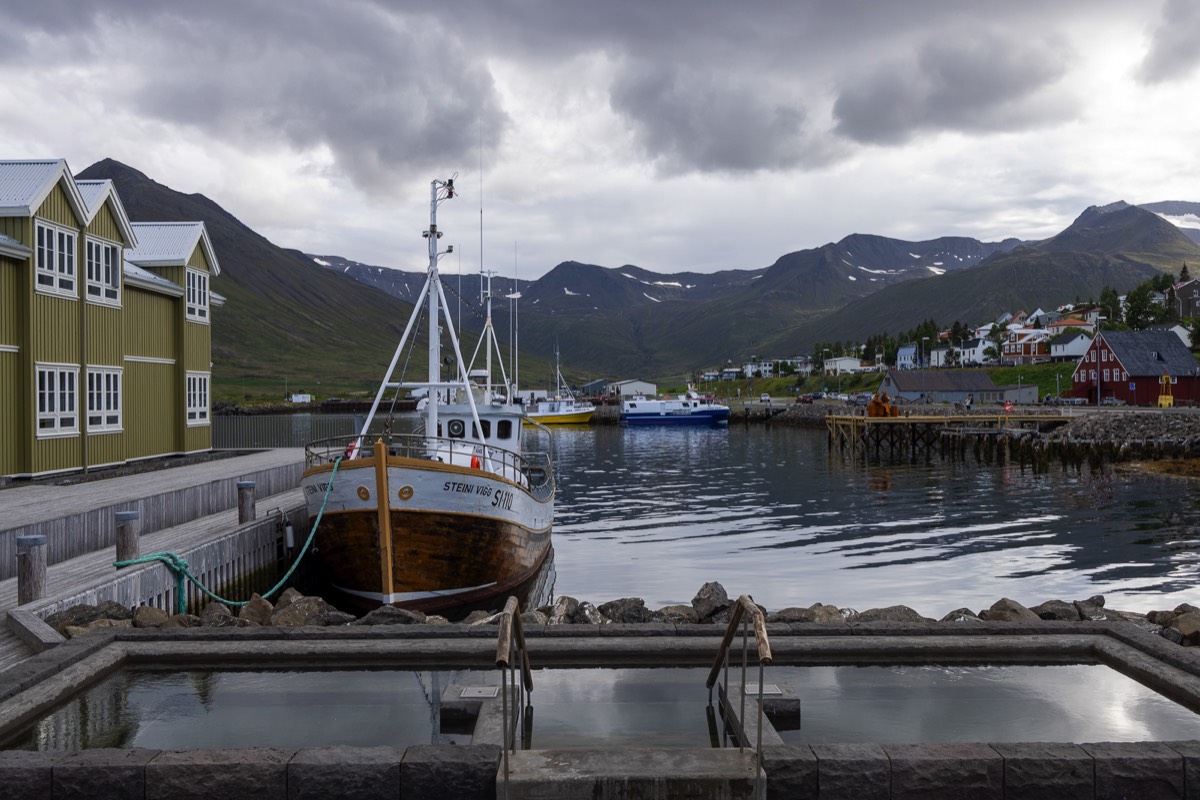
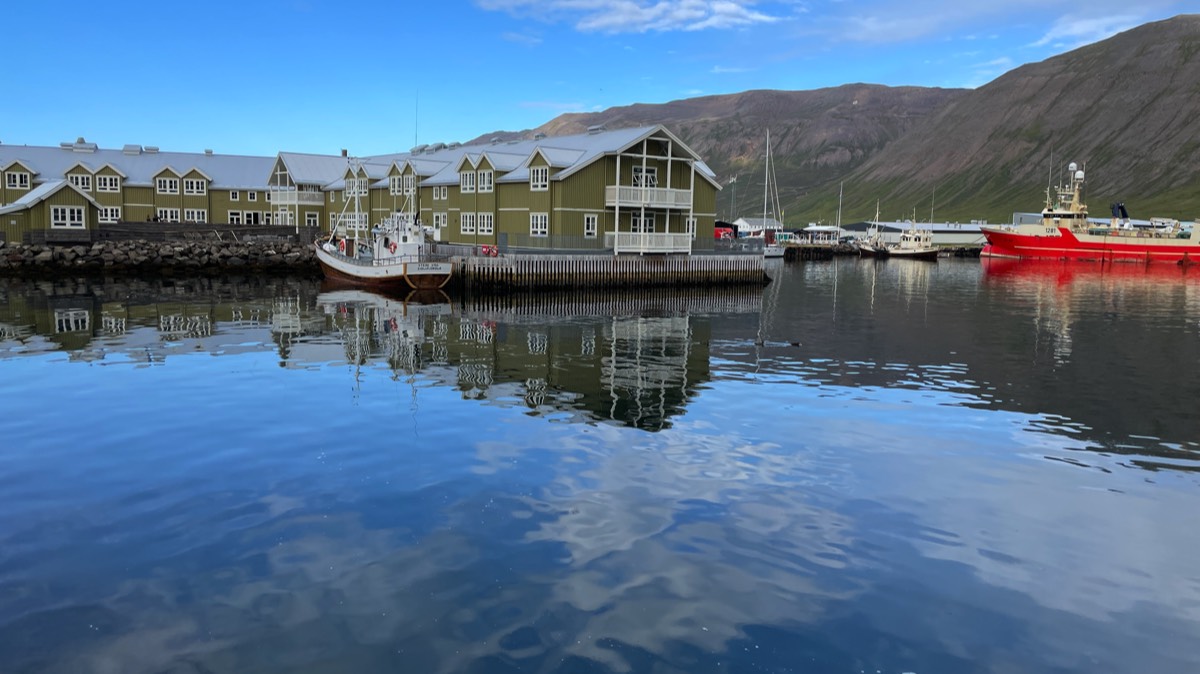
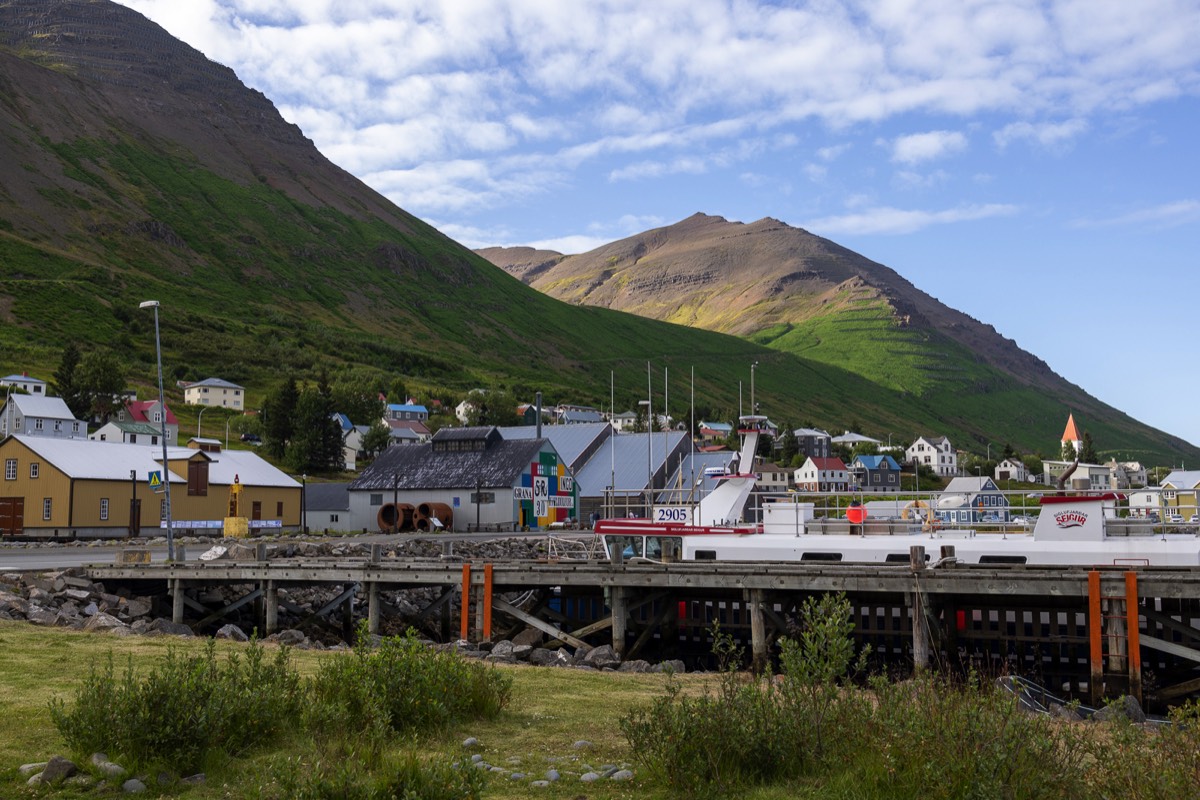
Our destination today was Siglufjordur, which had been a shark fishing village in 1900, but then became the capital of the herring fishing industry in the mid-20th century. The view shown below left is from the Siglo Hotel where we stayed, and you can see its outdoor geothermal pool looking out over the harbour.
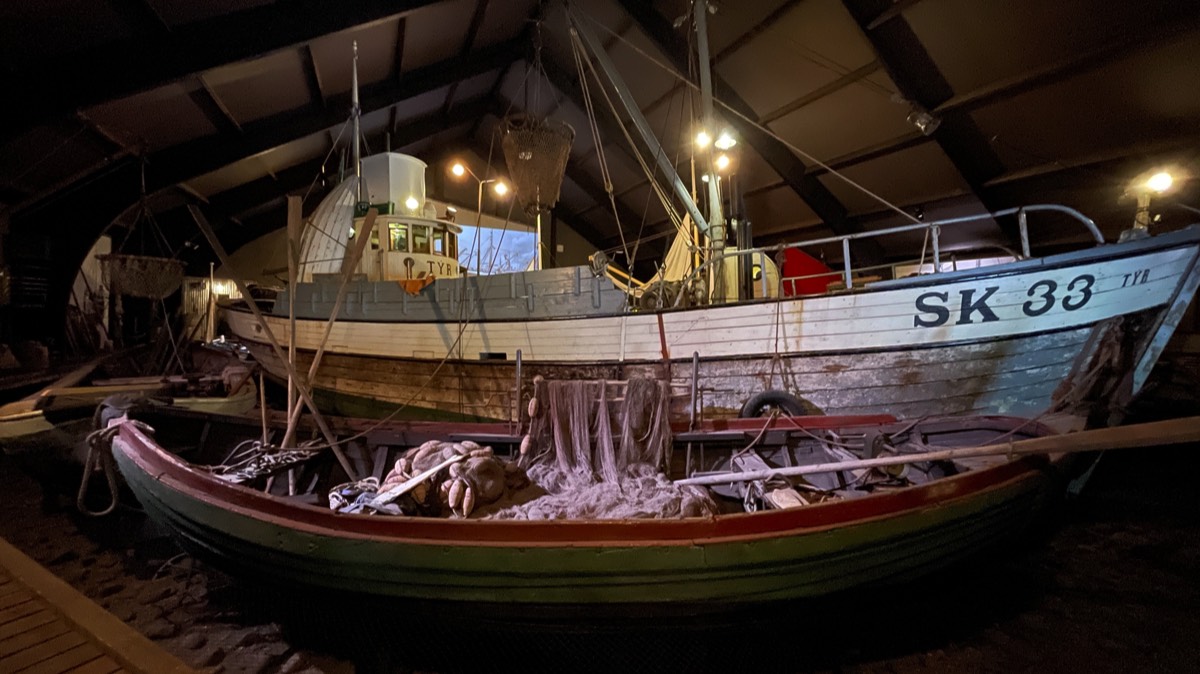
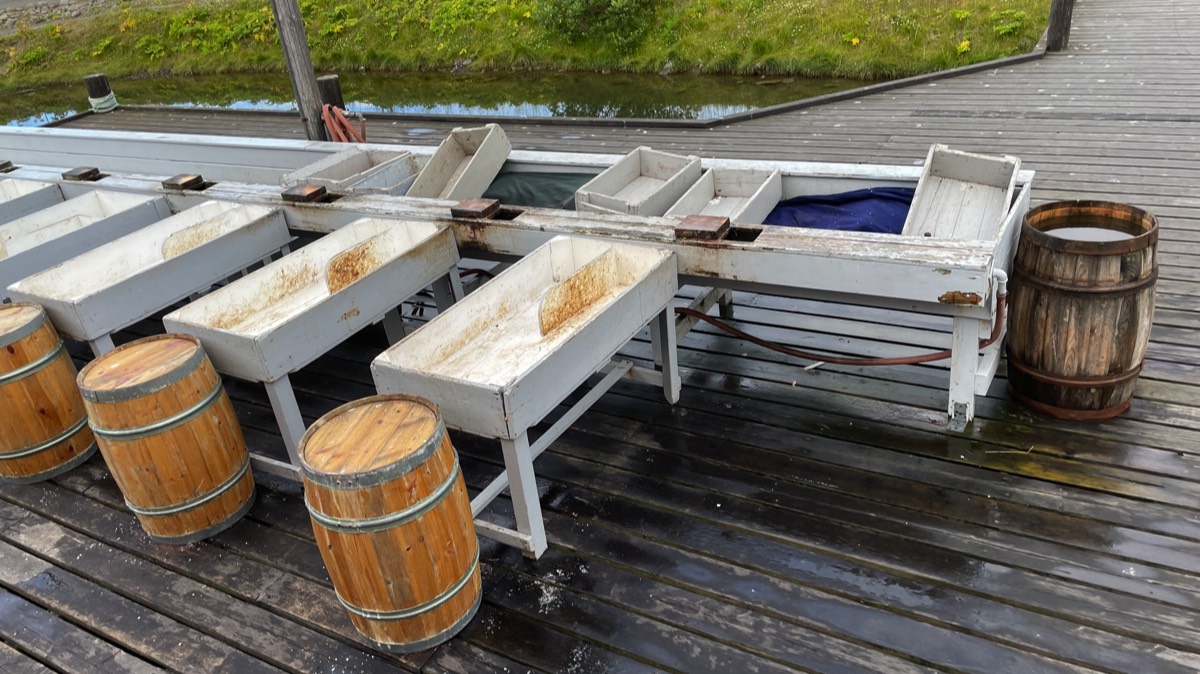
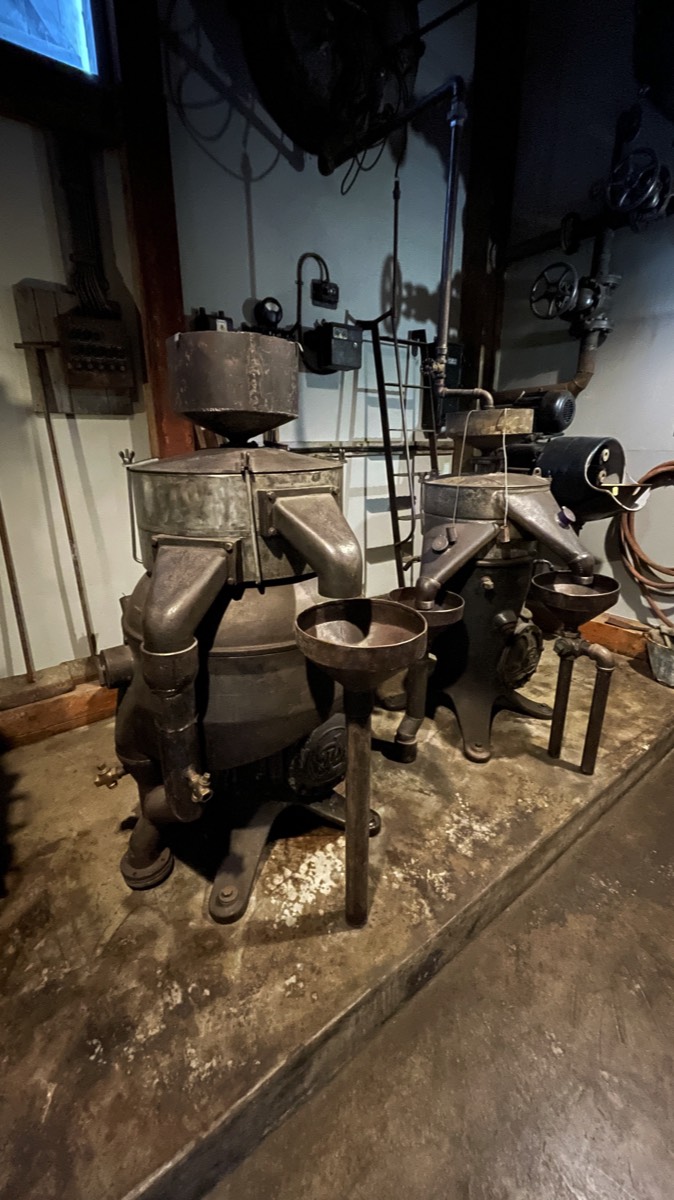
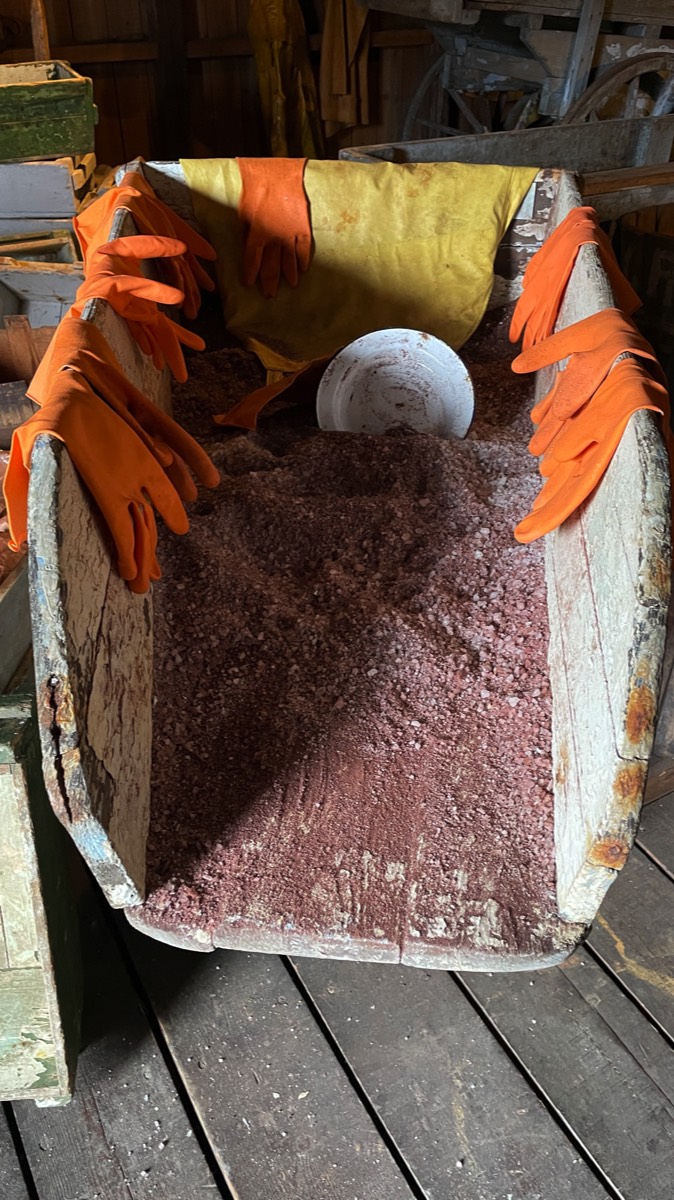
We arrived just in time to visit the Herring Era Museum which stretches over three buildings on the harbour side. Siglufjordur doubled in size between 1920 and 1940 with the production of fish oil and fish meal driving the economy here. In the best years, e.g. 1966, the herring industry contributed about 31% of GDP in Iceland. But then the herring shoals moved elsewhere around the coast until they eventually disappeared due to overfishing. Today a few pier struts remain in the harbour as a memory of what was, and the town hosts an annual herring festival. Indeed we just missed the festival but the fishing gutting paraphernalia were still in evidence.
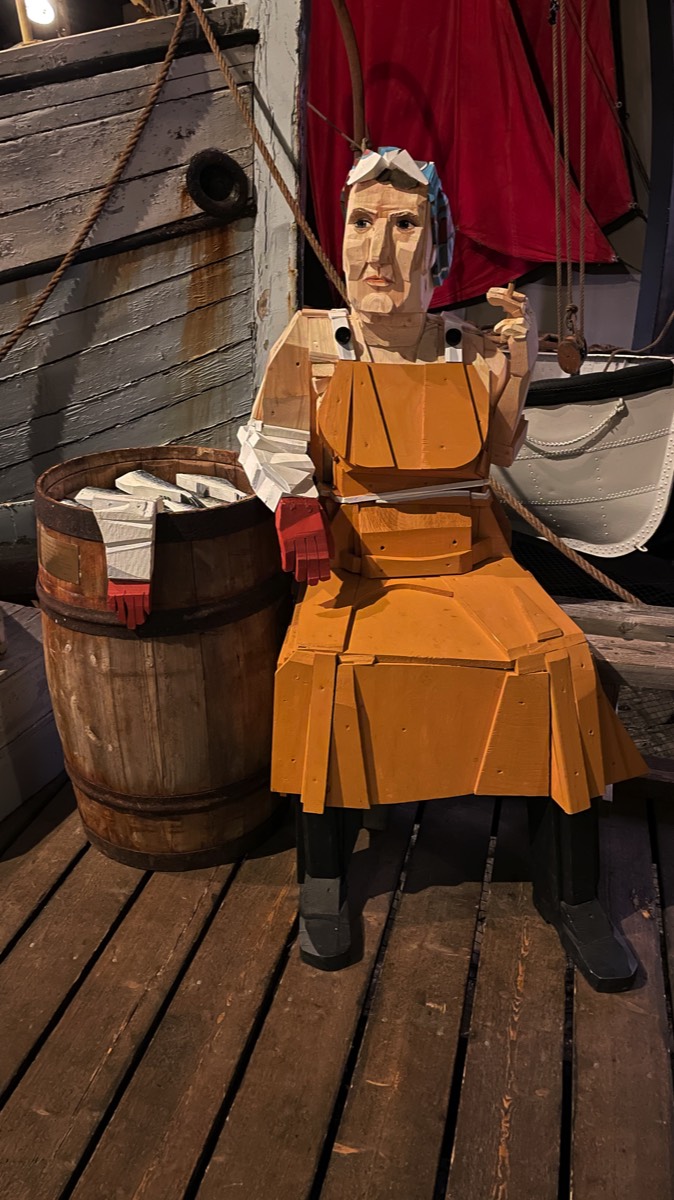
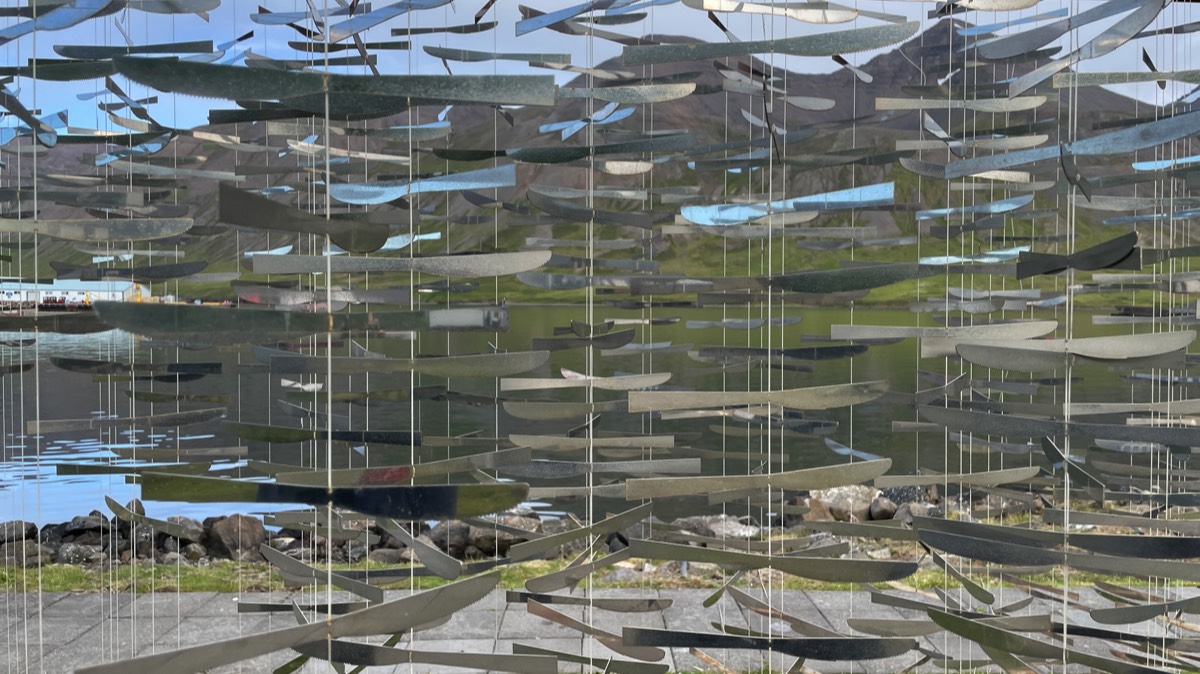
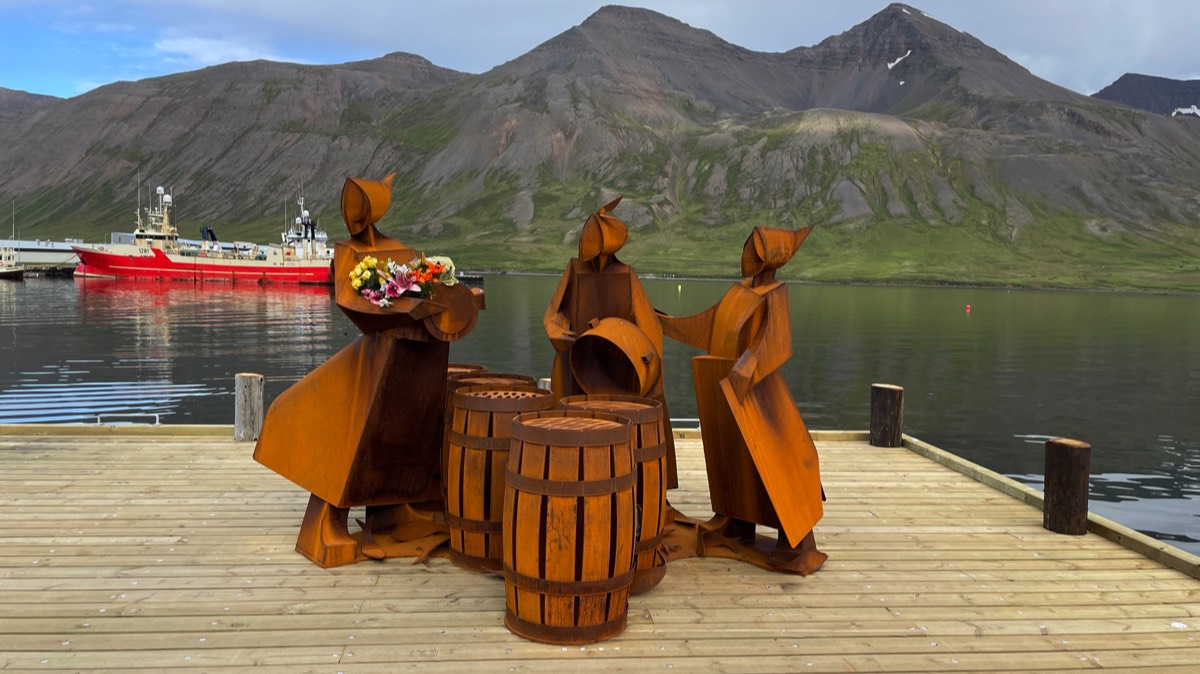
On the harbour's edge was a delicate sculpture of suspended knives turning in the wind, and looking just like a shoal of herring. And on a new pier was a sculpture to commemorate the Herring Girls, young women who migrated around the fishing villages as the shoals of herring migrated. These women worked outdoors to gut, clean, and salt the herrings as they were landed from the trawlers in the harbour.
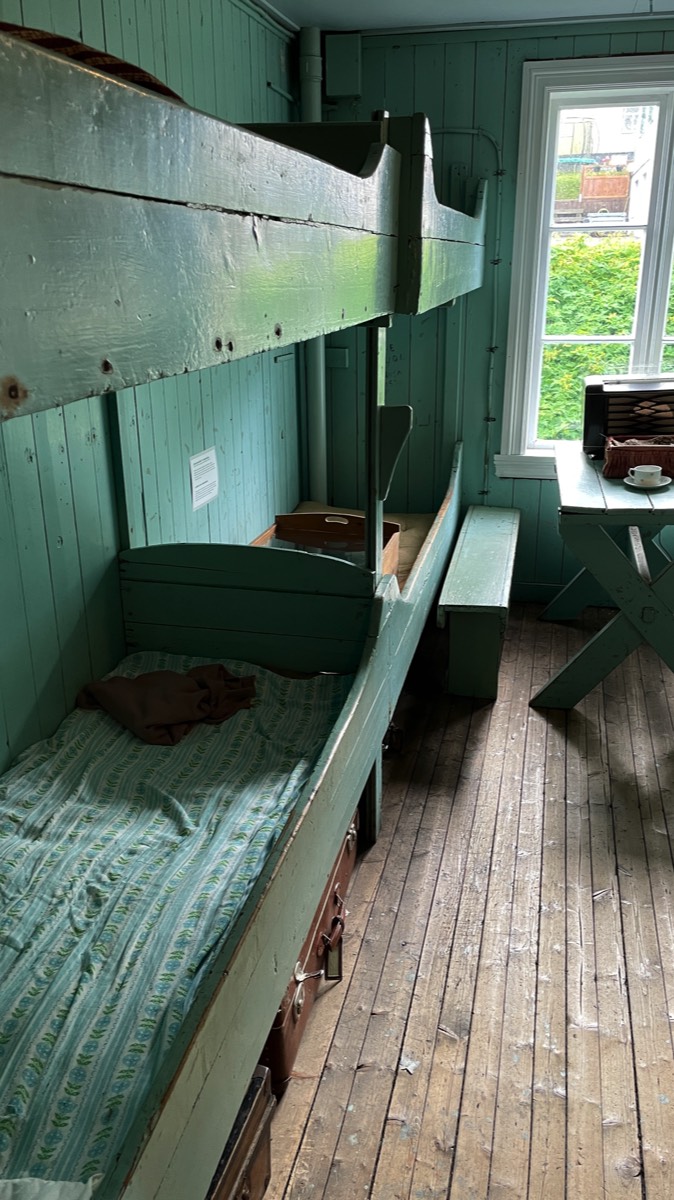
The smell of fish must have been all pervasive, what with the fish oil extraction and the salting of herring. The Herring Girls lived in small bunkbeds in cramped accommodation, and that too must have smelt fishy.
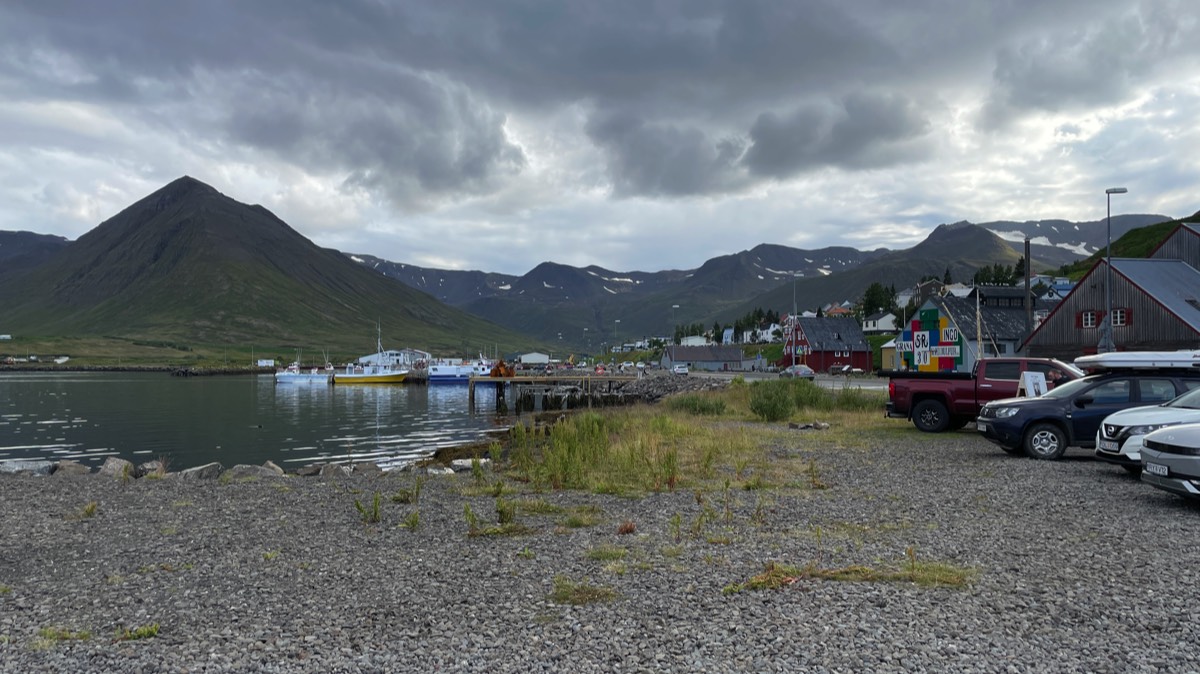
Today Siglufjordur has a large camp site right in the town centre, aimed at the camper van brigade. While remote, it is in a beautiful location at the foot of stunning mountains, but I think you need to be quite tough to live here.