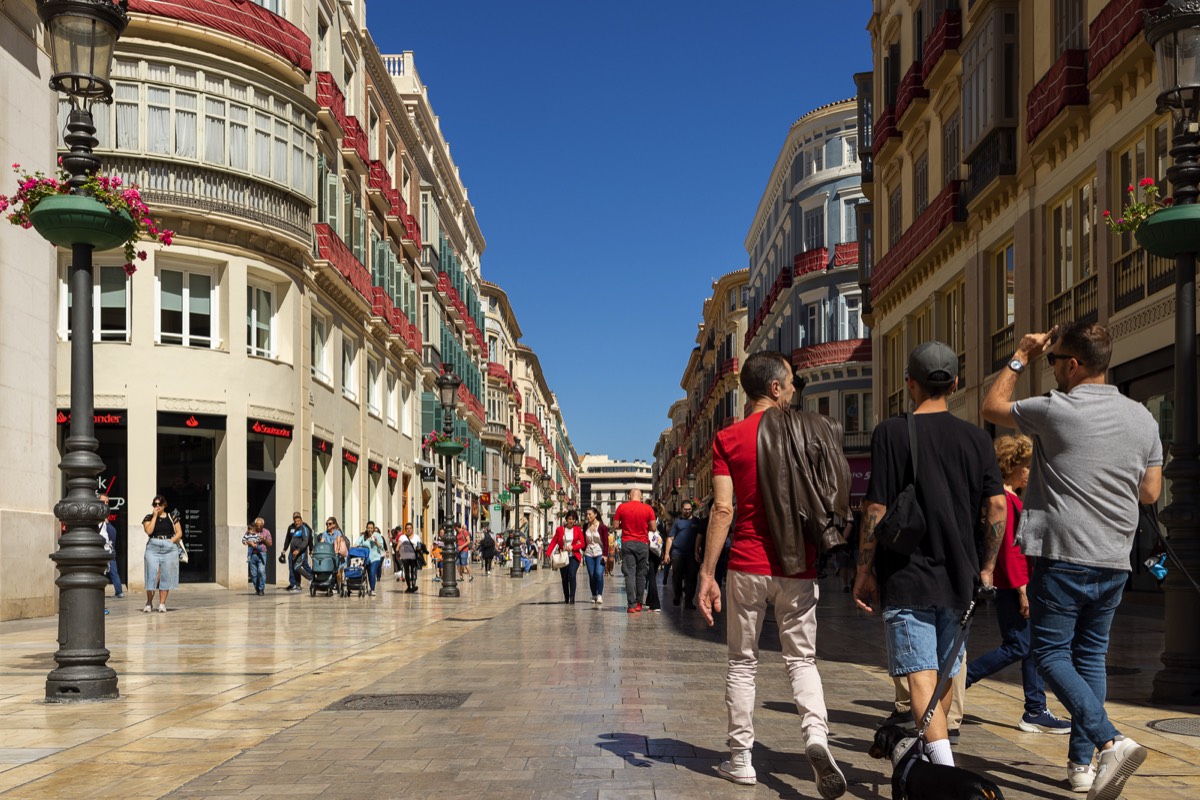
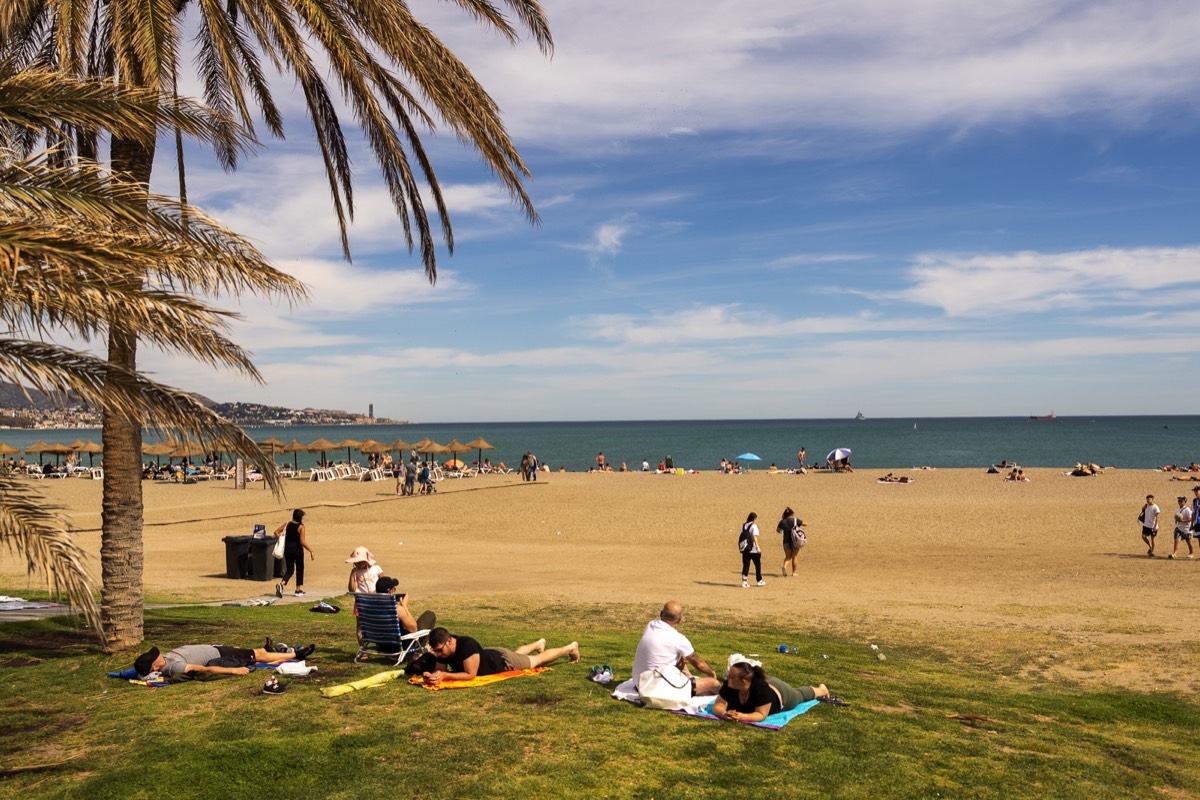
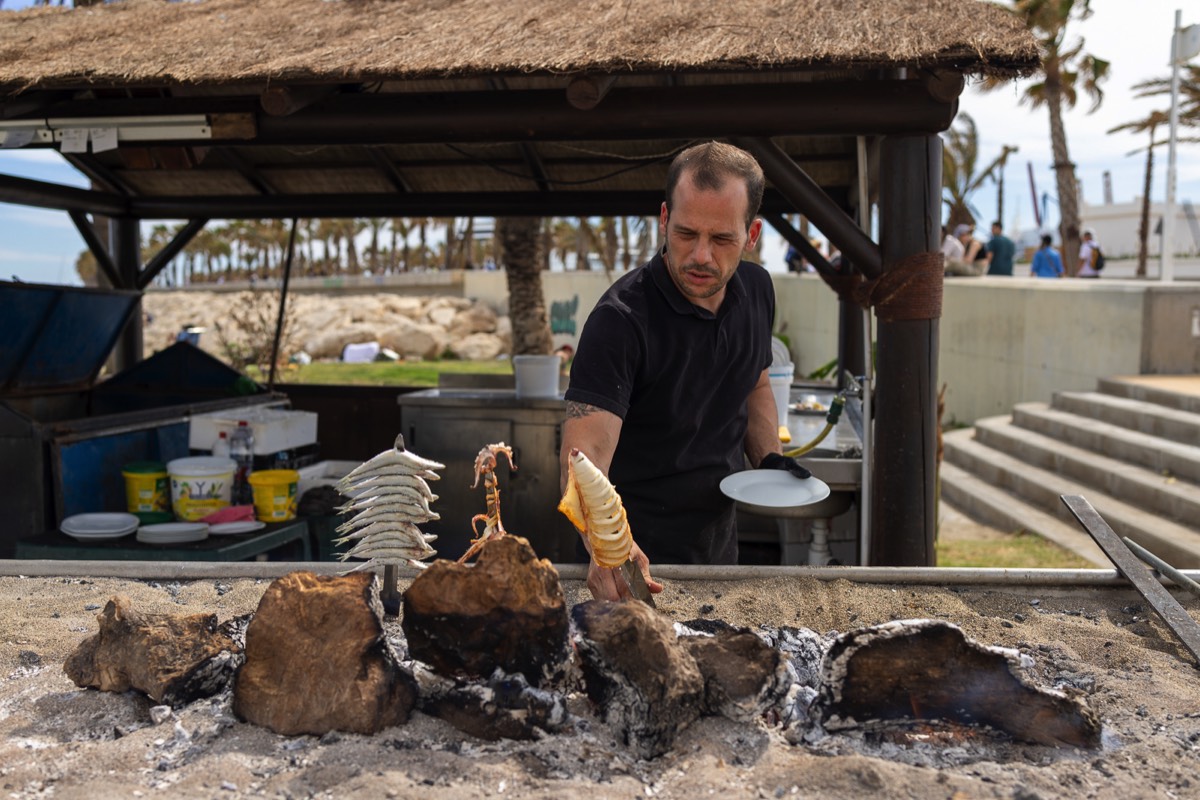
Malaga is a lovely place to wander around, with wide pedestrianised streets and narrow lanes joining everything up. Many people come to Malaga for the day from nearby holiday beaches on the Costa del Sol. Malaga does have a beach but not much in the way of shade on what was an unexpectedly hot day. Still, the grilled fish stall was doing good business.
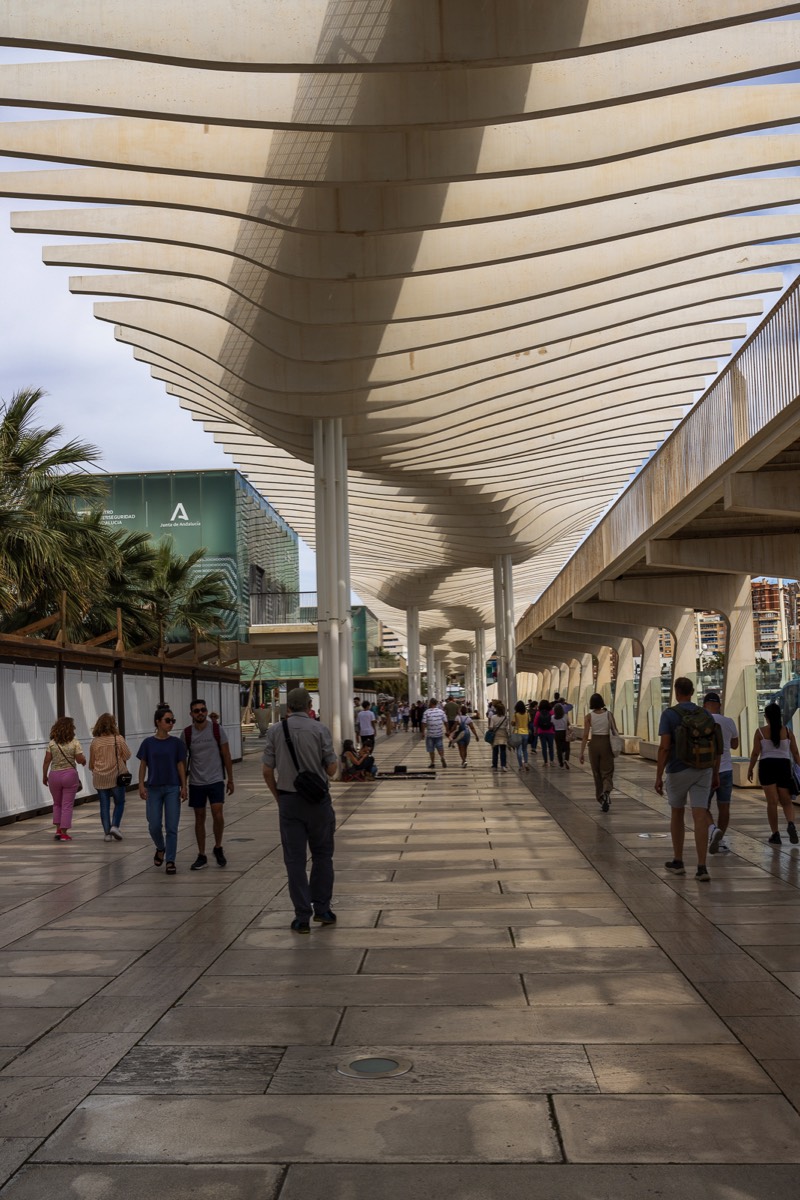
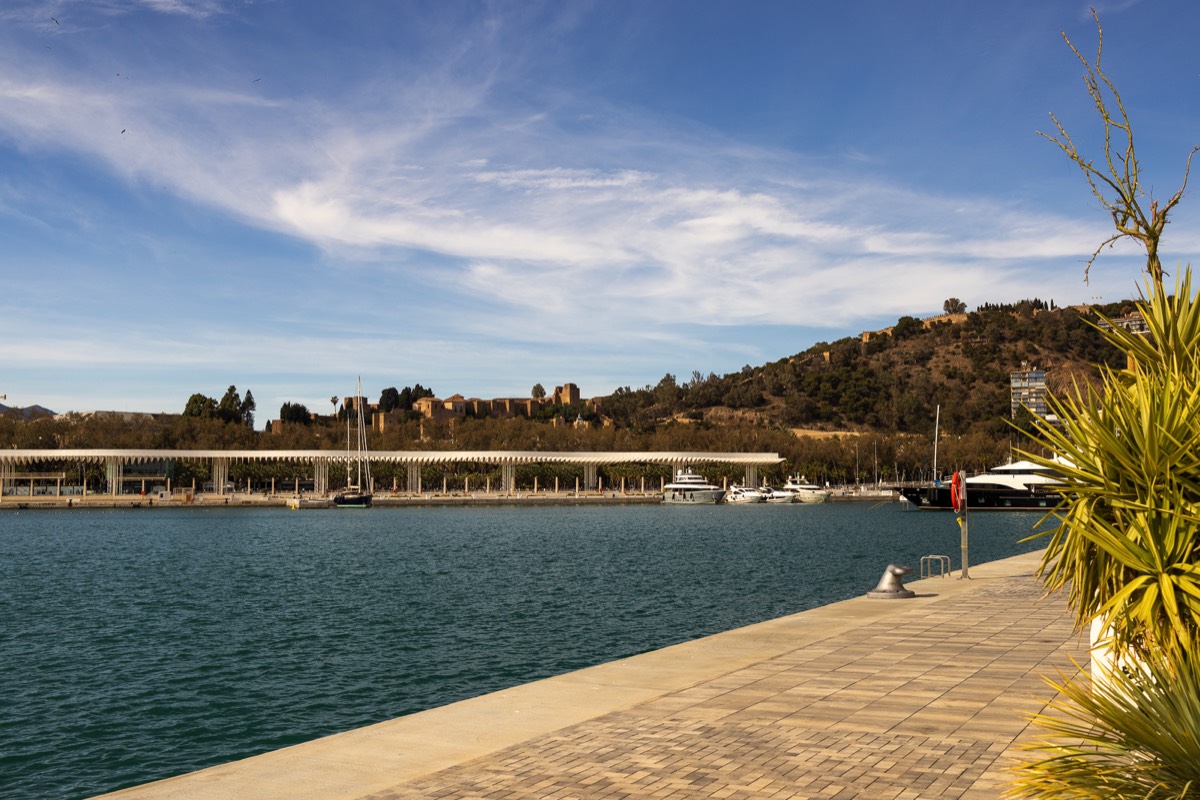
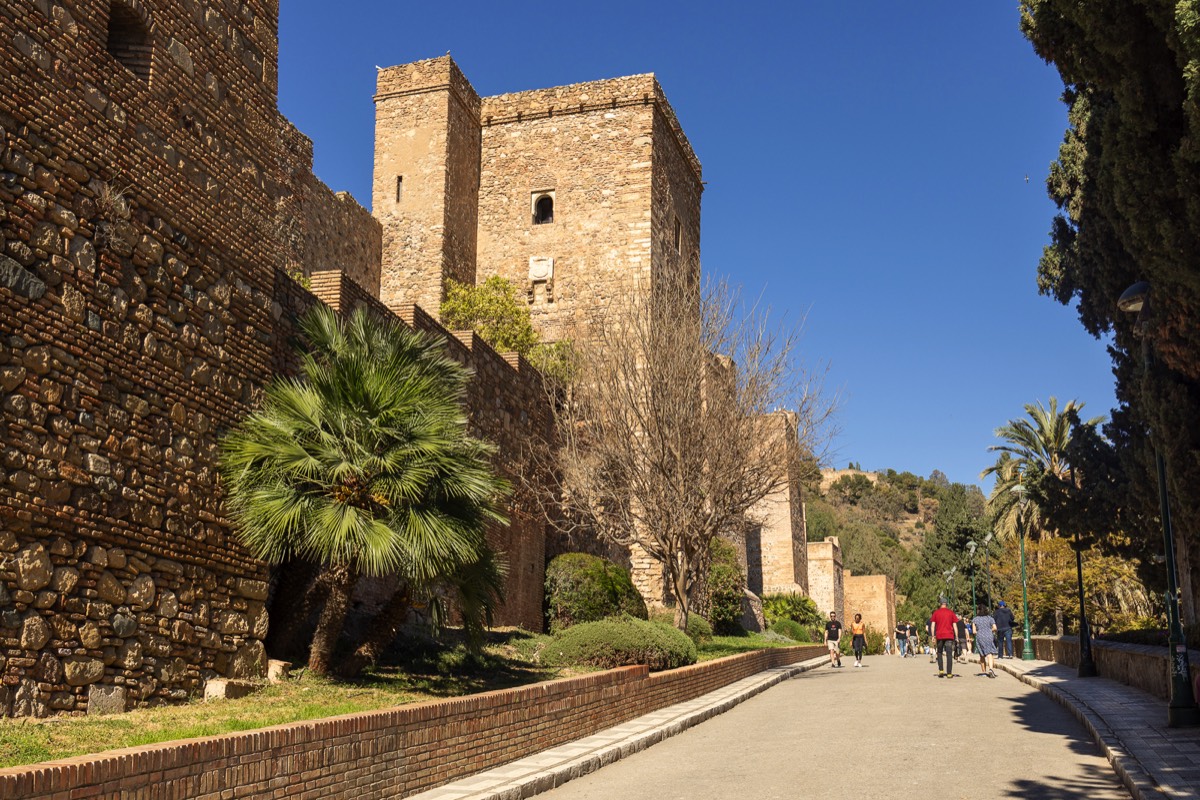
We did find shade walking along the promenade towards the beach and were impressed by the sunshade design. On the hill behind you could see the extensive network of towers connecting the Alcazaba to the Castillo de Gibralfaro perched on top of the hill overlooking the city.
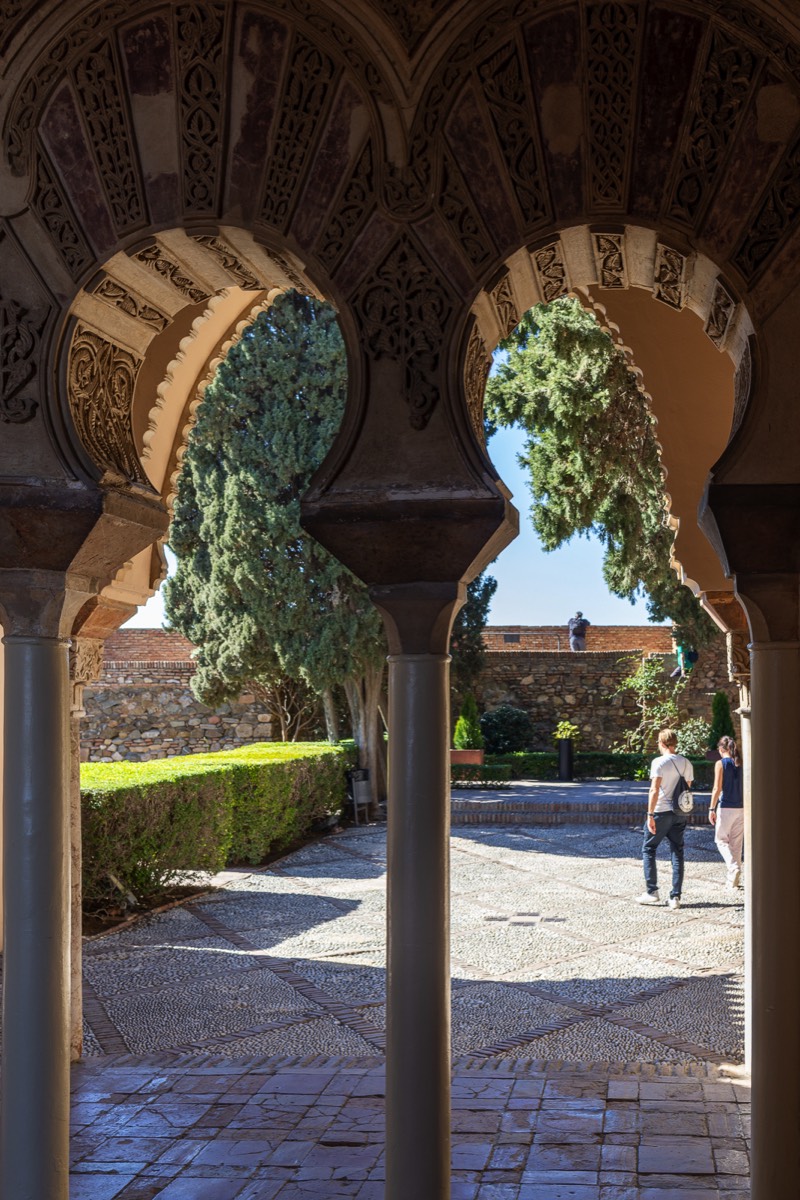
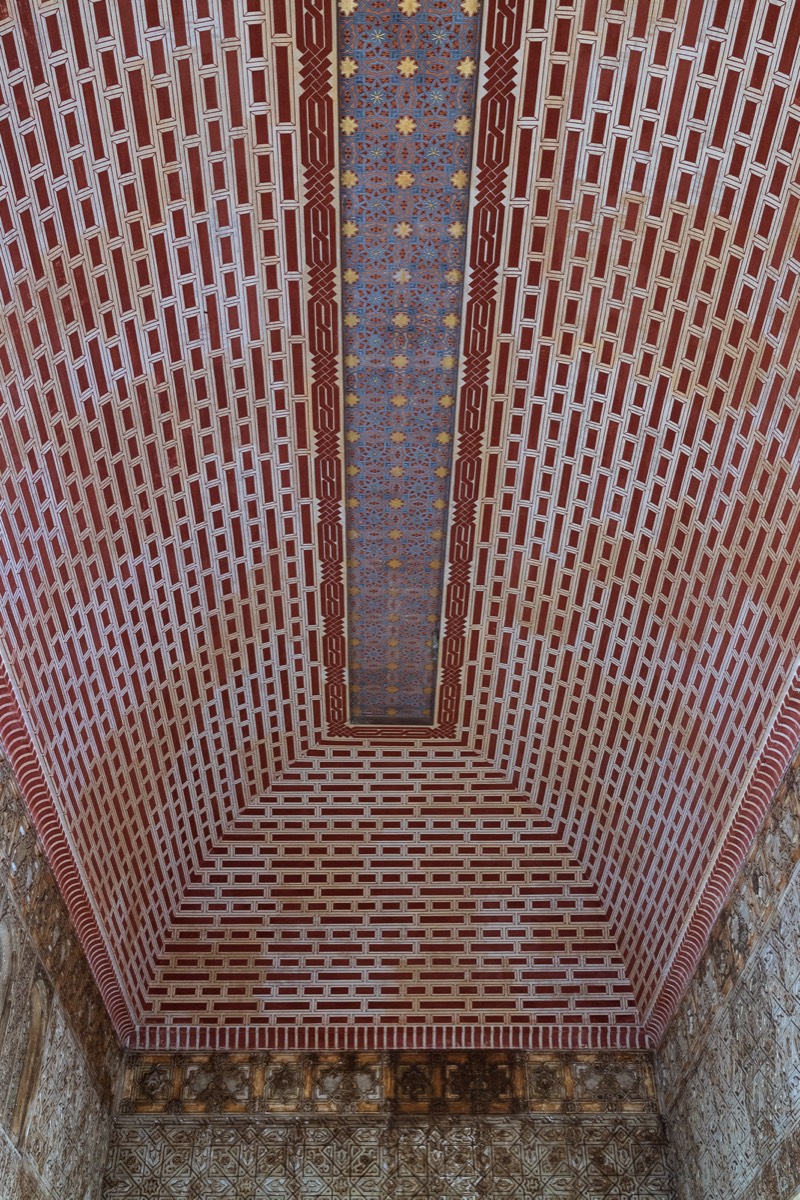
The Alcazaba dates from the 11th century Moorish period as seen by the wonderful caliphate horseshoe arches and courtyards in the lower palace area. And inside all the historic buildings of Andalucia, it was important to look up at the ceilings because nothing was left undecorated.
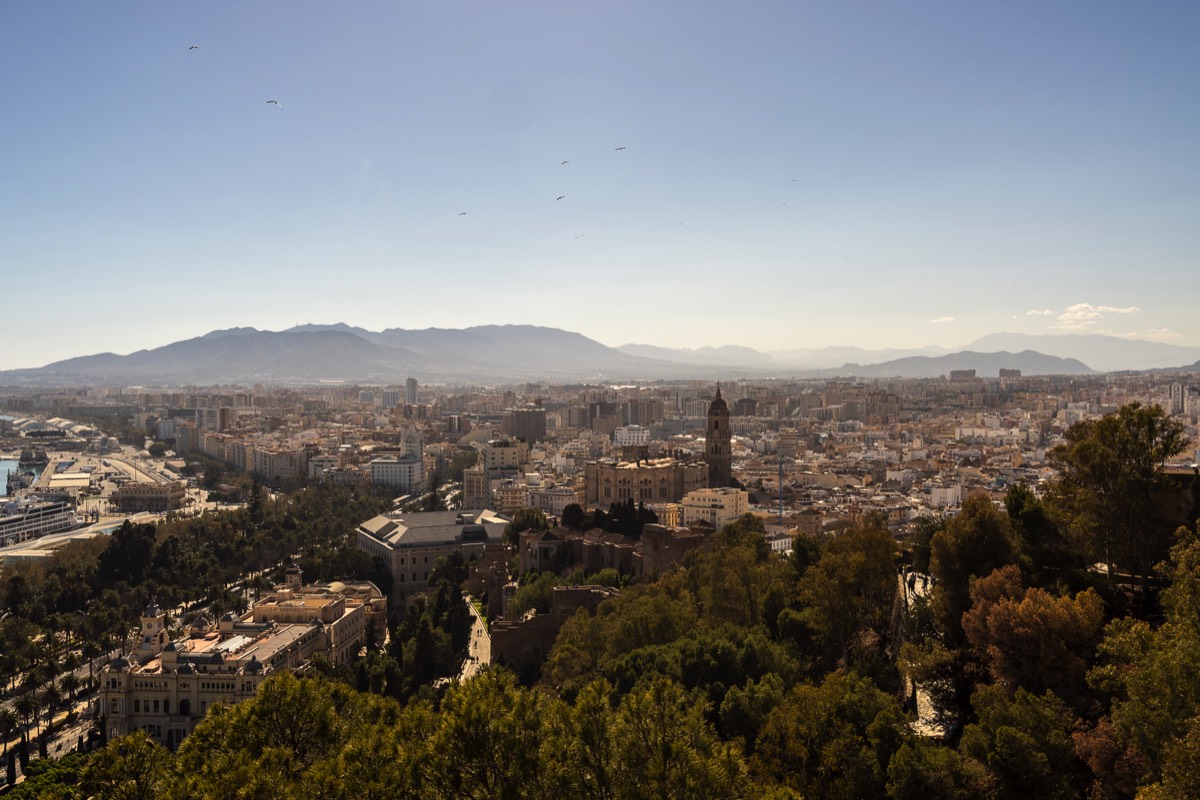
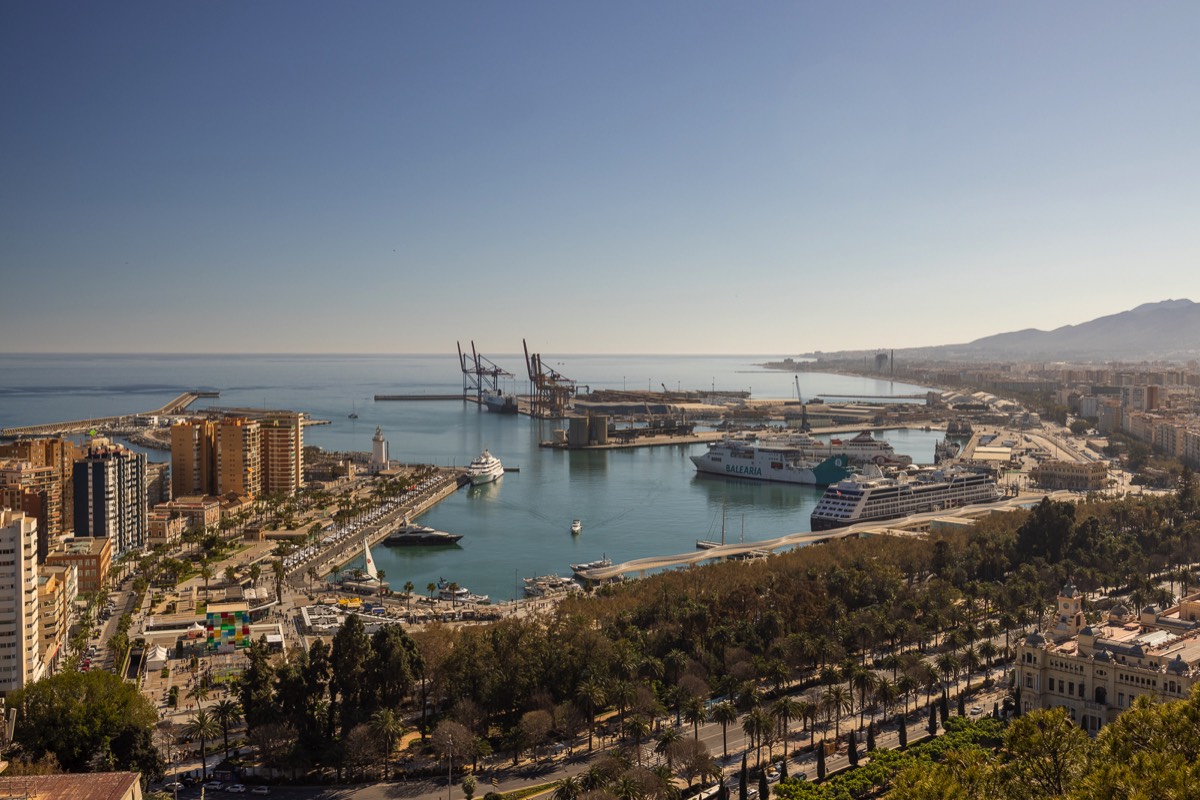
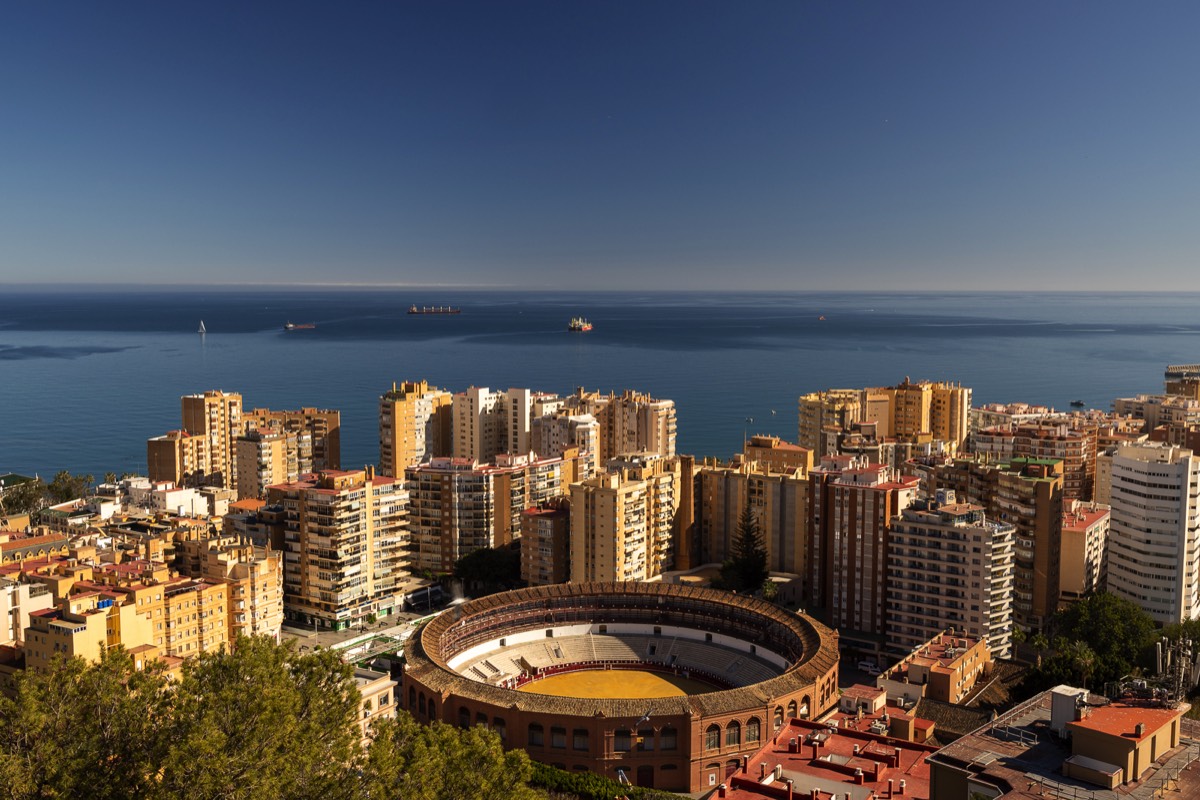
Looking down from the castle, we had a fabulous view of the city with its dominating cathedral and mountains in the background, then the modern harbour and then the more ancient bull ring squeezed within towering blocks of residential properties.
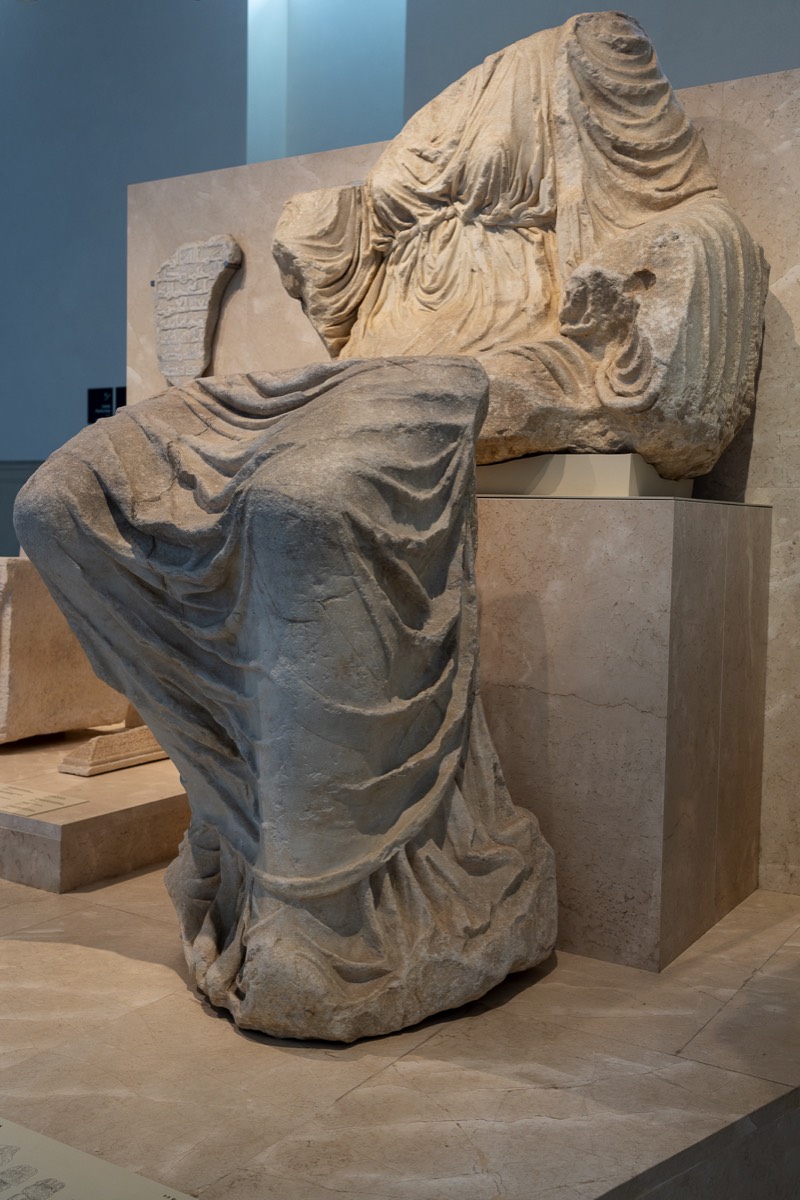
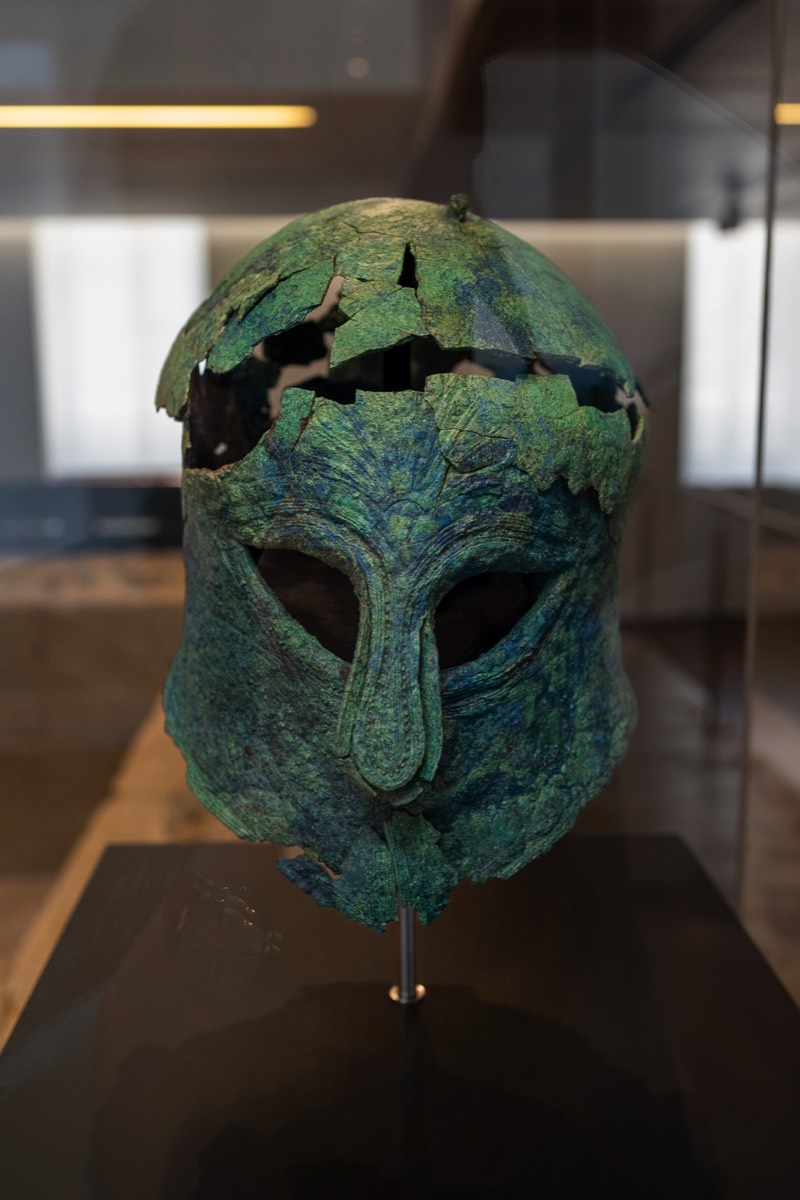
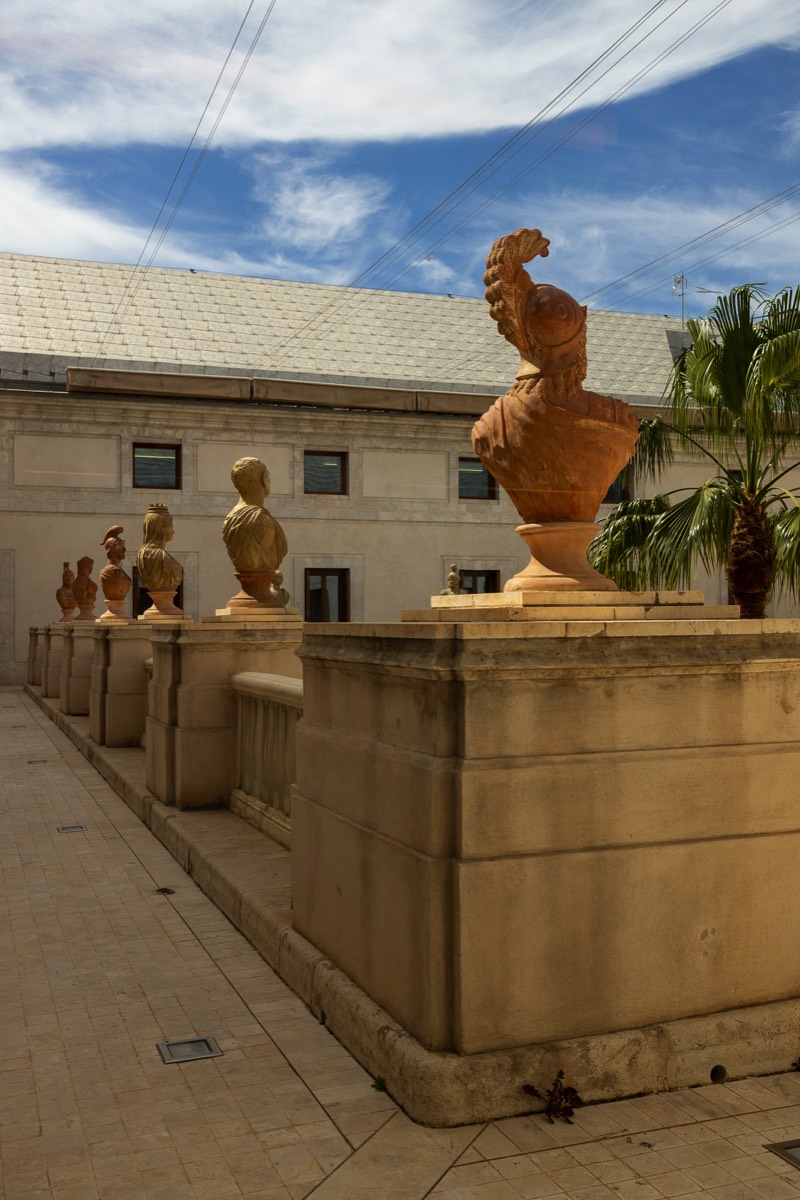
The Romans appreciated the delights of Malaga and the Malaga Museum was full of Roman artefacts.
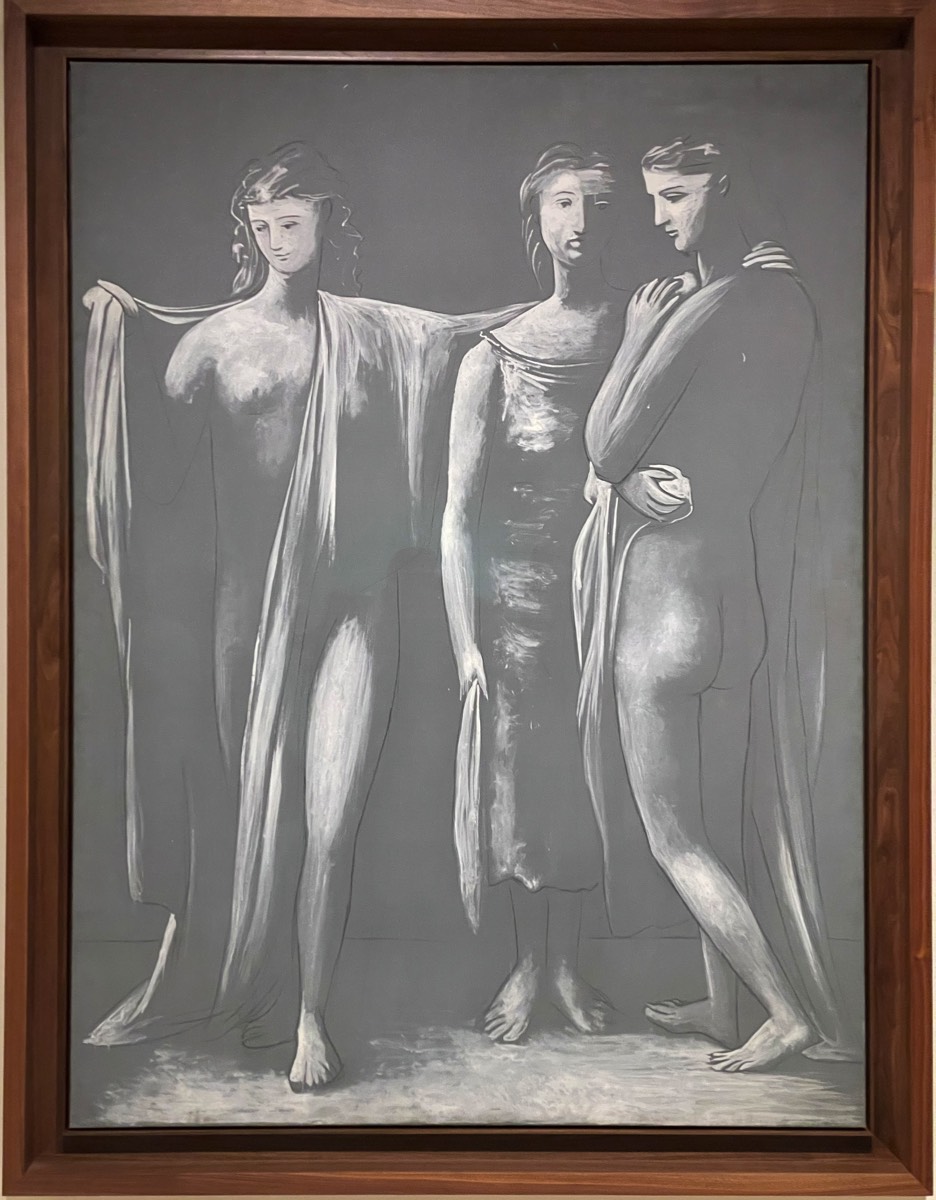
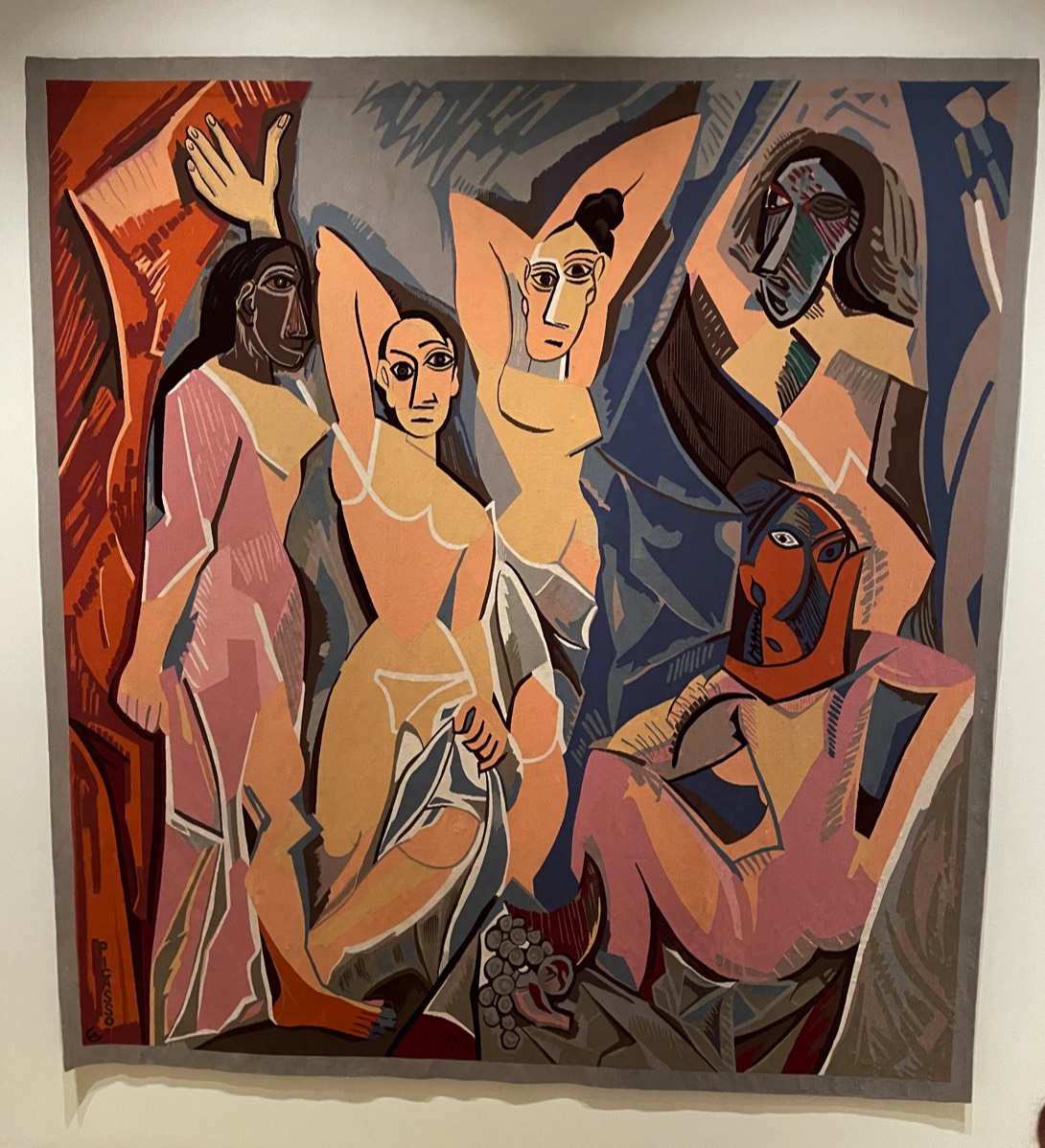
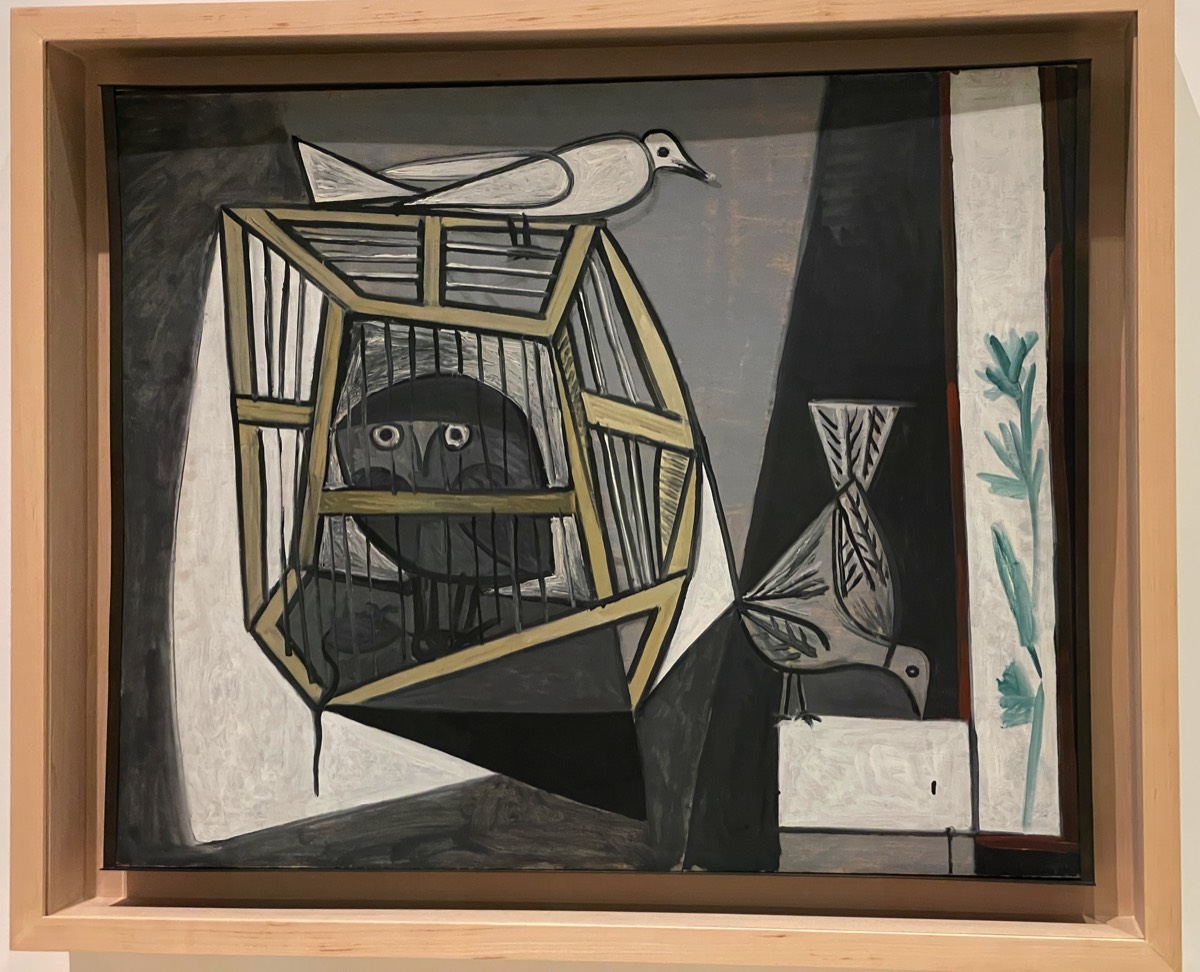
The Picasso Museum was far more popular than the Malaga Museum and well worth a visit. On display were a range of artworks and ceramics showing the development of his style over the years.
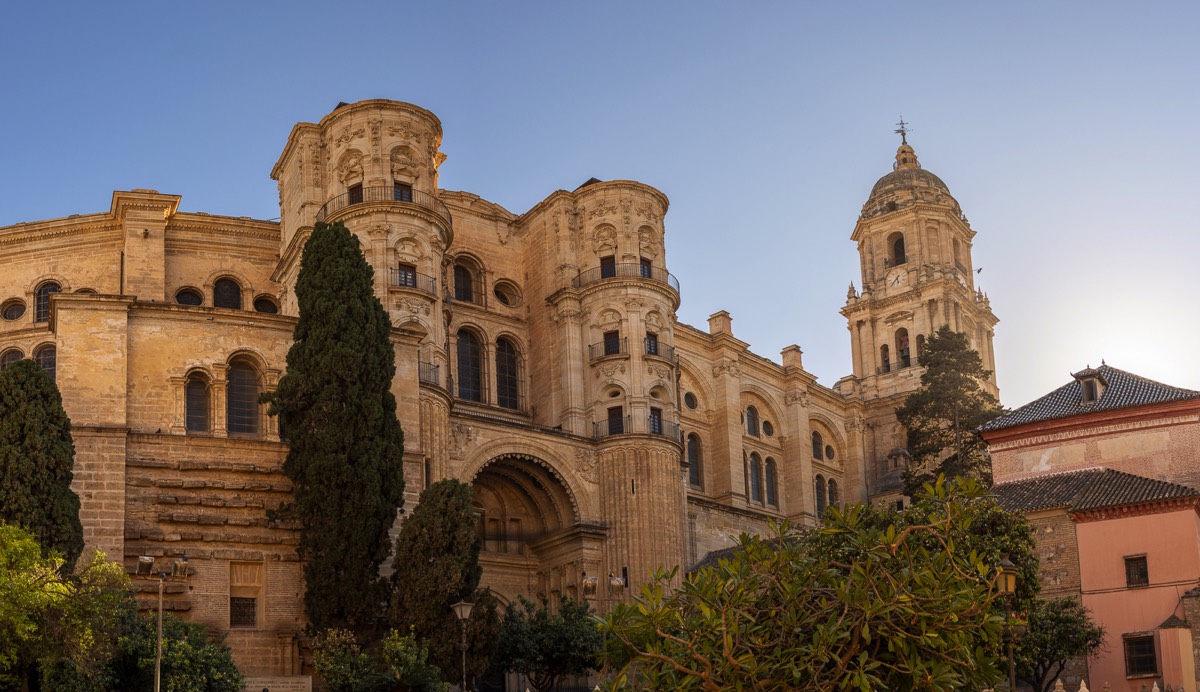
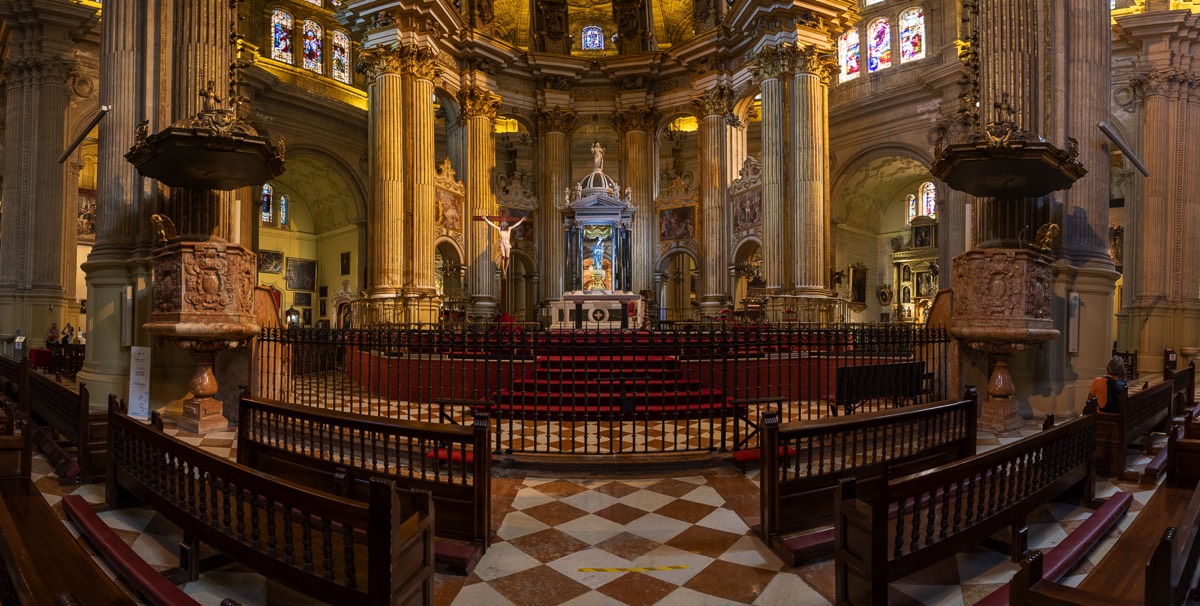
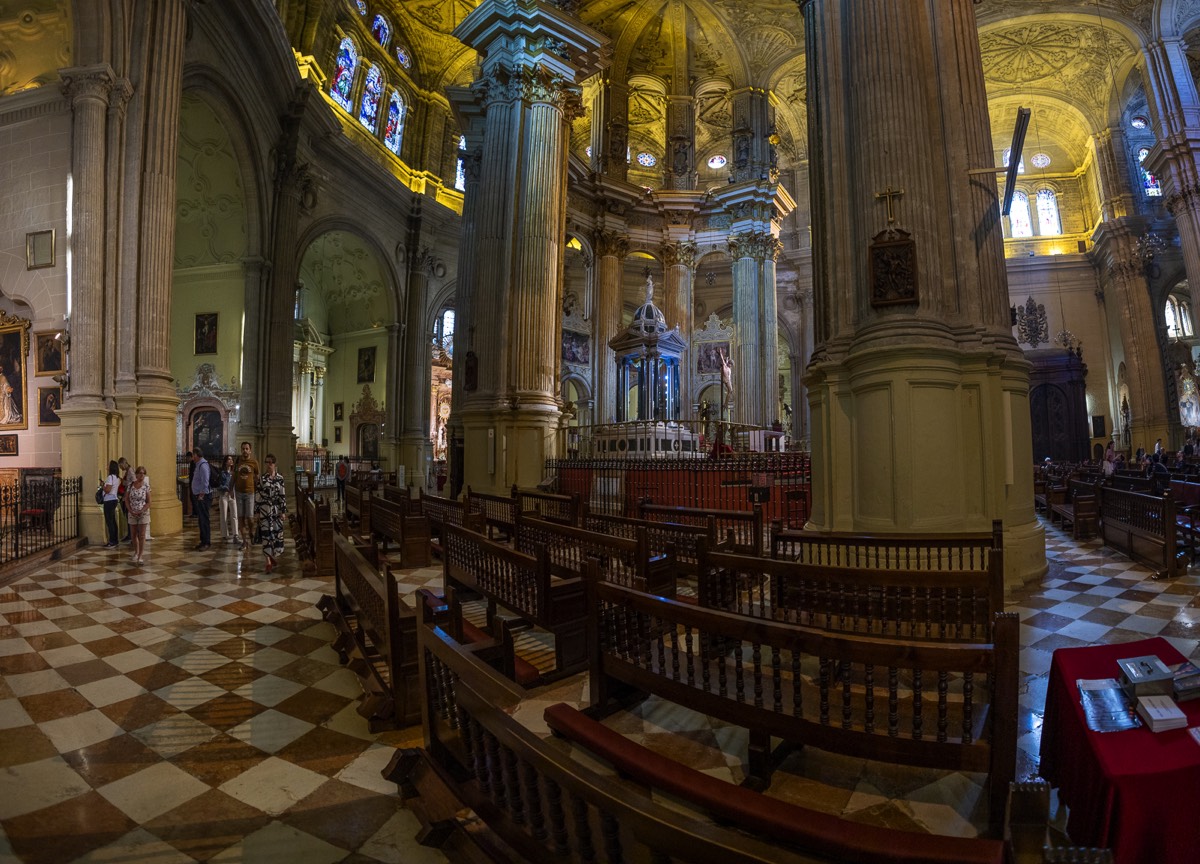
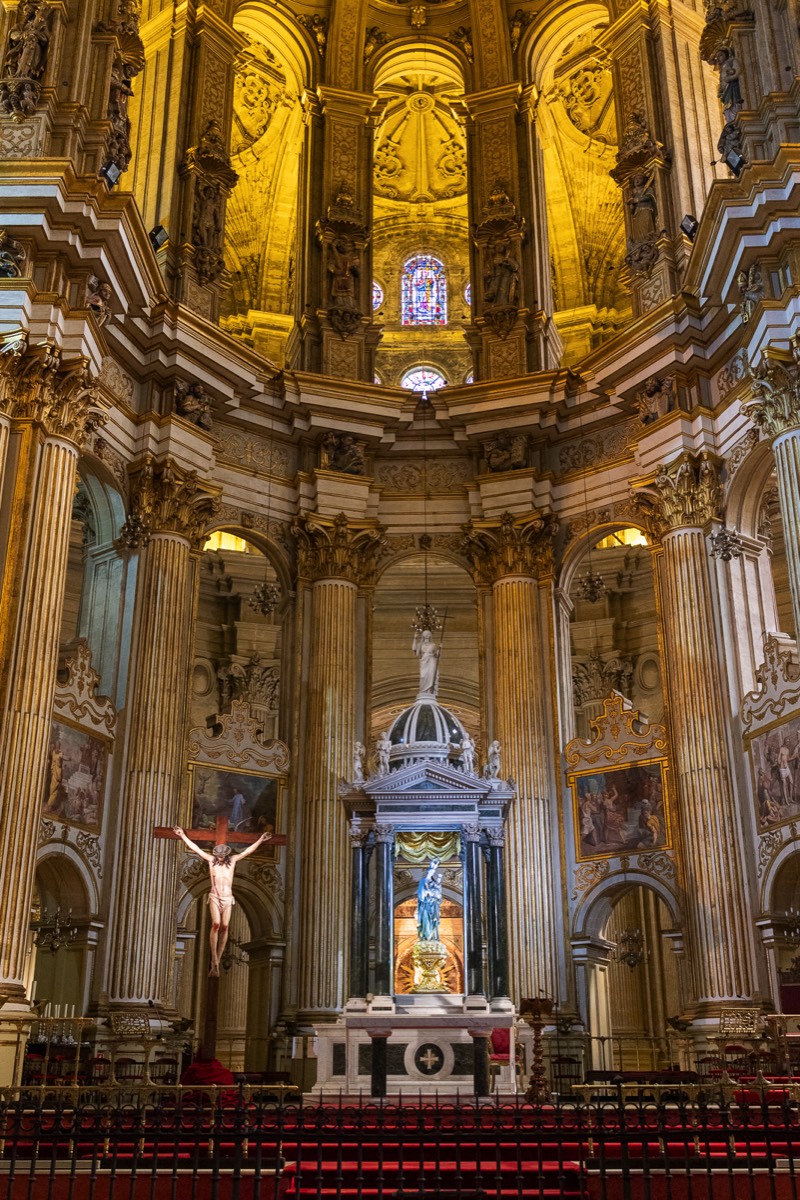
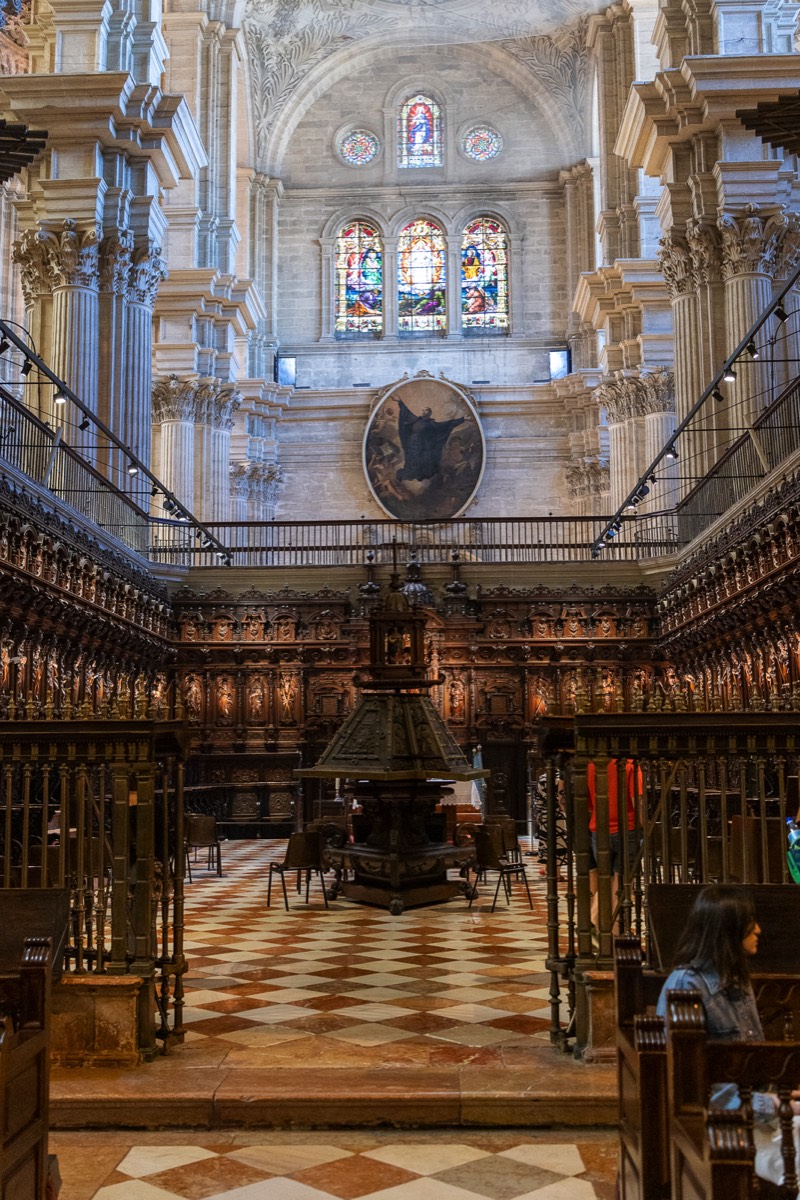
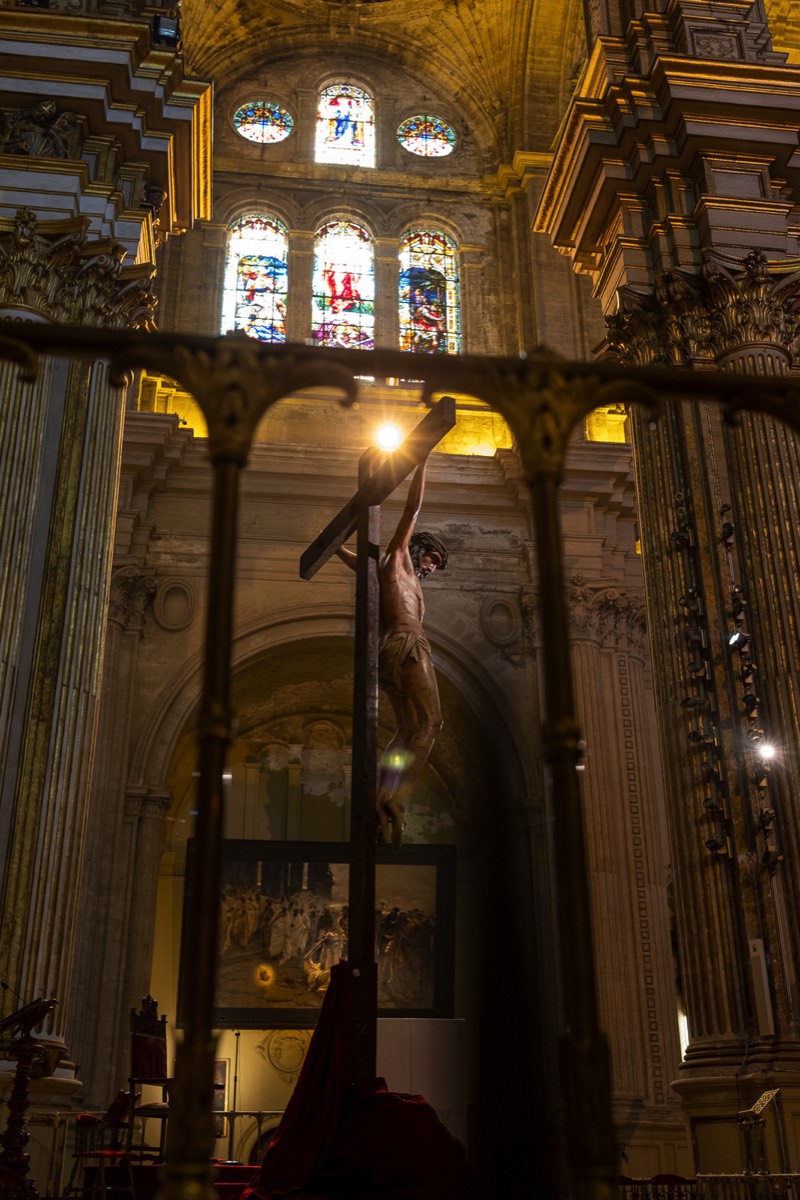
Wherever you walk around the old town, the Cathedral looms large. It was started in the 16th century on the site of a former mosque. It is hard to convey the scale of this building rising 40 m into the air. And every inch of space on the walls seems to be covered in paintings, sculptures, with marble and gold everywhere.