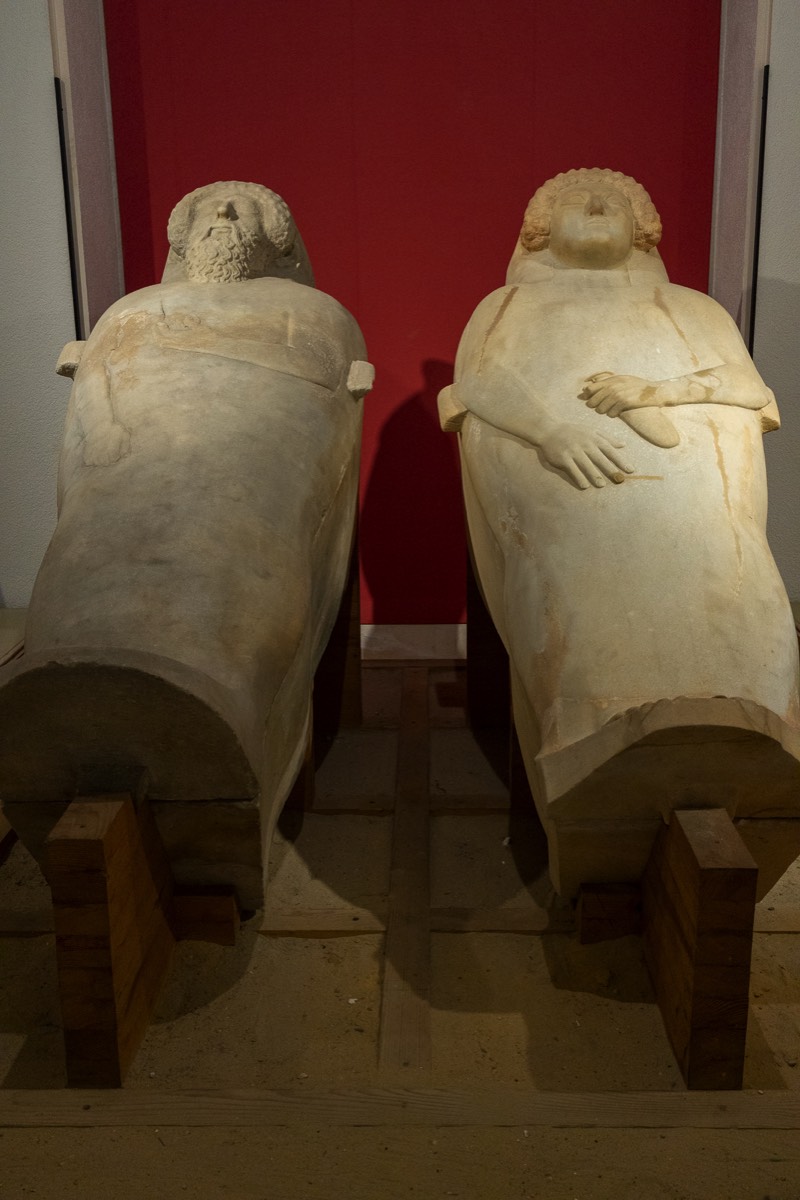
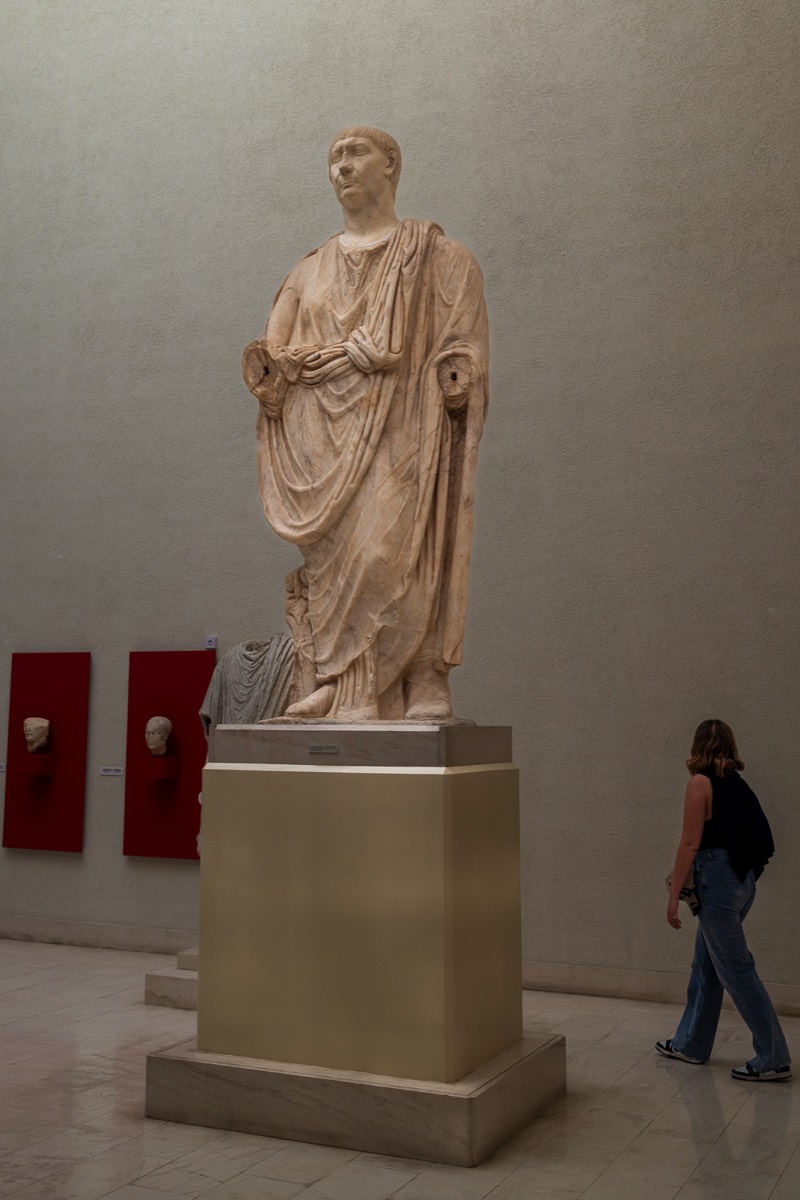
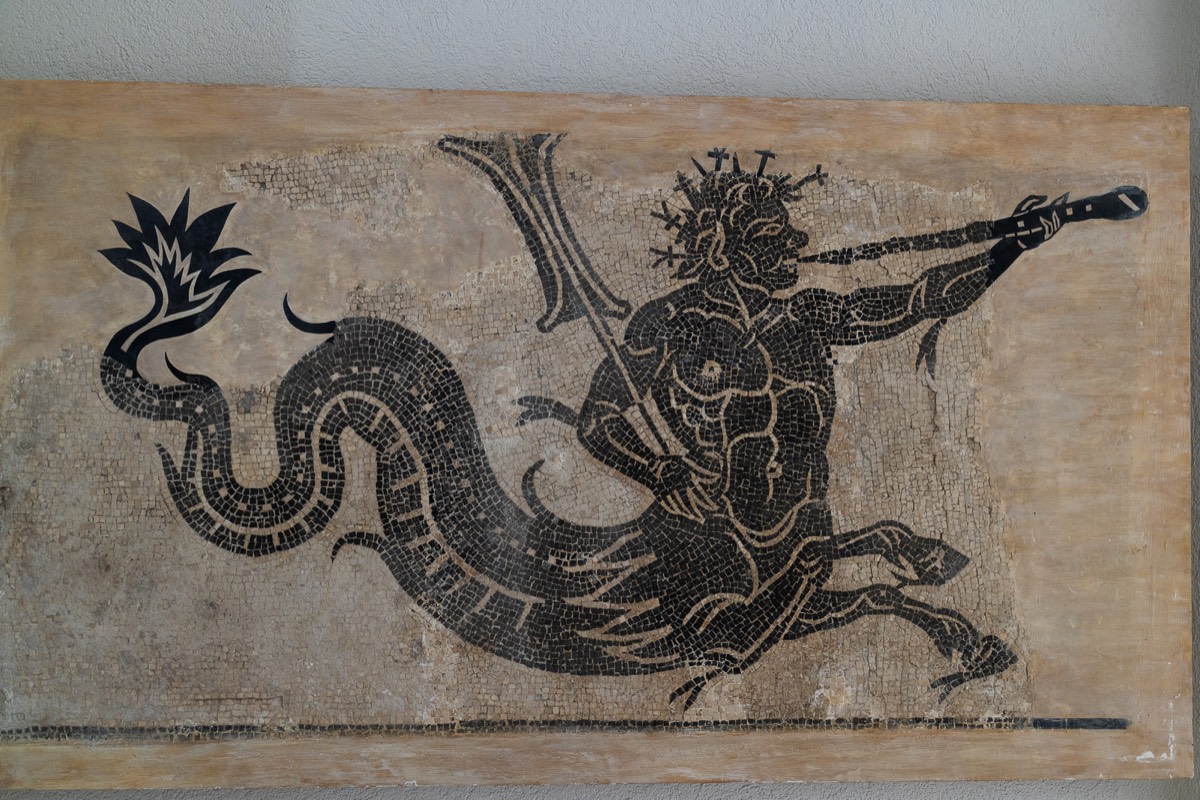
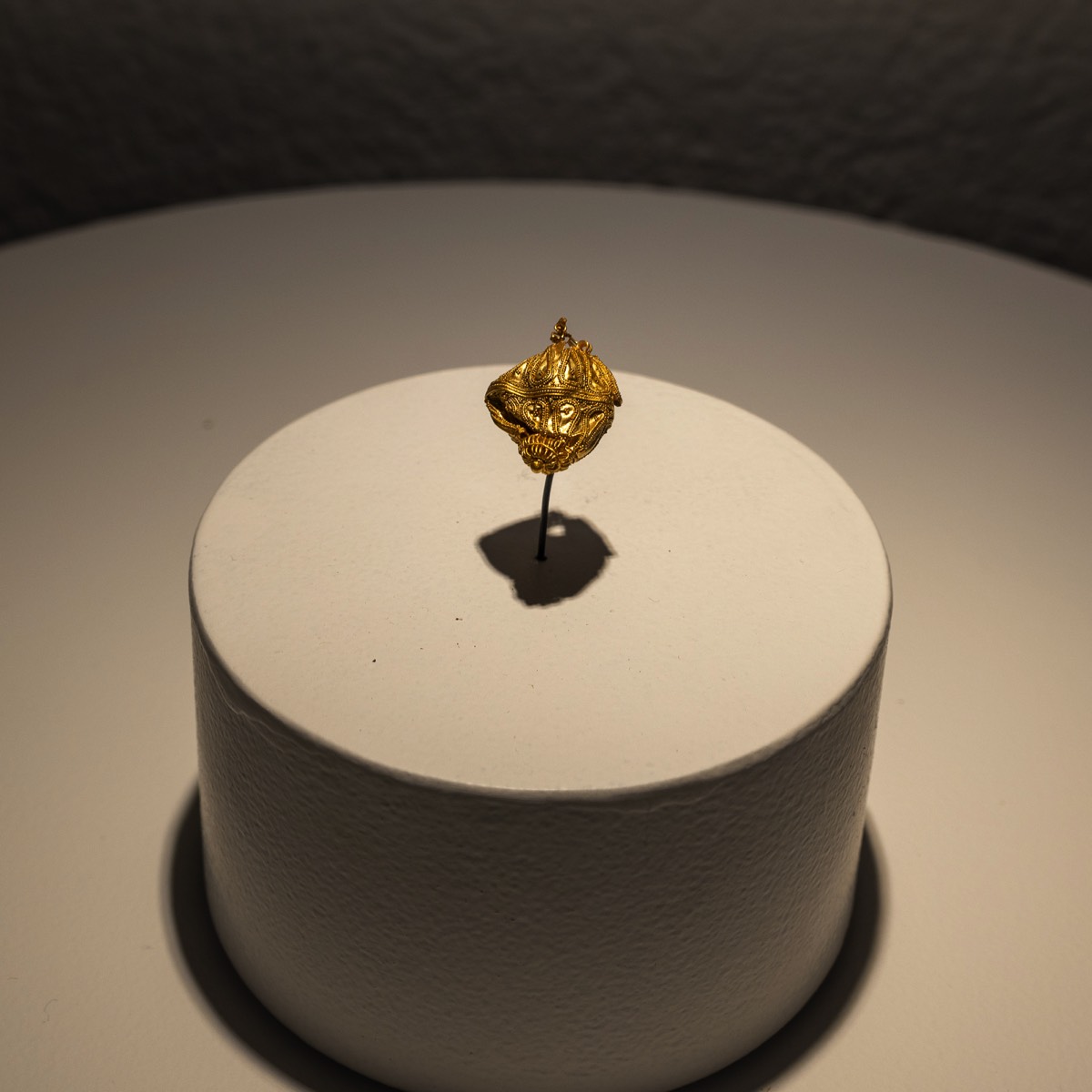
Cadiz is considered to be the oldest continually inhabited settlements in Europe. Firstly it was inhabited by the Phoenicians in about 1100 BC, and then was a major city in the Roman empire as one discovered in visiting the Museum of Cadiz. The museum houses two extraordinary Phoenician marble sarcophagi, huge Roman statues, elaborate mosaics, and exquisite pieces of golden jewellery.
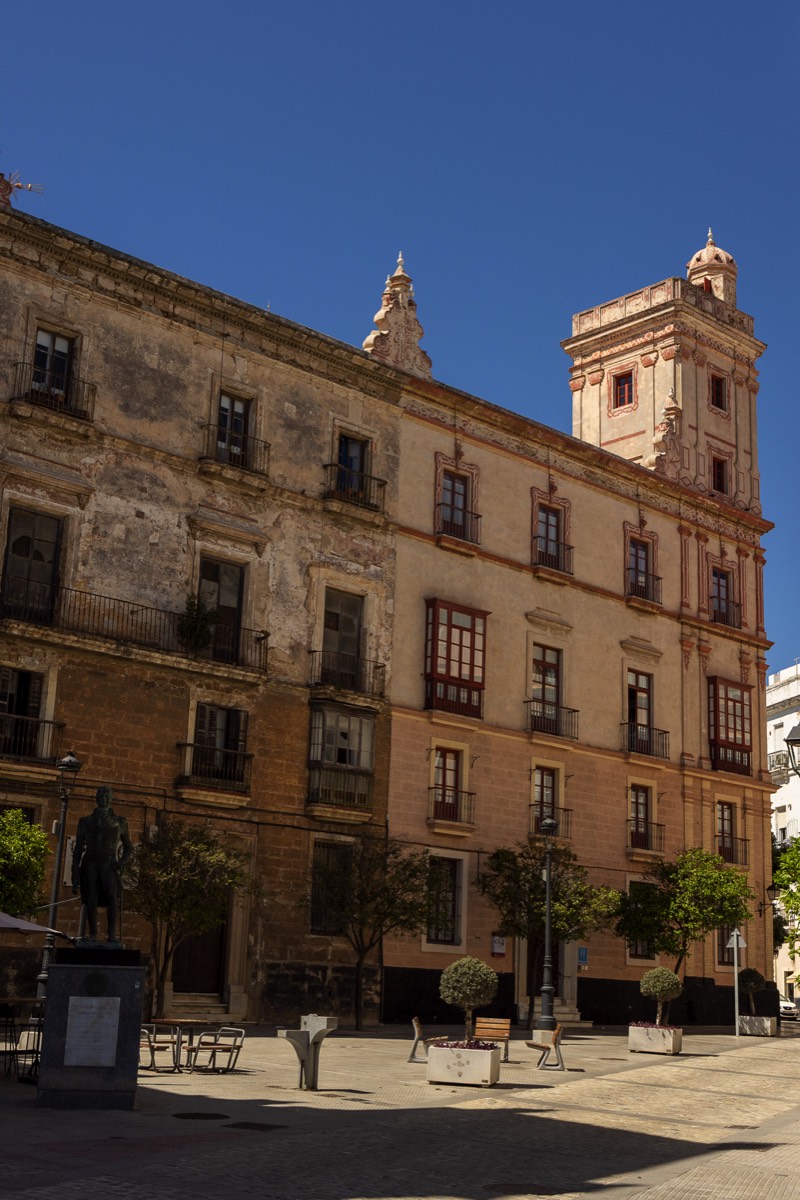
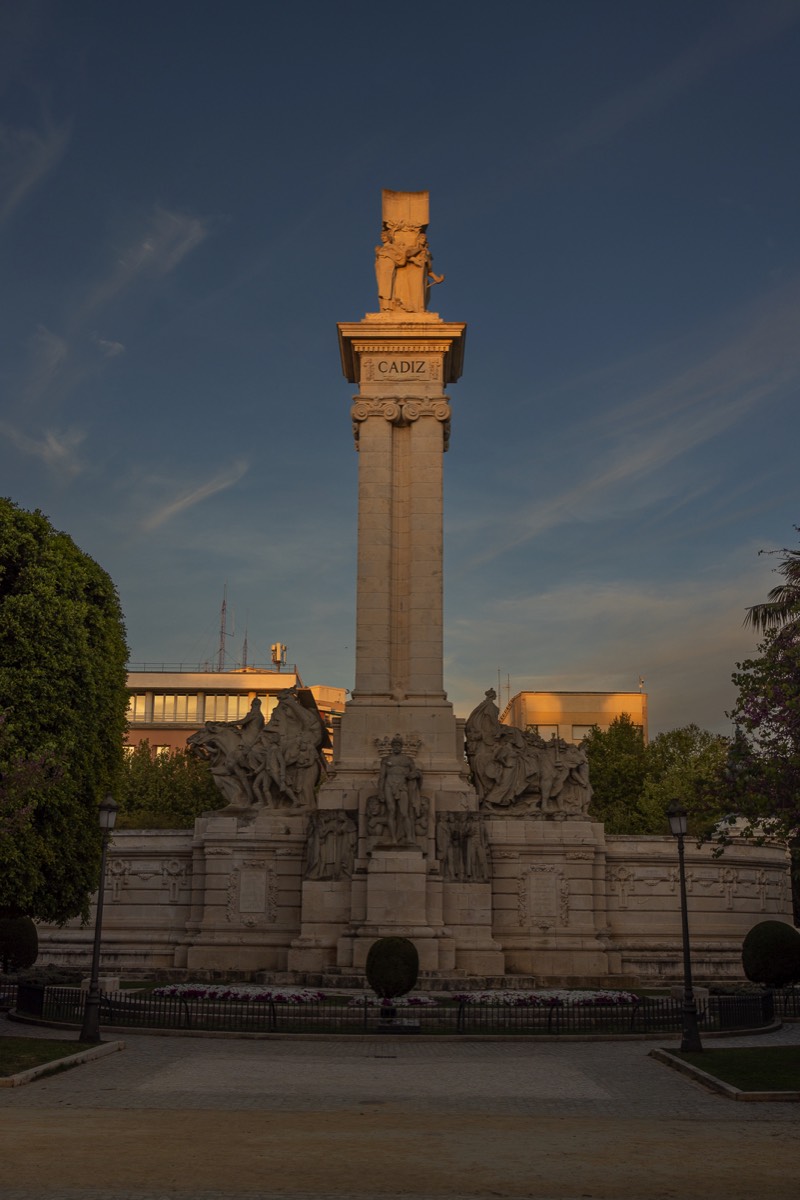
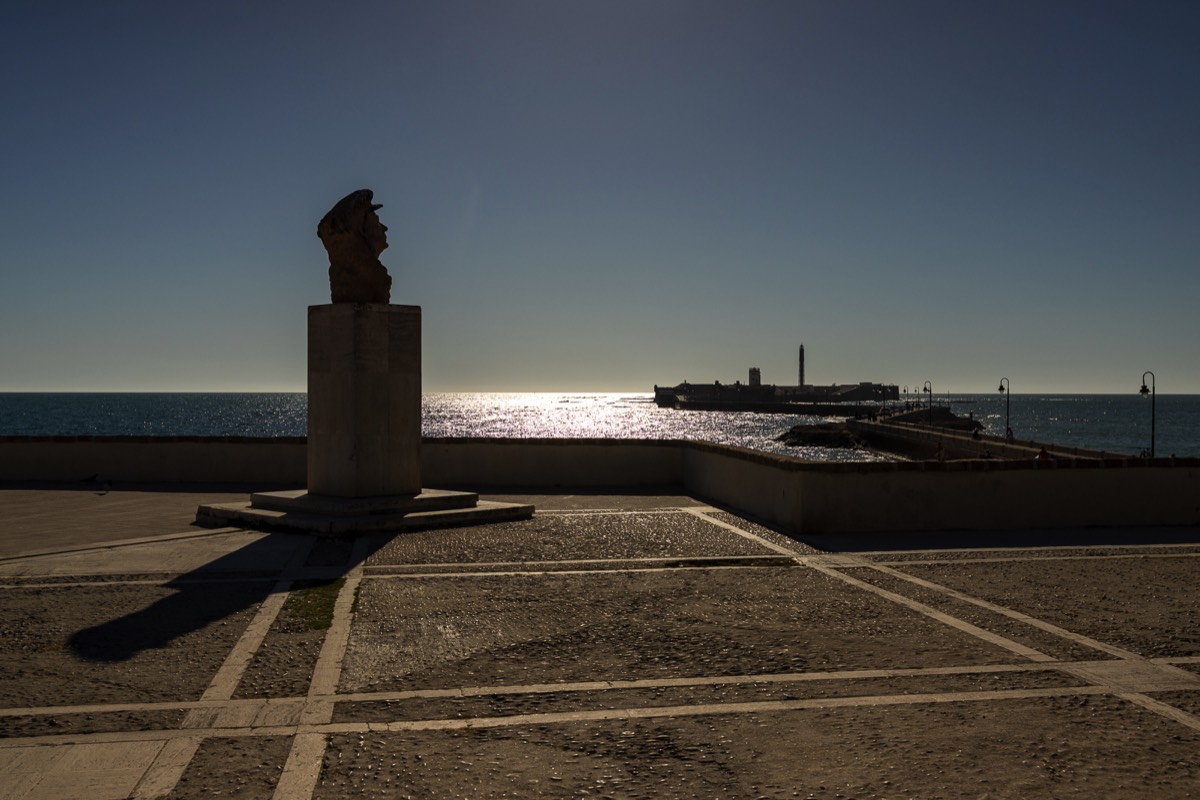
We stayed in an old merchants house (Casa de las Cuatro Torres), with access to a turret giving superb views over the city. Cadiz seems to celebrate its history more than other cities in Andalucia in that it provides tourist maps with suggested walking routes to cover all aspects of its history. In fact the old city area is relatively small and one is never far from the sea to help get one's bearings. For modern history there is the memorial (right below) in a nearby park. Spain's first liberal constitution was signed here in 1812.
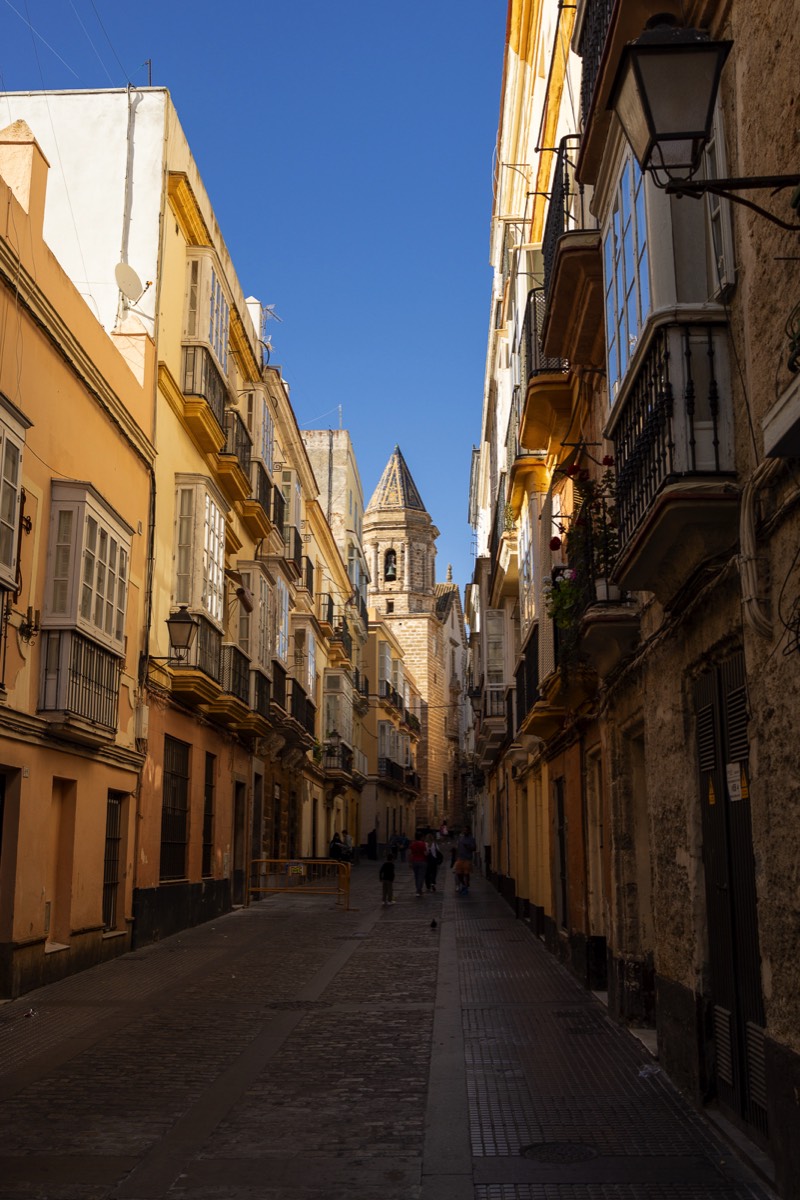
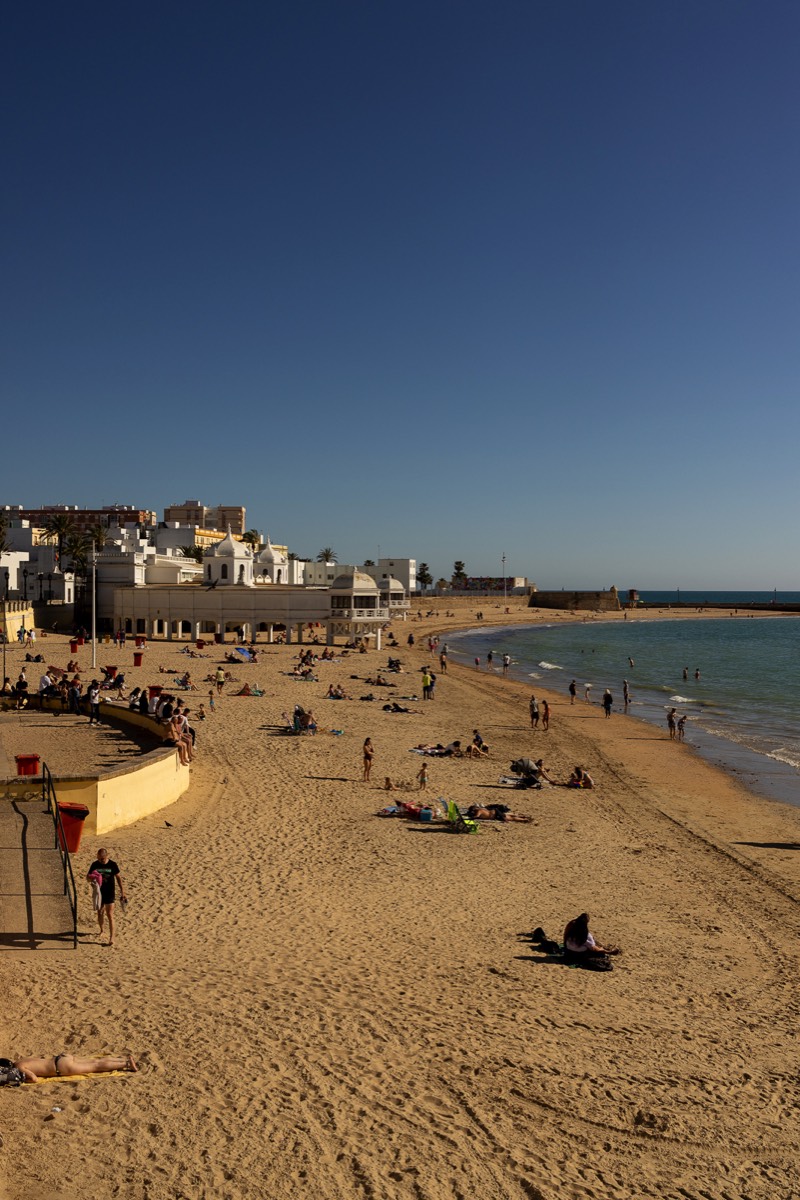
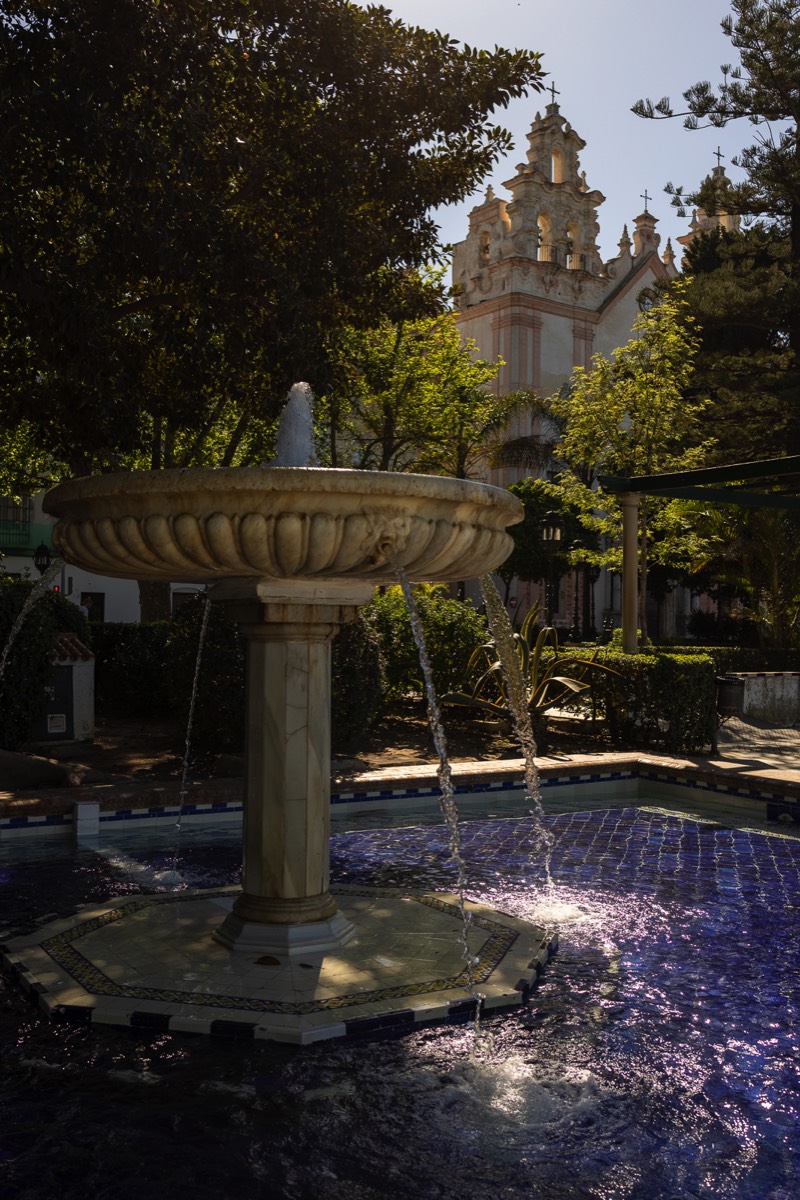
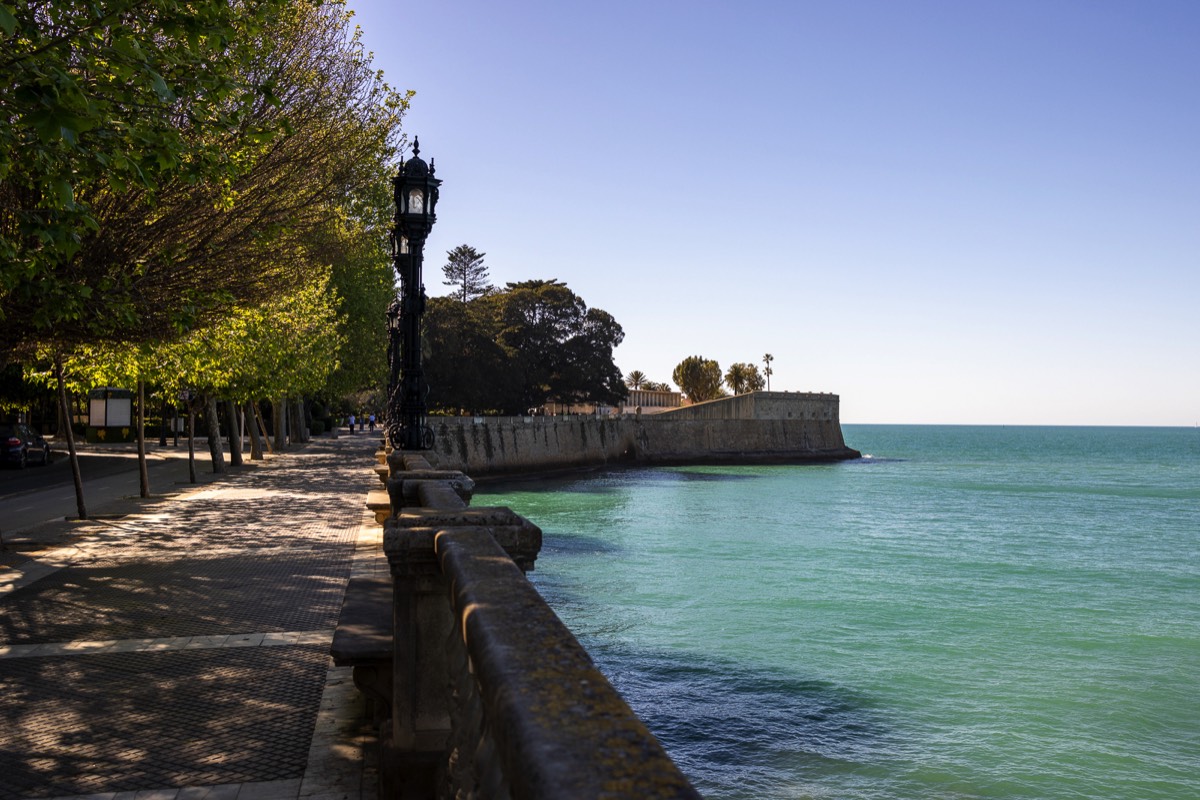
The medieval streets are narrow and cavernous, lined with shops, cafes, and bars. And around every corner is a park or a beach! It was a delightful city for relaxation, providing a bit of everything.
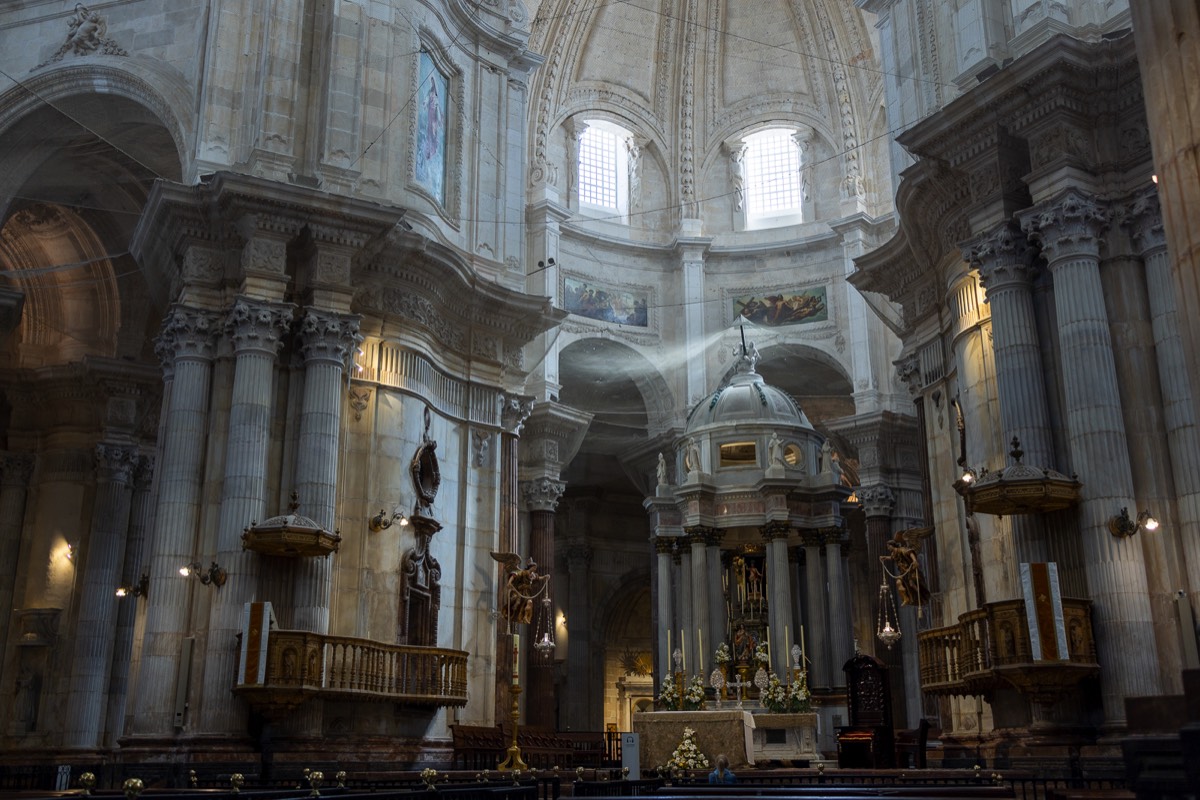
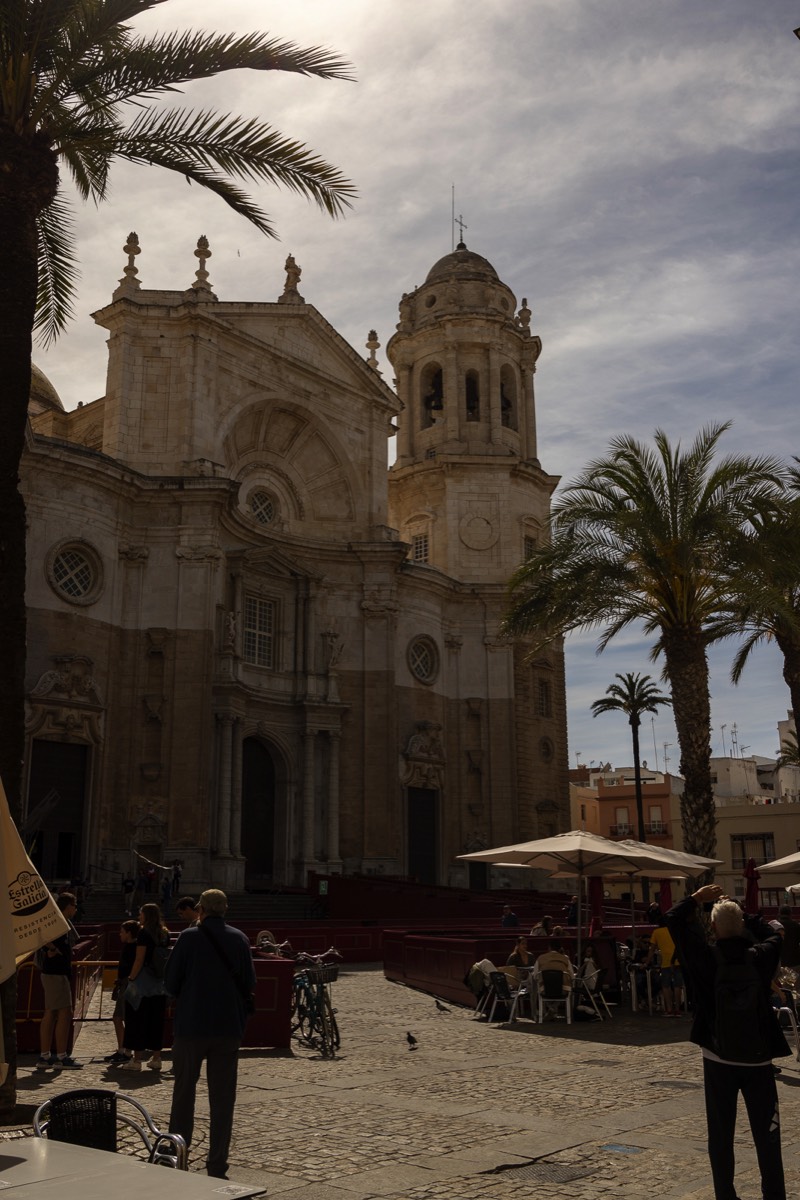
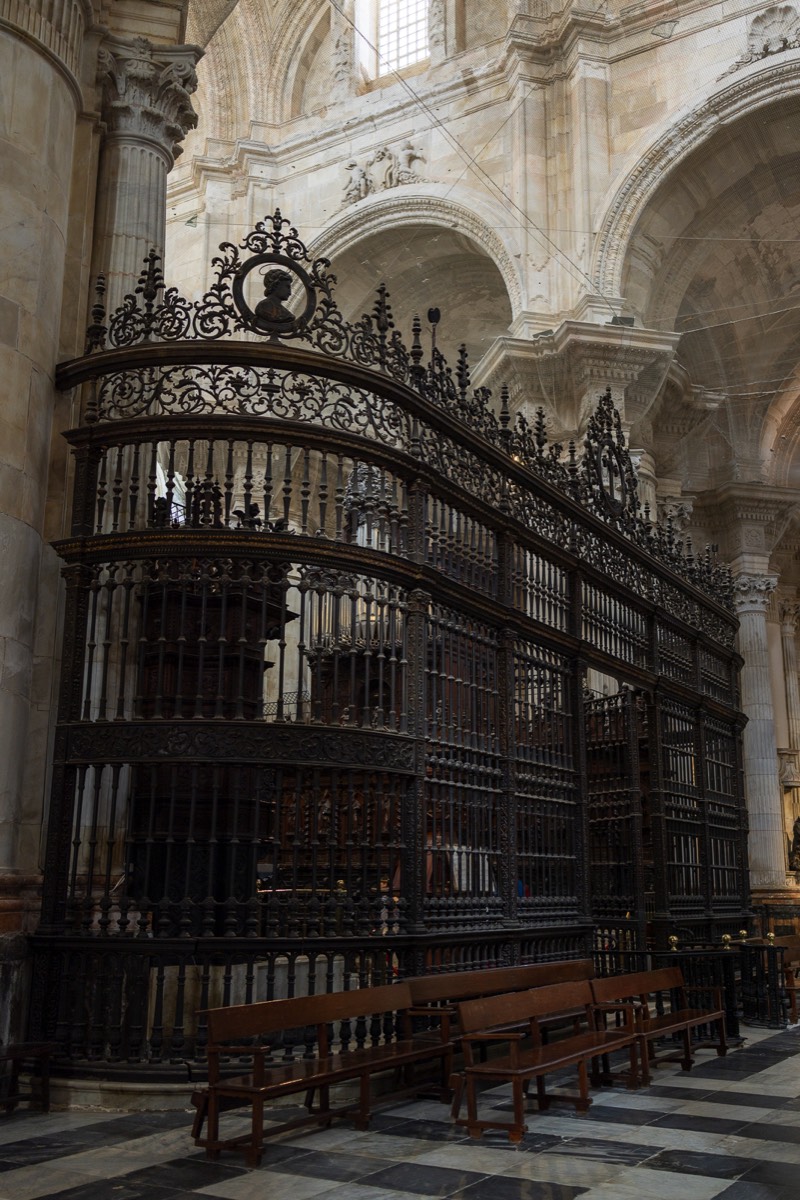
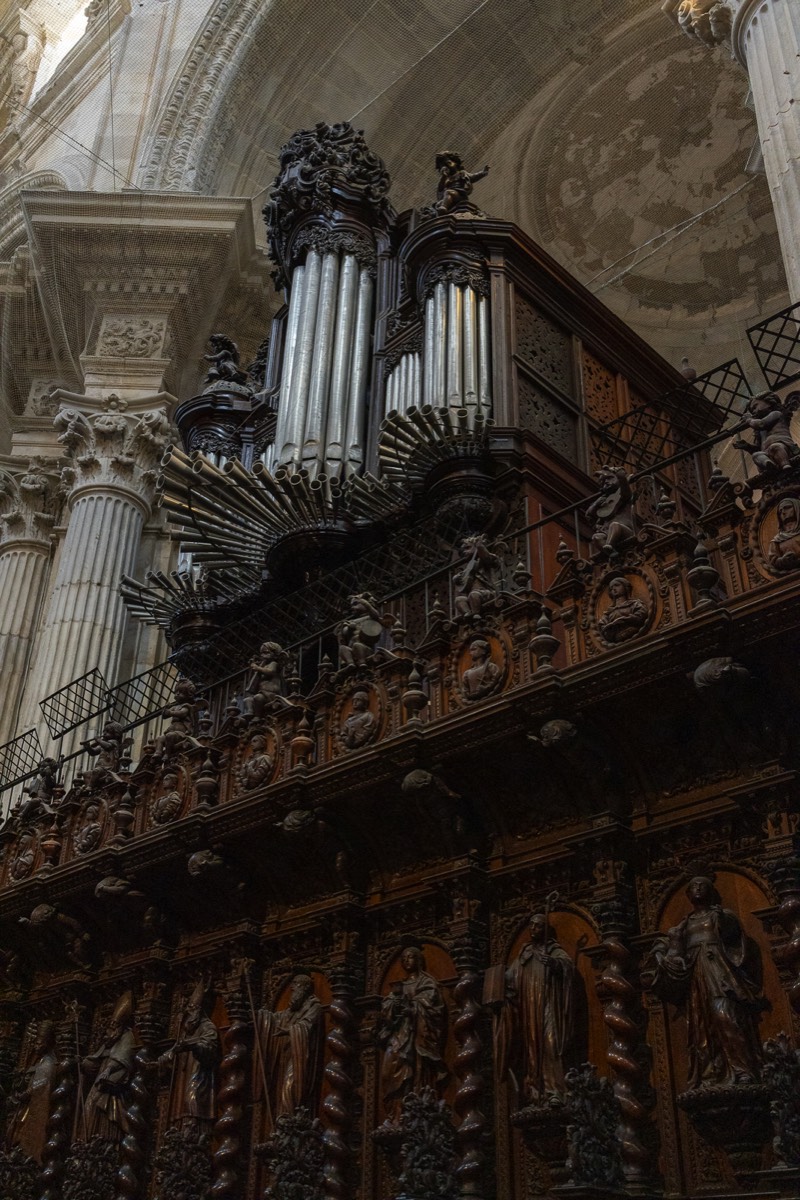
Cadiz cathedral was built in the 18th and 19th centuries, and seems rather plain compared to other cathedrals in Andalucia. However, it has beautifully carved and ornate ceilings and the most glorious wood carvings in the choir area with three massive organs perched up high above. Below in the crypt is the tomb of the composer Manuel de Falla.
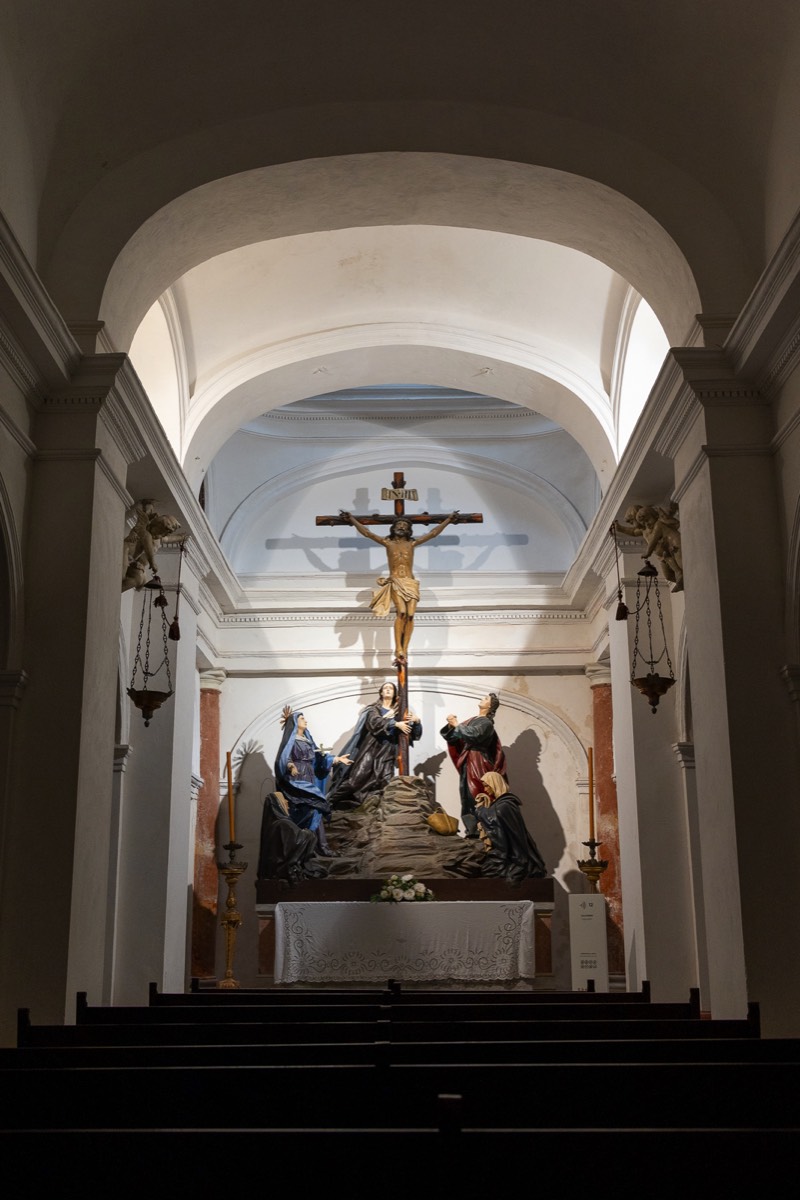
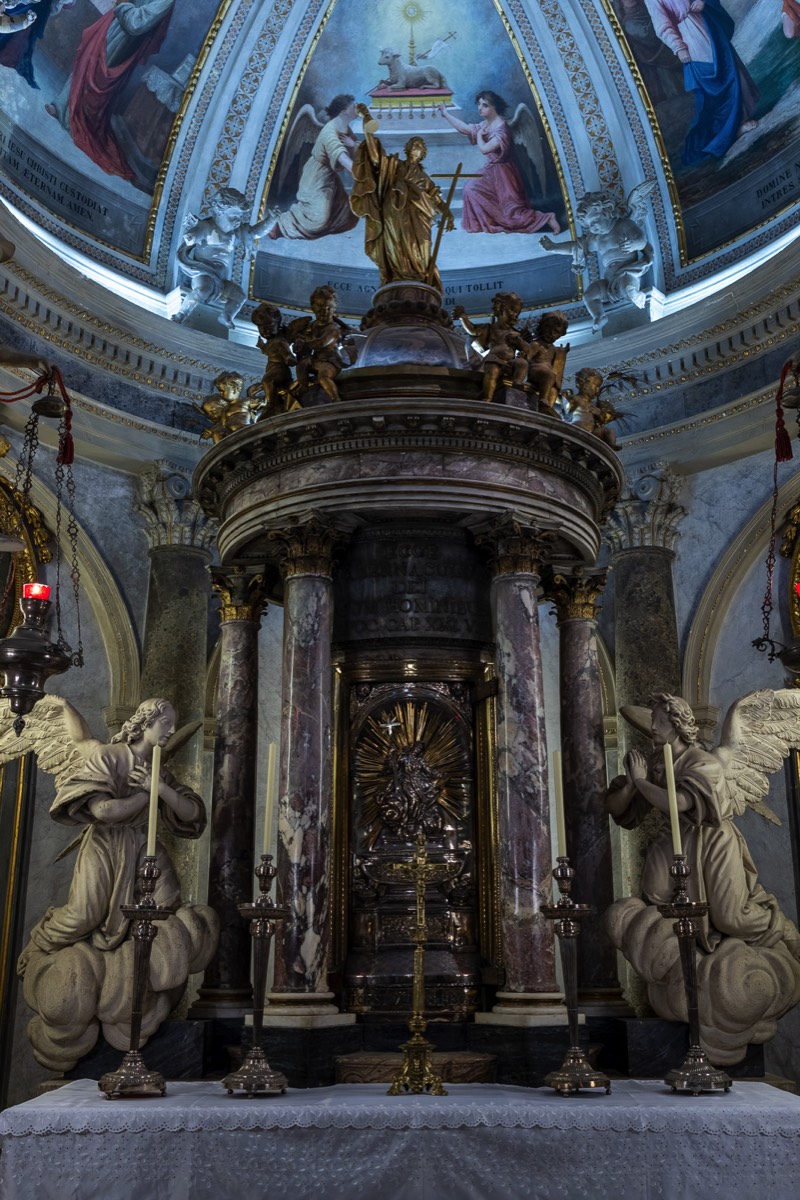
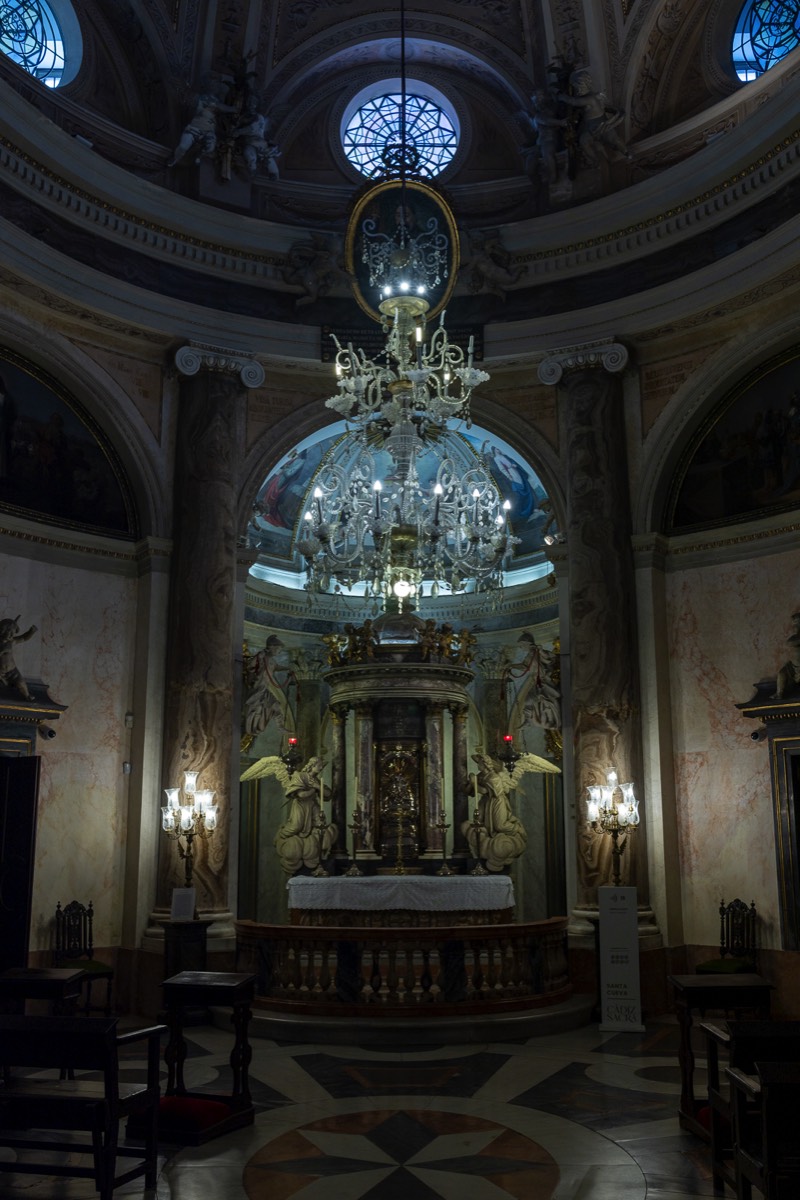
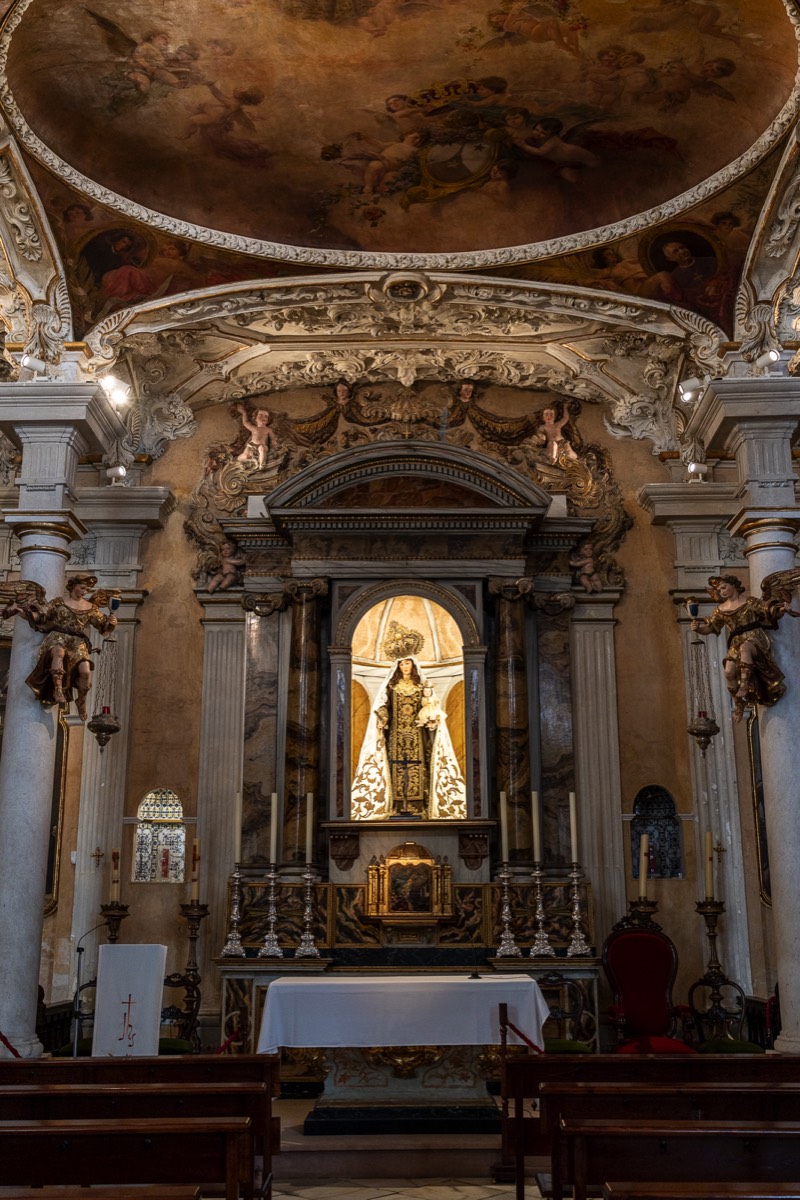
The outside of the Oratorio de la Santa Cueva did not indicate the extravagance inside, and we probably would not have gone inside if it had not been for a multiple-entrance ticket we had for the cathedral which allowed access to other churches. More surprisingly was a bare pillared subterranean space known as the Capilla de la Pasion with a simple crucifixion scene.
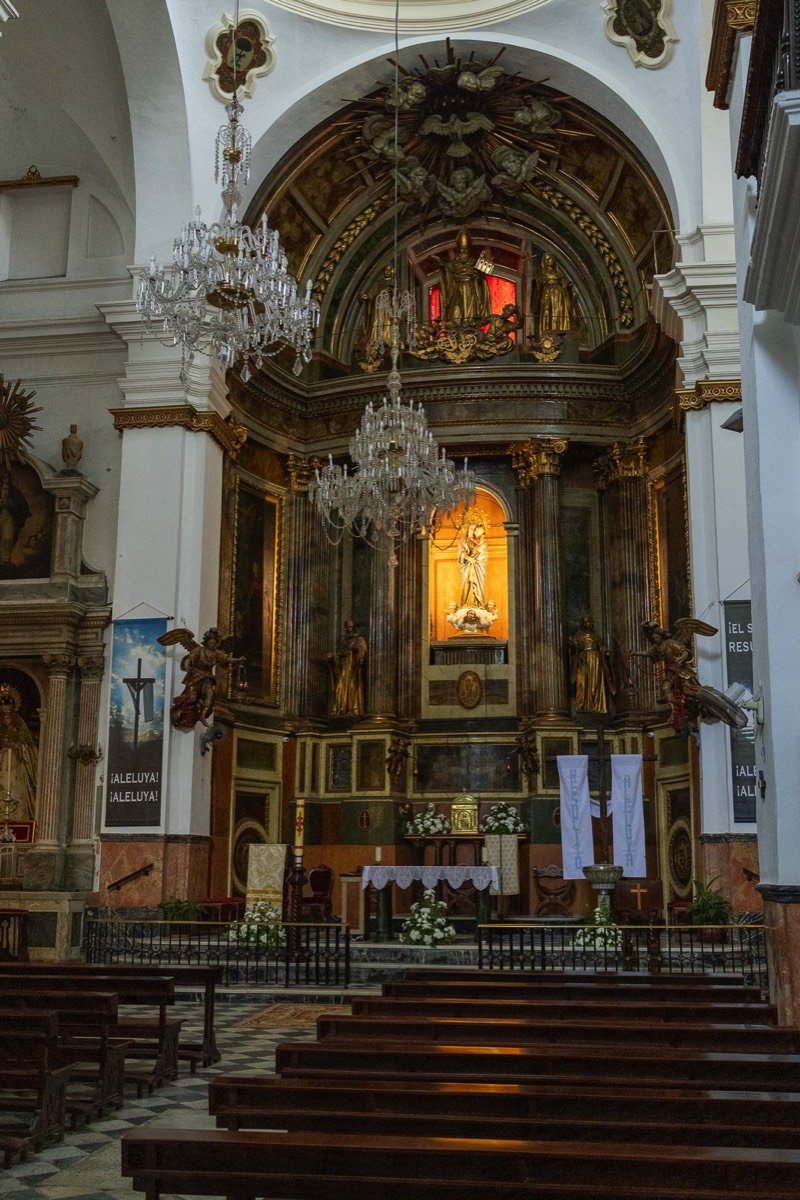
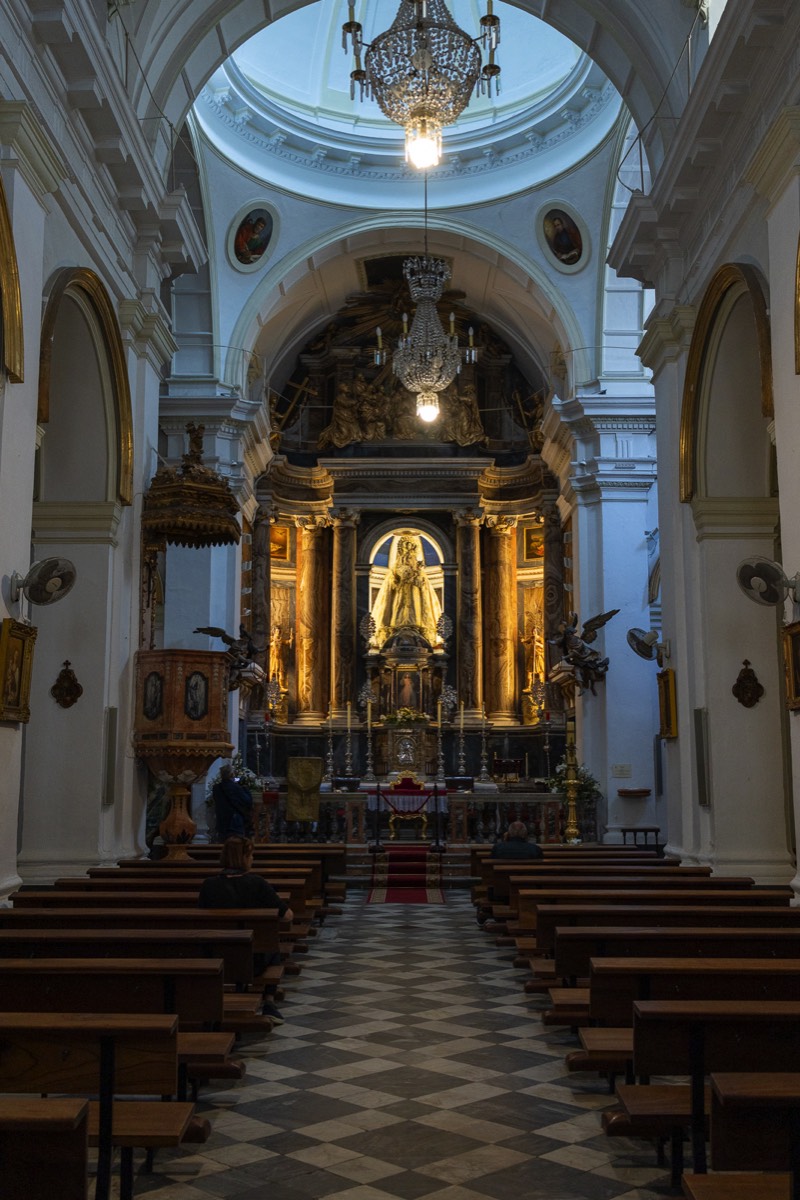
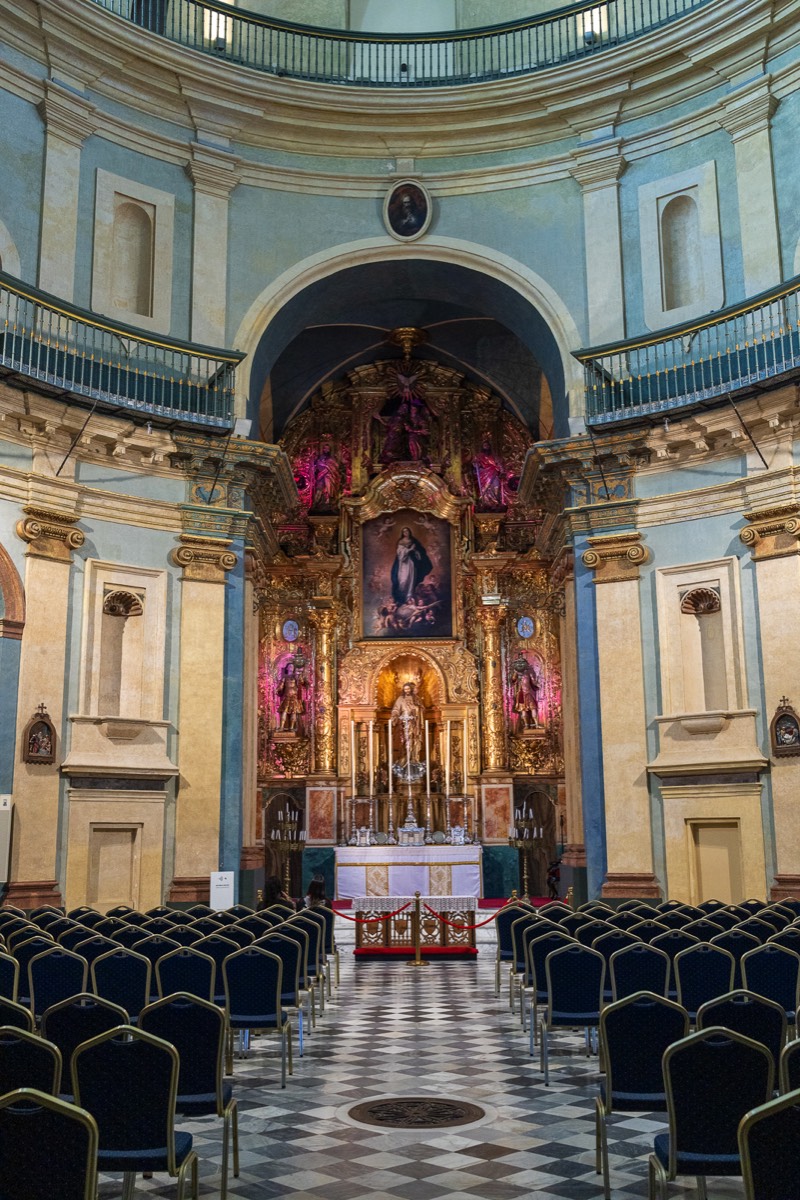
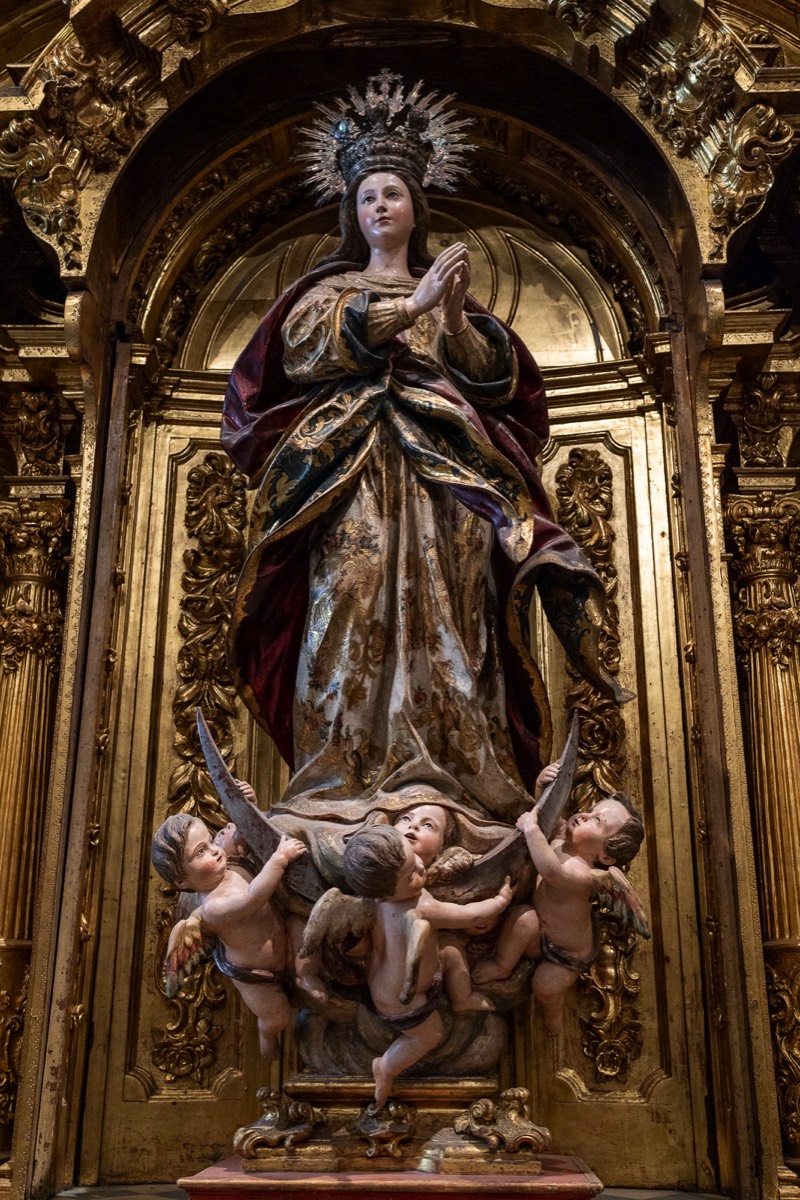
The oval-shaped Iglesia del Oratorio de San Felipe Neri was yet another surprise. This baroque-style church was built between 1685 and 1719, ruined by the Lisbon earthquake of 1755, and rebuilt soon after. The image of the Immaculate Conception above the altar is by Murillo and is considered to be one of his masterpieces. Curiously, this church was the location of the birth of the Spanish Constitution in 1812. Statesmen needed somewhere to discuss the future of the country and the oval shape of this building lent itself to a discussion/debating space. Curtains were hung in front of the ornate chapels to give a more secular aura to the space.
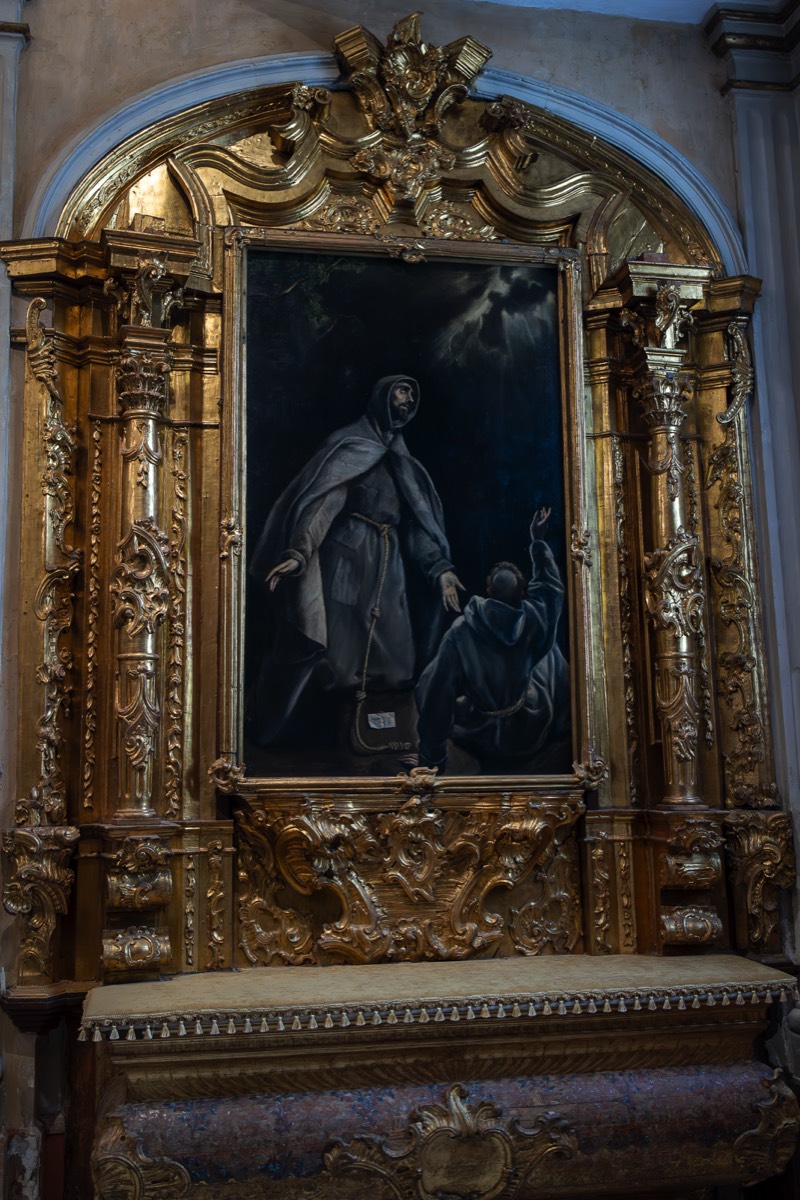
The final historical building we visited was the Hospital de Mujeres which had been the first women's hospital in Cadiz. The chapel was again ornately decorated with works of art covering every wall. The highlight was the painting called "St Francis's Vision of the Flaming Torch" by the 16th century artist El Greco. The style of this painting showed why El Greco is so highly appreciated in the history of art.