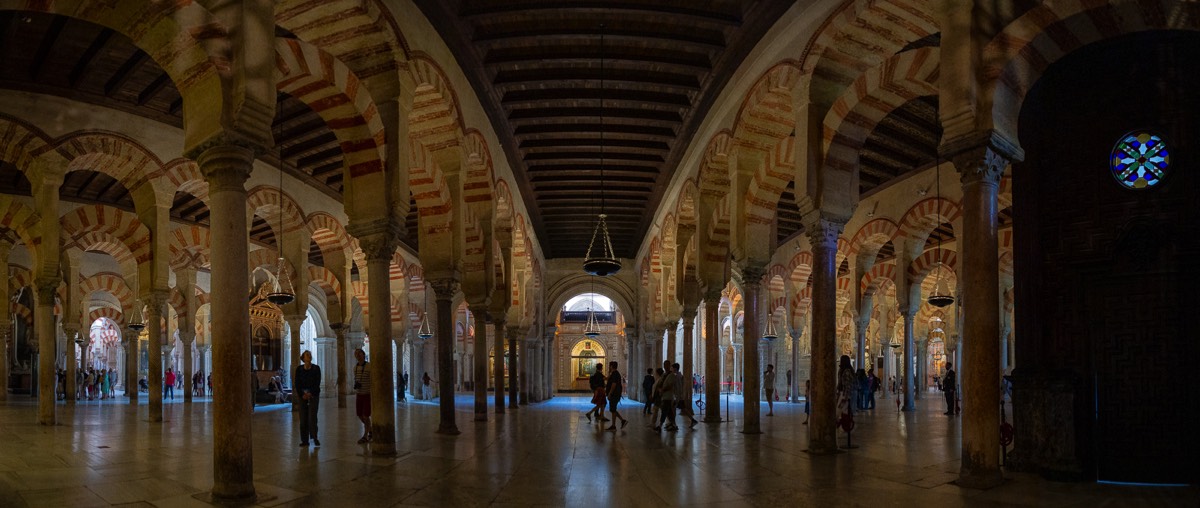
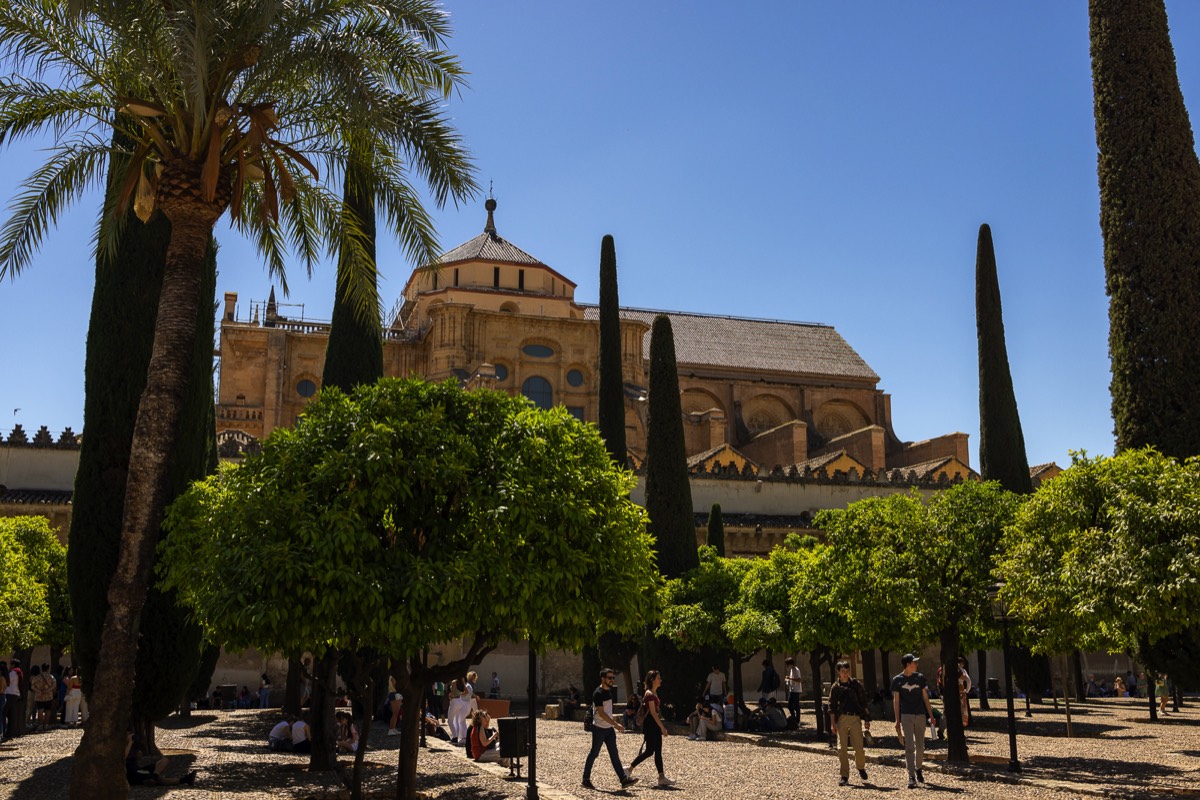
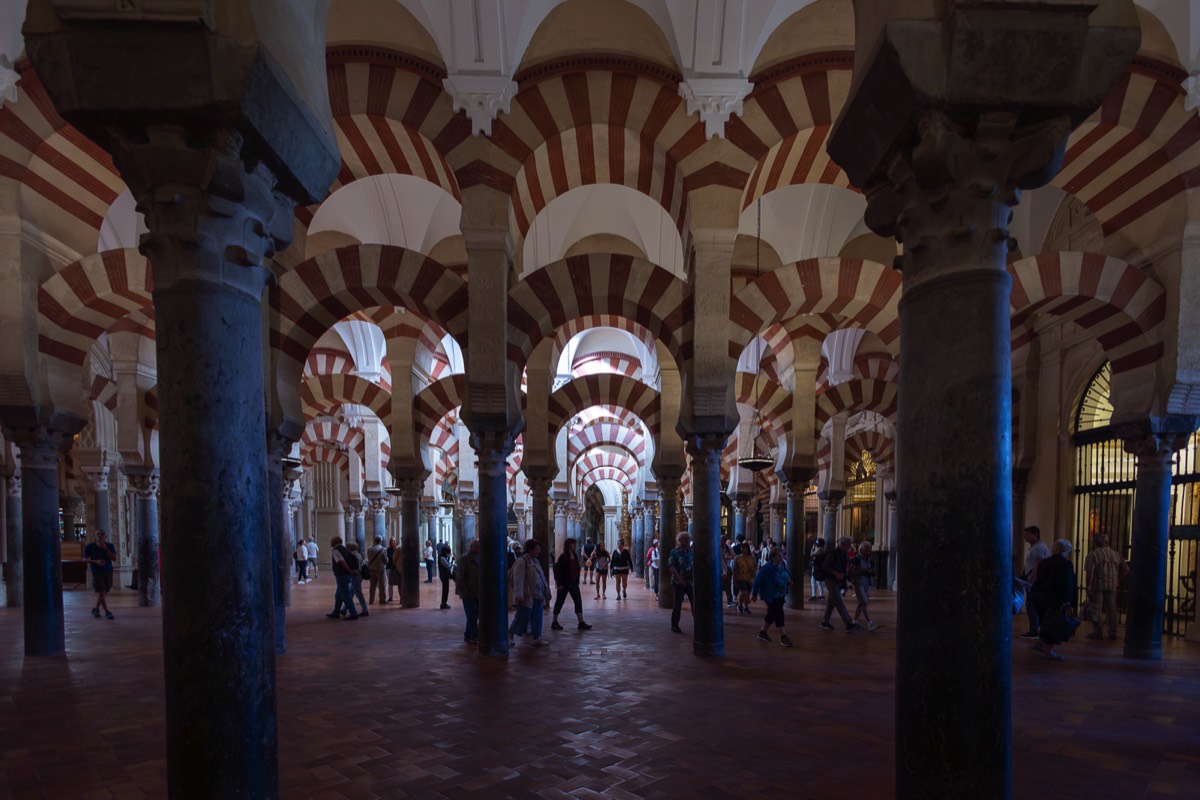
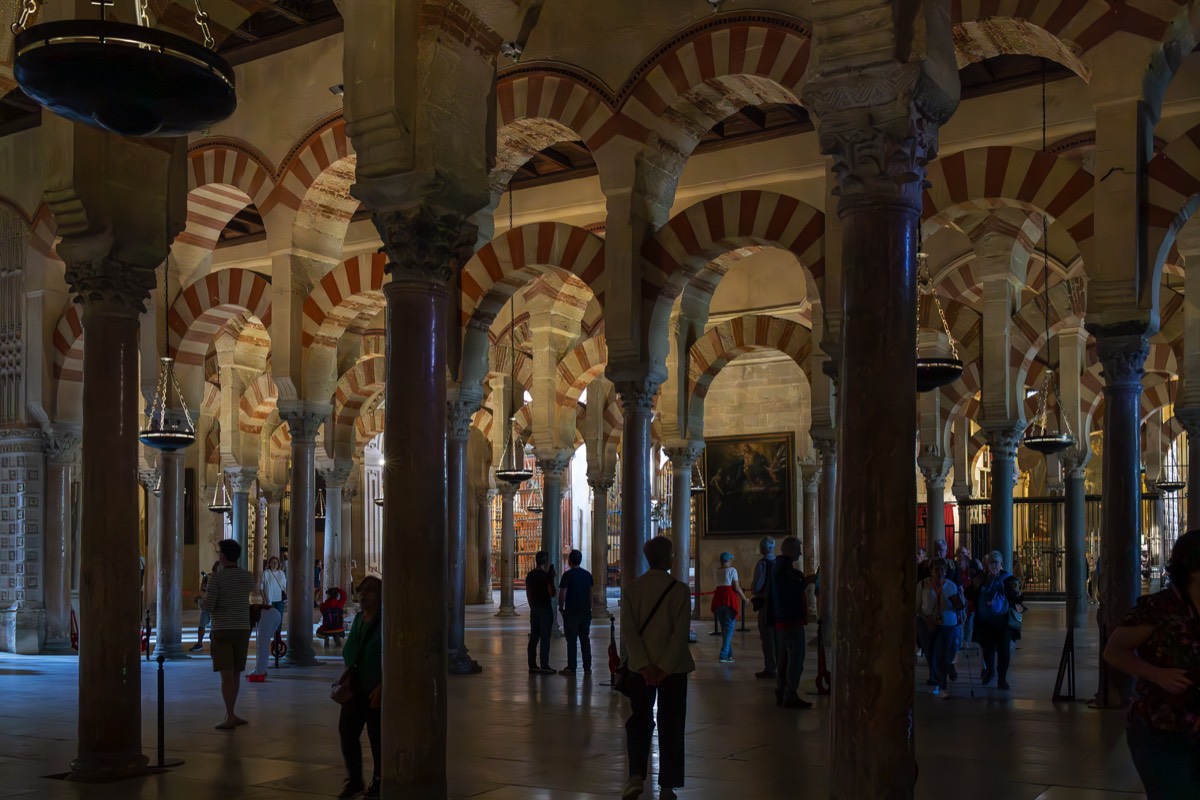
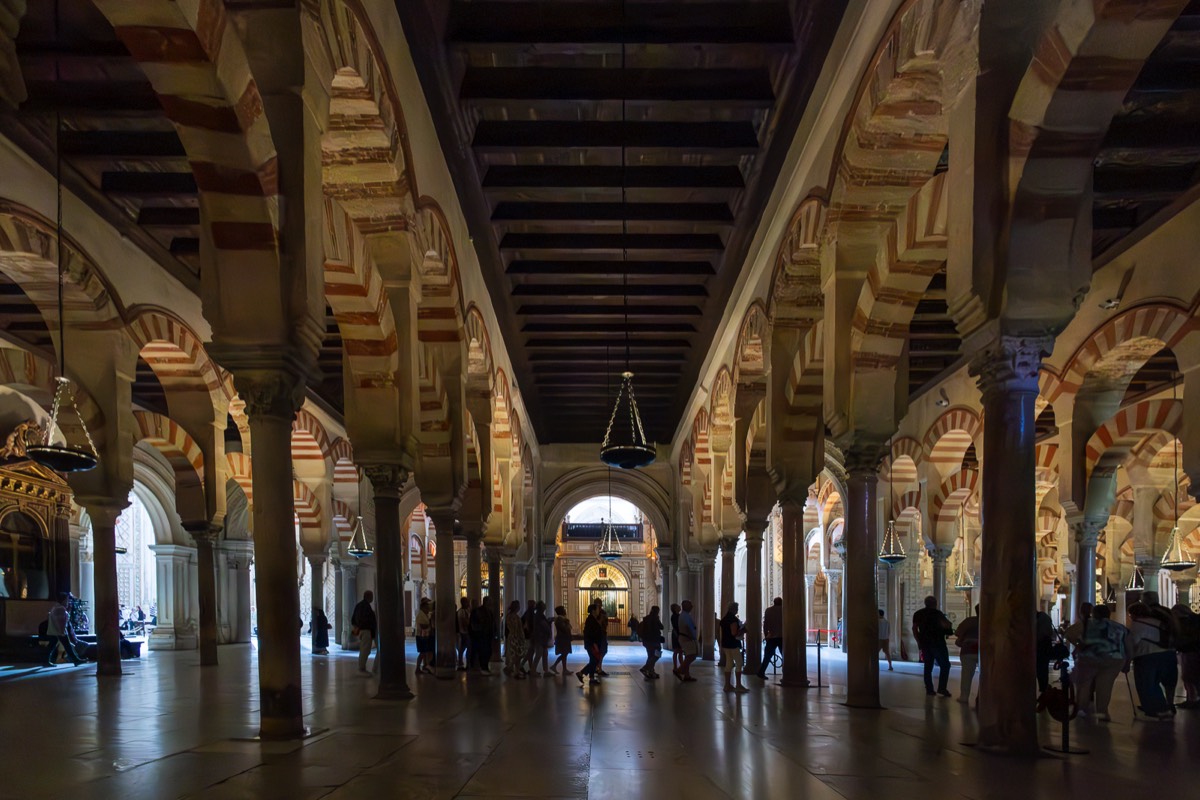
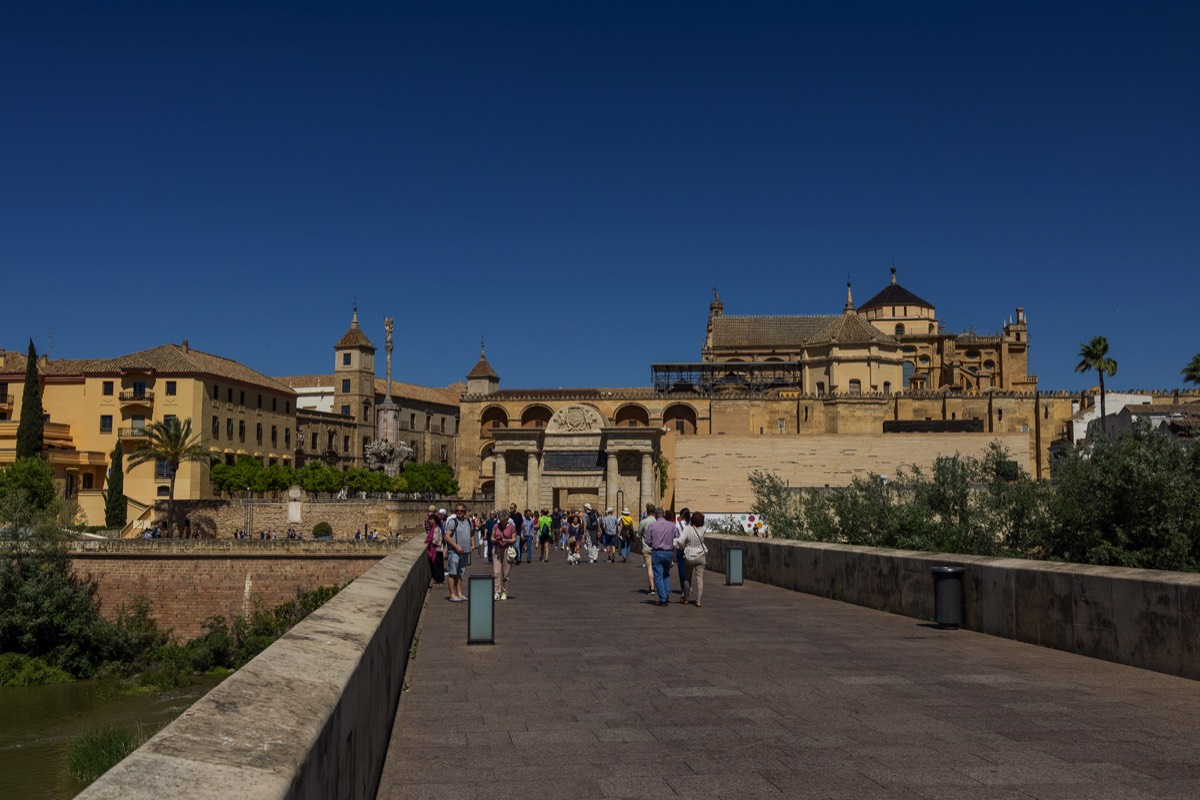
The most recognisable and must-see building in Cordoba is the Mesquita, or Grand Mosque. This multi-arched building is considered one of the world's greatest Islamic buildings. In 756 AD, Abd ar-Rahman I established himself here as emir of Al-Andalus, founding the Umayyad dynasty, and starting the building of this magnificent building.
Little of the outside of the building prepares you for what is inside. But in true Islamic style, it is surrounded by courtyards filled with orange trees and the heady perfume of orange blossom filled the air.
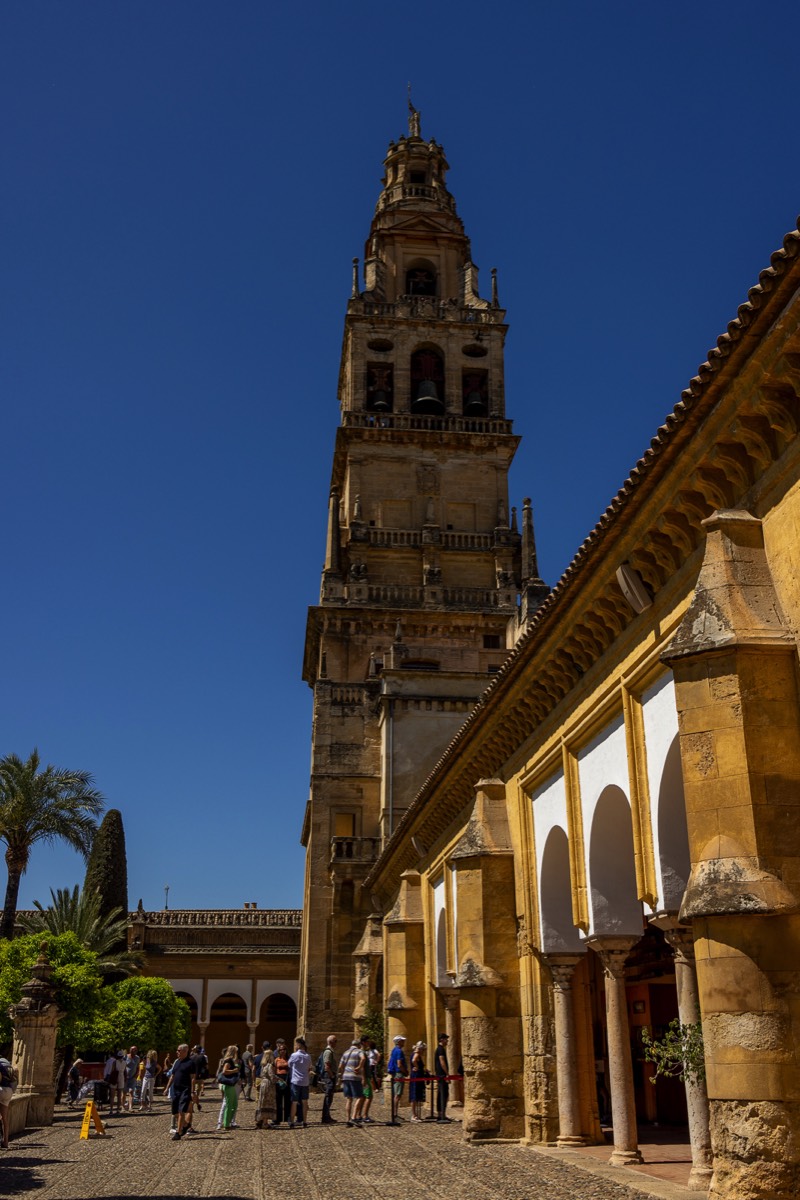
We did not go up the Bell Tower, but just like the one in Seville, the bottom section is the original minaret and the upper part is the Christian addition.
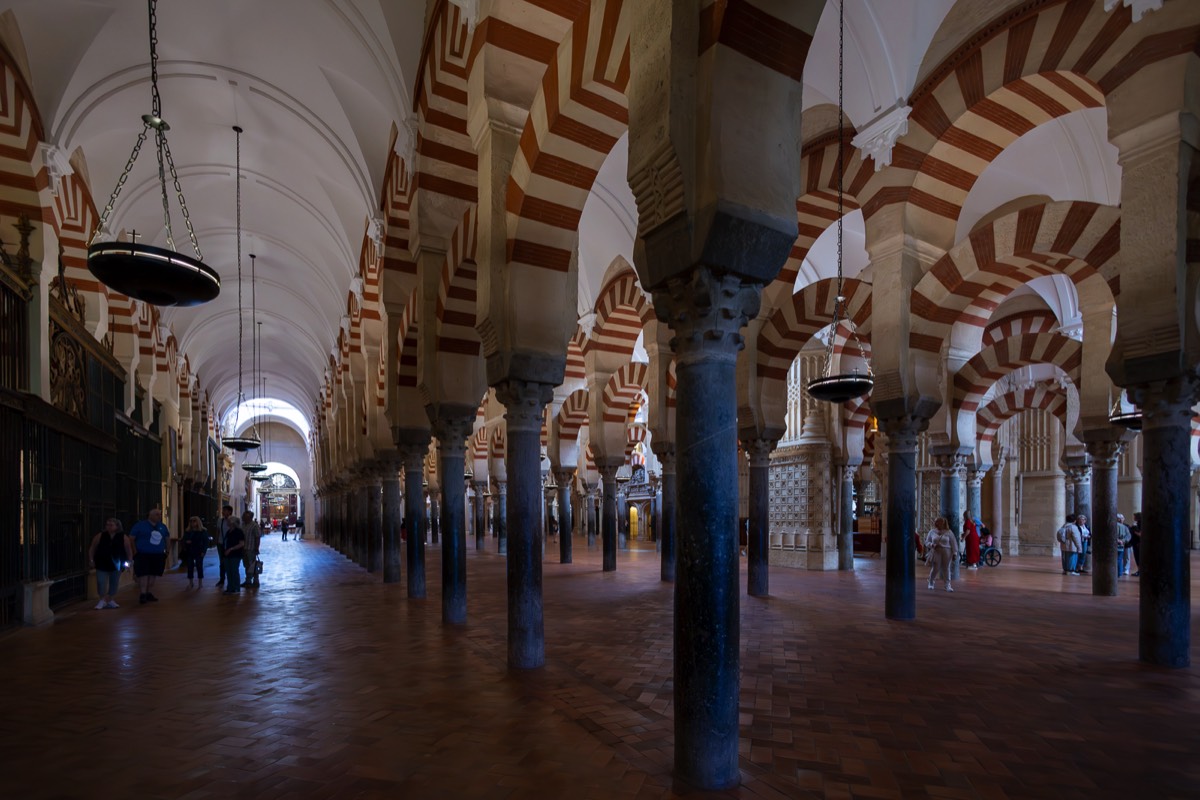
The columns supporting the unique terracotta-and-white striped arches were salvaged from Roman and other ruins.
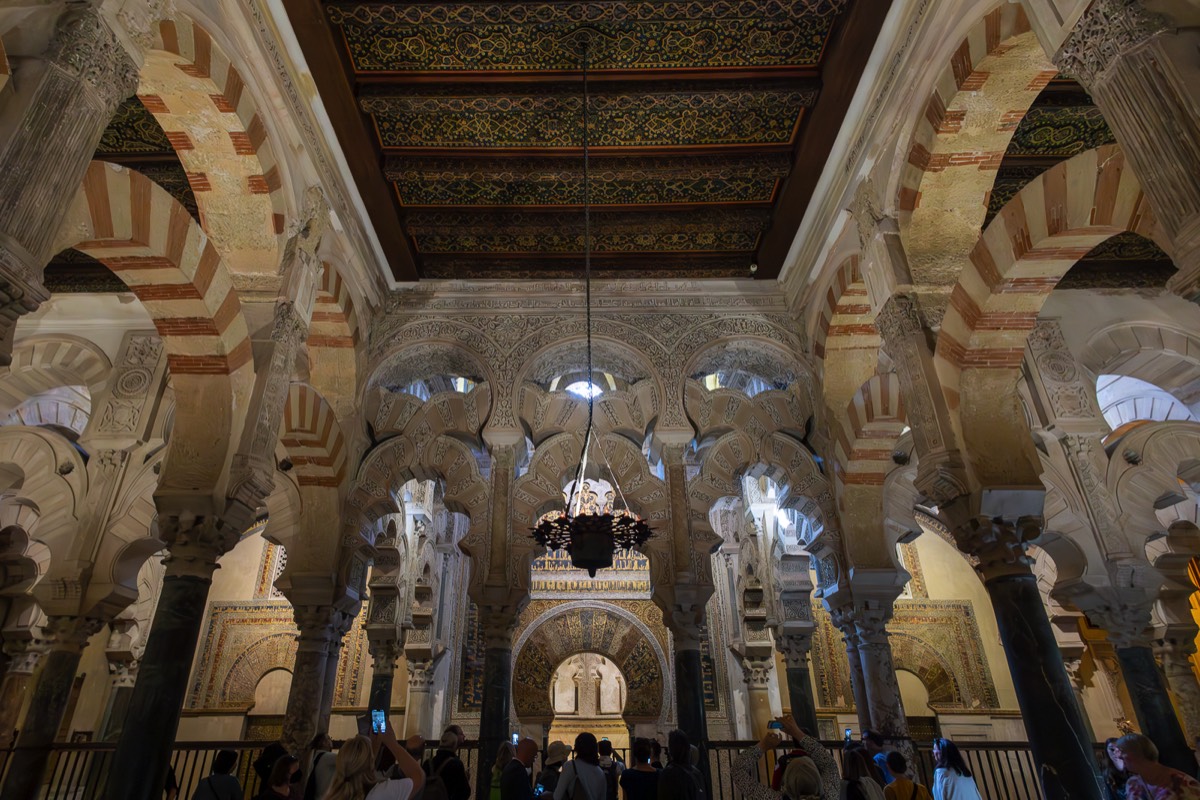
In the southern wall are the mihrab (below left) and maksura (royal prayer enclosure, below centre). The walls are highly decorated in Islamic style and the mihrab is considered the mosque's greatest treasure which was added in the 10th century.
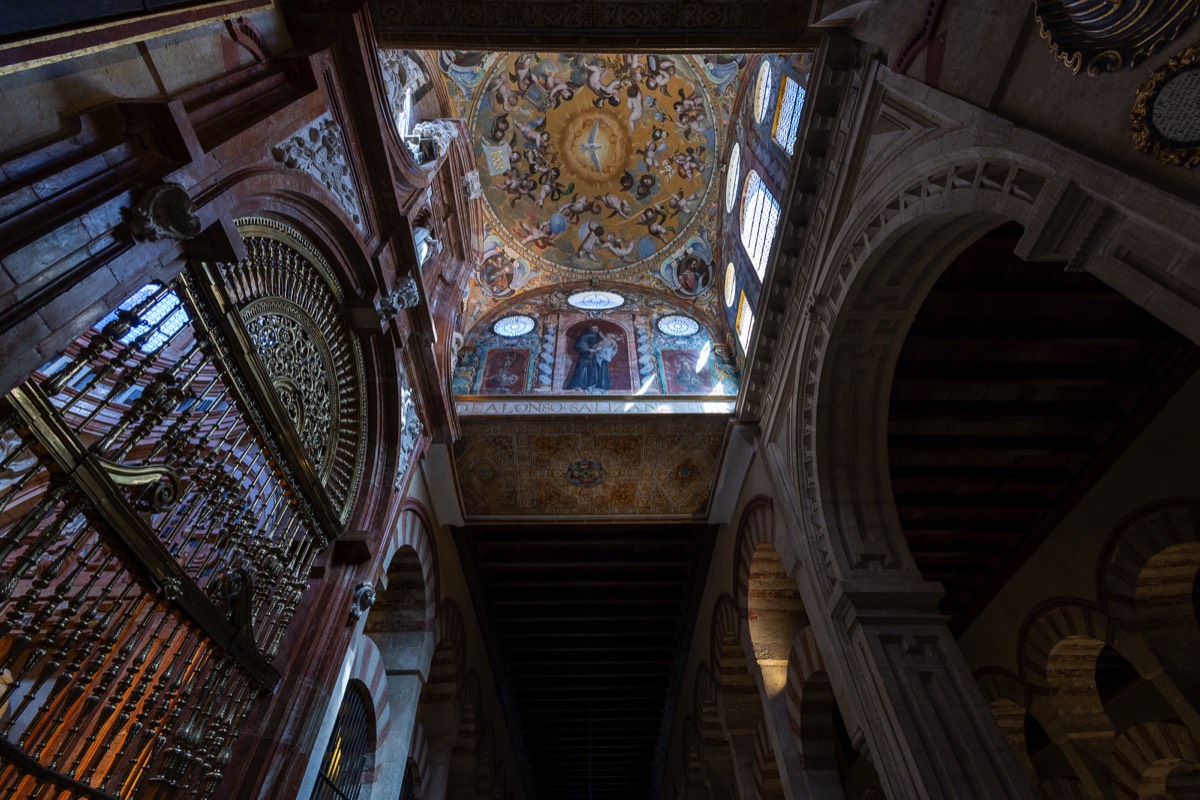
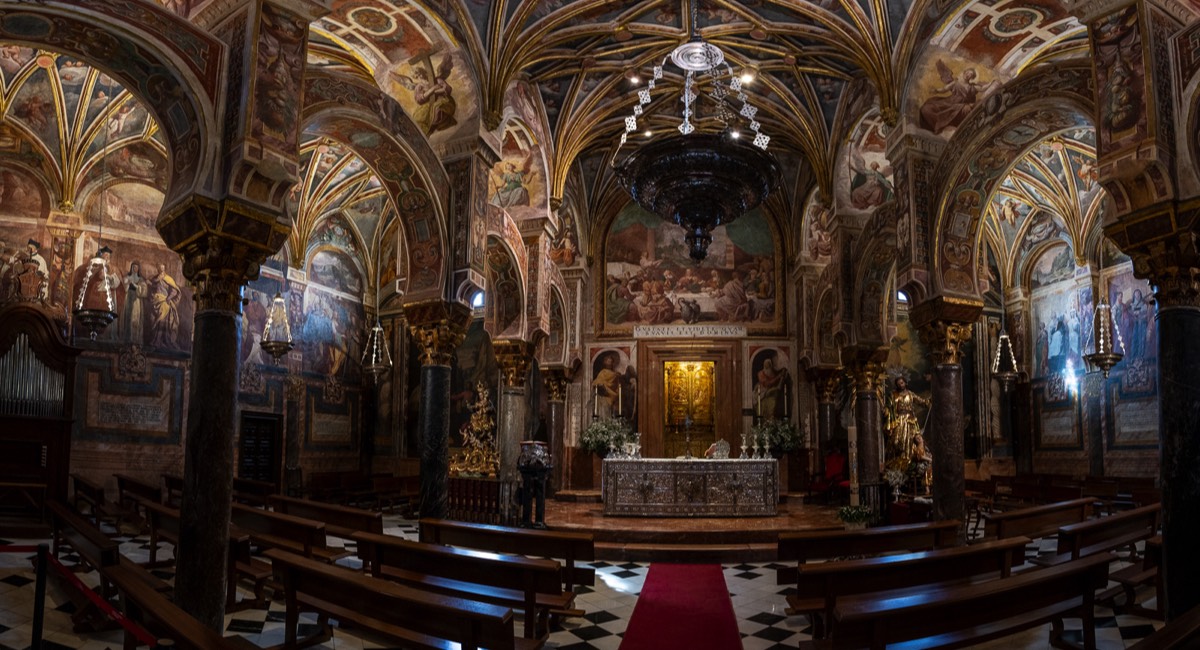
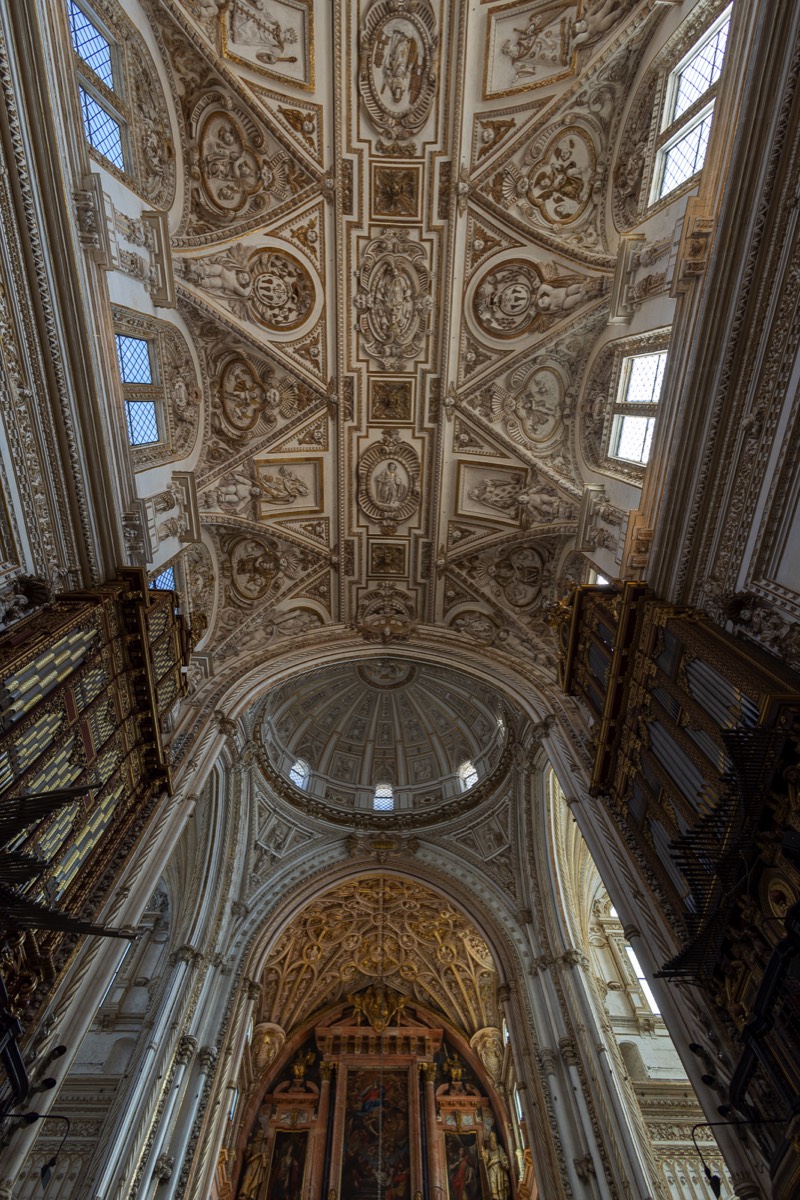
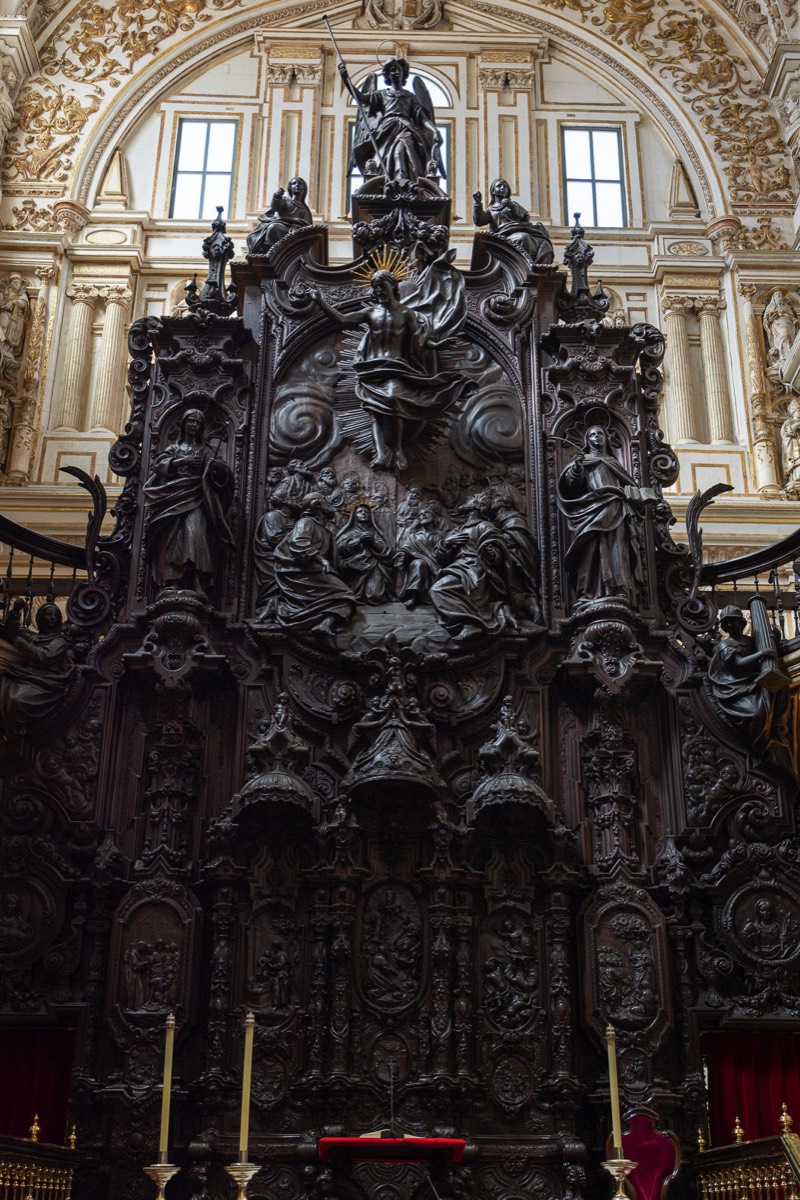
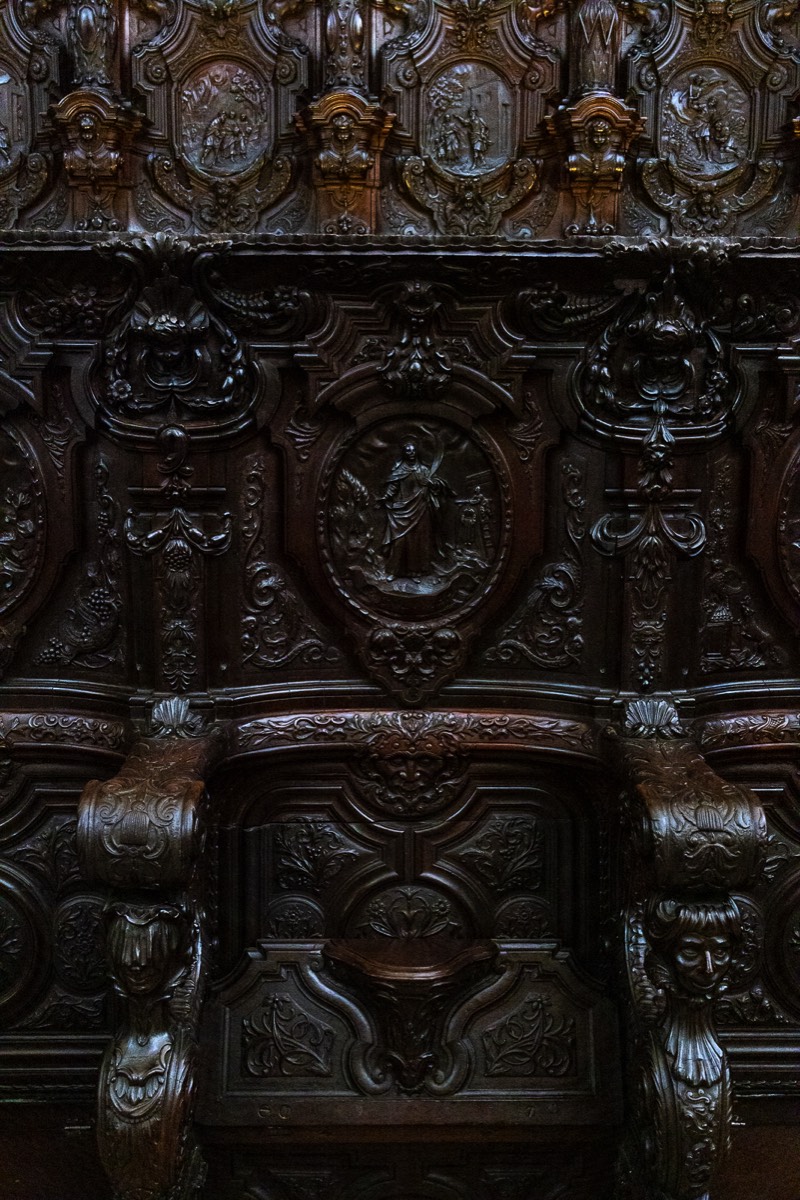
But what makes this mosque even more remarkable is the presence of a Catholic cathedral right in the middle! In 1236 the mosque was converted into a Christian church after Cordoba was recaptured by Fernando III of Castilla. Fortunately he chose not to destroy the mosque and in 1523 a Gothic/Renaissance-style cathedral was built inside it. The church is lavish with beautiful carved mahogany choir stalls and a baroque ceiling.
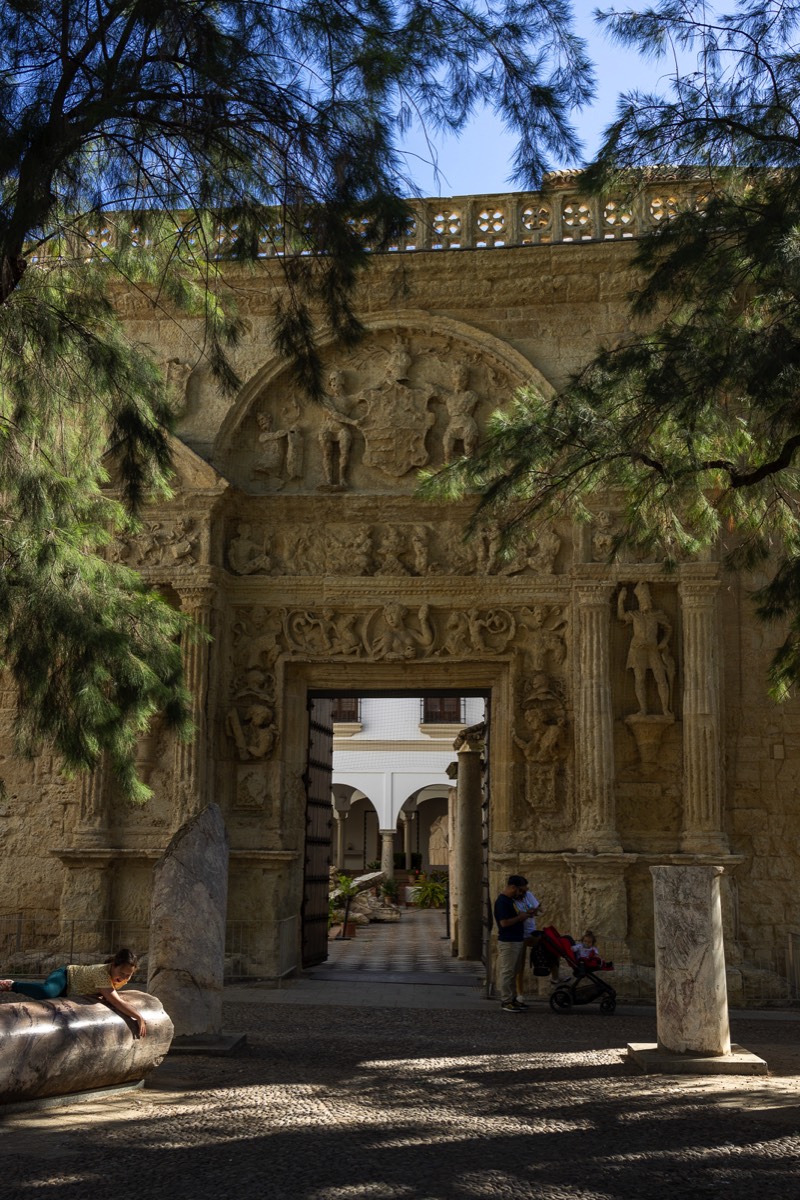
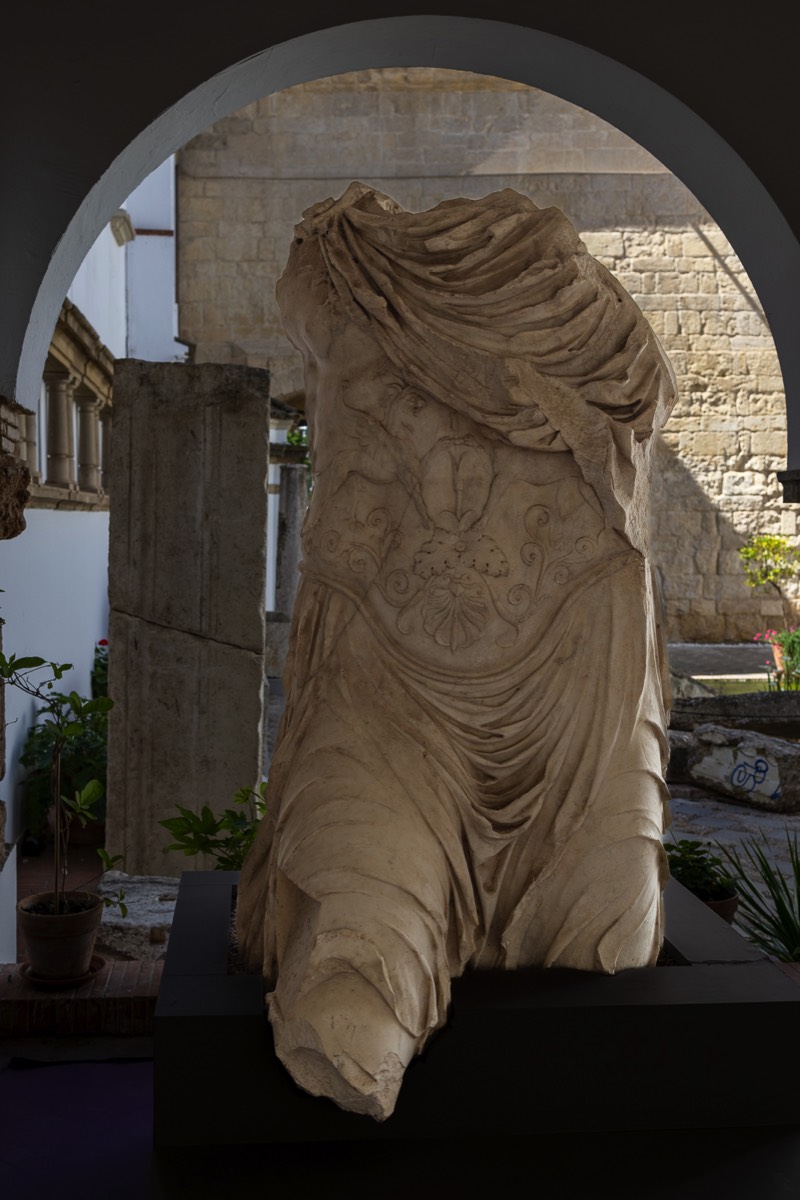
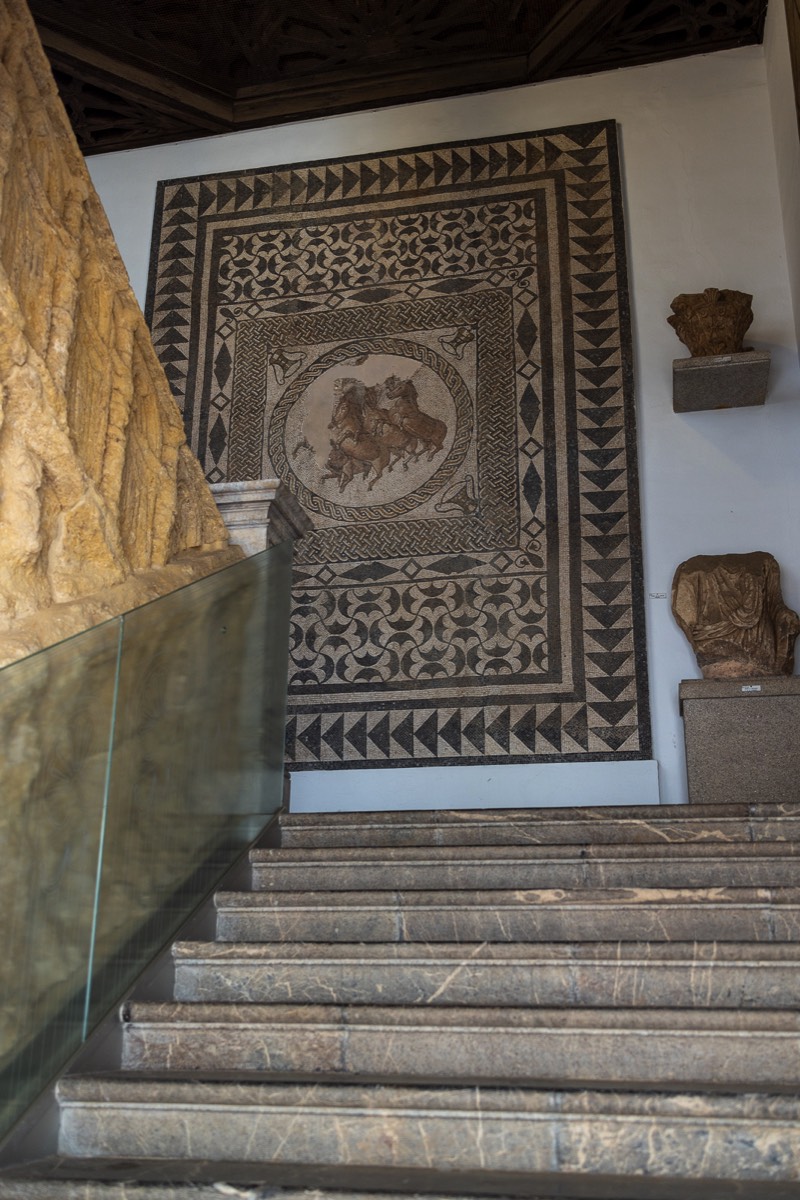
The Mesquita was built on the site of Roman ruins, and you can see a Roman mosaic under the floor. Cordoba's archeological museum houses even more mosaics and huge Roman statues.
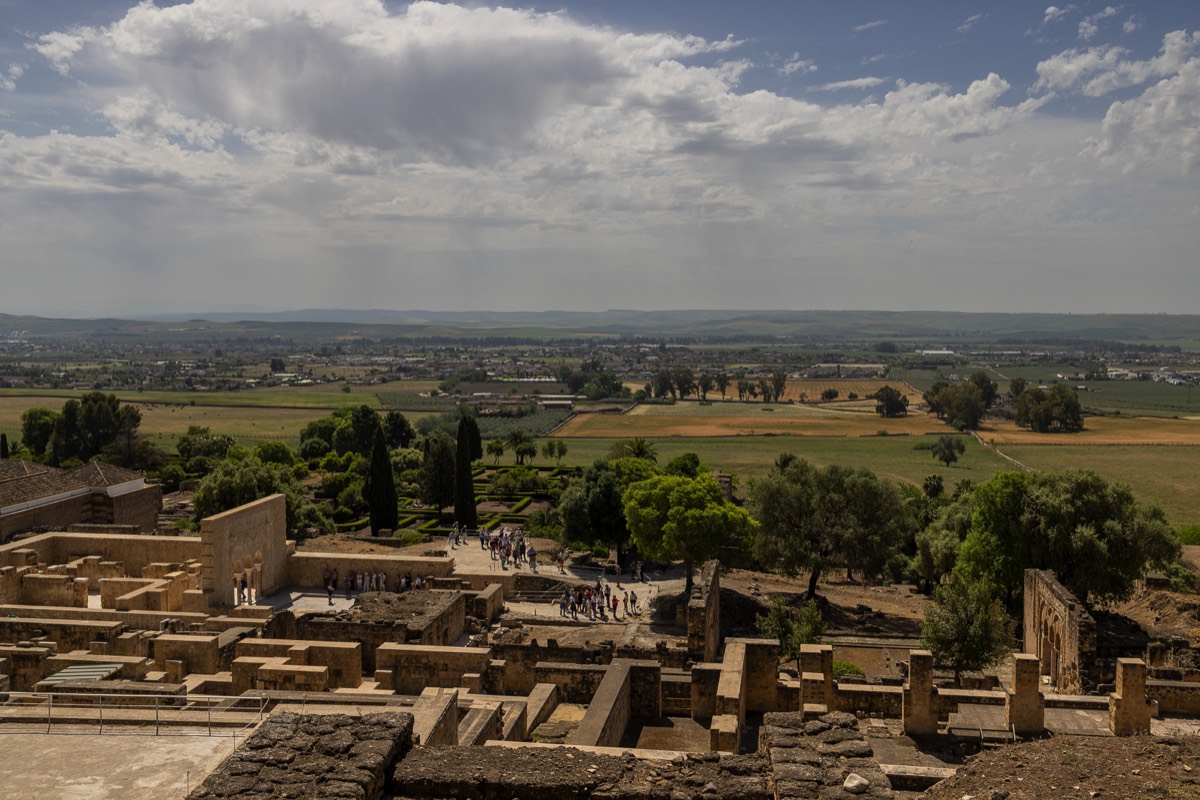
A brief bus ride out of Cordoba took us to the ruins of Medina Azahara. This was an extensive 10th century place/city built by Abd ar-Rahman III and clearly designed to impress. Much of the site has yet to be excavated and though it took 35 years to construct, it took a mere 10 years to be destroyed by Berber soldiers as the caliphate fell apart.
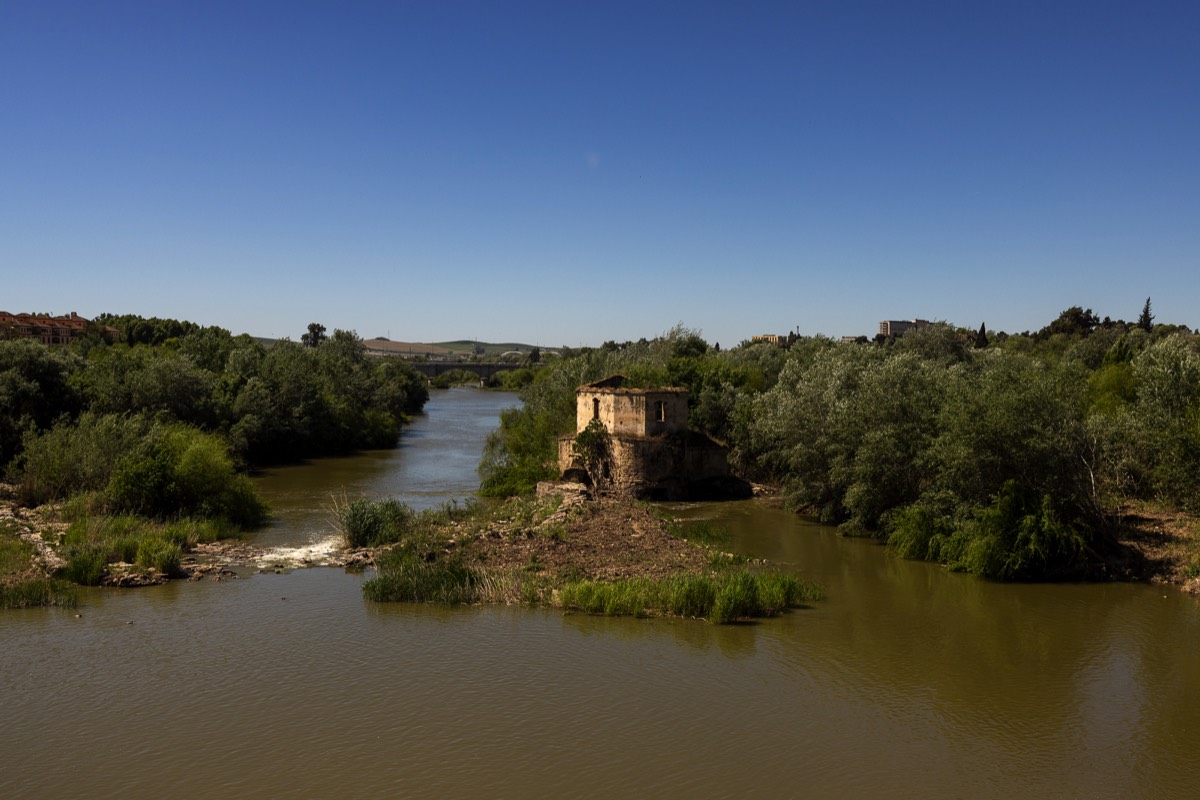
The Rio Guadalquivir was central to the life of Cordoba, and it is spanned by the Puente Romano which originally formed part of the Roman road that connected Girona in Catalonia with Cadiz. At one end is the Mesquita and at the other is a small museum.
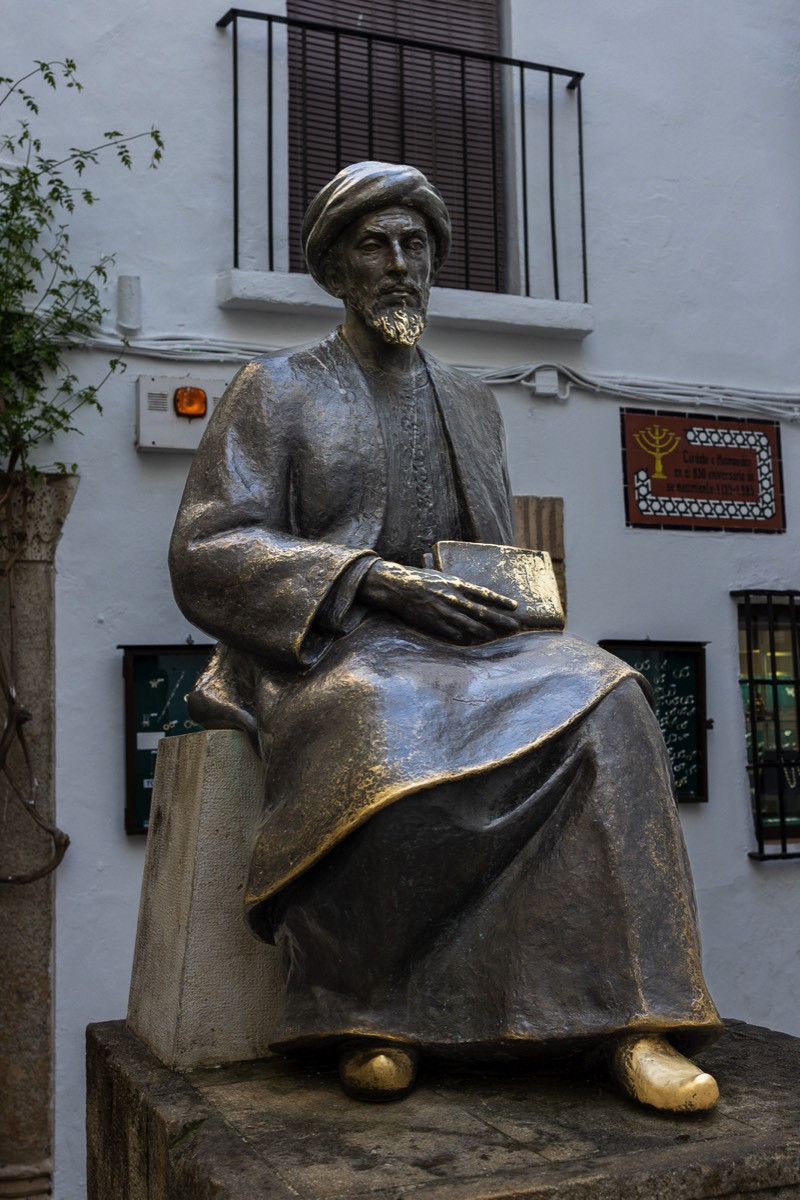
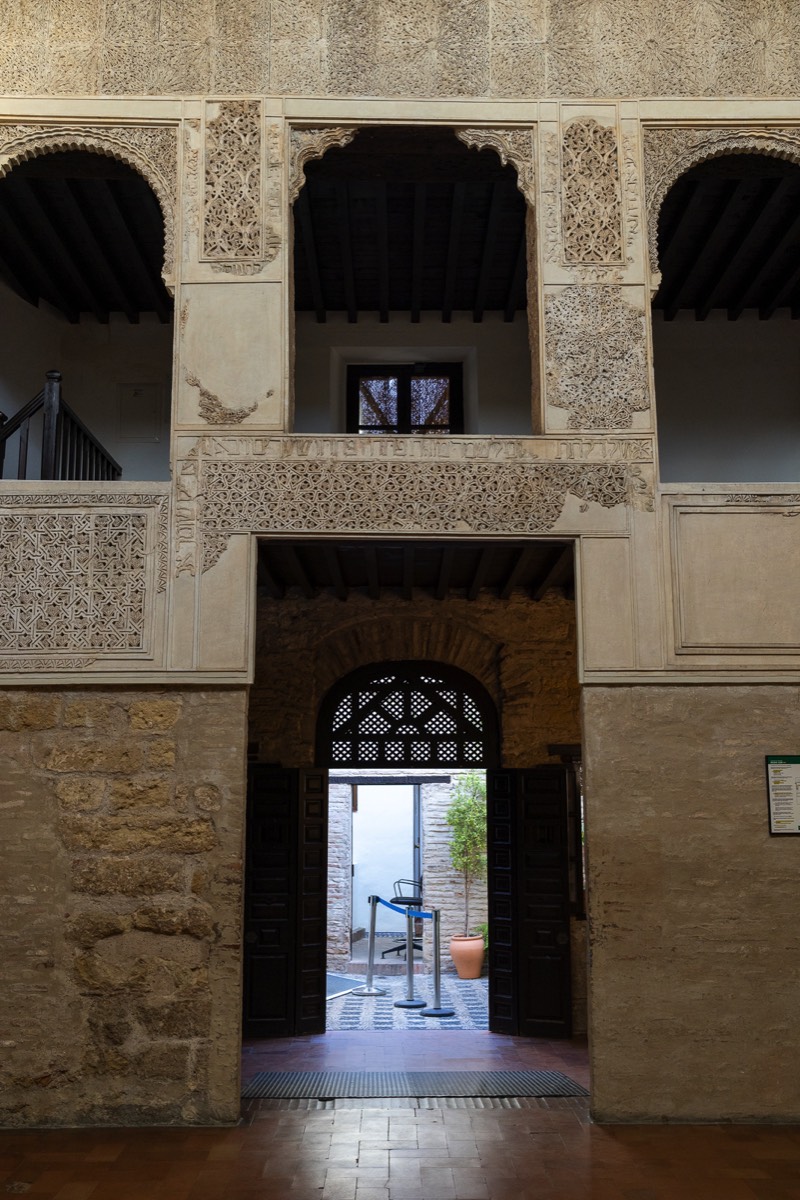
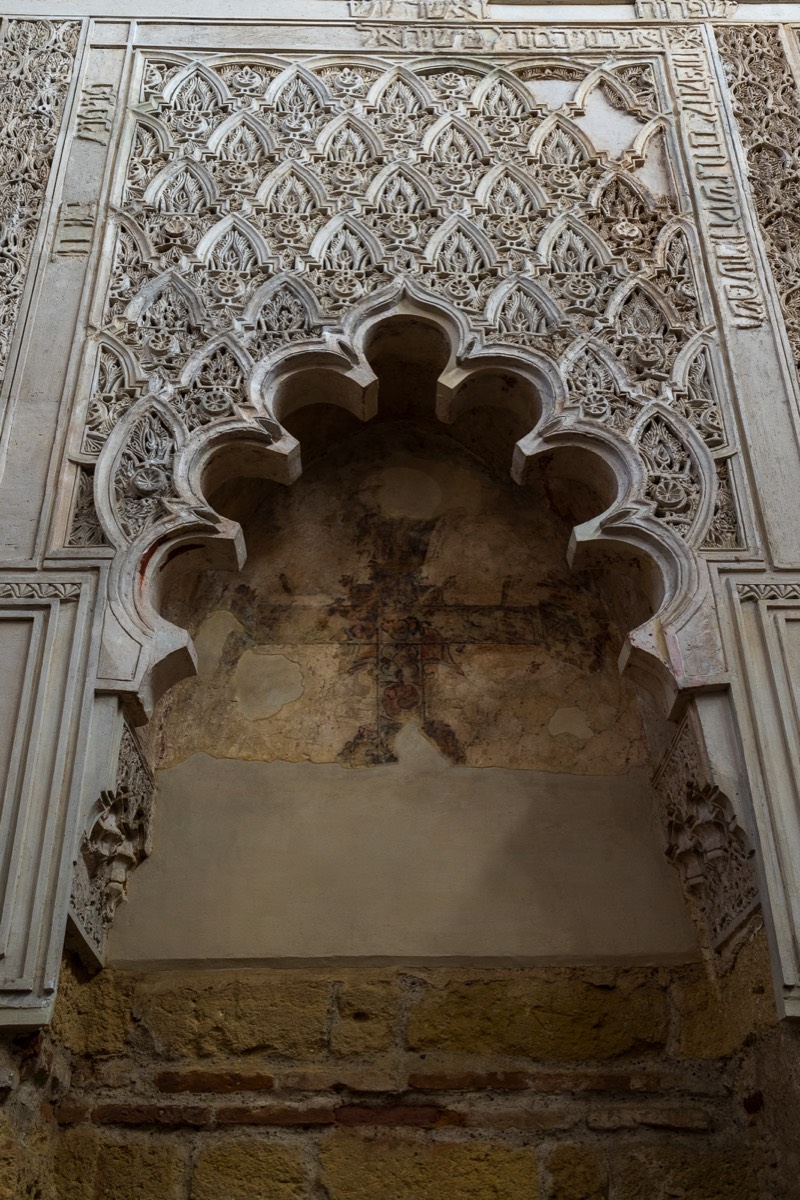
In its heyday, Cordoba had a small but highly influential Jewish community. In fact, when you enter the Jewish Synagogue you will at first think you are in another Moorish-style building. The only difference here is that the inscriptions are in Hebrew rather than in Arabic, and there is a cross in one of the alcoves.
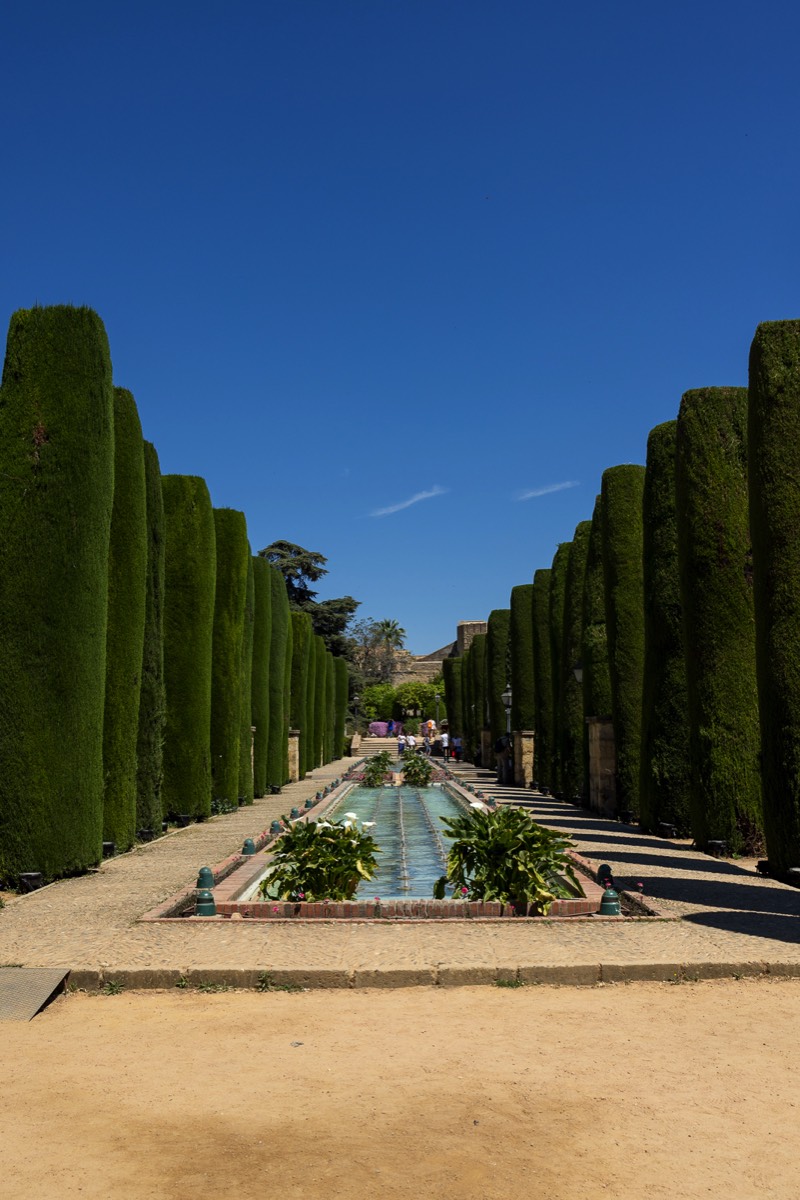
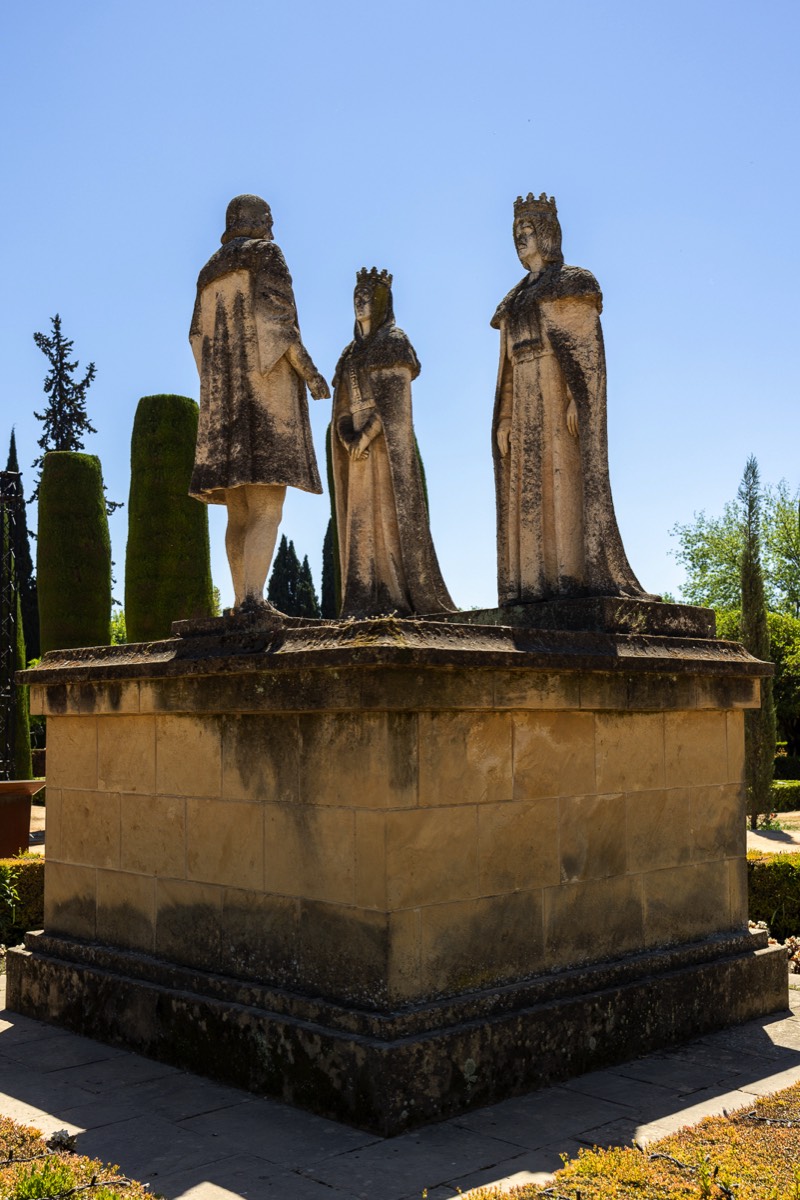
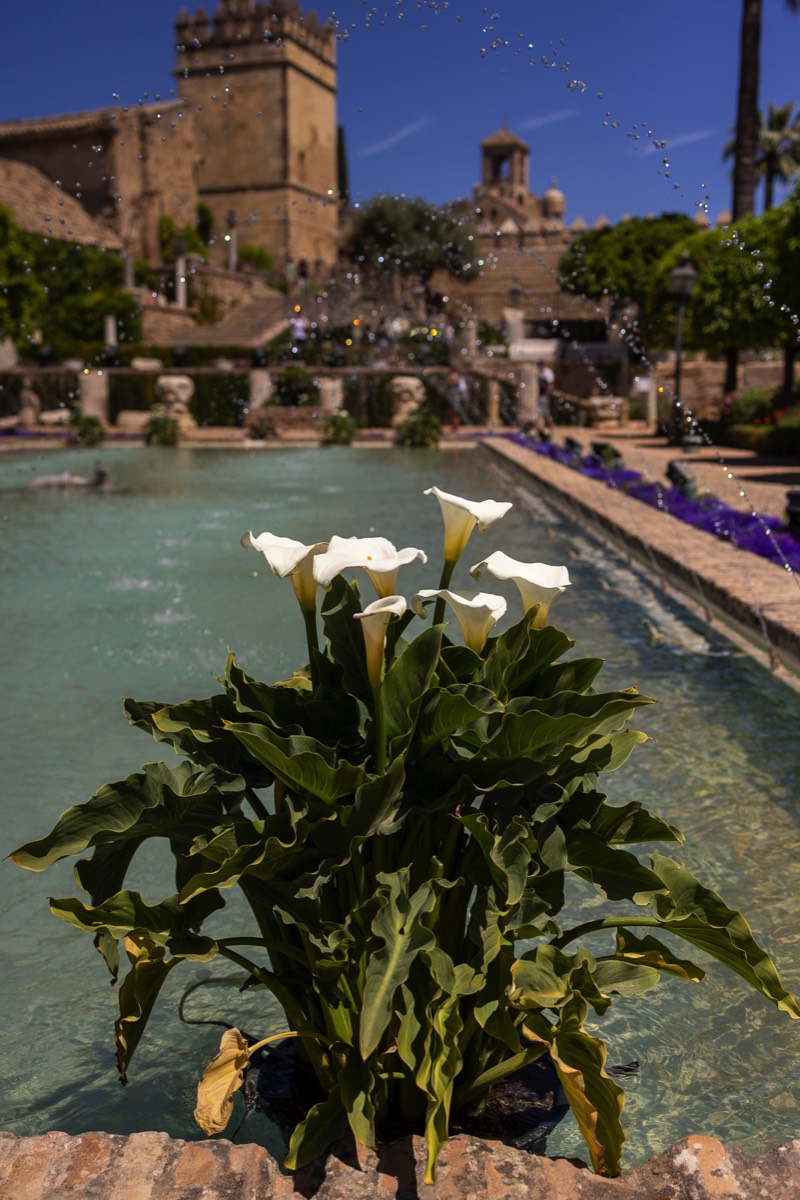
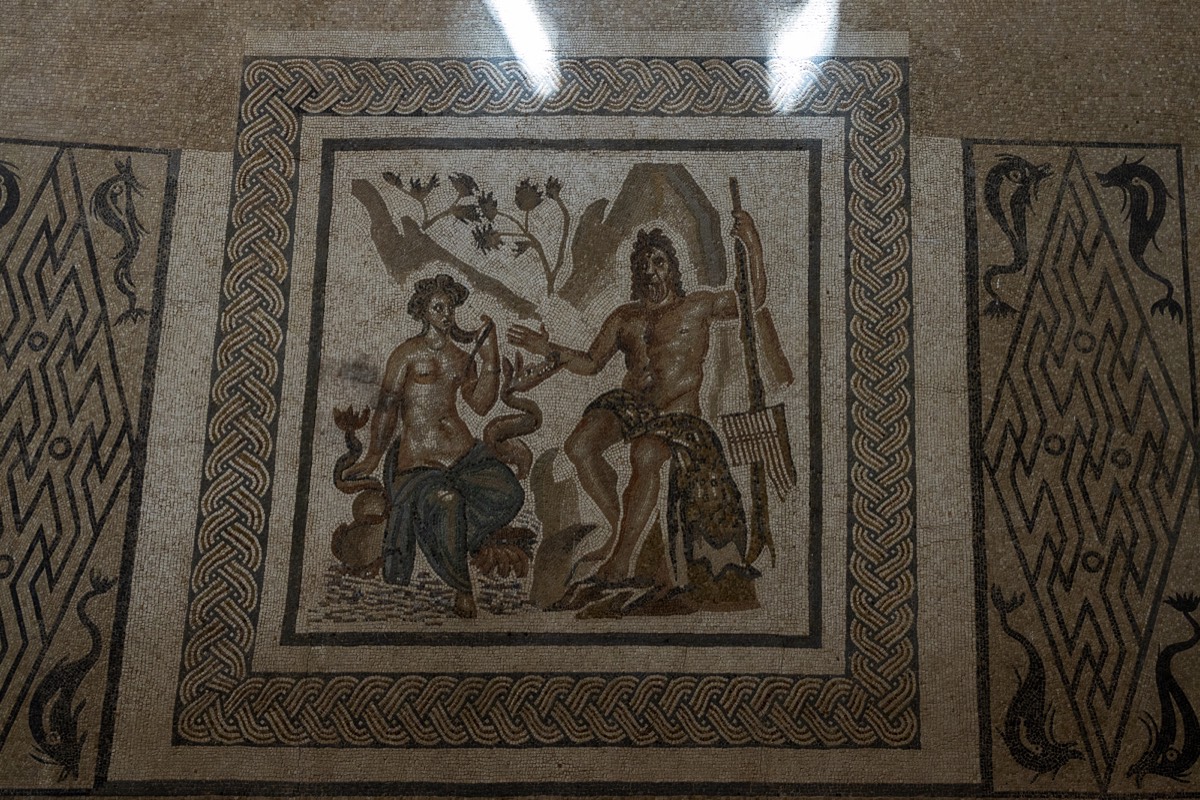
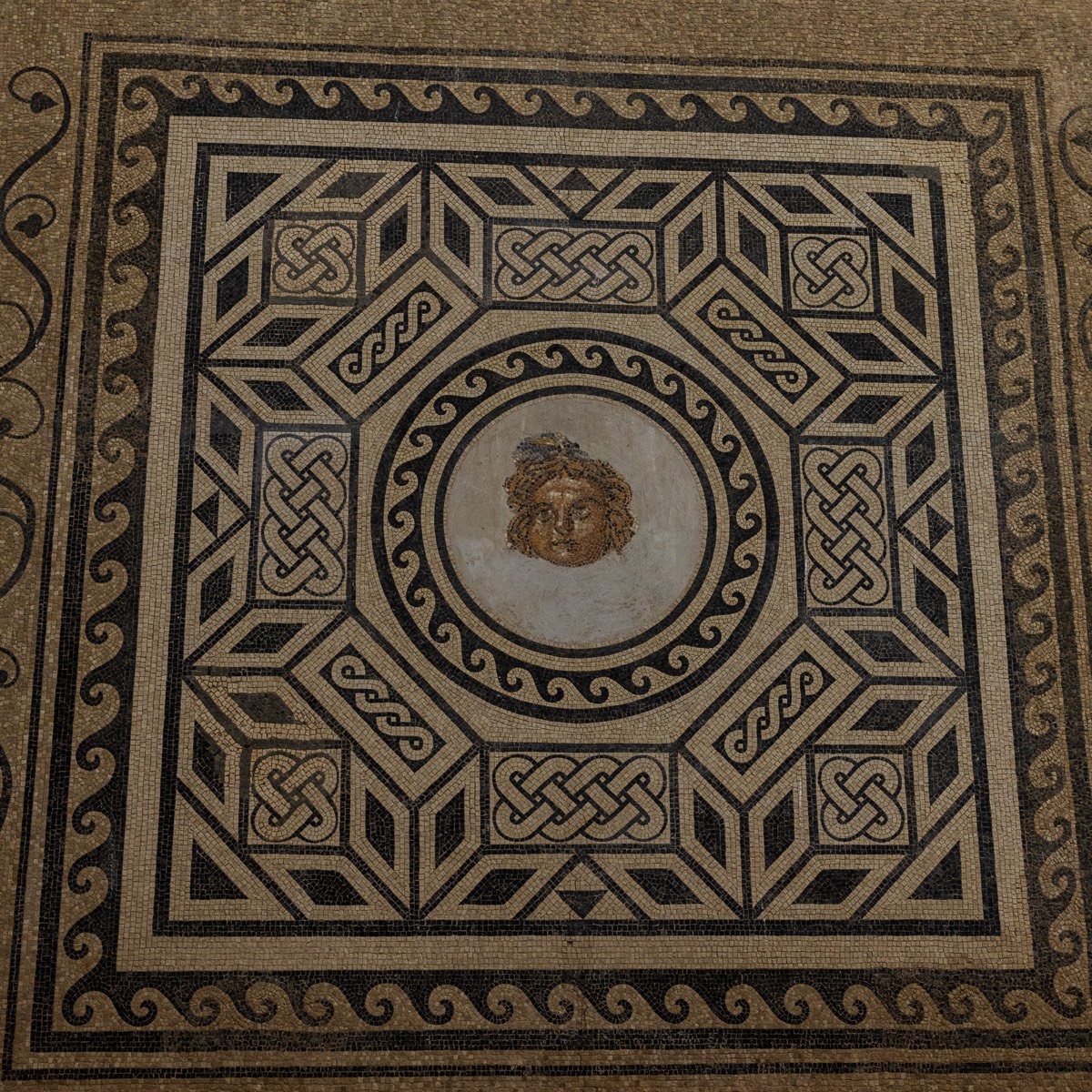
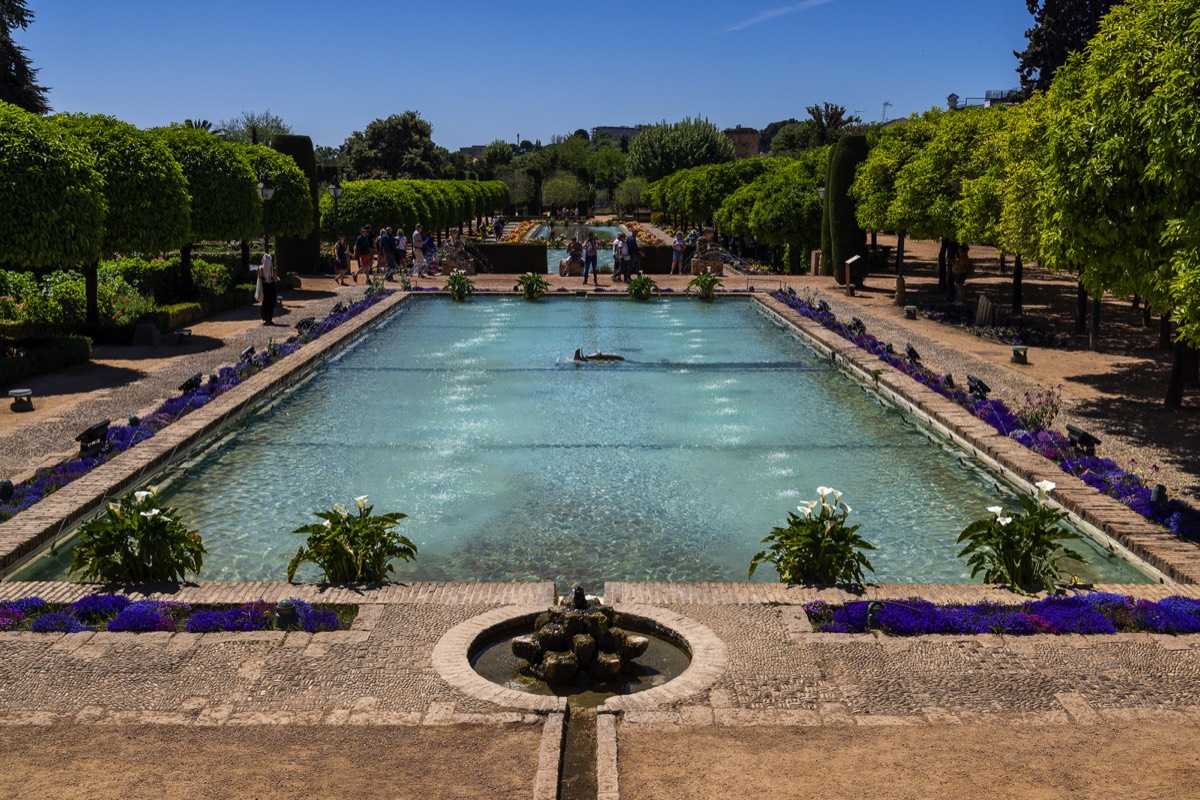
To counter balance the Mesquita, we have the Alcazar de los Reyes Cristianos which is a defensive fort/palace built in the 14th century by King Alfonso XI. It was here that Fernando and Isabel met Christopher Columbus in 1486, and their statues dominate the extensive Moorish-style gardens. Today the fort is a museum housing a stunning set of huge and delicate Roman mosaics.
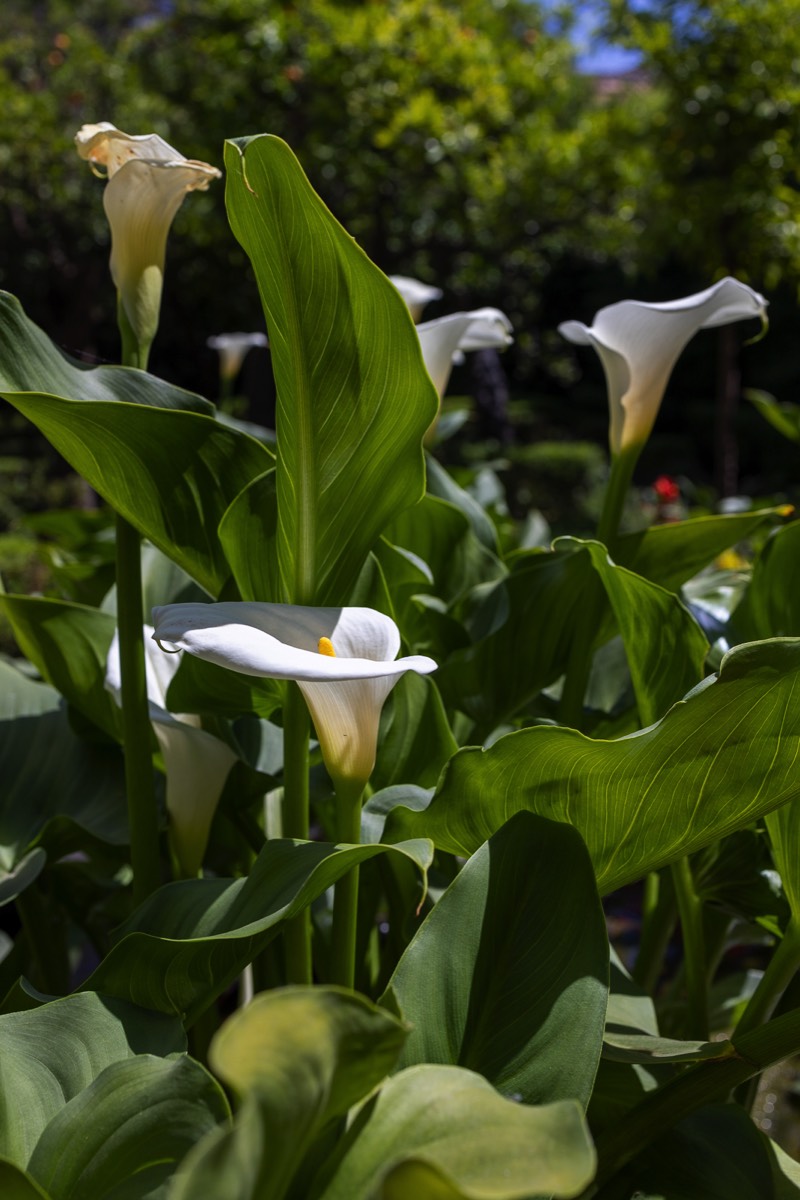
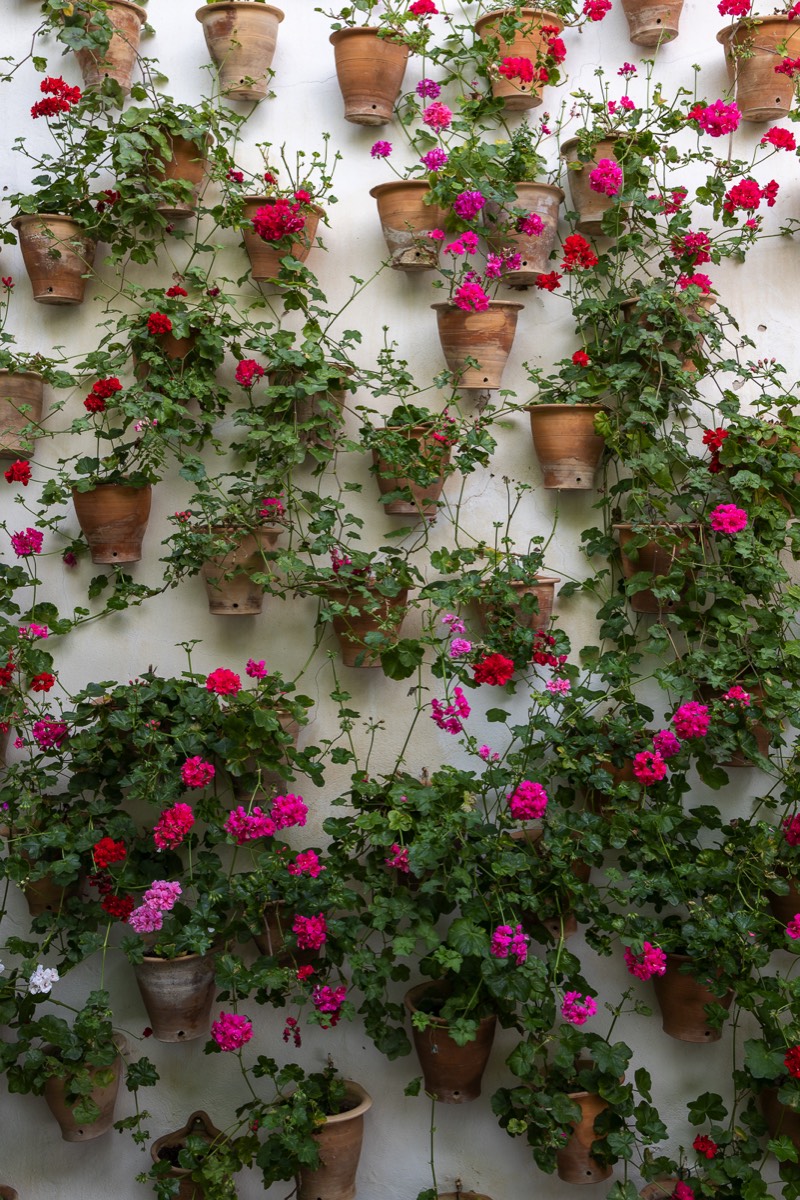
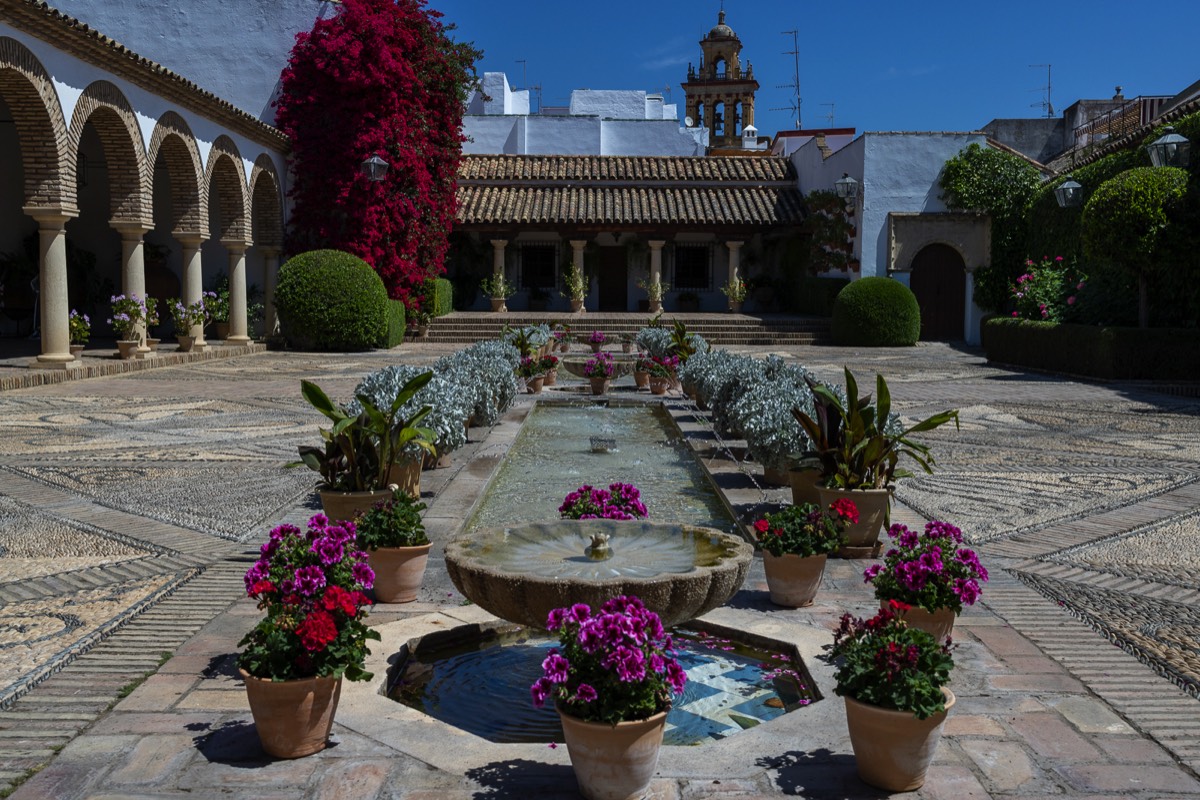
There's no doubt that the Moors loved their gardens, and it is the one tradition that the Christian aristocrats continued when they conquered Andalucia. We visited Palacio de Viana which has 12 gorgeous patios, all with different planting themes. The 14th century palace itself was now a museum crammed with art and antiques, but no photos were allowed inside.