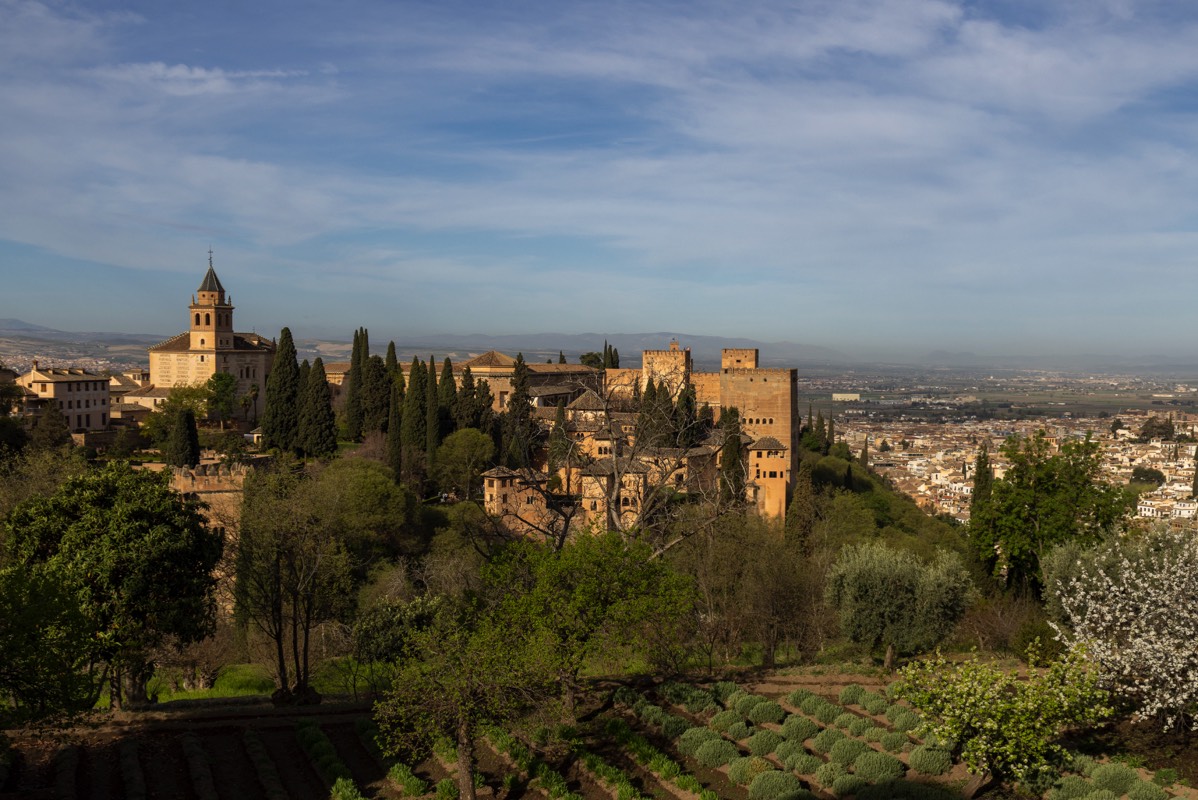
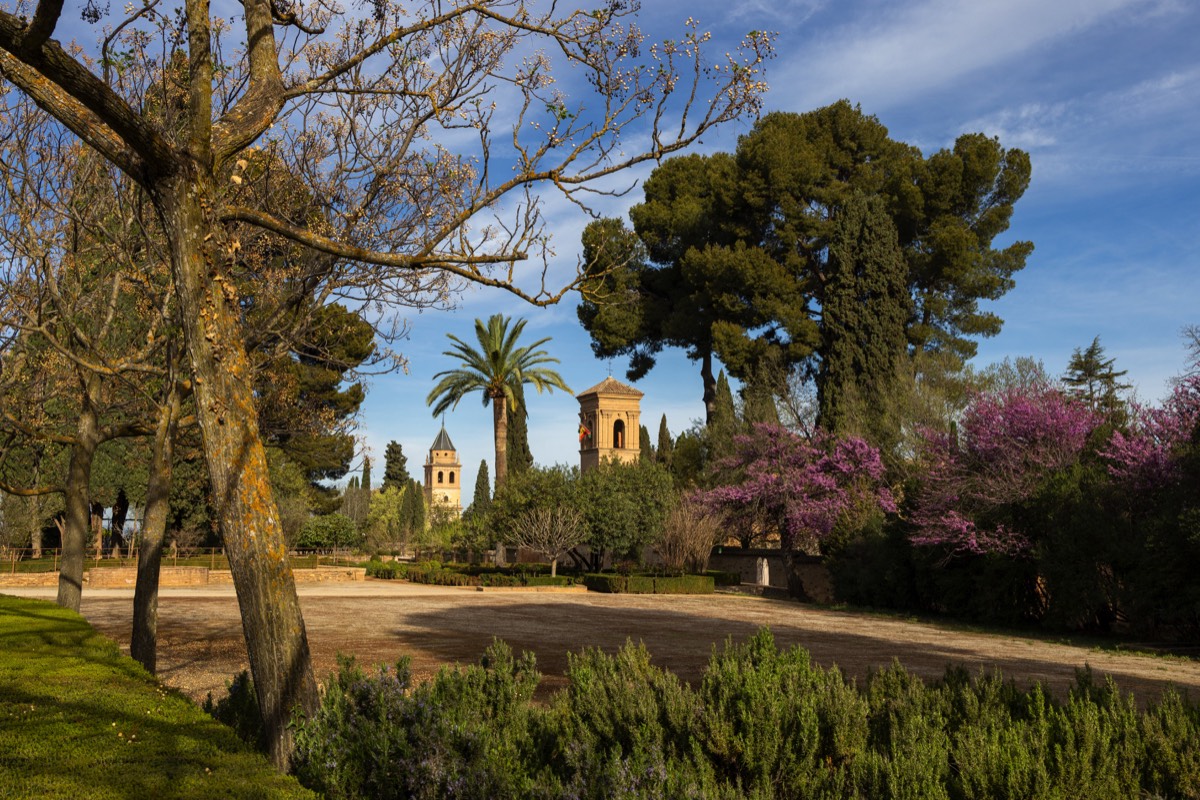
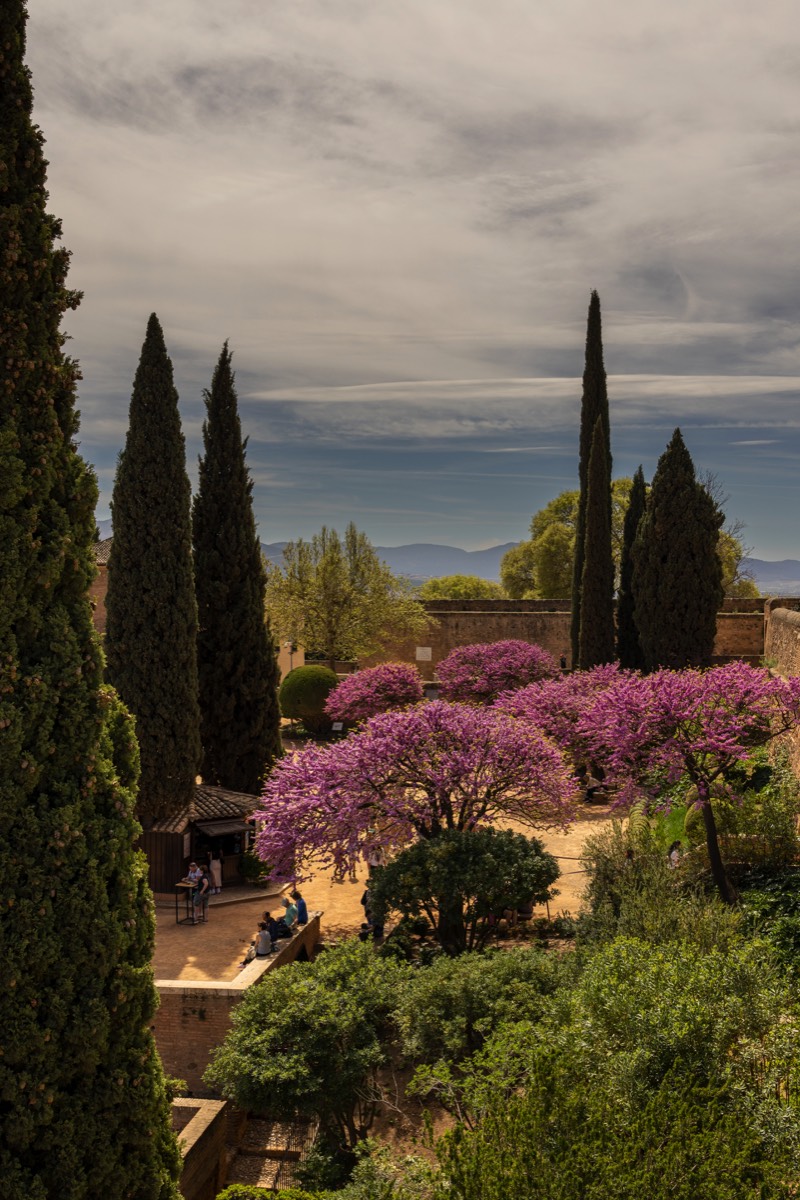
The must-do site to visit in Granada is the Alhambra perched high on the hill overlooking the city. You could spend a whole day here and still want to come back for more. The grounds of the Generalife and the Alcazaba (fortress) lie at extreme ends of the complex, but the highlight is the Nazarin Palace, a visit to which requires booking many months in advance.
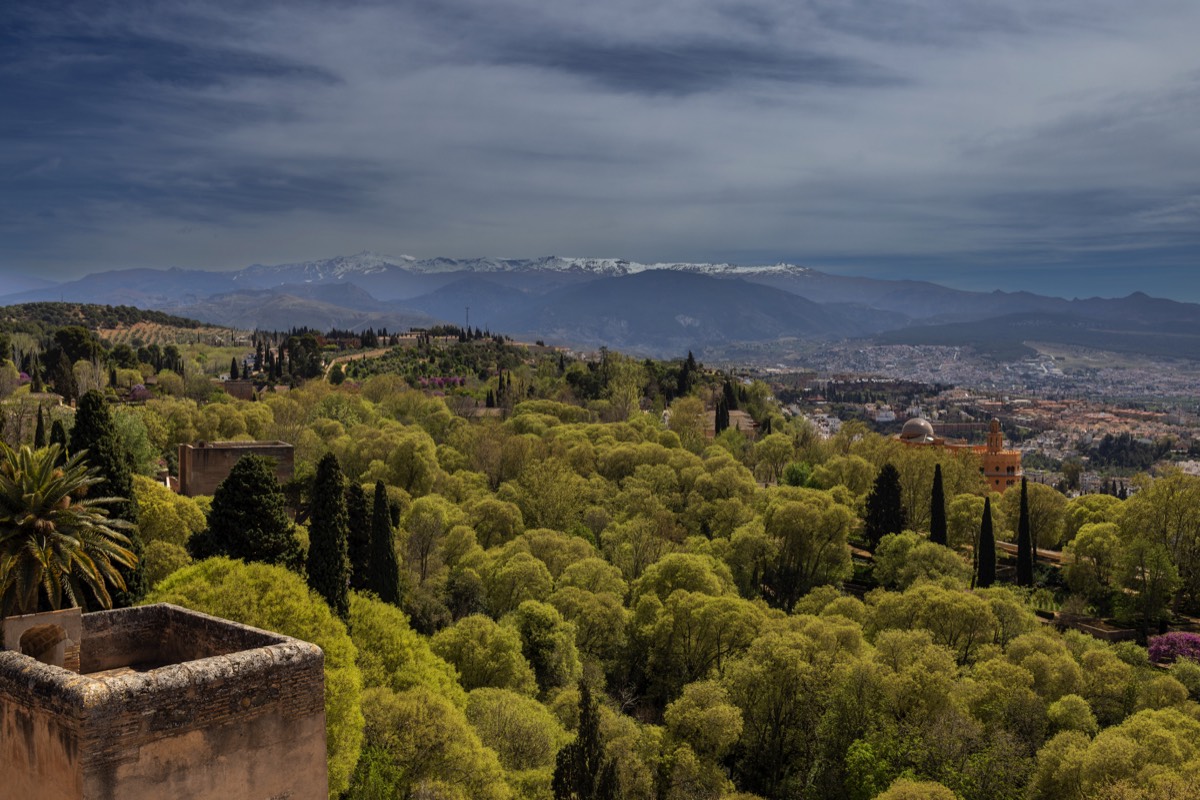
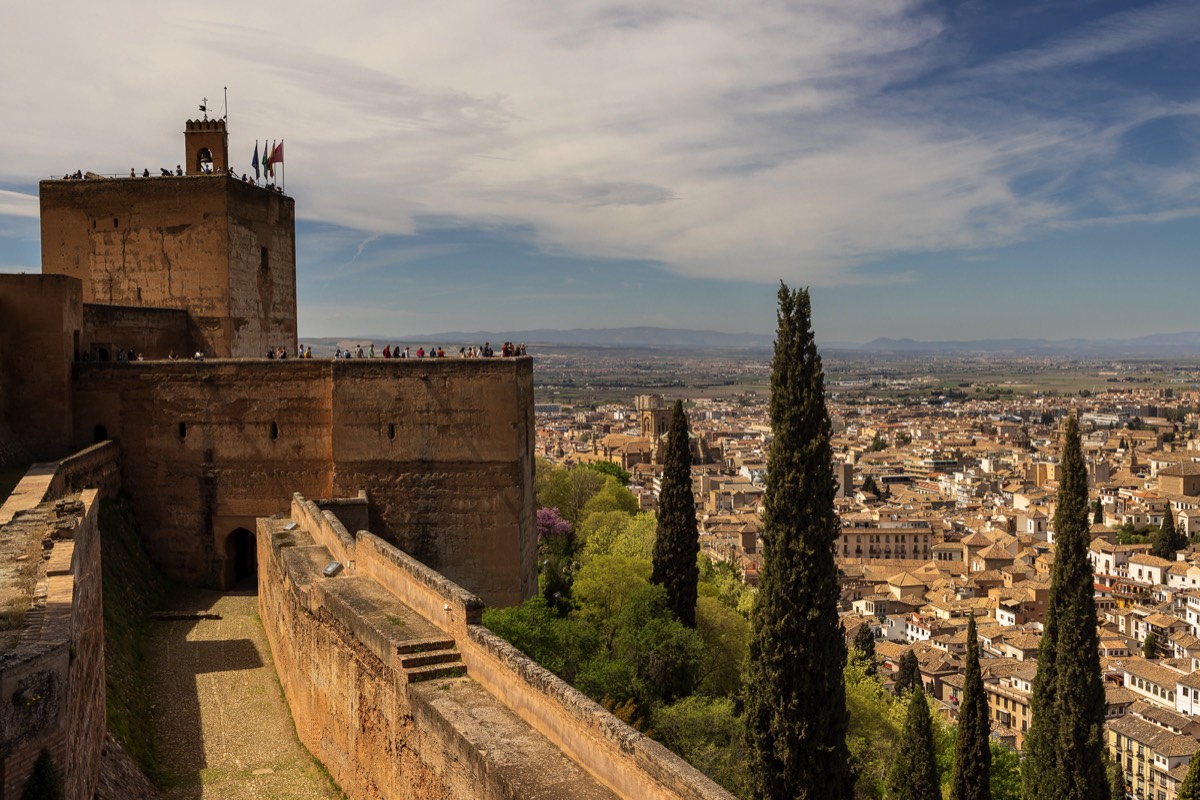
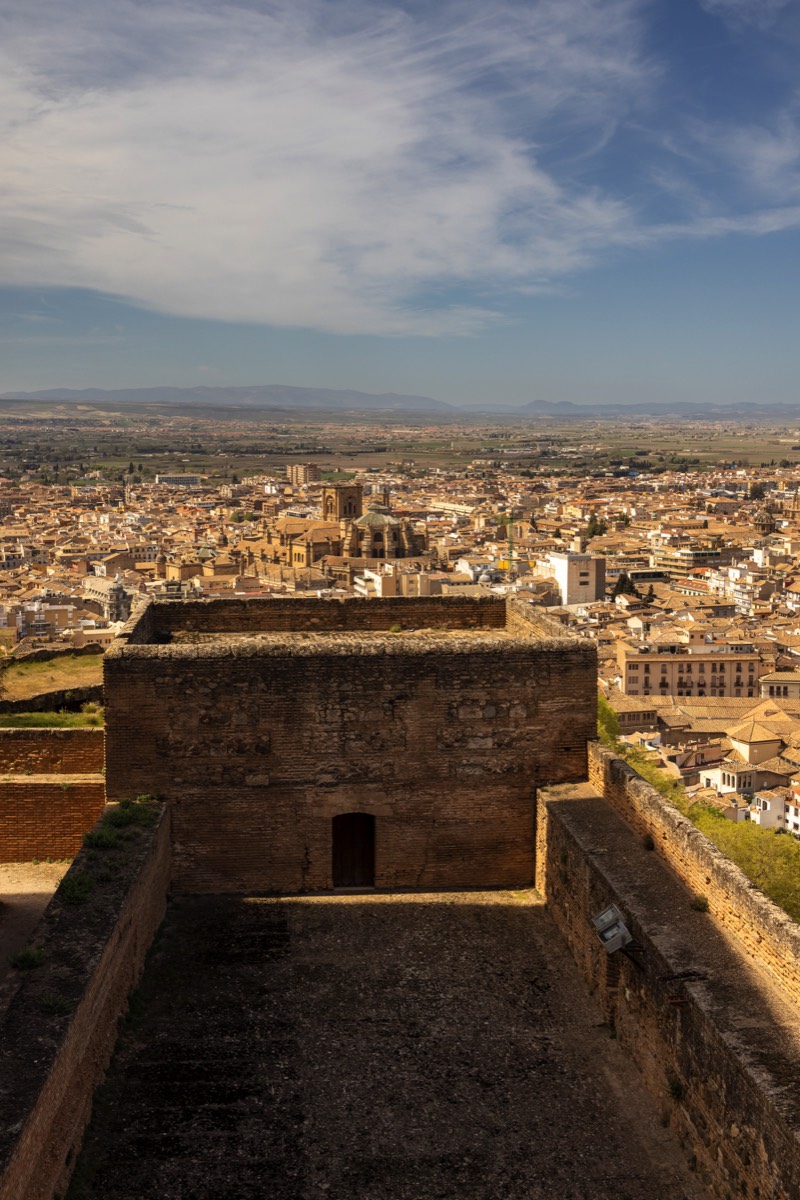
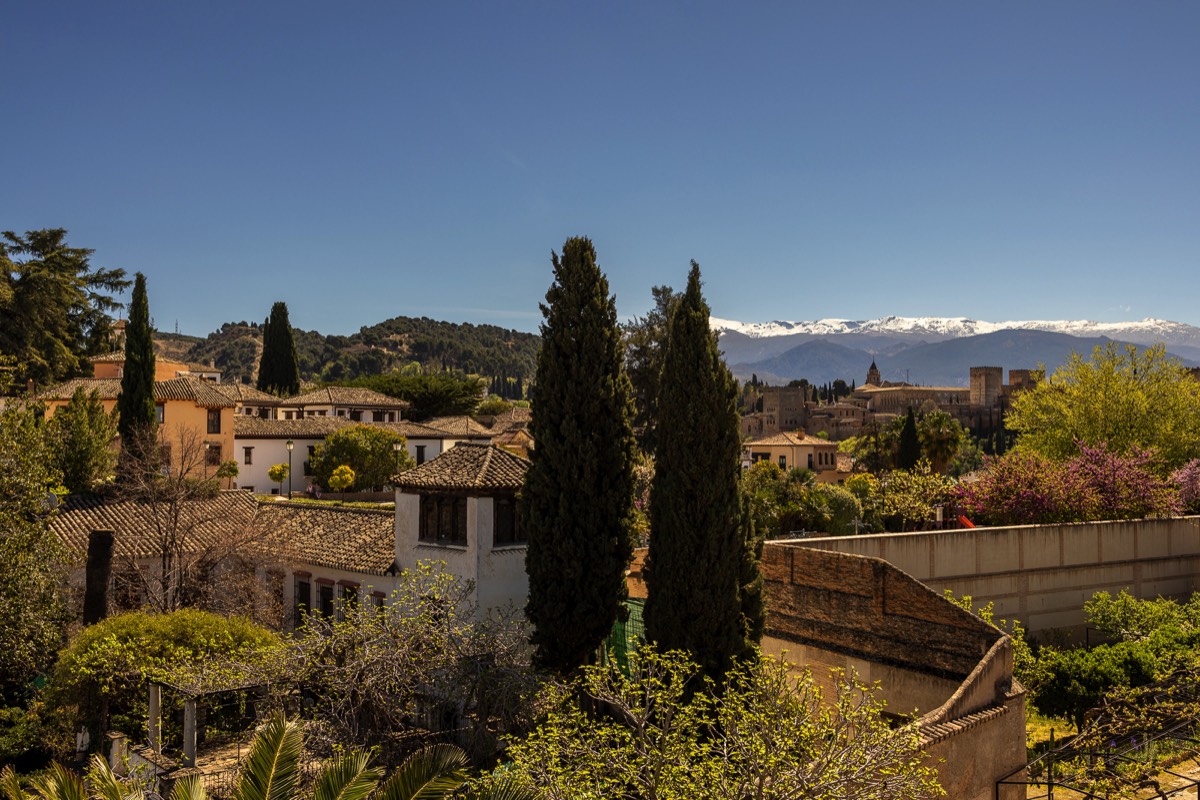
From the Alhambra one could see the snow-capped Sierra Nevada mountains in the background, and the vastness of the city all around. This was a charming lively city.
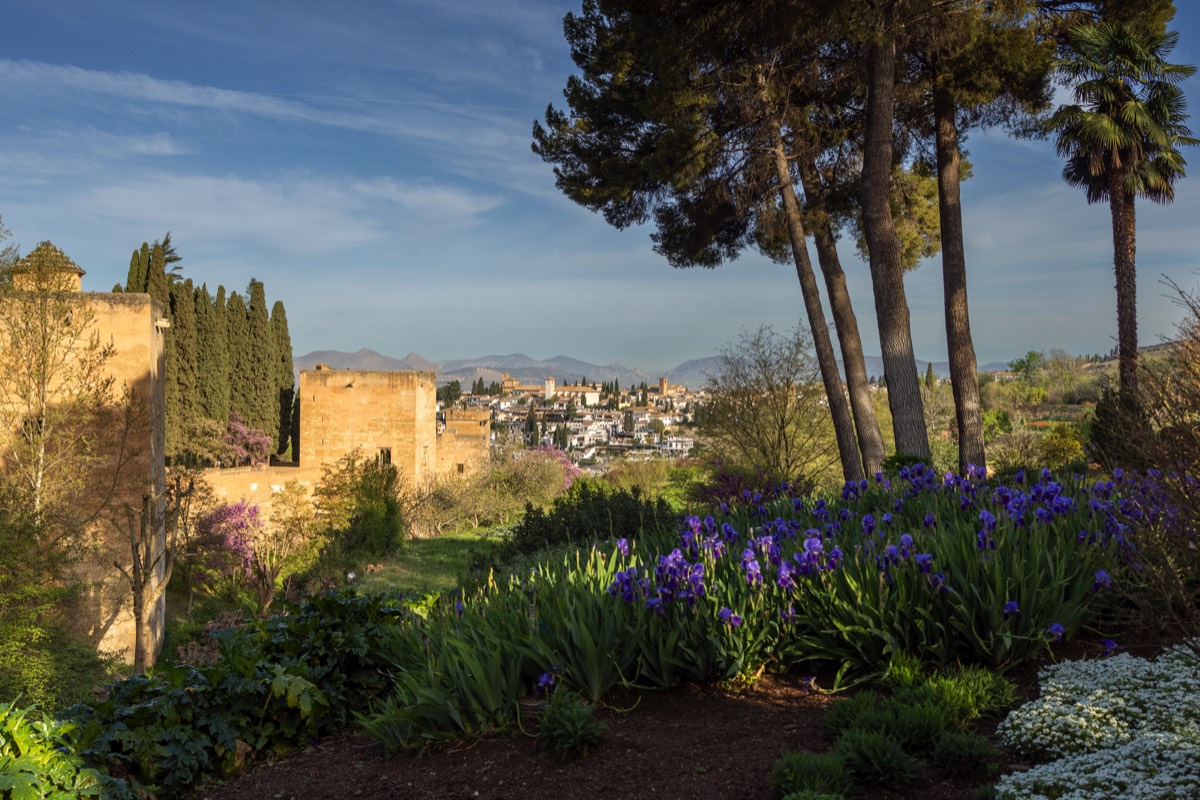
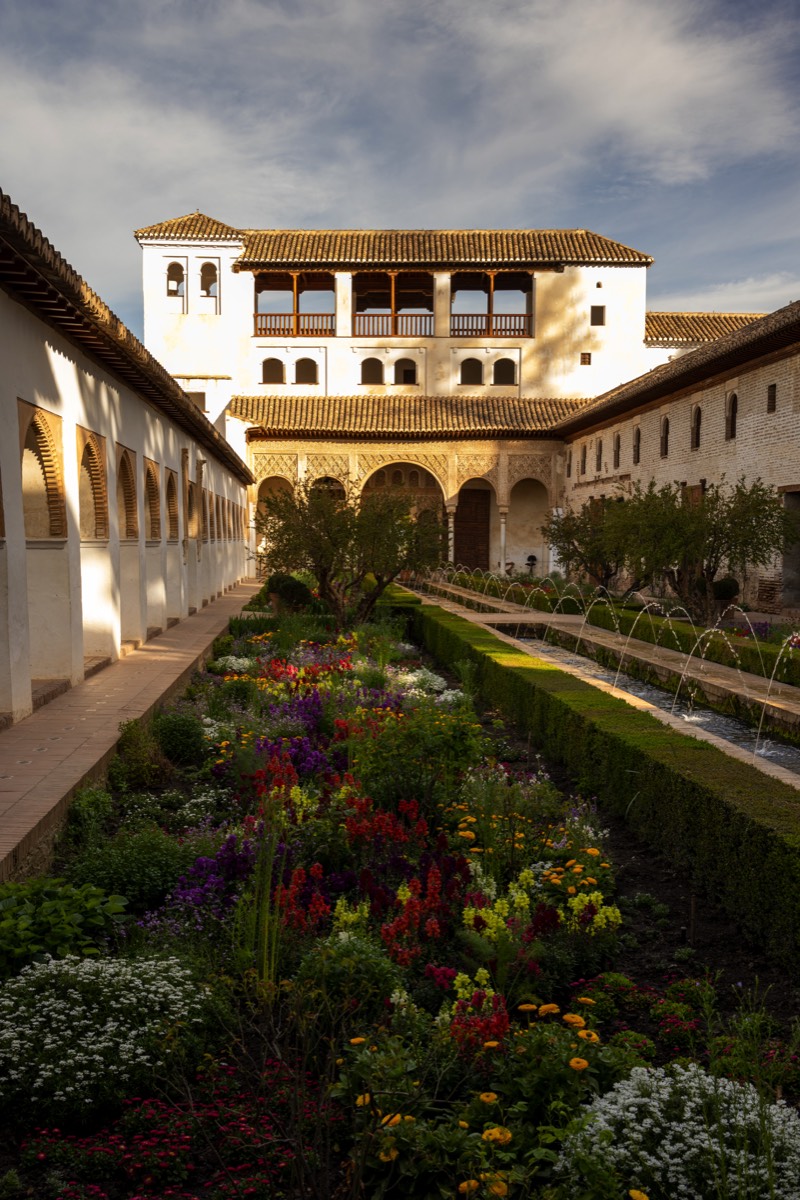
The Generalife was the sultan's summer estate, and dates to the 14th century. The gardens here are stunning and many, with water featuring strongly as fountains and pools.
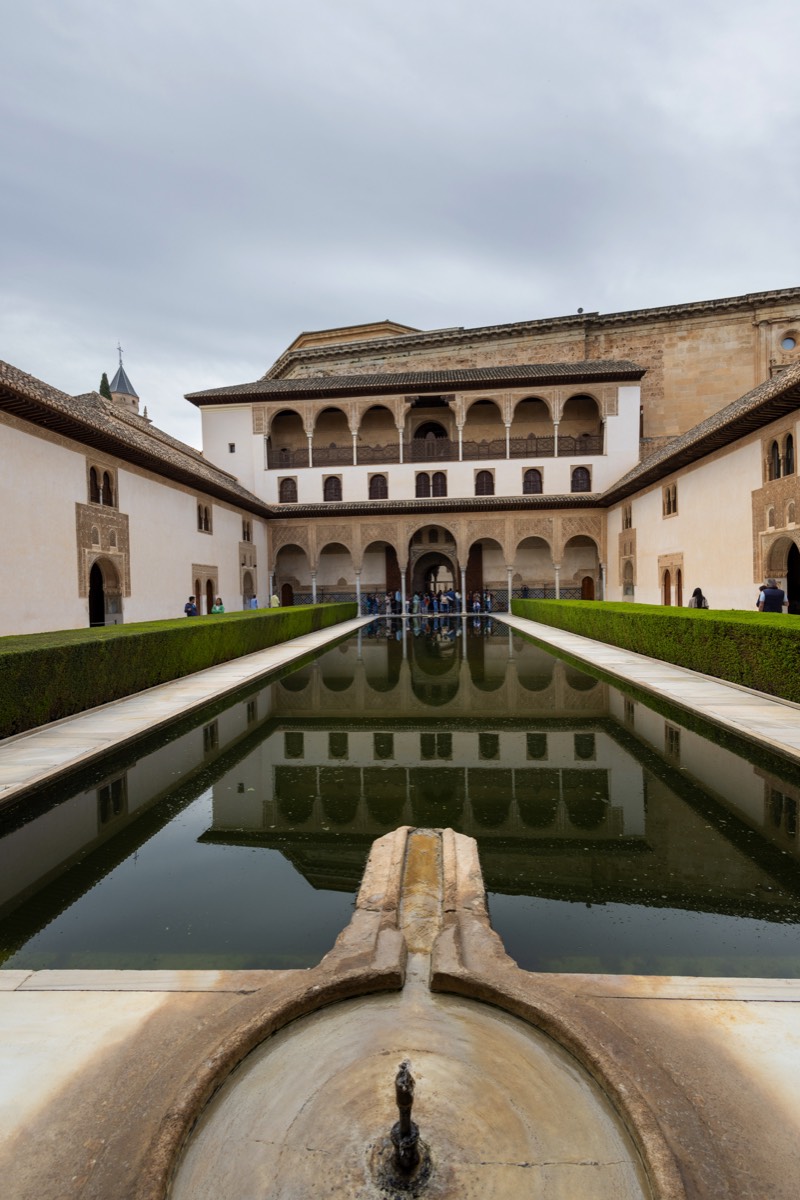
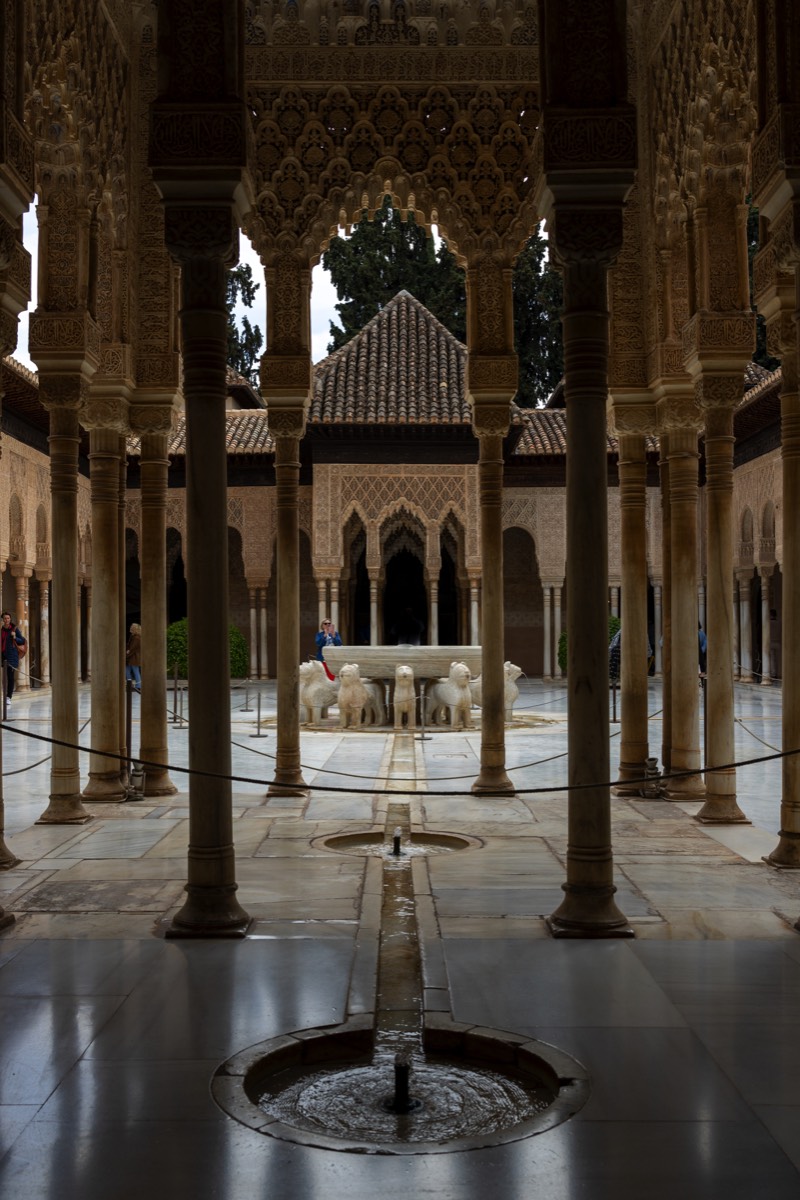
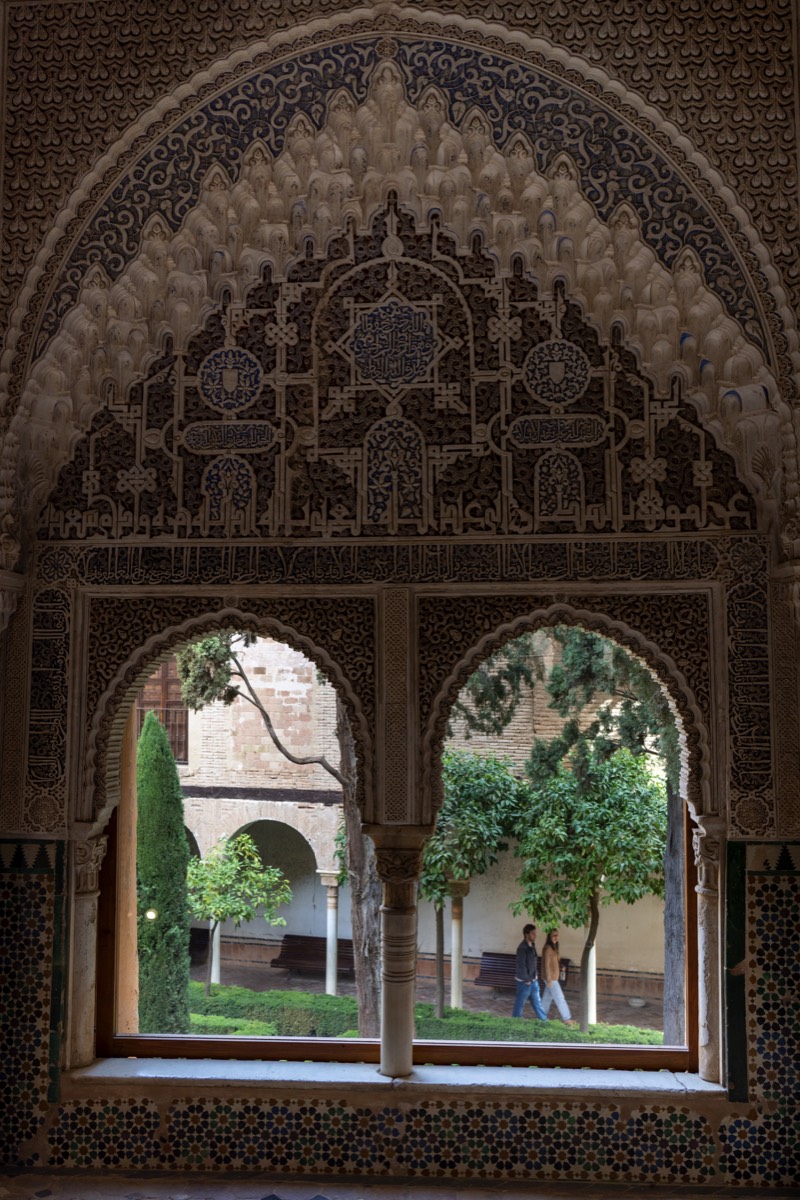
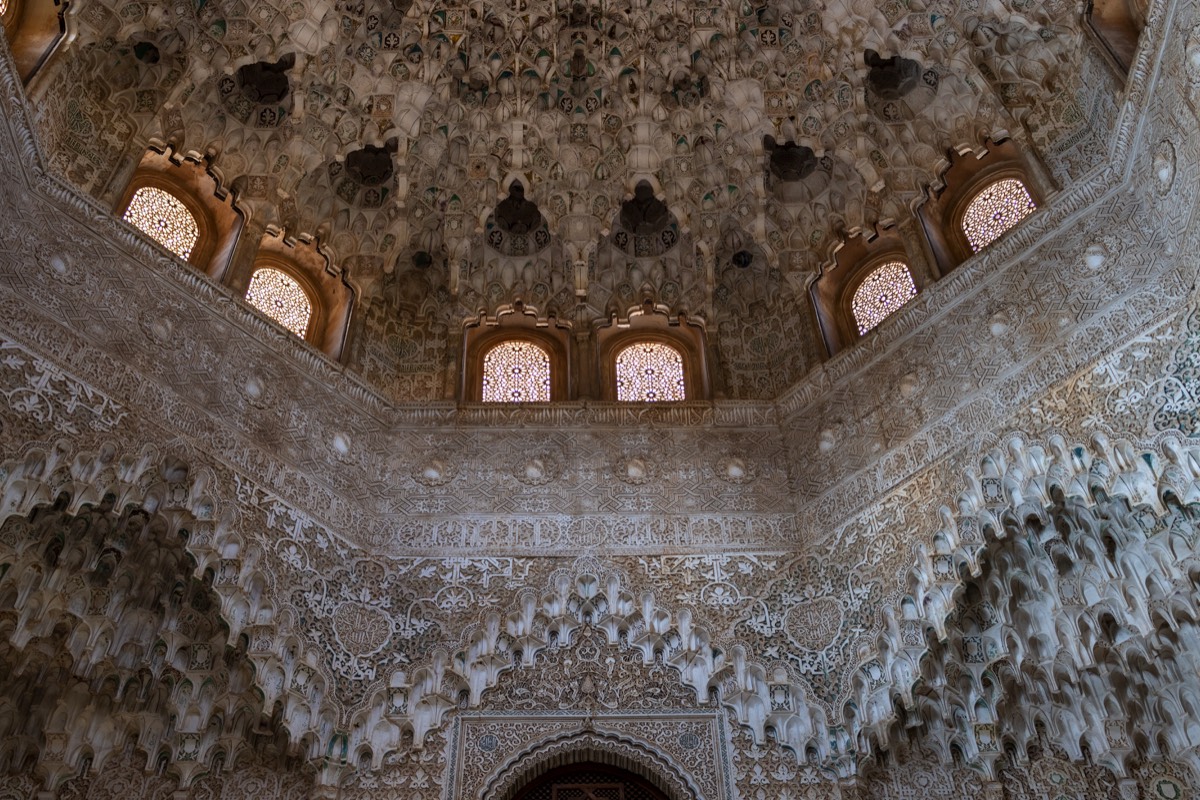
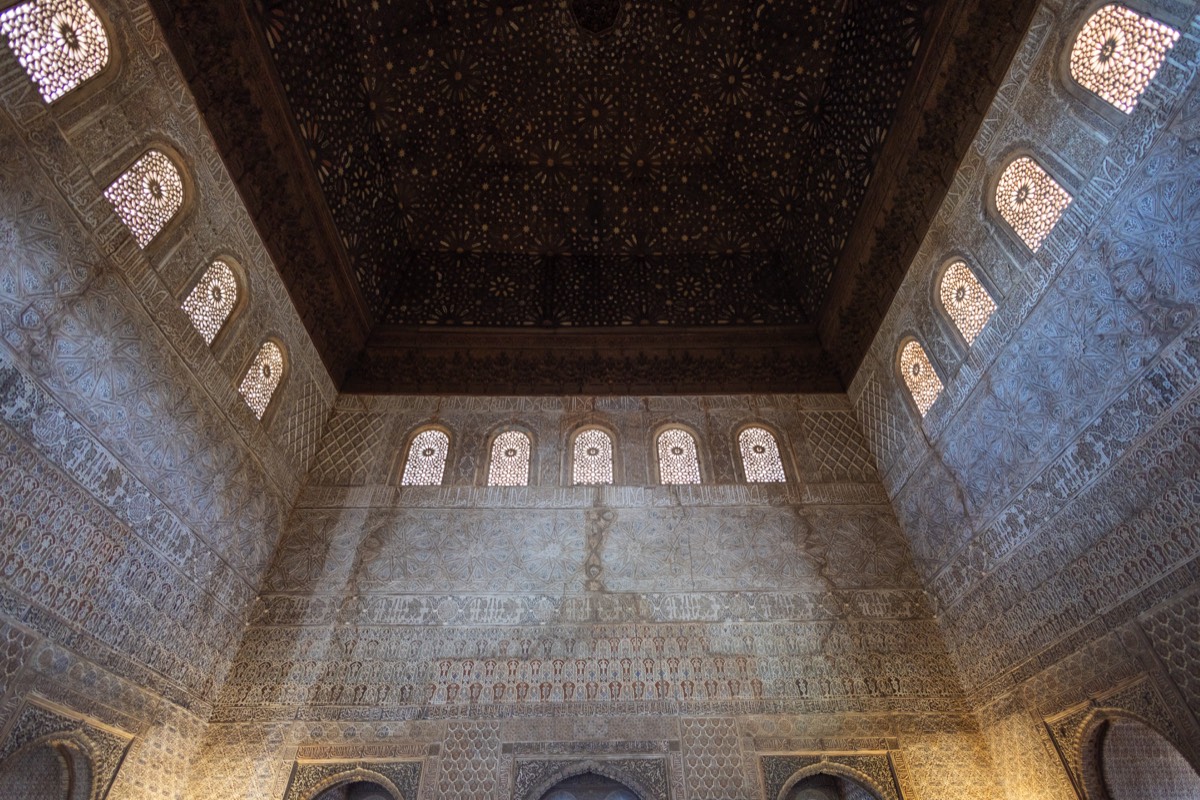
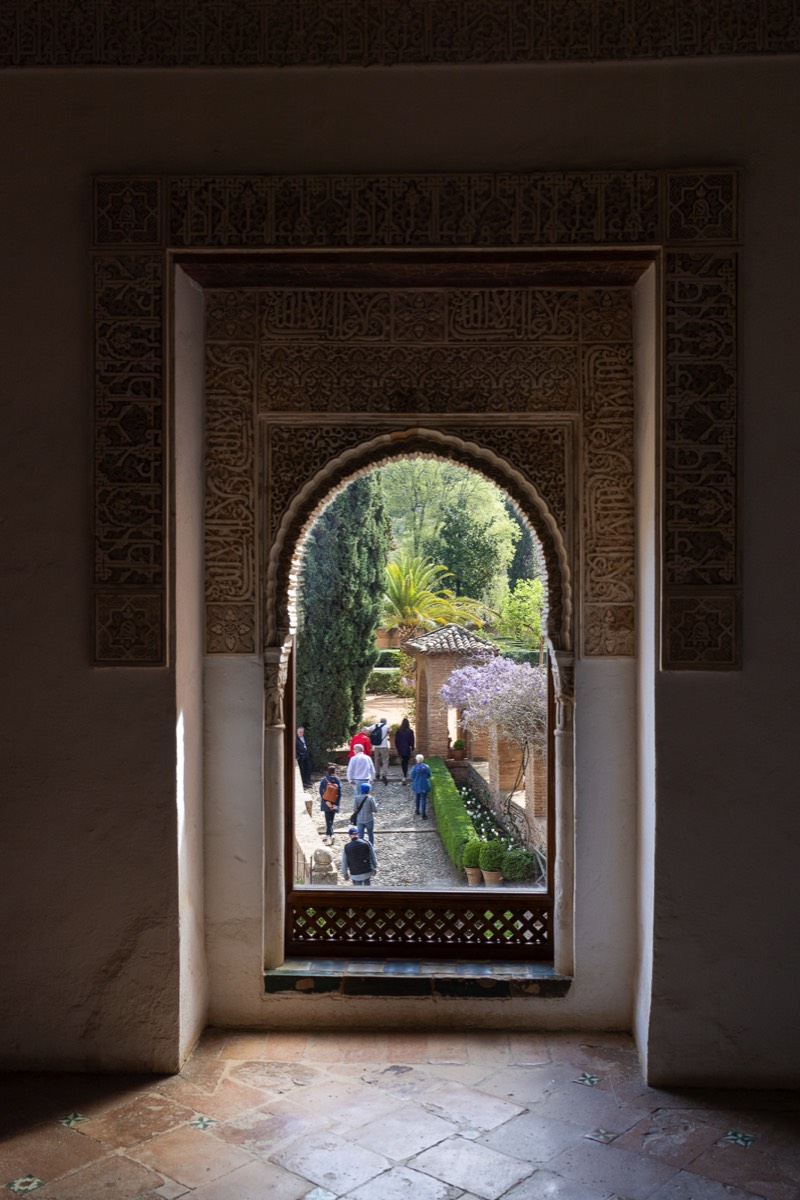
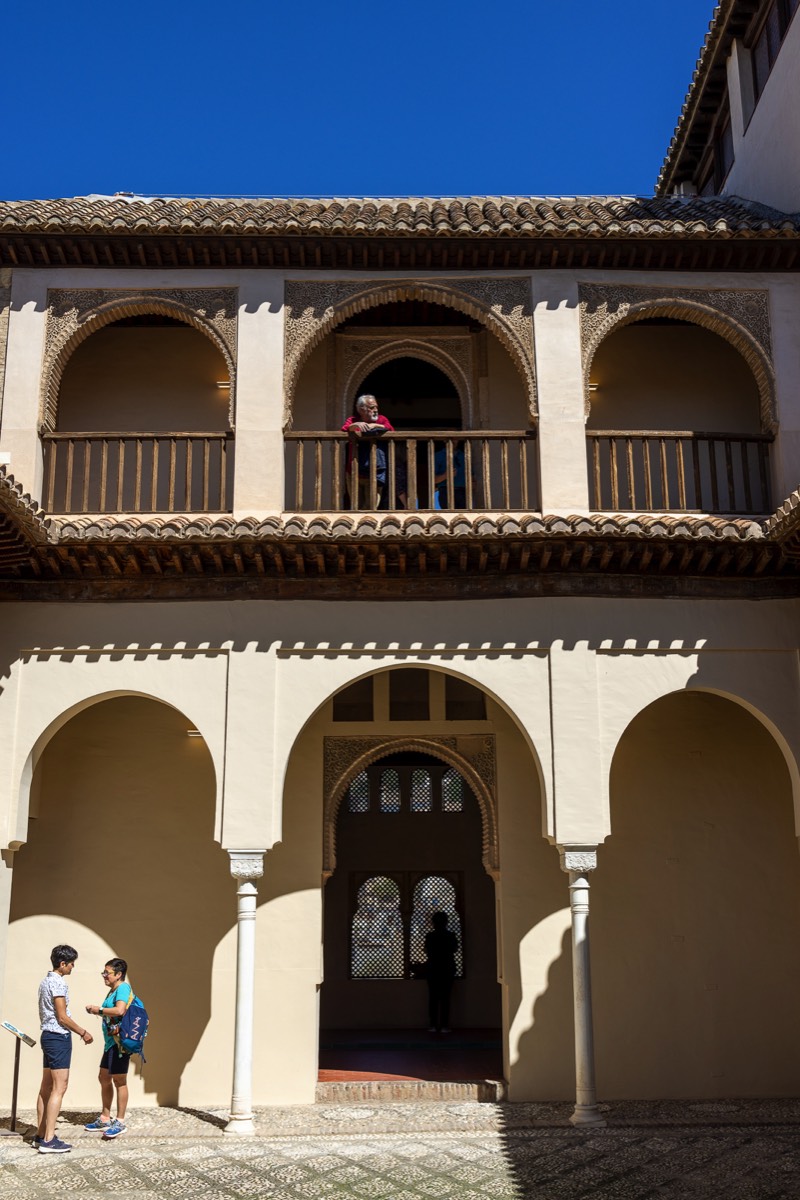
Building of the Nazarin Palace (Palacios Nazaries) started in 1333 by Yusuf I and even today is still considered the highpoint of Islamic culture in Europe. It is a complex of several buildings and it was far too overwhelming to take note of which room was what! But the main feature of all the buildings/rooms was their delicacy, with intricate carvings decorating every available surface, and arches within arches providing framed views everywhere you looked.
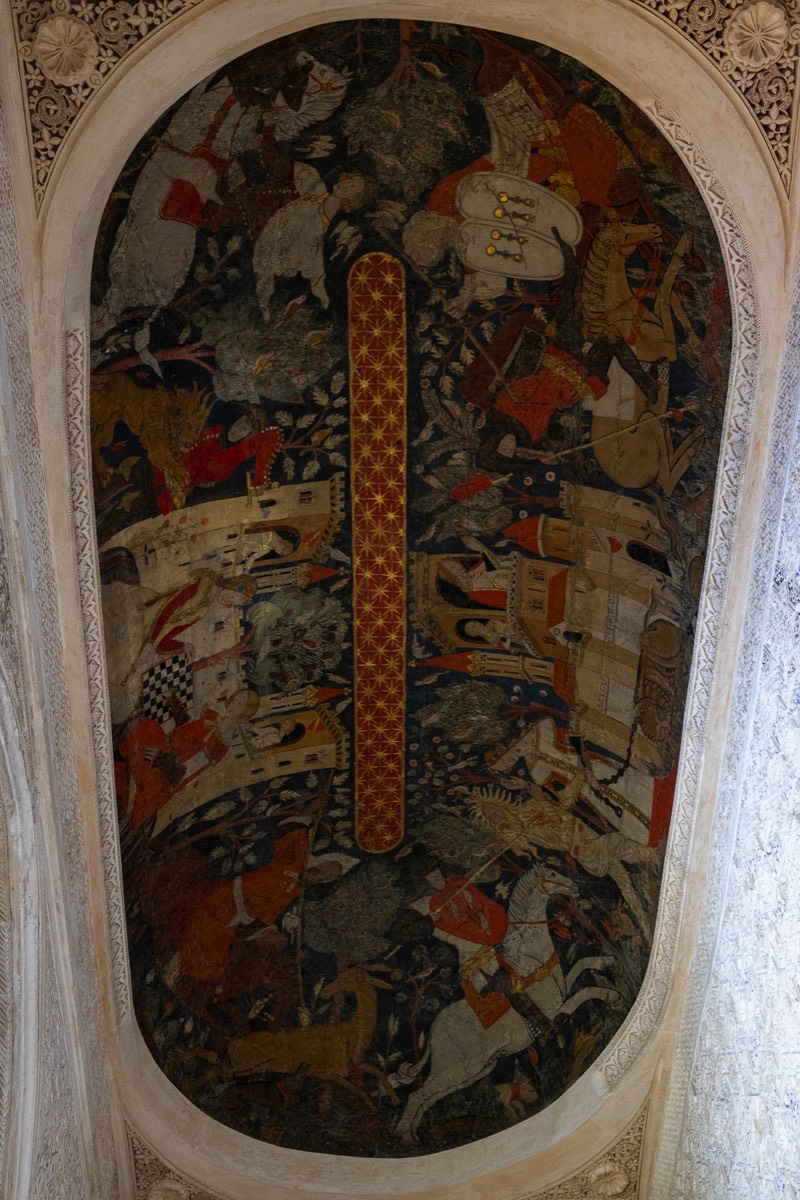
Once the Spain catholic royalty conquered Granada, they had the good sense not to change this palace too much. But they did leave their mark on the ceilings in the many alcoves. The contrast between the figurative Spanish decorations and the non-figurative Moorish decorations is quite striking.
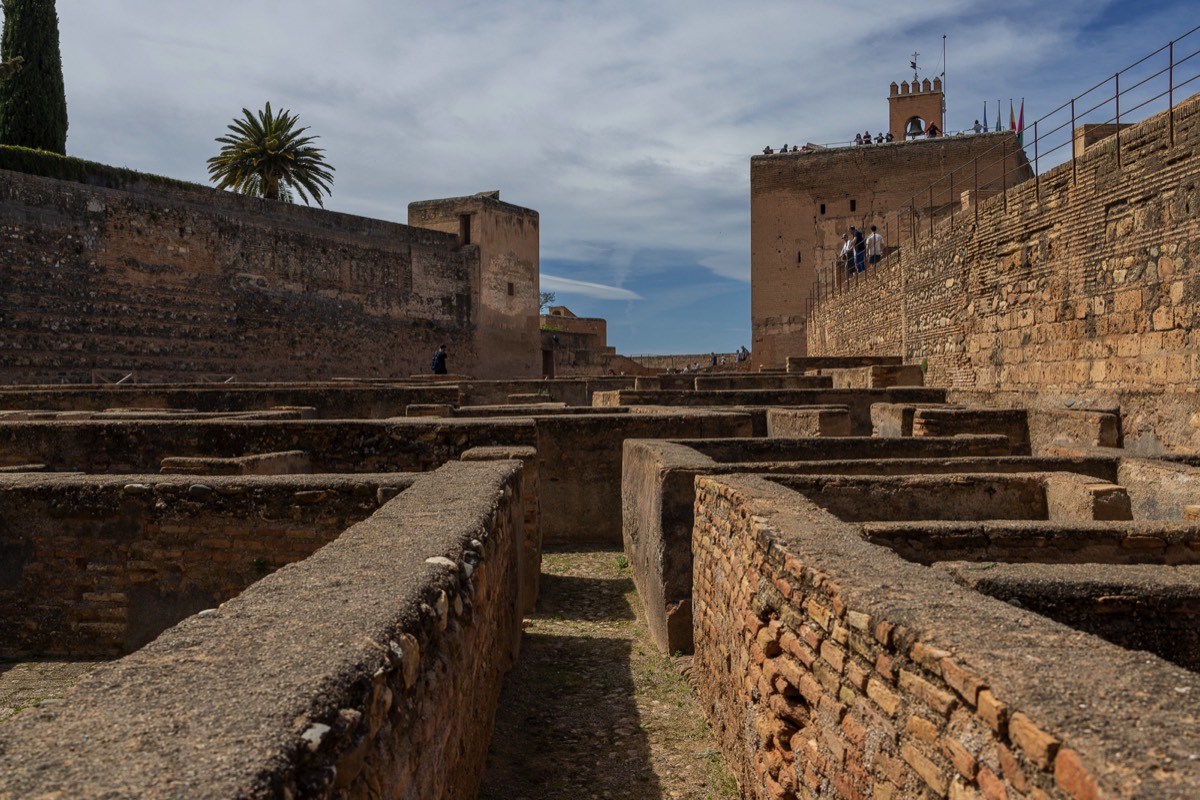
The Alcazabar was a defensive fort, built in 1237 by Mohammed I, founder of the Nasrid dynasty when he moved his court to Granada. The watchtower (Torre de la Vela) at the end of the Alcazaba mark the site where the cross and banners of the Reconquista were raised in January 1492, marking the Spanish conquest of Granada; the last bastian of the Moors.
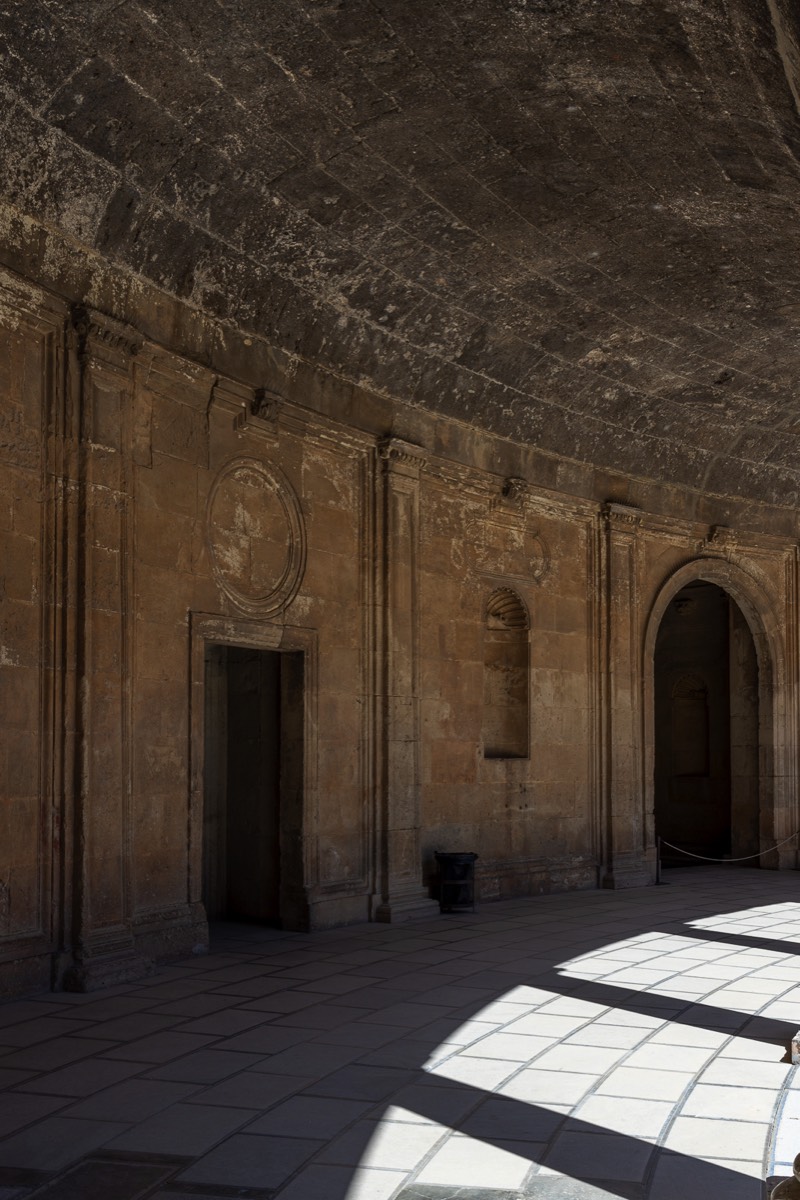
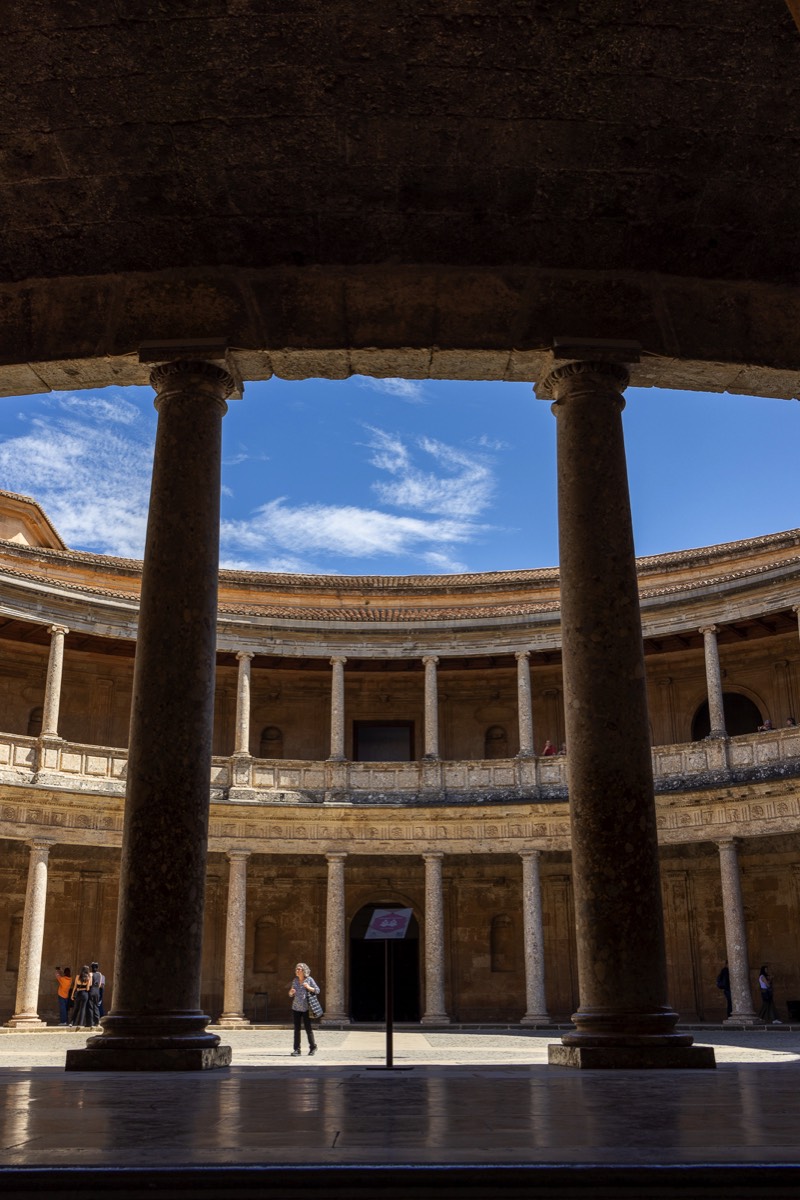
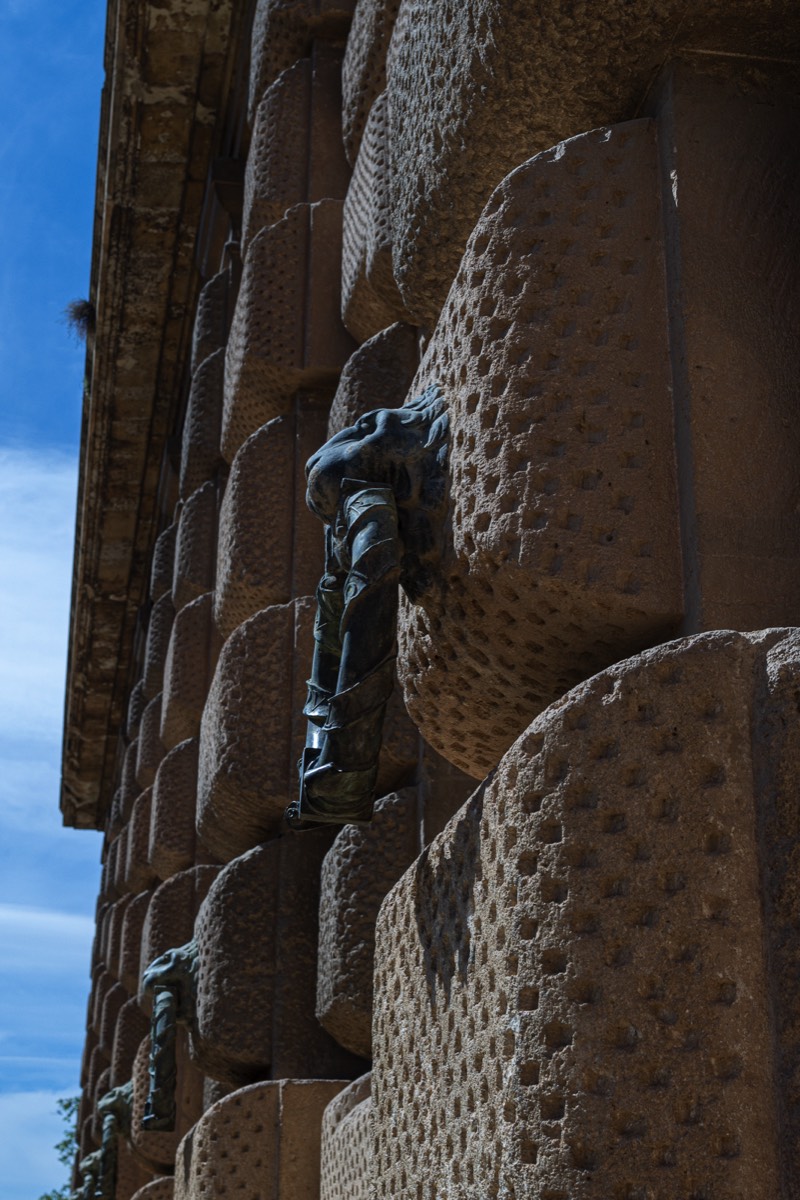
And to make their point, the Spanish king built the Palacio de Carlos V. This is a Renaissance palace added in 1527 and is brutal in size and shape with none of the delicacy seen everywhere else.
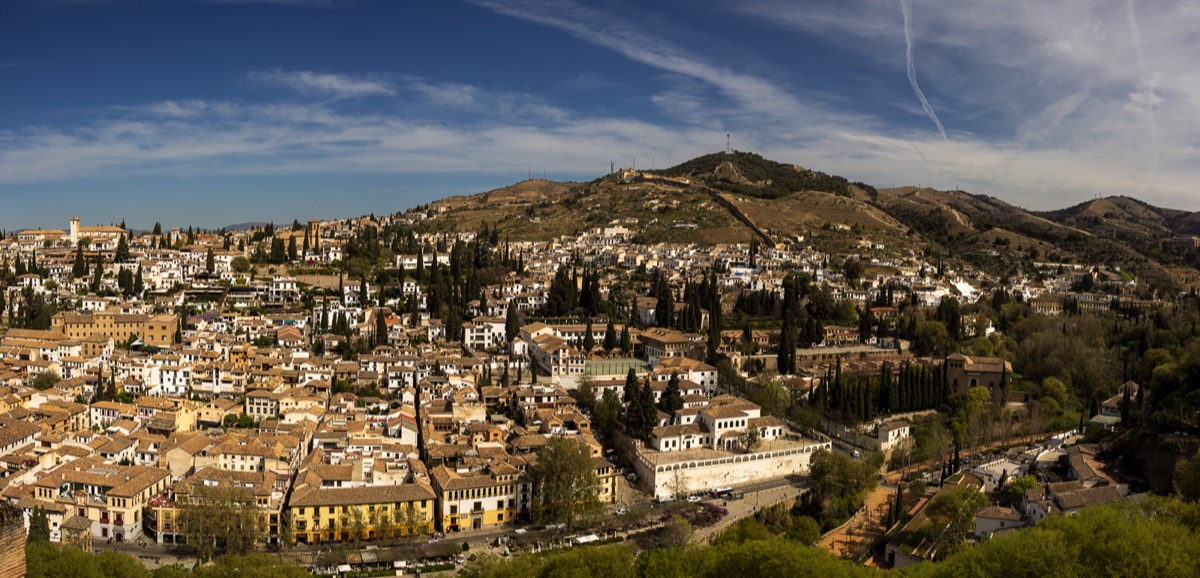
On the hillside opposite the Alhambra (the Albayzin) is the 15th century Nasrid palace known as the Palacio de Dar Al-Horra. This was the home of the mother of the last sultan of Granada and what a spectacular view it has. It was quite a steep walk up to the palace, but well worth.
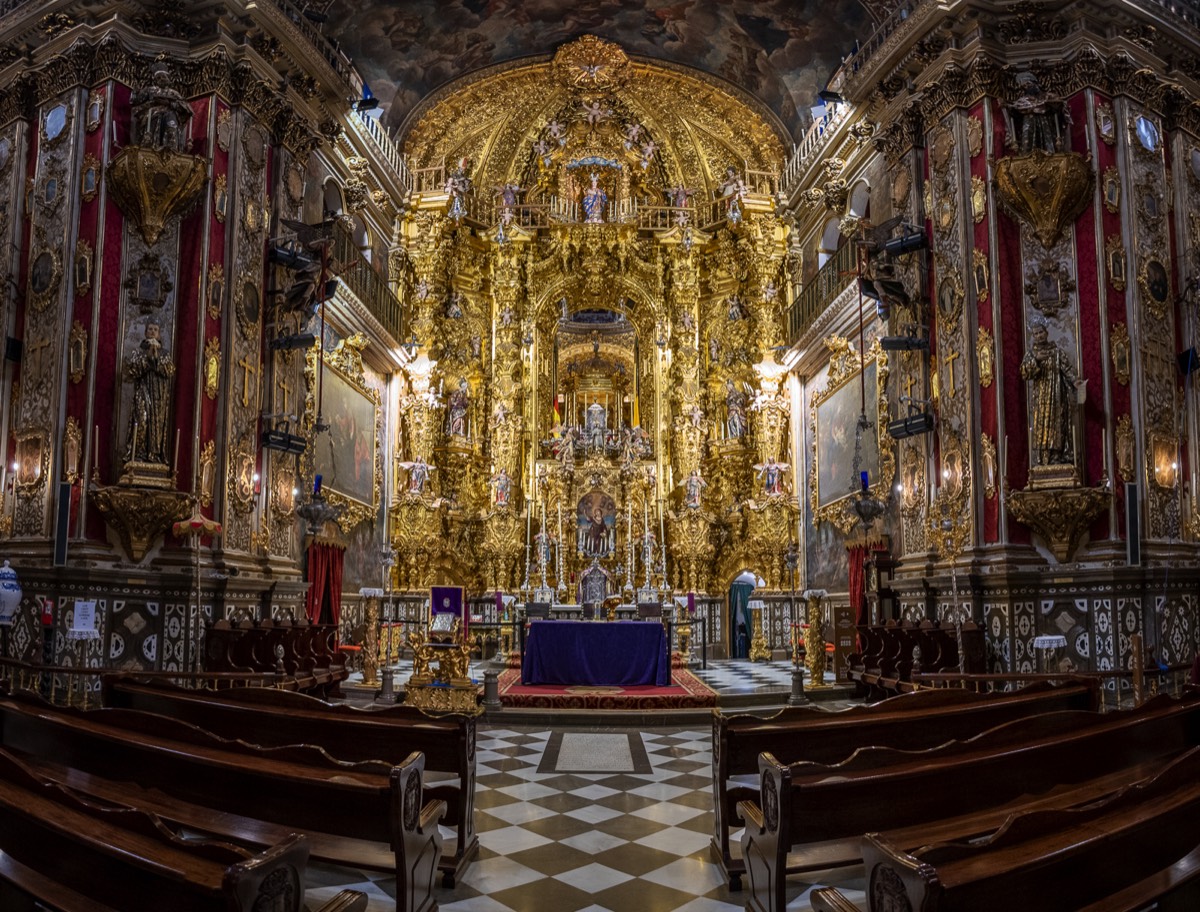
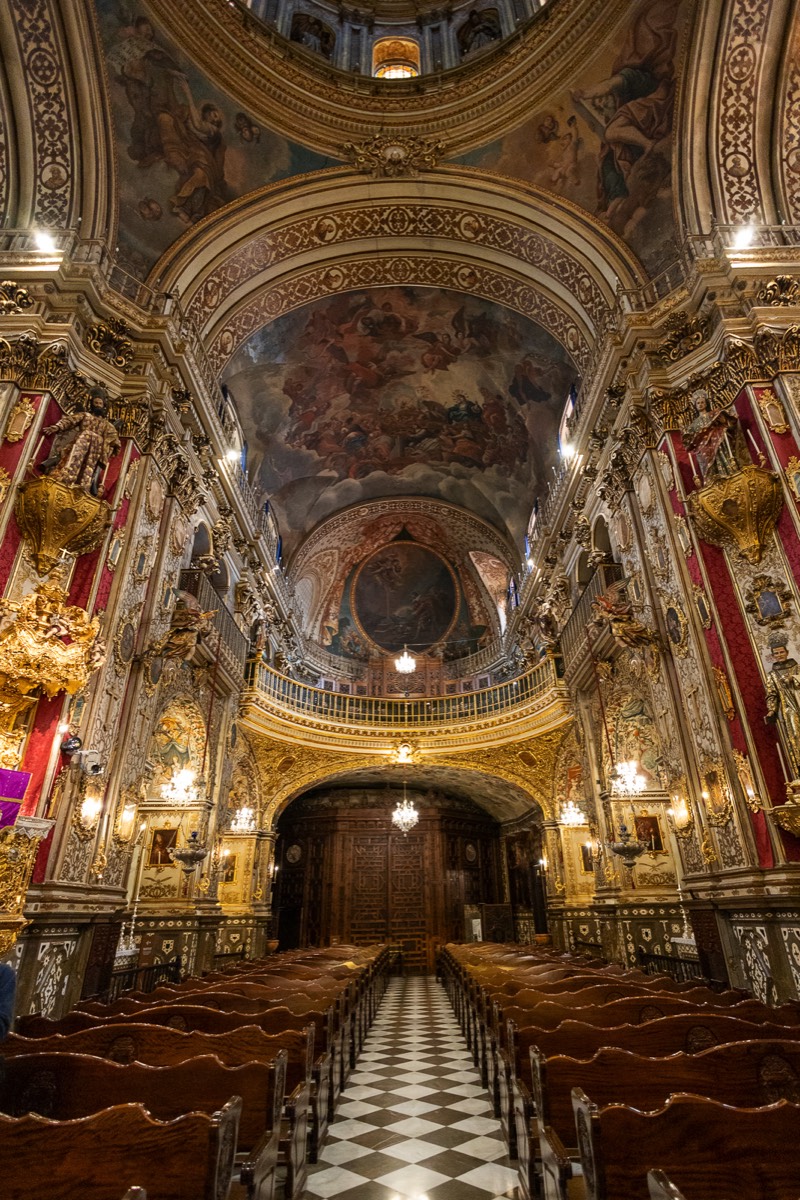
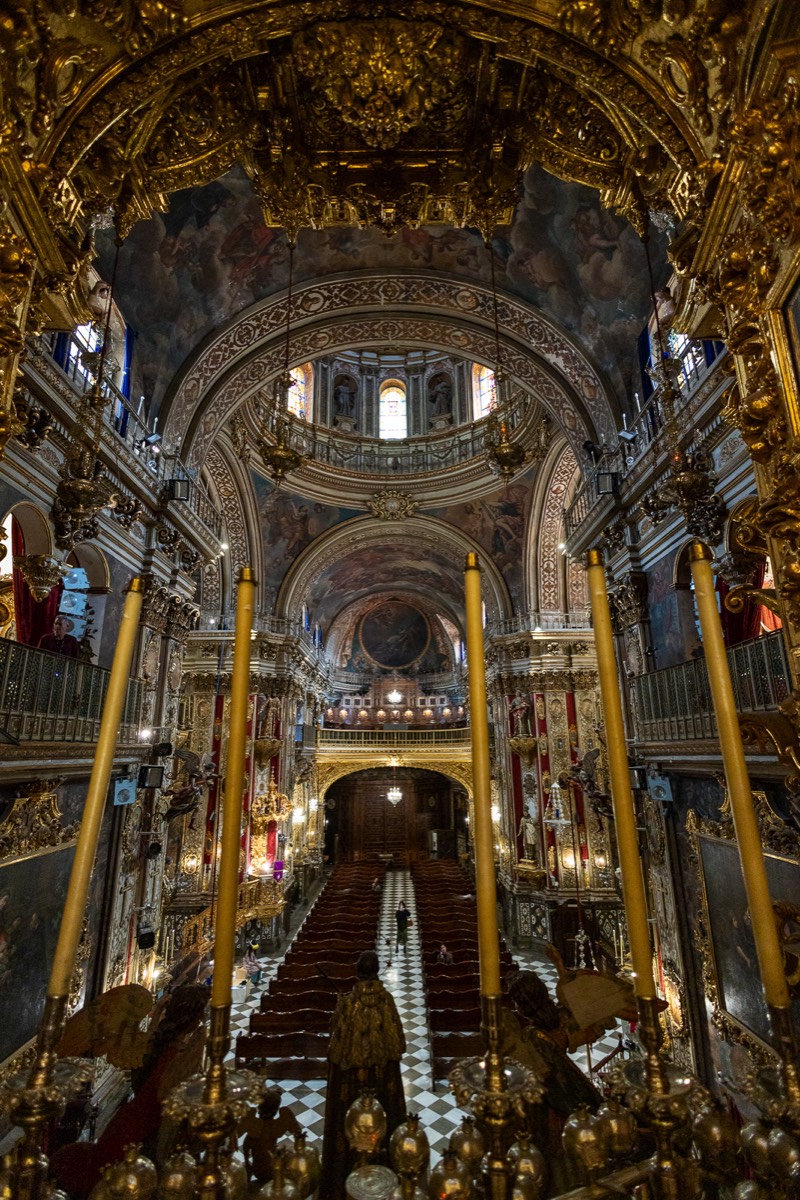
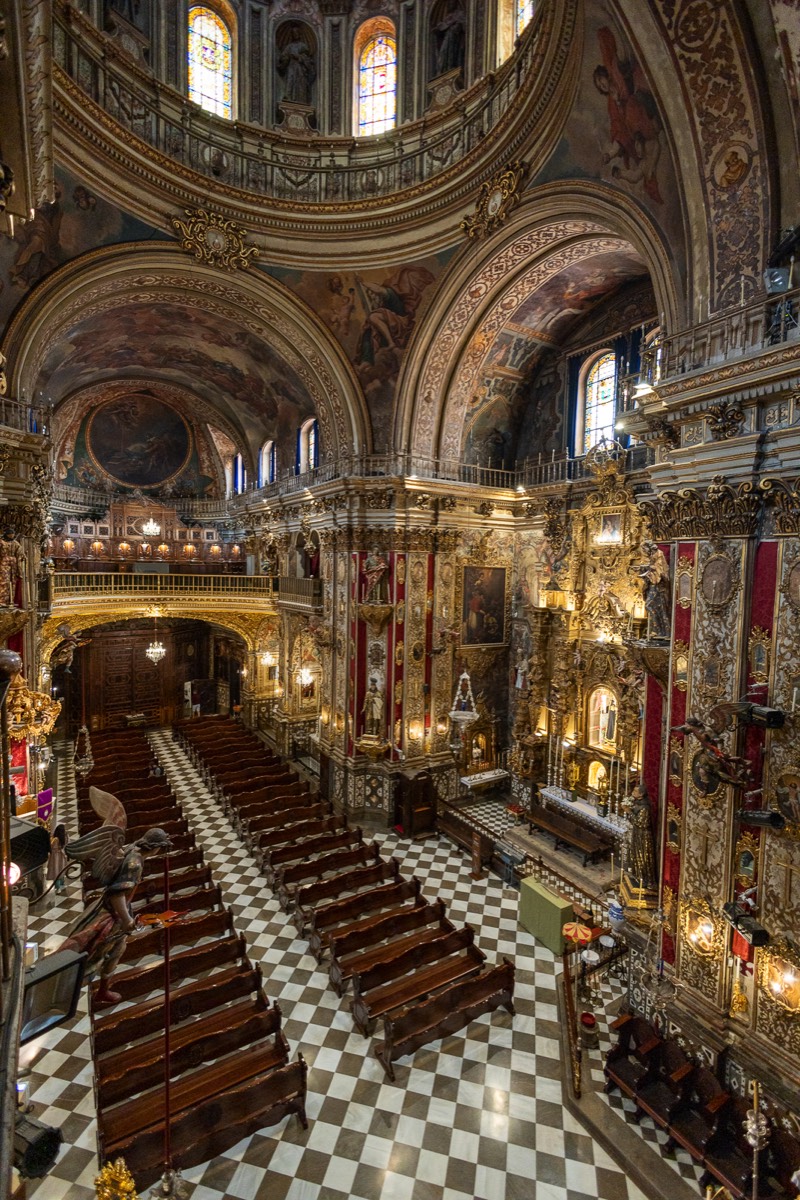
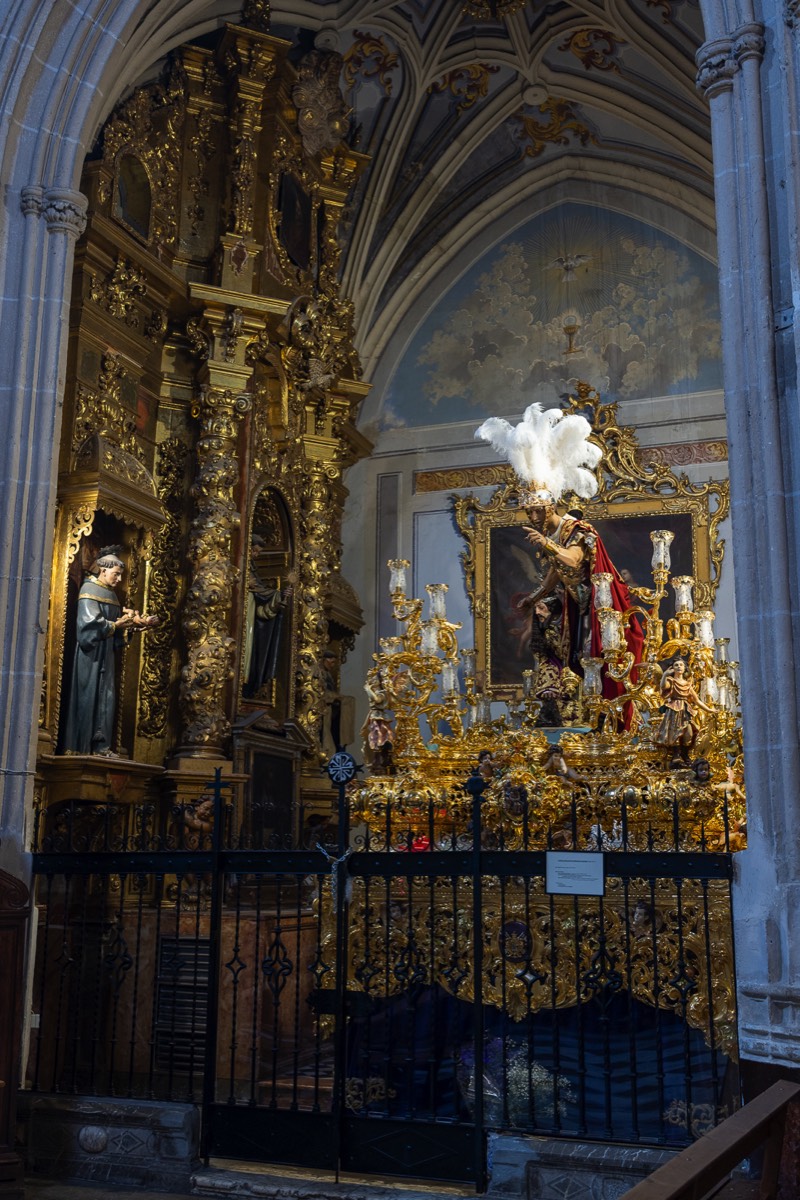
But Granada is more than just the Alhambra, and the Basilica de San Juan de Dios is another must-see building. We found it quite by accident as we wandered around the city and were led to it by its green and white tiled dome. Once inside, we were struck by the ornamentation on every available space. I am more familiar with the relative sparceness of English parish churches so all this gold, marble, frescoes, statues and tiles was quite distracting. There were side chambers set out as museums containing religious relics, and one could go up to the balcony for an even more spectacular view. We spent hours here!
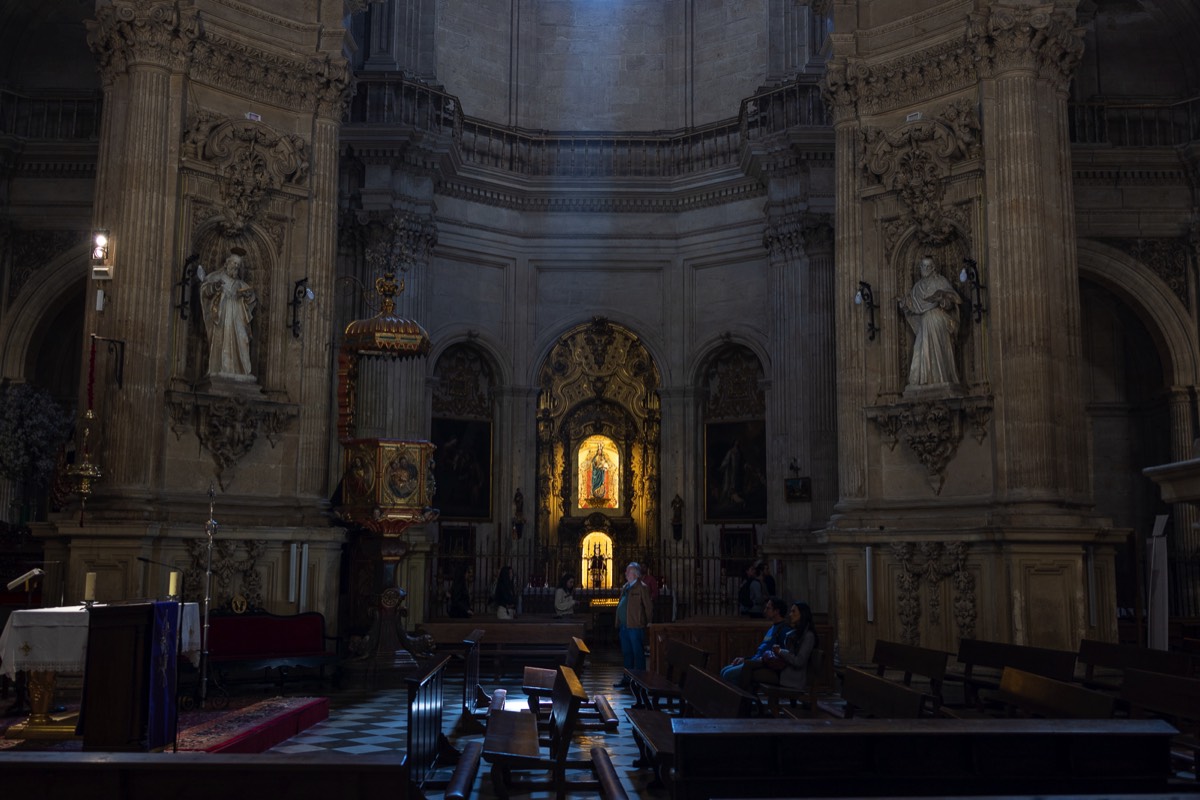
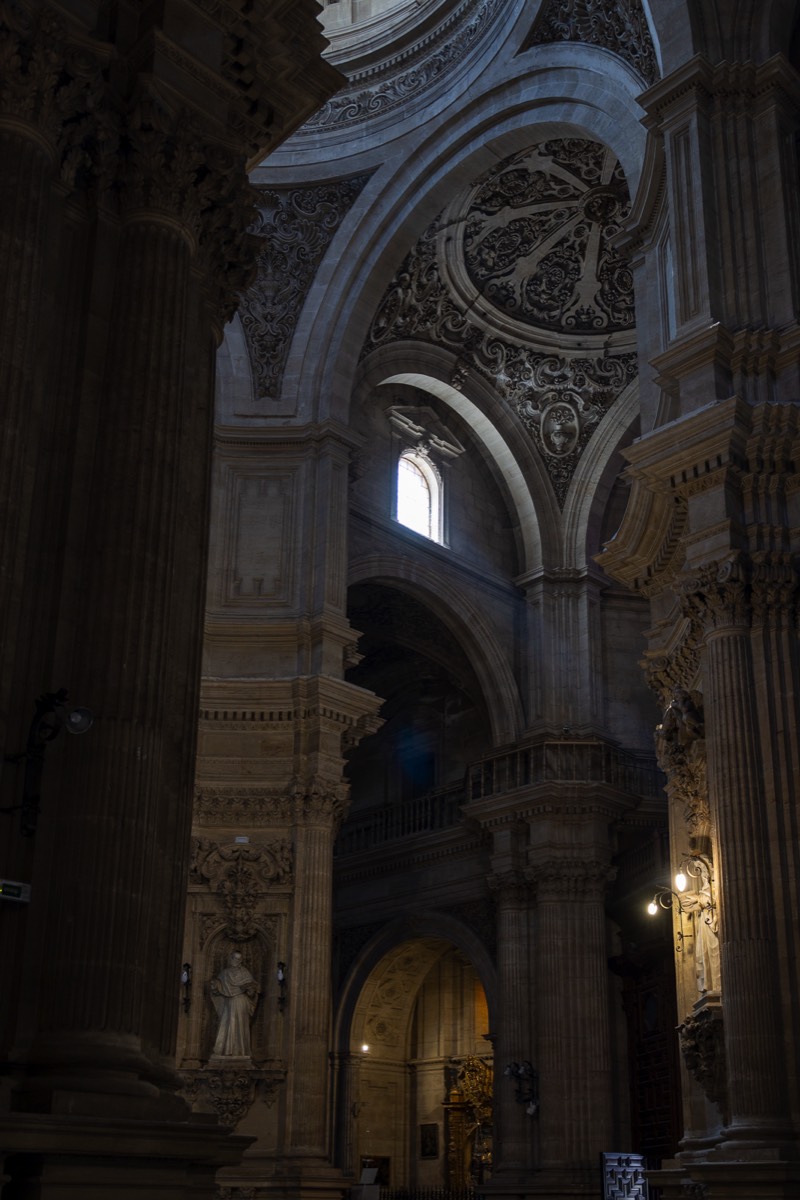
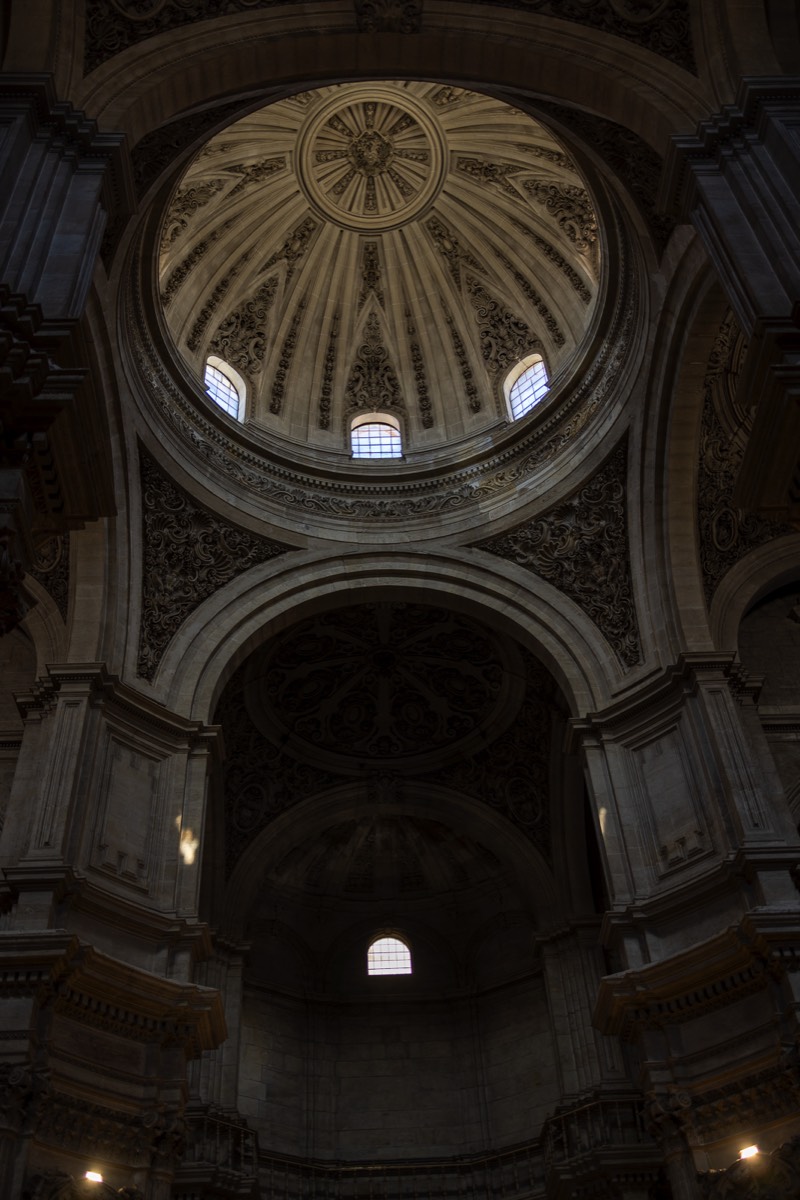
Given the splendour of the Basilica de San Juan de Dios, then Granada Cathedral seems rather understated. It hides behind the small allies of the old town and took over 200 years to complete. But it is the internal height which the impresses most; something which is difficult to convey in photographs.
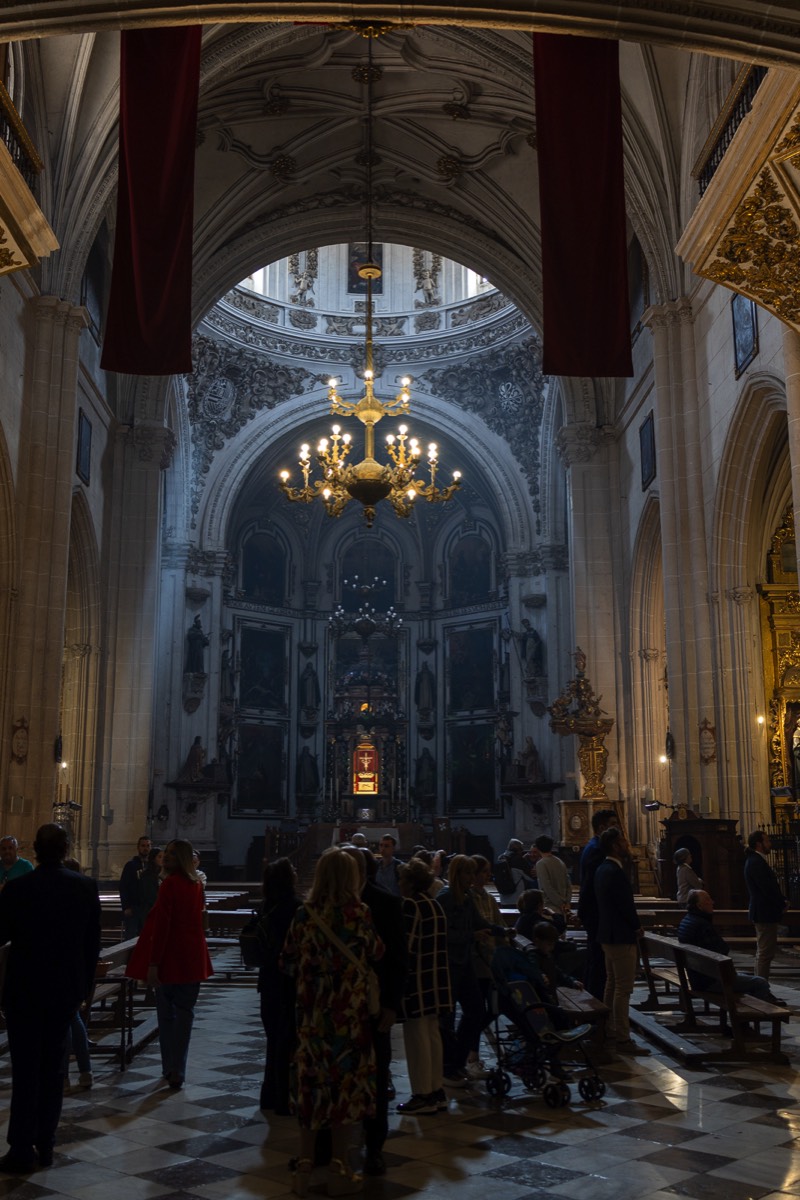
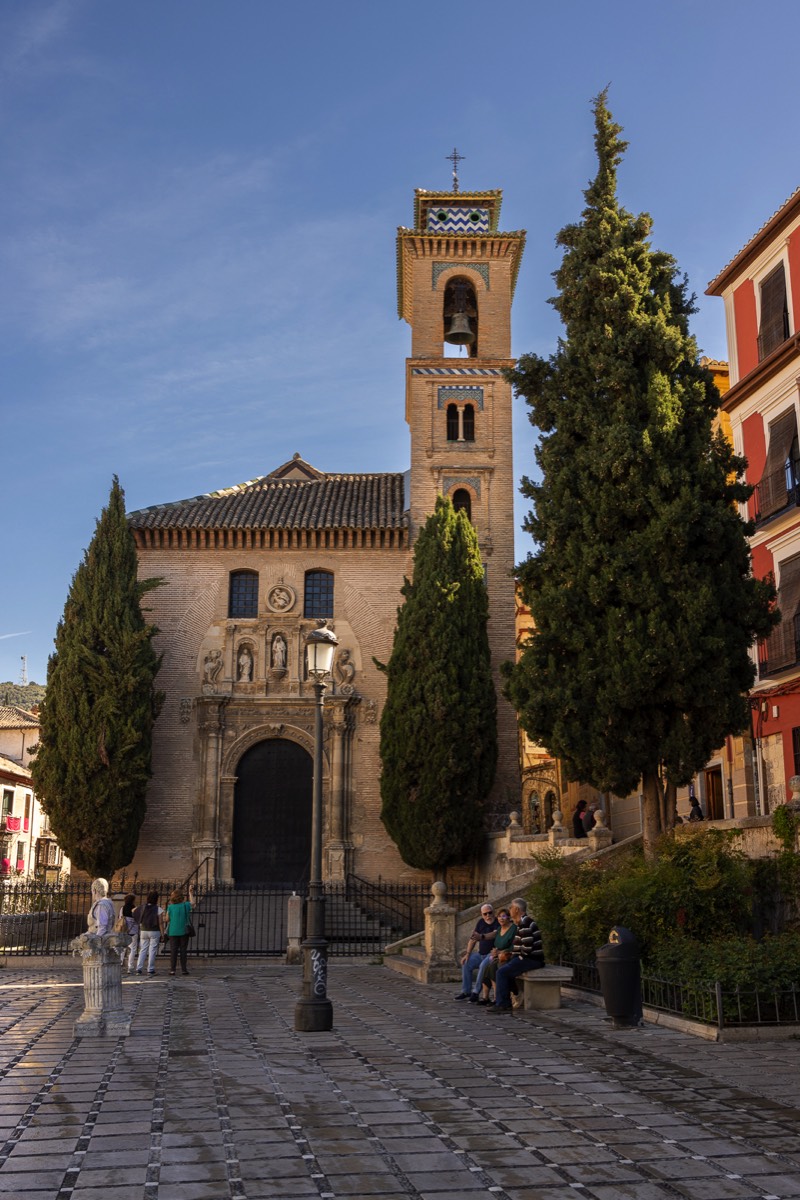
Every city we visited in Andalucia seemed full of churches! The Church of Santo Domingo was near our hotel, and we visited this church just after a morning service. So it was filled with the smoke of incense and people dressed in their best clothes. This church was not as cavernous as the cathedral, but it certainly made an impression.
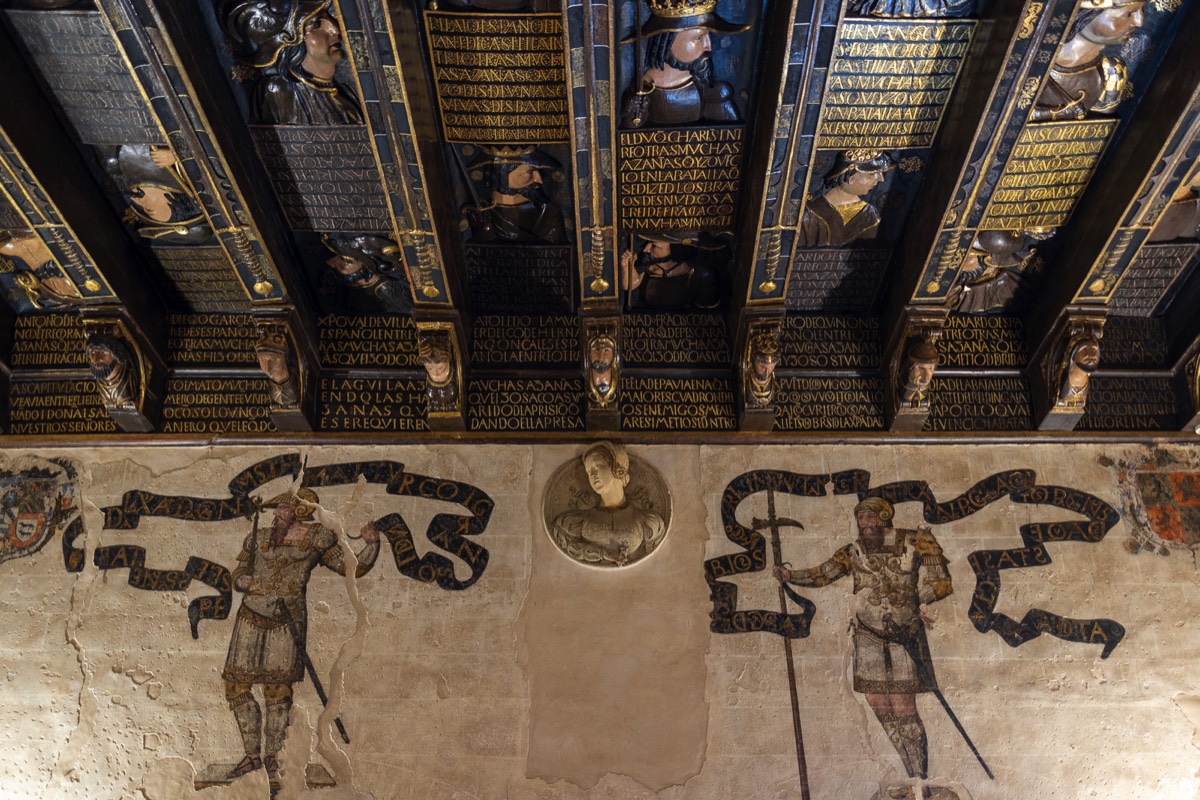
Granada has many small museums, all filled with exquisite artefacts. Below is a room in the Museo Casa de los Tiros with a beautifully carved and inscribed wooden ceiling.
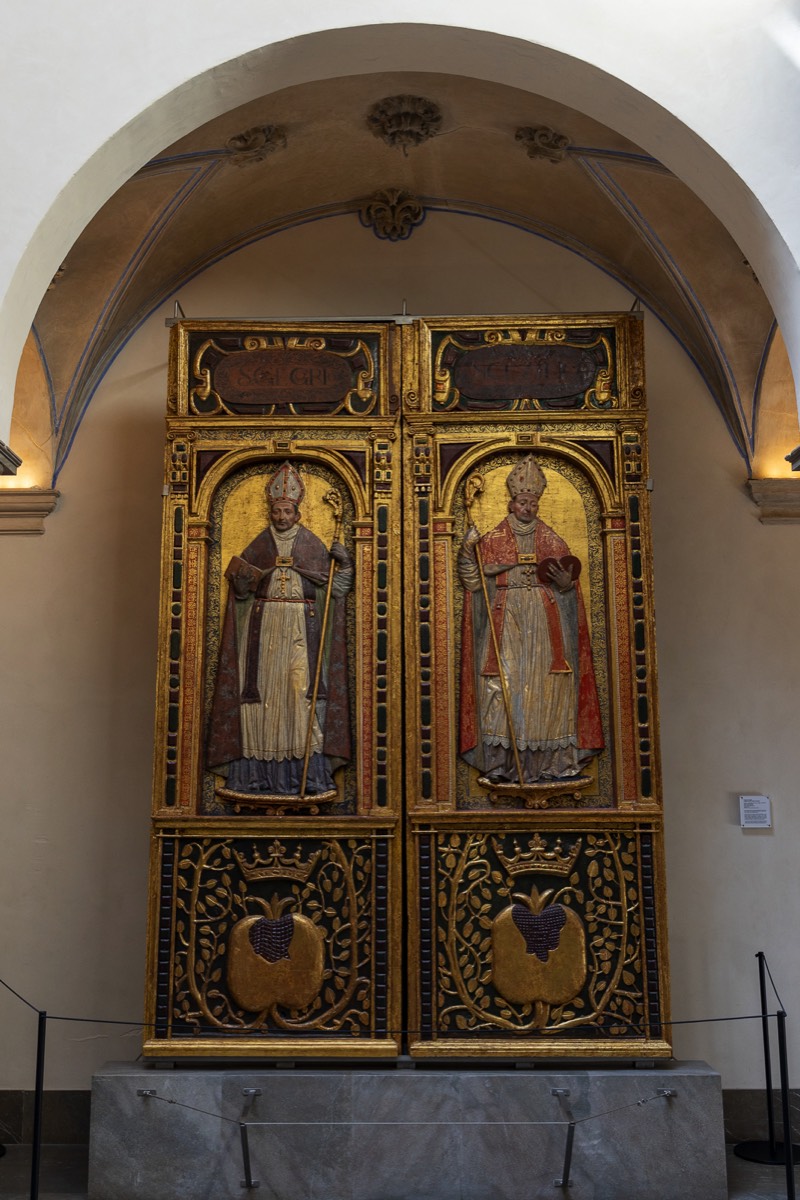
And on the right is a wooden screen in The Moor's House where you can see the symbol of Granada, the pomagranate (or Granada in Spanish!). You will see the pomegranate displayed on bollards and signposts throughout the city.
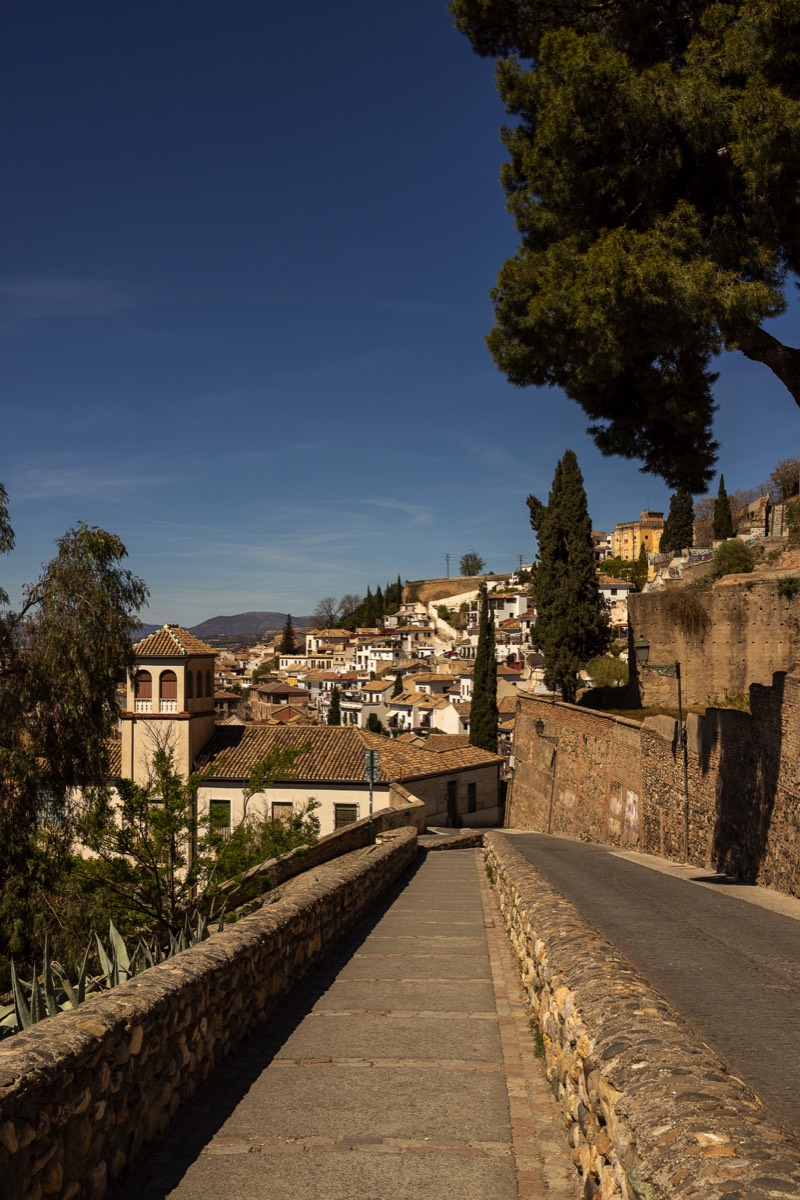
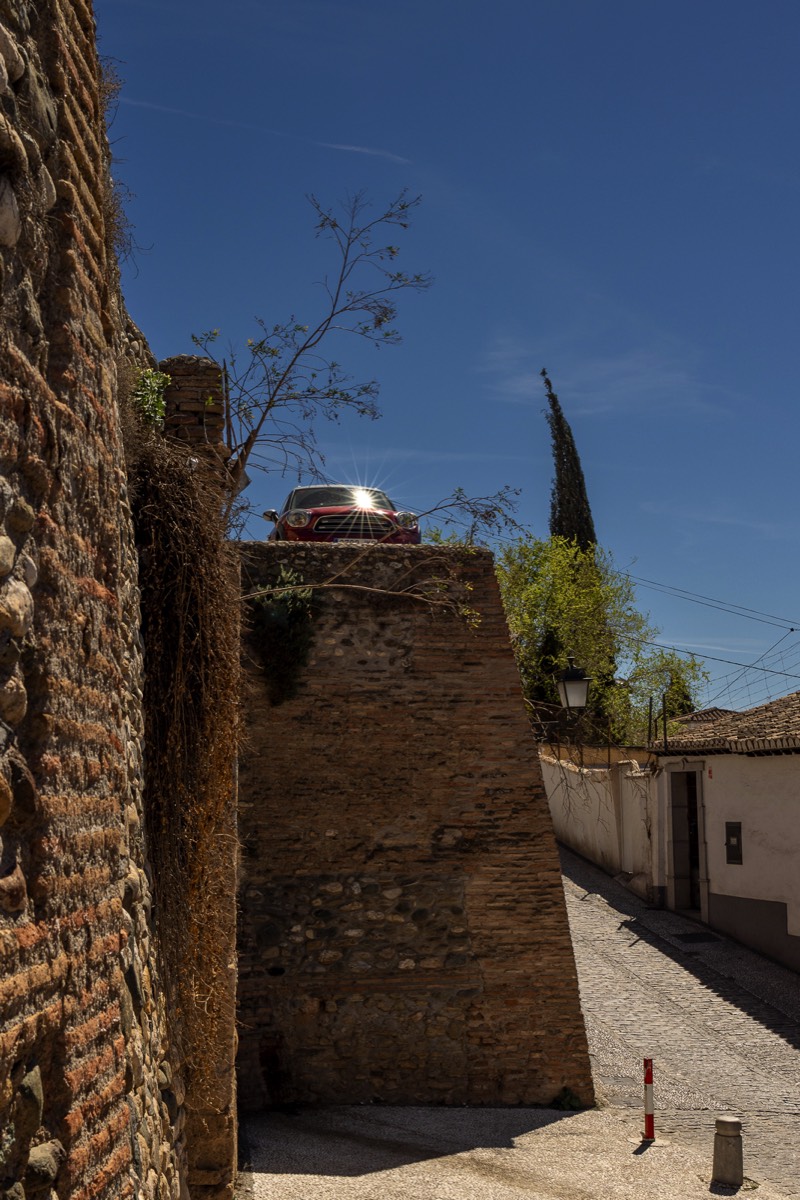
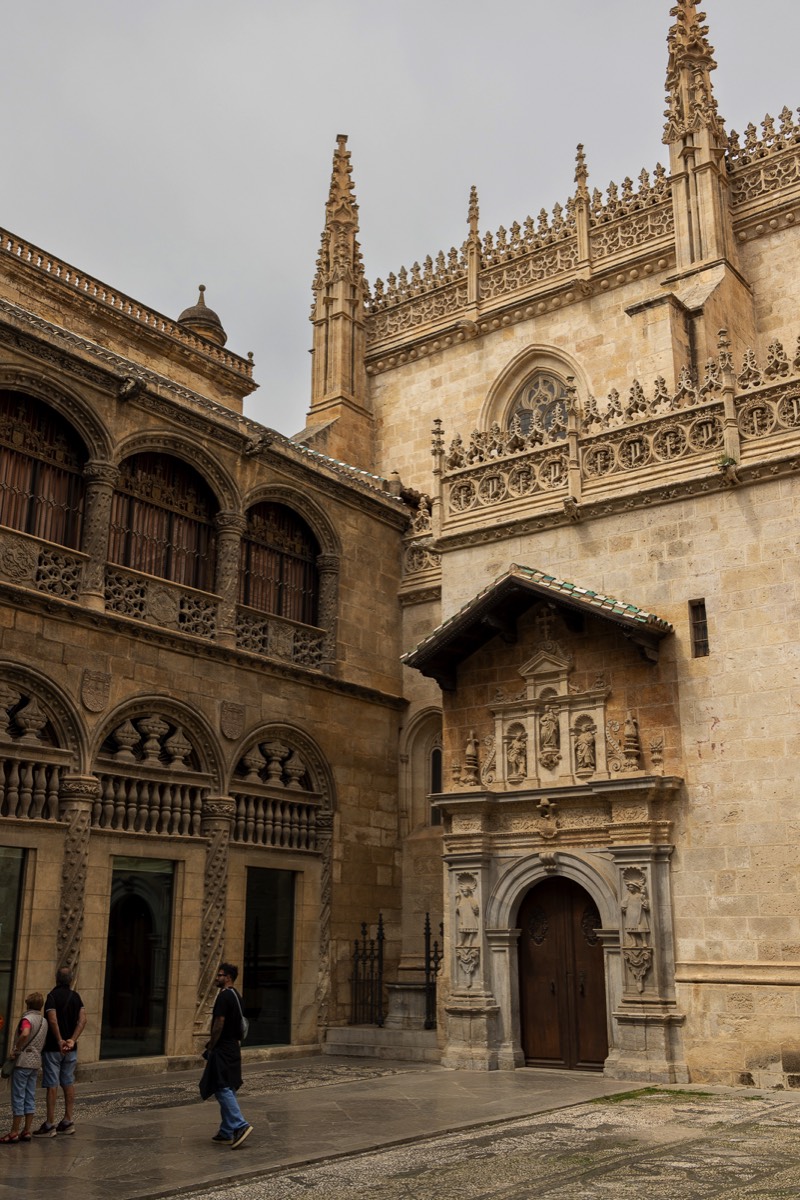
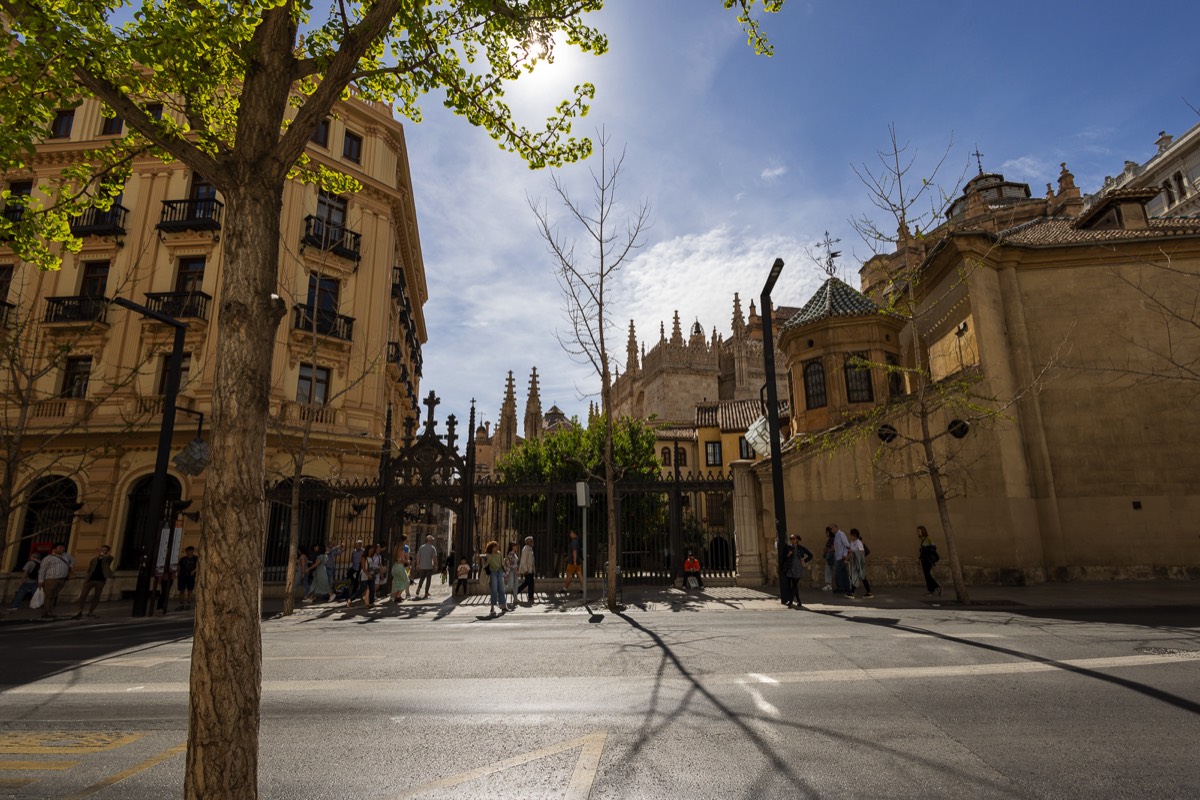
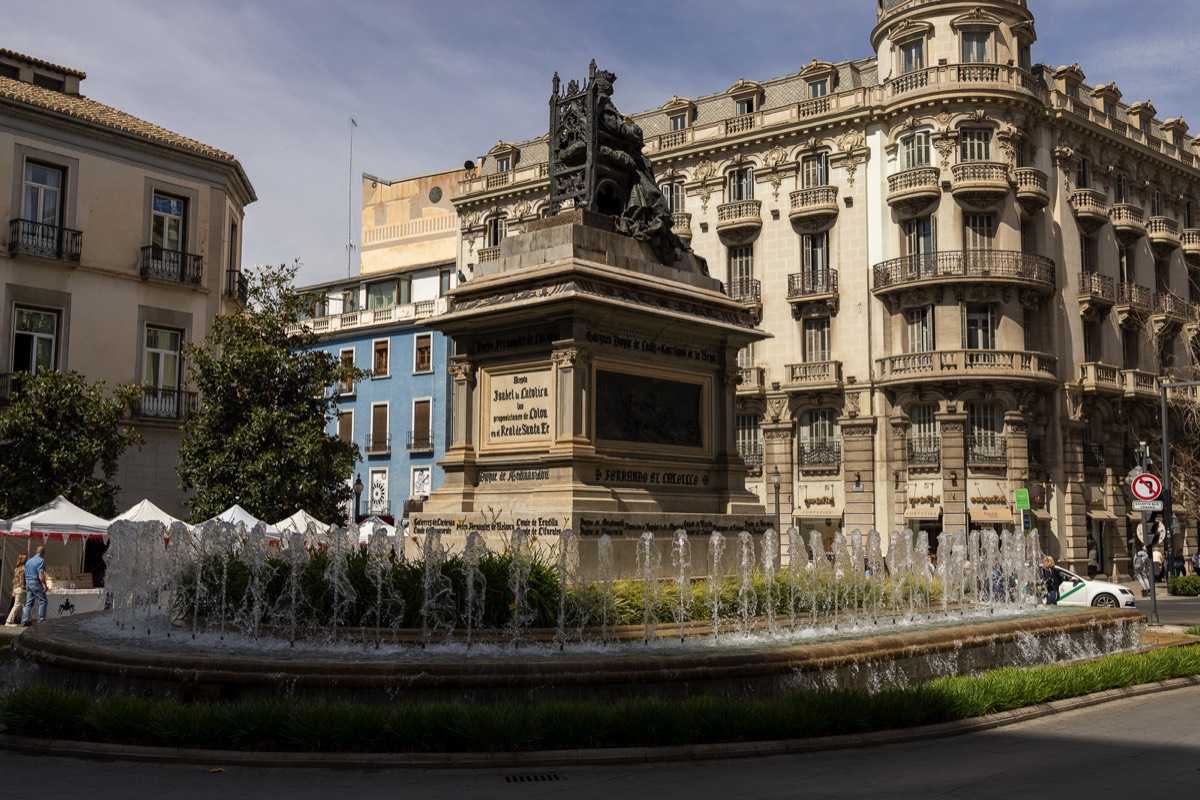
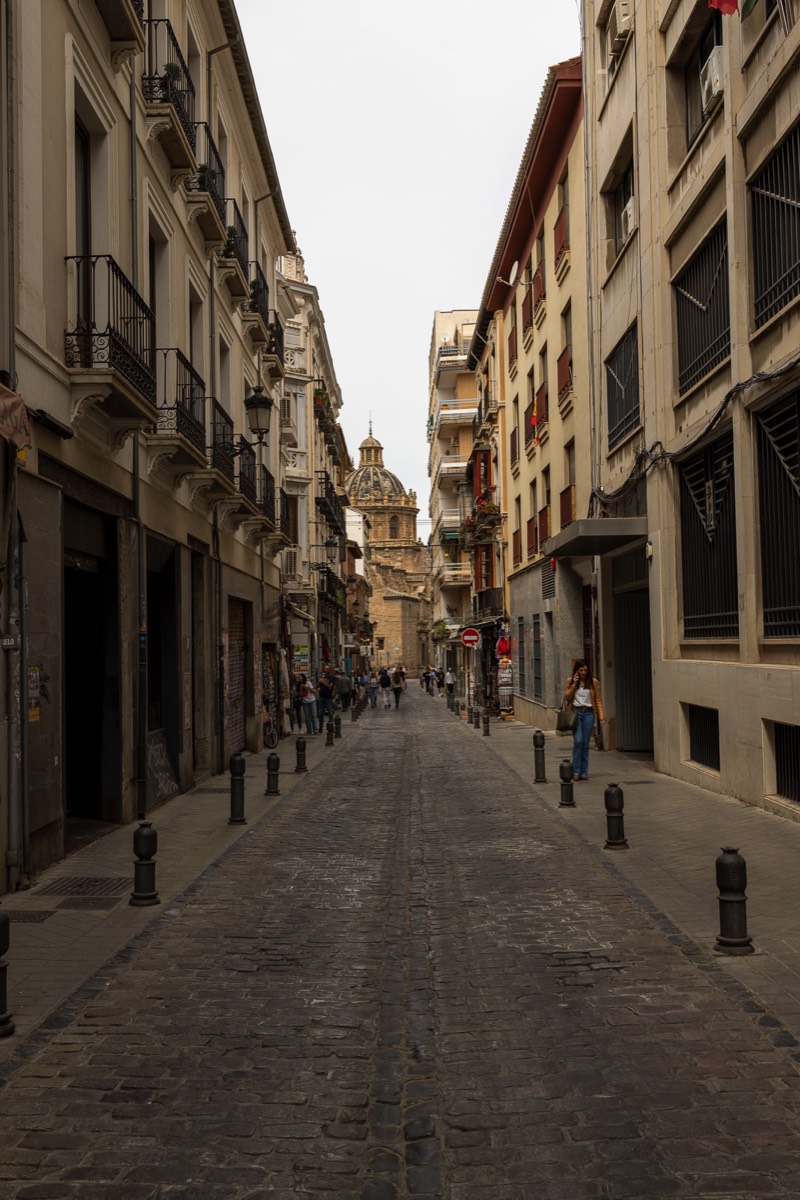
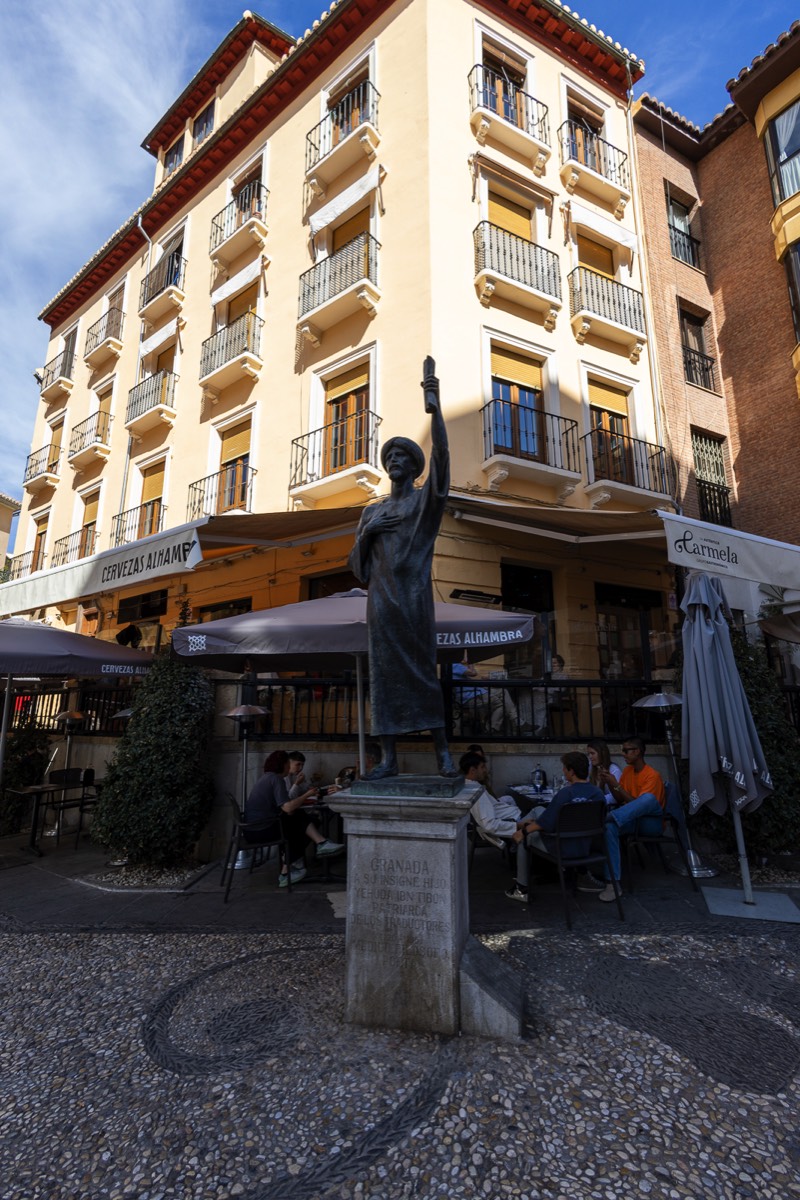
Some of the streets of Granada.