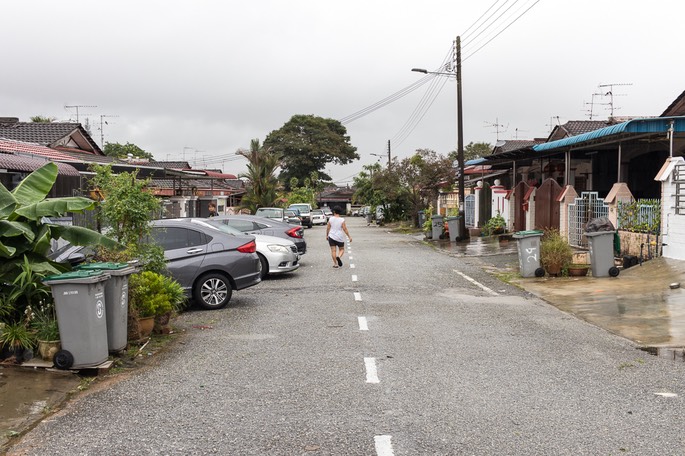
I find it difficult to describe the housing options here to my non-Malaysian friends, so I thought I would use this page to collect some photos to show the variety of living arrangements in my neighbourhood. The photo above is typical of many older residential areas around Johor Bahru. The houses are detached, single-story, with a covered area at the road side which is nowadays occupied by a car. With space at a premium, this covered area can be occupied by other stuff so the cars park as shown above. This makes driving down these small streets even more challenging, and parking somewhere if visiting a friend can be a problem.
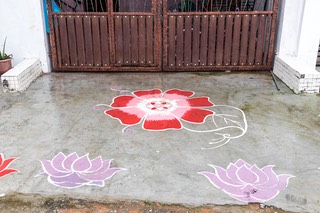
To the untrained eye, the houses above may all look similar, but there are clues to the occupants. In the photo below left, the occupants of this house are Hindu Indians. For Chinese occupants, you will see small red temples/altars and/or red lanterns. If the occupants are Malays, there will be no external decorations of note.
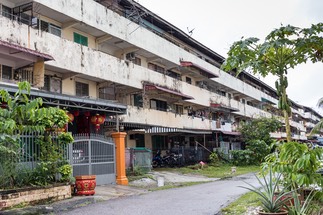
In Taman Tun Aminah, I was surprised to see properties reminiscent of the older housing estates in the New Territories area of Hong Kong (near to where I used to live). The distance between the buildings is small and you need to walk up a concrete ramp to get over the huge drainage sites around the complex. These are some of the oldest public housing estates here and very few of these dwellings have air conditioning.
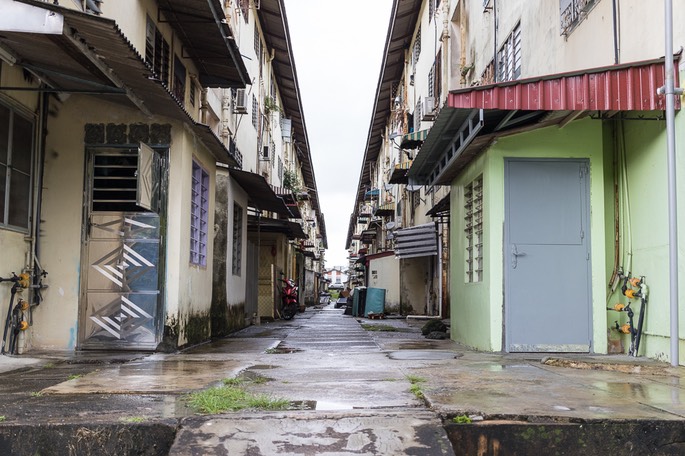
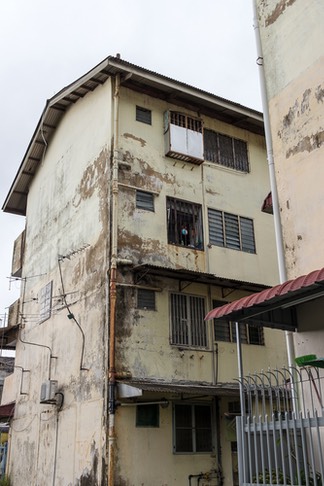
The other similarity with the older villages in Hong Kong is the smell of sewage! One of the positive benefits of British occupation of Hong Kong was the installation of a proper sewage system which dramatically increased the health status of all the residents on Hong Kong island. But the British had less control over activities in the New Territories, closer to the border with China, so building styles there maintained traditional ways for much longer. So, sewage was dealt with by an open drain around the buildings. Although today these drains are covered, the smell still lingers and seeps up through the gaps in the system.
In Taman Tun Aminah, there seemed to be a sewage collection tank at the end of the estate, and it too was not fully covered. Maybe the recent heavy rains had stirred stuff up, as I’d like to think this was not the normal situation.
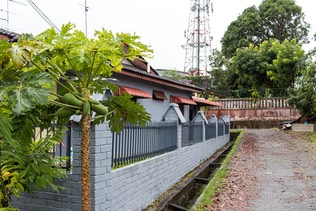
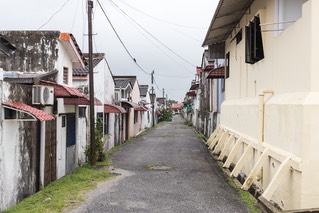
Dealing with the heavy rains of Malaysia continues to be a problem, and flooding is becoming more frequent. If you look at the two photos below, you will see how a drainage system has been built around these suburban properties.
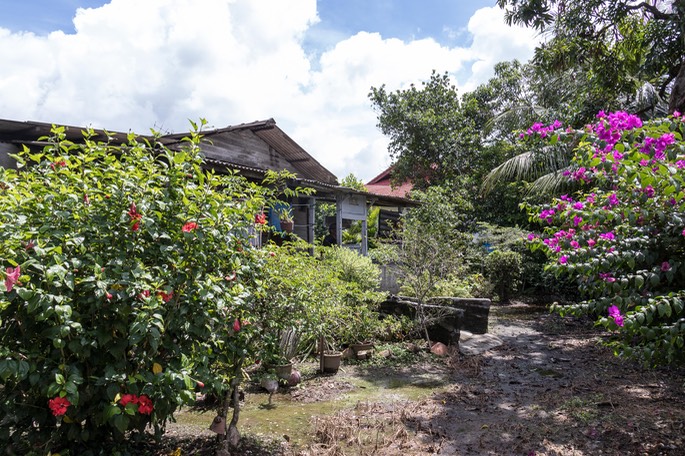
While many rural properties are little more than shacks which have been extended over the years, a little bit of gardening can go a long way to beautify the surroundings.
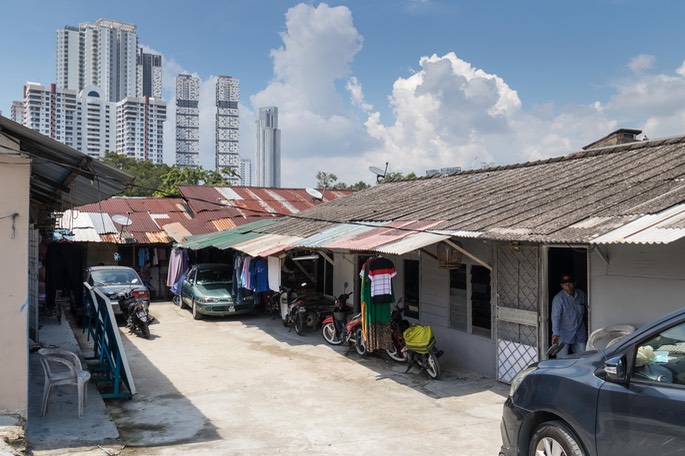
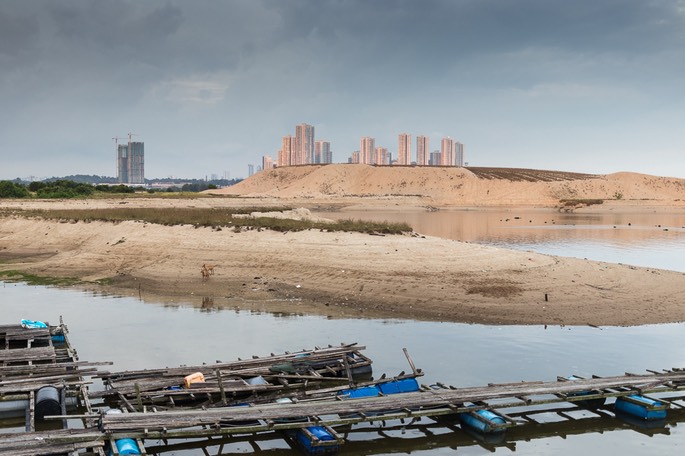
But some of these shack-communities only have concrete outside, and there is little space to brighten up their immediate environment. Yet when you look at the glossy highrise developments in the background of this photo, they too have little personal outside space.
The public housing estates, designed to move people out of these wood and tin shacks, offer little in the way of visual splendour, opting for repetition in design. Below are the endless blocks of Taman Sri Stulang, a newer public estate than Taman Tun Aminah with buildings a few stories higher. But answering the same problem of how to get as many people as possible into the smallest space possible.
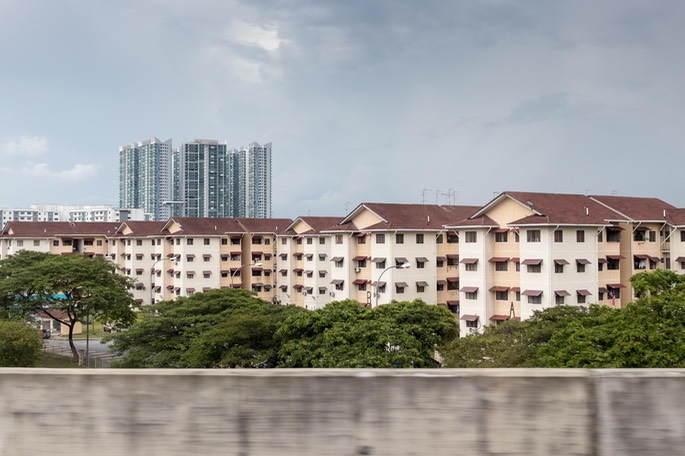
I have been inside some of these buildings; the stairwells are depressingly grey and the flats are small and dark, but the people I have met there are full of life. Each building has a covered space underneath allowing residents to enjoy some fresh air while being protected from the sun and the rain. This estate has a green pitch but I haven’t yet seen anyone running around on it. Maybe it is used earlier or later in the day when the sun is less fierce.

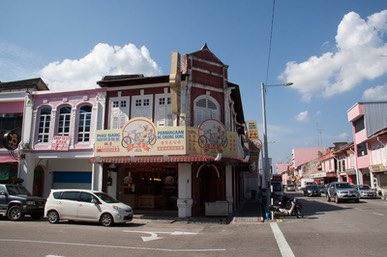
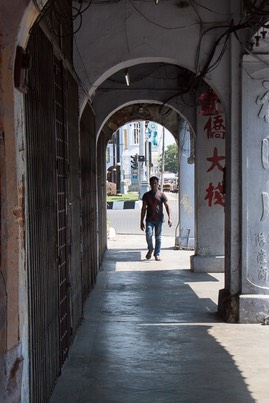
In communities with a strong Chinese influence, buildings lining the main roads often featured awnings to protect the pedestrians and encourage window shopping; you can still see this best in the Royal City of Muar.
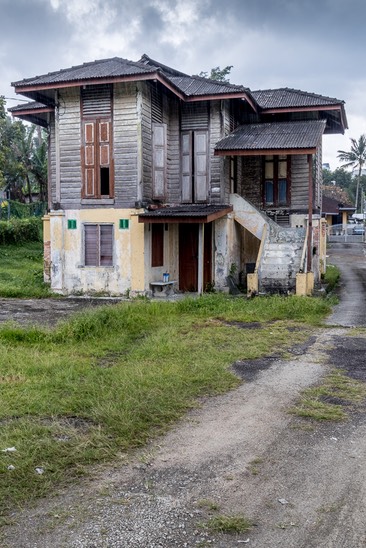
Traditional wooden Malay houses are getting harder and harder to find because: (1) the Malaysian climate is cruel to such structures, and (2) Malaysians do not seem to go in much for maintainance of properties. You see this with anything from residential housing, the shopping malls, and to administrative buildings. There is a hurry to put things up, and that seems to be the end of things.
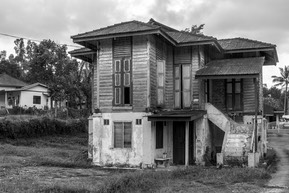
This kampung house on the right is in my neighbourhood, and it is one of my favourite buildings as it is full of character. At least it was until a couple of years ago when the owner decided to paint it pink and a pale turquoise colour; so I prefer this black and white image nowadays.
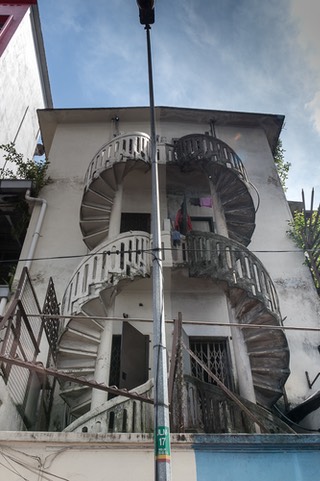
One of my favourite architectual features of local buildings are the external spiral staircases. I don’t always have my camera on hand when I see these, but just take a look behind the rows of shops and cafes in Taman Pelangi when you next visit. (The photo below left was taken in Muar, and below right is in Kampung Wong Ah Fook, Johor Bahru.)

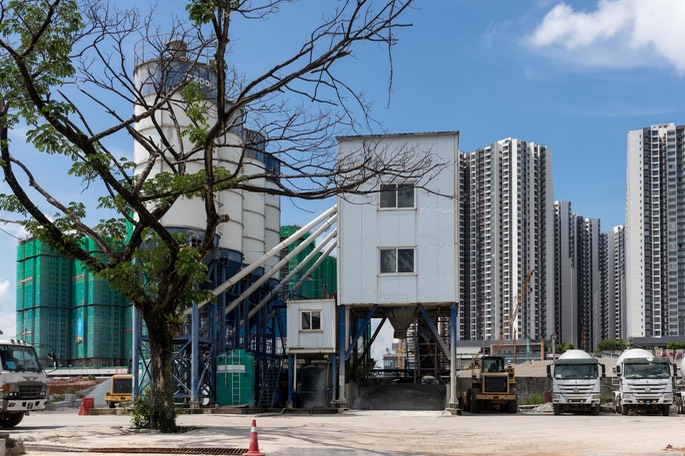
It is hard to show to full range of housing options in Johor Bahru, since there also many detached houses of interest. These though tend to be behind high fences or in gated communities. But the predominant detached houses are in the newer estates in Nusajaya (west of Johor Bahru), and there repetition is taken to extreme. In the central area of Johor Bahru where land is limiting, new deveopments are high-rise but the cost of these properties excludes the majority of Malaysians looking for a home of their own. According to earlier housing policies, developers were allowed to build the 60% non-affordable homes before the remaining 40% of affordable homes in the last phase of the development. Note the terminology ‘non-affordable homes’ which, in practical terms, meant homes which only the richer Malaysians and expats might buy to live in, and which Singaporeans and Mainland Chinese would buy as investments. But developers often failed in their obligations to this affordable housing policy so this southern tip of Peninsular Malaysia is awash with unsold flats while the poorer sections of the community are left in a property drought.
Click here to return to Travels in Malaysia 2020.
Click here to return to Helen Gray’s homepage.