
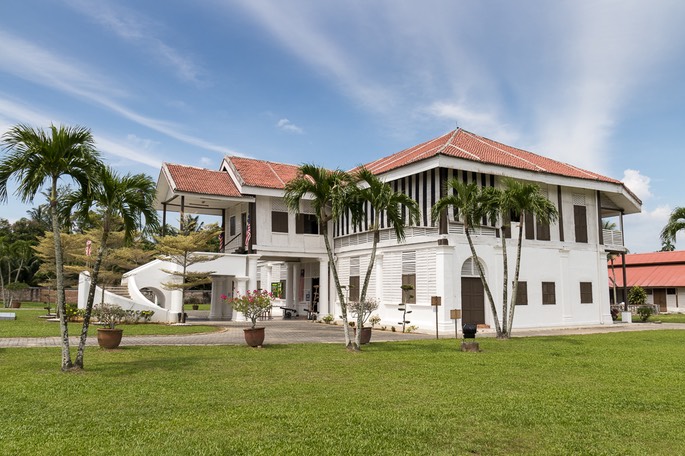
Ngah Ibrahim Fort is also known as Muzium Matang and is stacked full of historical information. The fort was completed around 1858 as the home for a wealthy Malay tin miner called Ngah Ibrahim. After threats from Chinese gangs, such as the Ghee Hin and Hai San, who also wanted in on the tin trade, the house was fortified. The British East India Complany also wanted the monopoly on trade in Perak, so this was a very politically delicate time. The location of the fort is enroute to Taiping, to the east, and Kuala Sepetang, to the west, and was used as a tax collection office. As his mines made him richer than the Sultan of Perak, he was given the title of Minister of Larut.
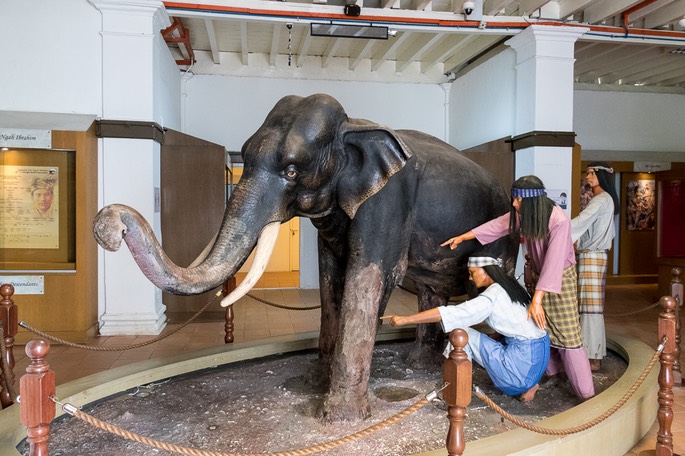
The story behind the discovery of tin goes something like this… Che Long Jaafar (Ngah Ibrahim’s father) had a pet elephant called Si Larut. One day, Si Larut went missing. When he was found, he was covered in mud which turned out to be tin, after which thousands of Chinese flooded into the area to work as tin miners. It is believed that the Larut district got its name from the elephant.
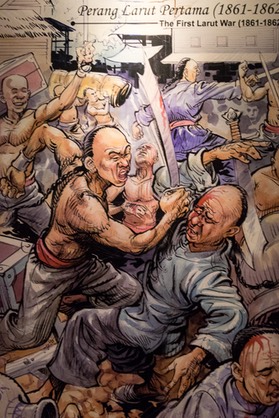
This district is famous for the four Larut Wars which started in 1861 and ended in 1874 with the signing of the Pangkor Treaty. The wars started as fighting between the Chinese triad societies for control of the tin mines, and later involved rivalry between Raja Abdullah and Ngah Ibrahim. I think that Lawrence will deal with this history in his blog, so I will wait for that! In summary though, all this led to the renaming of Larut as Taiping, meaning ‘everlasting peace’, and the rest, as they say, is history.
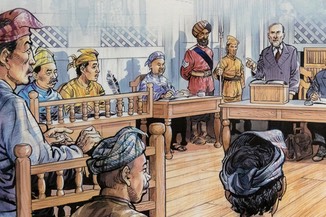
The walls of this fort are filled with portraits and descriptions of the main characters in these wars. And, in some of the rooms, there are reconstructions of crucial scenes in these stories.
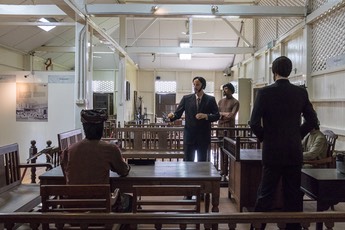
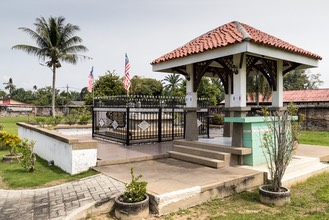
The most notable use of this building was as the court house for the trial of the men accused of murdering the first British Resident in Perak, J.W.W. Birch (more about him tomorrow). The trial lasted from 14 - 22 December 1876, with the junior perpetrators being executed while Sultan Abdullah and Ngah Ibrahim were deported to the Seychelles. Both later returned to Malaysia, and Ngah Ibrahim lies buried in the grounds of the fort.
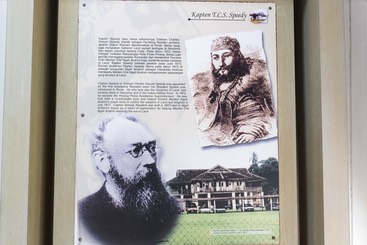
Next door to the fort is the house of Captain Tristram Charles Sawyer Speedy, who’s name appears on the streets of Taiping. He was assistant Resident in Perak, the Governor of Larut, the Penang Police Assitance Superintendent, and helped form the police force to control the situation in Larut. But he was much than this, just look at him in this photo on the left…. He was born in India to an army officer, educated in England, returned to join the army in India, went hunting in Africa, travelled to New Zealand, joined an expedition in Ethiopia, accompanied the Duke of Edinburgh on a shooting trip in Nepal, and then ended up in Malaysia! After all that, he explored Sudan where his wife wrote a book about their travels, and then spent more time in Ethiopia. The 19th century definitely produced some incredible characters.
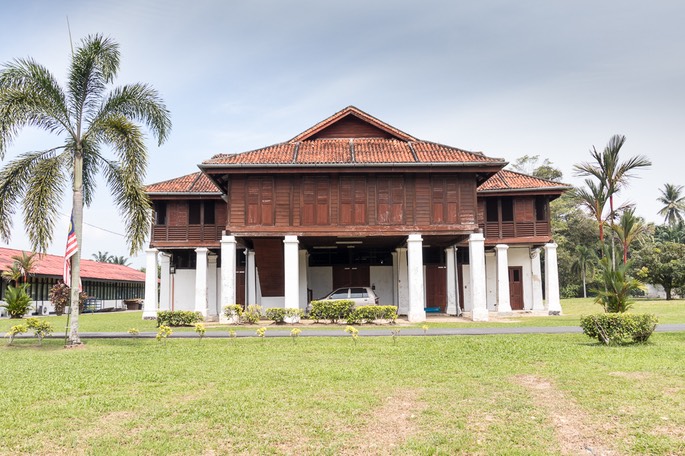
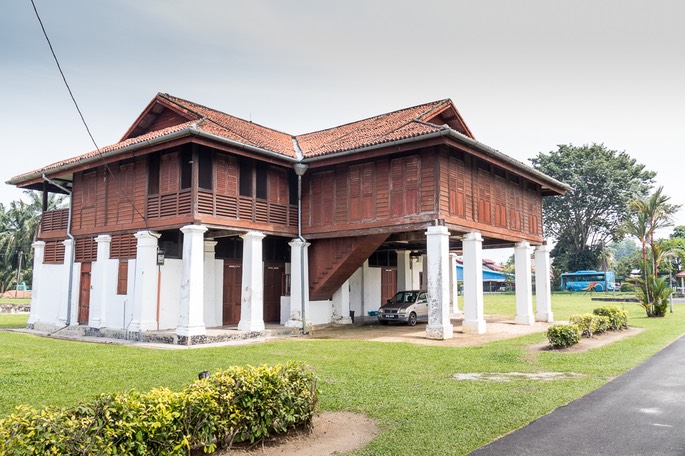
So if you are interested in learning more about the characters who made Malaysia what it is today, then Muzium Matang is well worth a visit. And if you get hungry, there’s a restaurant next to the huge carpark.
Click here to return to Day 16 - Exploring the west of Taiping.
Click here to return to The Great Malaysian Road Trip.
Click here to return to Travels in Malaysia 2020.
Click here to return to Helen Gray’s homepage.